








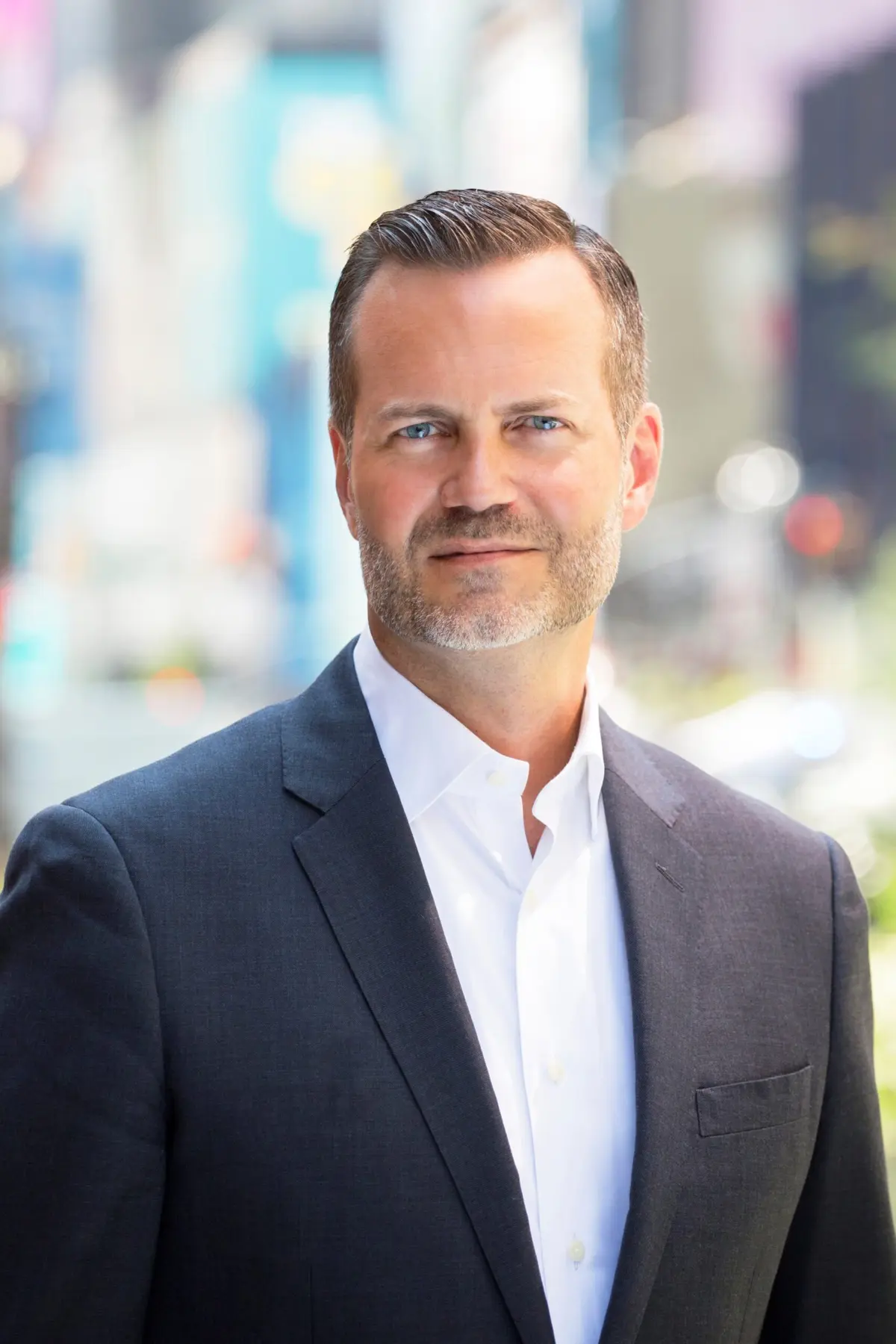
NEW YORK — In what is shaping up to be one of the most high-profile leadership transitions in the history of American destination marketing, Fred Dixon—the newly minted chief executive officer of Brand USA—is locked in advanced, late-stage negotiations to step down from the national organization and reclaim his former post at the helm of NYC Tourism + Conventions.
According to multiple highly placed sources with direct knowledge of the negotiations, the move represents a stunning, rapid-fire reversal for Dixon, who only recently transitioned to the federal tourism promotion agency. The leadership shuffle was catalyzed earlier this summer by a sudden vacancy at New York City’s premier marketing organization following the departure of outgoing CEO Julie Coker.
While final paperwork remains subject to administrative sign-offs, the bureaucratic machinery in New York has moved at lightning speed. Sources confirm that the finance committee of NYC Tourism + Conventions convened for an emergency meeting, greenlighting a lucrative executive compensation package specifically tailored to lure Dixon back to the five boroughs. Shortly thereafter, the full board of directors ratified the formal offer.
“It’s a done deal,” asserted one source close to the negotiations, speaking on the condition of anonymity due to the sensitive nature of the ongoing transition. Another insider underscored the pragmatic reality driving the board’s swift action, noting, “In all likelihood, they didn’t have a choice. They don’t have a candidate pool. This guy is a known quantity. He’s coming from Brand USA. He’s ideal. He ran it before. He knows the players, the stakeholders, and the city inside and out.”
Executive Overview: A High-Stakes Game of Musical Chairs
The unfolding saga at the top echelon of American tourism management highlights a chronic, high-stakes talent drought facing major metropolitan and national destination marketing organizations (DMOs). Leaders possessing the political acumen, international marketing expertise, and institutional memory required to steer multi-million-dollar tourism economies are rare commodities. When a prime vacancy opens, boards of directors are increasingly willing to bypass prolonged, conventional executive searches in favor of trusted, battle-tested veterans.
For New York City, securing Dixon’s return would be a major coup. The city’s tourism sector remains in a critical, multi-year recovery phase, navigating the lingering economic ripple effects of the pandemic, shifting international travel patterns, and volatile domestic consumer confidence. Bringing back a familiar captain who successfully navigated the organization through years of unprecedented growth prior to his departure gives the board an immediate sense of operational stability.
However, Dixon’s potential departure from Brand USA after such a brief tenure raises urgent questions regarding the stability and strategic trajectory of the nation’s official destination marketing organization. Brand USA, tasked with promoting the United States as a premier travel destination to international markets, operates under intense scrutiny from federal lawmakers, industry stakeholders, and foreign partners. A sudden leadership pivot at the very top of the national agency could introduce strategic friction precisely as the U.S. prepares to host a series of high-profile global mega-events.

Detailed Chronology: How the Shakeup Unfolded
The domino effect that triggered this high-stakes executive shuffle began in mid-June, setting off a rapid sequence of events across both coasts and the nation’s capital.
The Visit California Earthquake
The crisis—and opportunity—for New York City’s tourism leadership began when Julie Coker, who had been serving as the president and CEO of NYC Tourism + Conventions, announced her resignation. Coker accepted an offer to cross the country and take over as the CEO of Visit California, one of the most powerful and heavily funded state tourism boards in the world.
Coker’s departure left a gaping leadership vacuum at NYC Tourism + Conventions. Under her tenure, the organization—formerly known as NYC & Company before a major rebranding initiative—had worked aggressively to rebuild international inbound travel and support local small businesses dependent on the hospitality ecosystem. Recognizing that a protracted search for a successor could paralyze the agency during a vital marketing window, the board faced immediate pressure to identify a successor.
The Internal Board Maneuver
Rather than commissioning an expensive, multi-month executive search firm to canvas the globe for candidates, key stakeholders within the NYC Tourism ecosystem quickly zeroed in on familiar territory. Fred Dixon, who had spent decades building his reputation within the New York tourism apparatus—ultimately serving as the face of the city’s global marketing efforts before departing for Brand USA—emerged as the ultimate consensus choice.
On Tuesday, the behind-the-scenes machinations accelerated. The finance committee of NYC Tourism + Conventions held a closed-door session to iron out the financial architecture of an executive package designed to entice Dixon away from his federal post. Following the committee’s endorsement, the full board ratified the offer.
Despite these advanced developments, sources caution that the appointment is not yet formally finalized. Legal teams and human resources departments are currently finalizing the exit terms from Brand USA and the incoming employment contract with NYC Tourism + Conventions. Nevertheless, insiders maintain that the deal’s momentum is all but unstoppable. Coker, meanwhile, remains on the job in New York through August 31, ensuring a nominal transition period—though the shadow of her impending departure, and Dixon’s impending return, looms heavily over the organization’s headquarters.
Supporting Context & Metrics: The Stakes for New York and the Nation
To fully understand the magnitude of Dixon’s impending return, one must examine the economic gravity of the entities involved and the unique trajectory of Dixon’s career within the tourism sector.
The Economic Engine of NYC Tourism
NYC Tourism + Conventions is not merely a promotional agency; it is the primary economic engine for the city’s vast hospitality, dining, arts, and hotel sectors. Prior to the global health crisis, New York City welcomed an all-time record of nearly 67 million visitors annually, generating billions of dollars in direct visitor spending, supporting hundreds of thousands of local jobs, and contributing critically needed tax revenues to municipal coffers.
While the city’s tourism recovery has made steady strides, it continues to grapple with structural headwinds:
- International Inbound Lag: While domestic travel rebounded aggressively, high-value international markets—particularly key feeder markets in Asia—have been slower to return to pre-2019 baseline volumes due to visa processing backlogs and macroeconomic pressures.
- The Business Travel Evolution: The corporate convention and business travel segment has permanently transformed, forcing DMOs to rethink how they market the city to meeting planners and remote-work-era executives.
- Upcoming Mega-Events: New York City is gearing up to play a central host role in the 2026 FIFA World Cup and the celebrations surrounding America’s Semiquincentennial (America250). Navigating these monumental logistical hurdles requires a leader with deep municipal and federal connections.
Dixon’s Institutional Legacy
Fred Dixon is uniquely positioned to address these challenges because he spent decades building them. Before taking the reins at Brand USA, Dixon served as the president and CEO of NYC & Company, where he spent over a decade modernizing the city’s tourism marketing strategy. He successfully guided the organization through monumental shifts, including the post-Hurricane Sandy recovery, the expansion of tourism into the outer boroughs, and the complex logistical challenges of launching the newly rebranded NYC Tourism + Conventions.
His brief departure to Brand USA was heralded as a major victory for the federal agency, as Dixon was widely viewed as a visionary capable of unifying fragmented state and local tourism boards under a cohesive national banner. However, the gravitational pull of New York City—combined with the complex federal bureaucracy governing Brand USA—appears to have created an opening for NYC Tourism’s board to orchestrate a stunning homecoming.
Future Outlook: Navigating the Fallout
As the summer comes to a close and Julie Coker prepares to officially step down on August 31, all eyes are on the Board of Directors of NYC Tourism + Conventions and the leadership apparatus at Brand USA to see how this high-stakes transition formally resolves.
For NYC Tourism + Conventions
If—as insiders assert—Dixon’s return is a “done deal,” the organization will instantly regain a seasoned executive who requires zero onboarding time regarding New York’s political landscape, hotel community, cultural institutions, and municipal leadership. Dixon will walk back through the doors with an intimate understanding of the agency’s internal operations and existing staff.
However, he will also inherit an organization under intense pressure to deliver measurable economic returns. With major global spectacles like the World Cup on the horizon, Dixon will be expected to hit the ground running, launching aggressive global marketing campaigns designed to capture the attention of high-spending travelers worldwide.
For Brand USA
Dixon’s potential departure poses a significant strategic challenge for Brand USA. The federal entity relies heavily on stable, long-term leadership to coordinate international marketing campaigns, manage cooperative advertising partnerships with major travel brands, and navigate congressional oversight. Losing a newly installed CEO so rapidly could raise eyebrows among federal lawmakers and industry stakeholders who look to Brand USA to provide a steady hand for the nation’s multi-billion-dollar travel export industry.
As the final legal and financial terms are inked in the coming days, the tourism industry watches with bated breath. For New York City, the prodigal son appears poised to return, bringing stability to an agency at a critical crossroads. For the broader American travel landscape, the shuffle serves as a stark reminder of the fierce competition for top-tier talent in the post-pandemic tourism economy.