








Executive Overview
Maine’s official moniker, "Vacationland," is far more than a clever tourism board slogan; it is an accurate description of a state defined by maritime majesty, dense pine canopies, sprawling estuarine wetlands, and a thriving, diverse ecosystem. For travelers charting a course through the Pine Tree State, the challenge is rarely finding things to do, but rather deciding what to leave out of an already packed itinerary.
For adventurers seeking a family-friendly outdoor immersion that spans several of the state’s most iconic biomes in a single afternoon, Wolfe’s Neck Woods State Park stands out as an exceptional destination. Situated mere minutes from the bustling coastal hub of Freeport, roughly 30 minutes north of Portland, and just an hour south of Augusta, the park serves as an accessible, richly rewarding day trip from Southern Maine’s major urban centers.
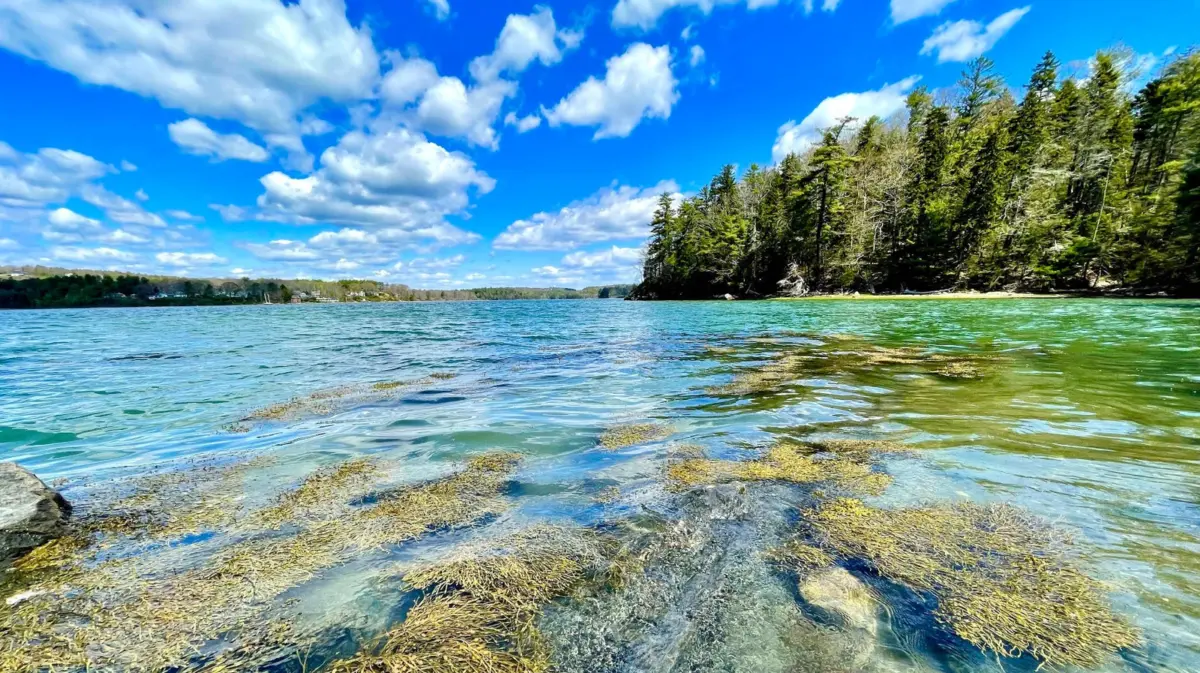
Spanning more than 200 protected acres on a scenic peninsula that jets out between the deep, blue waters of Casco Bay and the winding Harraseeket River, Wolfe’s Neck Woods offers a microcosm of Maine’s natural beauty. Established in 1969 following a generous land donation by a local Freeport couple, the park balances ecological preservation with active outdoor recreation.

Visitors here can traverse towering old-growth white pine and hemlock forests, rest along rugged, seaweed-draped coastlines, and observe migratory shorebirds sweeping across vast salt marshes. Unlike many remote wilderness areas that require arduous treks or specialized gear, Wolfe’s Neck Woods is uniquely accommodating. With modern amenities, stroller-friendly paths, and ADA-accessible routes, it invites visitors of all generations to experience the raw, unadulterated charm of coastal New England without sacrificing comfort.
Detailed Chronology: From Private Woodlands to Public Sanctuary
The story of Wolfe’s Neck Woods State Park is rooted in a tradition of conservation, community stewardship, and progressive land use that transformed private acreage into an invaluable public asset.
The Pre-Colonial and Agricultural Eras
Long before it became a designated state park, the peninsula known as Wolfe’s Neck was utilized by the Wabanaki Confederacy, who harvested the rich marine life of Casco Bay and the Harraseeket River. Following European settlement in the 17th and 18th centuries, the landscape underwent a dramatic transformation. Much of the original forest was cleared to make way for agriculture, grazing pastures, and timber harvesting to support ship-building and local industry in nearby Freeport. Stone walls—hidden remnants of historic farming boundaries—can still be found weaving mysteriously through the park’s modern-day dense timber stands, serving as quiet testaments to the land’s industrious past.
The 1969 Foundation and State Acquisition
As agricultural practices shifted in the mid-20th century, portions of the peninsula began to revert to secondary-growth forests. Recognizing the ecological and aesthetic value of this coastal jewel, a public-minded Freeport couple chose to protect the land from impending commercial development. In 1969, they donated the core acreage to the State of Maine, laying the groundwork for what would officially become Wolfe’s Neck Woods State Park. The state’s Bureau of Parks and Lands immediately recognized the site’s potential to offer low-impact outdoor recreation while preserving vital coastal and estuarine habitats.
Evolution into Modern Conservation and Recreation
Over the subsequent decades, the park evolved from a quiet local woodlot into a premier regional destination. Infrastructure was thoughtfully integrated into the natural landscape. Gravel paths were laid, informational kiosks erected, and accessible facilities constructed to ensure that rising visitor numbers would not compromise the delicate balance of the local ecosystem.
Today, the park operates under a mandate of sustainable management. Park rangers and environmental educators regularly host public programs, ranging from guided bird-watching excursions to specialized seal-watching events, cementing Wolfe’s Neck Woods not just as a place for passive relaxation, but as an active center for environmental learning and community engagement.
Supporting Context & Metrics: Ecosystems, Wildlife, and Infrastructure
To truly appreciate Wolfe’s Neck Woods State Park, one must examine the complex interplay of marine, terrestrial, and avian ecosystems that converge within its boundaries.
Geographical and Ecological Metrics
- Total Land Area: Over 200 contiguous acres of protected coastal woodland and wetland.
- Waterfront Access: Bordered by the tidal estuaries of the Harraseeket River to the west and the expansive marine expanse of Casco Bay to the south and east.
- Forest Composition: Dominated by climax white pines (Pinus strobus), northern red oaks (Quercus rubra), and Eastern hemlocks (Tsuga canadensis), interspersed with glacial erratics—massive boulders left behind by receding Laurentide ice sheets thousands of years ago.
- Intertidal Zone: Features classic rocky New England shores clinging to golden bladderwrack seaweed (Ascophyllum nodosum), exposed mudflats, and nutrient-rich salt marshes that act as nurseries for local marine life.
Terrestrial and Marine Fauna
While the park’s dense forests provide sanctuary for quintessential Maine wildlife such as red squirrels, white-tailed deer, and garter snakes, the marine environment offers equal fascination. Tide pools along the rocky shoreline frequently reveal horseshoe crabs, green crabs, and various species of marine snails.
Harbor seals are regular visitors to the icy offshore waters, often hauling out on nearby ledges to sun themselves. Capitalizing on this, the park periodically organizes guided seal-watching events, allowing visitors to observe these marine mammals safely without causing behavioral disruption.
For anglers, Wolfe’s Neck Woods provides access to both saltwater and freshwater fishing opportunities. The brackish and tidal waters of Casco Bay and the Harraseeket River yield catches of:
- Striped bass (Morone saxatilis)
- Bluefish (Pomatomus saltatrix)
- Atlantic mackerel (Scomber scombrus)
- Winter flounder (Pseudopleuronectes americanus)
Freshwater enthusiasts targeting nearby inland waters or casting from designated shoreline access points frequently encounter smallmouth bass (Micropterus dolomieu) and chain pickerel (Esox niger). Note: All anglers aged 16 and older must comply with Maine Department of Inland Fisheries and Wildlife regulations, with valid resident or non-resident fishing licenses obtainable online.
Avian Diversity and the Osprey Phenomenon
Birdwatchers find an exceptional avian haven within the park’s salt marshes and forest canopy. Species documented by naturalists include:
- Warblers (such as the Yellow-rumped and Black-throated Green Warbler)
- Great blue herons (Ardea herodias)
- Belted kingfishers (Megaceryle alcyon)
- Various thrushes and sandpipers
- Apex raptors, including majestic bald eagles (Haliaeetus leucocephalus)
However, the crown jewel of the park’s avian community is its vibrant population of ospreys (Pandion haliaetus). These migratory fish-hawks arrive during the warm summer months to nest on Googins Island, a densely wooded islet clearly visible from the park’s mainland shorelines.
Visitors equipped with binoculars or telephoto lenses can observe adult ospreys diving for fish in the surrounding bays and tending to their massive stick nests. By early summer, attentive observers can often spot fluffy nestlings peering over the edge. Because ospreys cannot tolerate Maine’s severe winters, they embark on a monumental seasonal migration to South America when the cold sets in, returning each spring to the very same nesting grounds.
Official Statements and Park Operations
Managing a high-traffic coastal park while safeguarding fragile habitats requires a careful operational strategy. Representatives from the Maine Department of Agriculture, Conservation and Forestry (DACF) emphasize that Wolfe’s Neck Woods State Park serves as a critical model for sustainable public land management.
"Our primary objective at Wolfe’s Neck Woods is to foster a deep connection between the public and Maine’s coastal environment while strictly upholding conservation ethics," states a senior park manager. "Every trail improvement, educational program, and visitor amenity is designed with environmental stewardship in mind. We want families to create lifelong memories here, but we also want them to leave the park knowing they have played a part in preserving its natural integrity for the next generation."
Operational guidelines enforced by park authorities include:
- Leave No Trace Principles: Visitors picnicking on the grounds are strictly required to pack out all garbage, food scraps, and waste materials to protect local wildlife from unnatural foraging habits.
- Accessibility Initiatives: Substantial investments have been made to ensure that the White Pines portion of the trail network meets ADA standards, featuring firm, level surfaces accessible to wheelchairs, mobility devices, and families pushing strollers.
- Seasonal Adaptability: While peak visitation occurs between late spring and early autumn, the park remains open year-round. Winter transforms the landscape into a pristine snow-covered playground where maintenance crews groom trails for cross-country skiing and snowshoeing.
Future Outlook: Preservation, Education, and Regional Tourism
As Southern Maine continues to experience population growth and increased tourism demand, the strategic importance of protected green spaces like Wolfe’s Neck Woods State Park cannot be overstated. Looking ahead, park planners and conservationists are focusing on several key initiatives to ensure the sanctuary remains resilient in the face of environmental and demographic shifts.
Climate Resilience and Coastal Protection
Rising sea levels and increasingly severe weather events pose ongoing challenges to Maine’s coastal state parks. Park administrators are actively monitoring shoreline erosion along the Casco Bay and Harraseeket River perimeters. Future infrastructure projects will likely incorporate nature-based solutions, such as living shorelines and salt marsh restoration, to buffer against storm surges while maintaining natural habitat connectivity.
Expanding Environmental Education
Educational outreach remains a cornerstone of the park’s long-term vision. Plans are underway to expand interpretive signage along primary trail loops and enhance partnerships with local schools and environmental organizations. By introducing younger generations to marine biology, forestry, and avian conservation through hands-on ranger-led programs, the park aims to cultivate the next wave of environmental stewards.
Navigating the Lodging and Camping Landscape
While Wolfe’s Neck Woods State Park operates strictly as a day-use facility—meaning overnight camping is not permitted on the property—its integration with the broader regional tourism network remains robust. Visitors wishing to extend their stay in the immediate vicinity can seamlessly transition from a daytime hike in the state park to overnight accommodations at nearby facilities such as Wolfe’s Neck Oceanfront Camping, located just down the road. This symbiotic relationship allows travelers to experience the rugged wilderness of the park by day and sleep under the stars along the Atlantic coast by night.
Ultimately, Wolfe’s Neck Woods State Park represents the very best of what Maine’s "Vacationland" has to offer. By harmoniously blending accessible recreation, rich biodiversity, and uncompromising land preservation, it ensures that the natural splendor of Casco Bay will endure for generations of explorers to come.