







Executive Overview
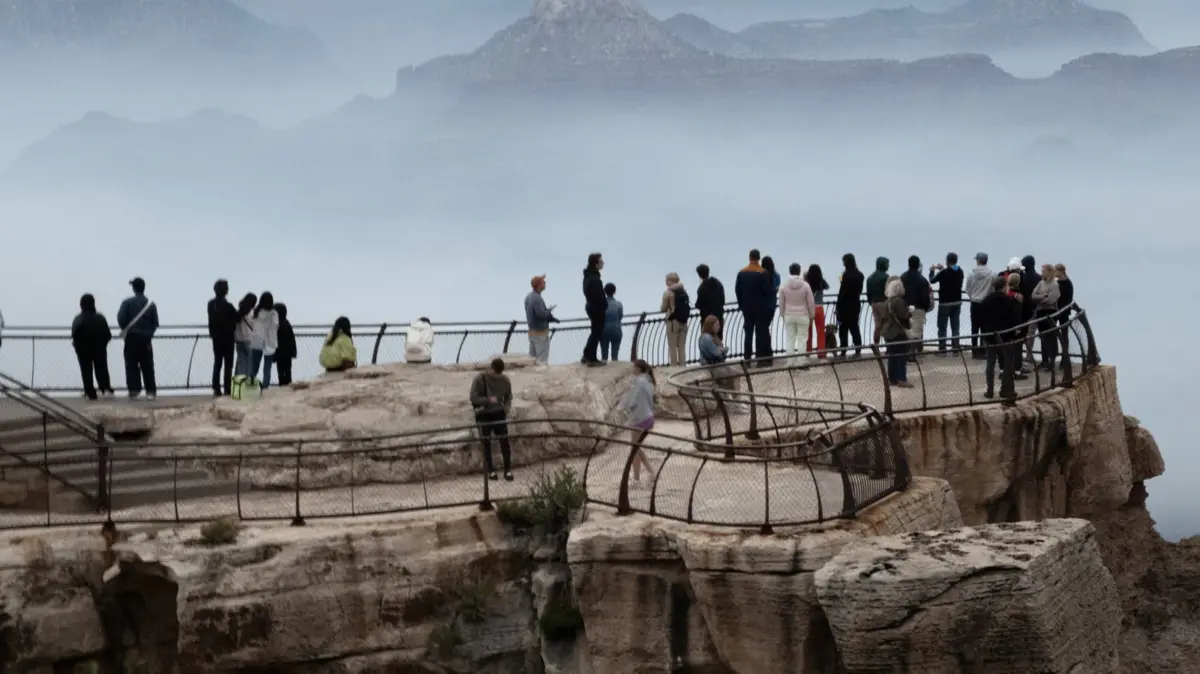
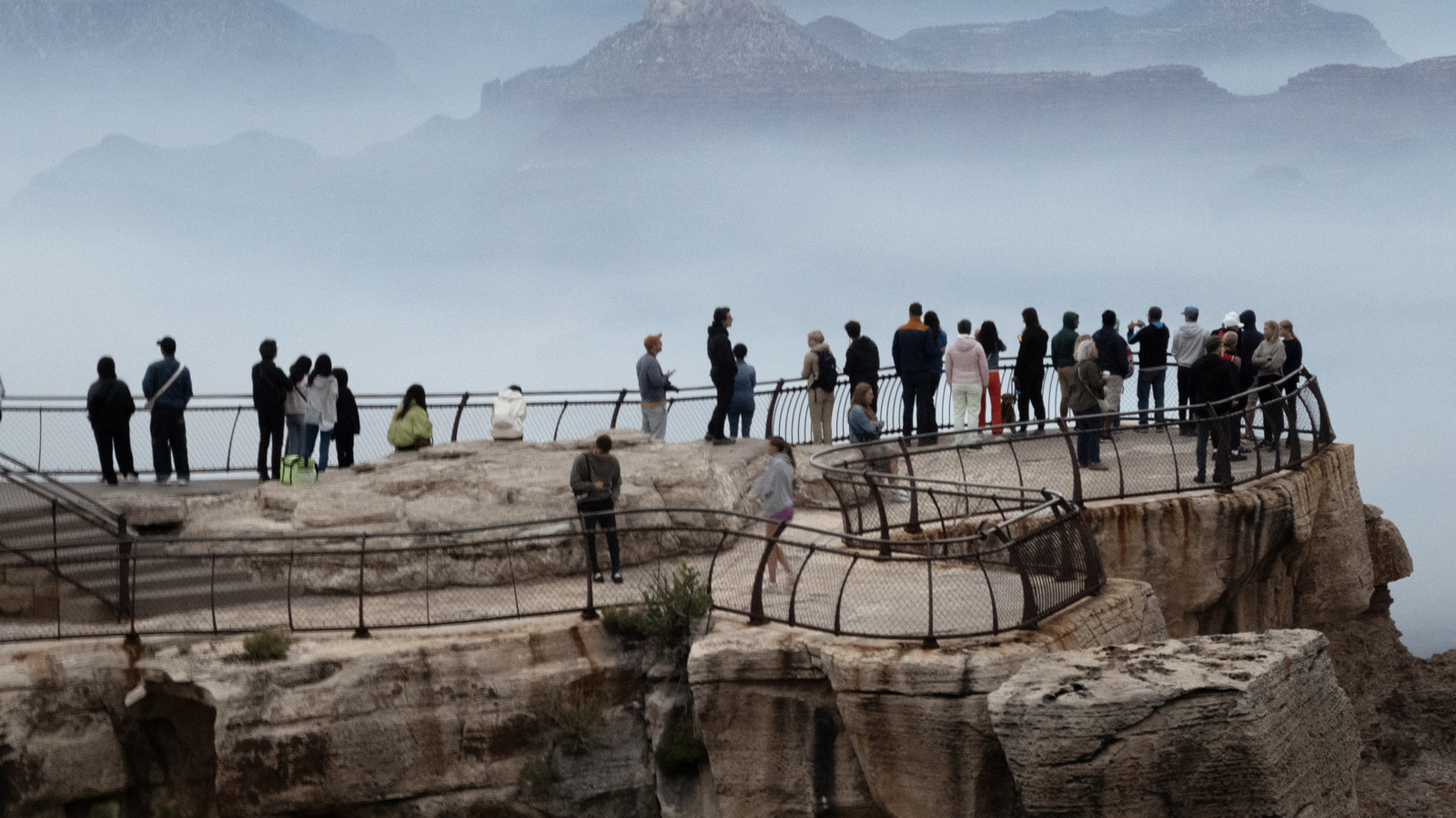
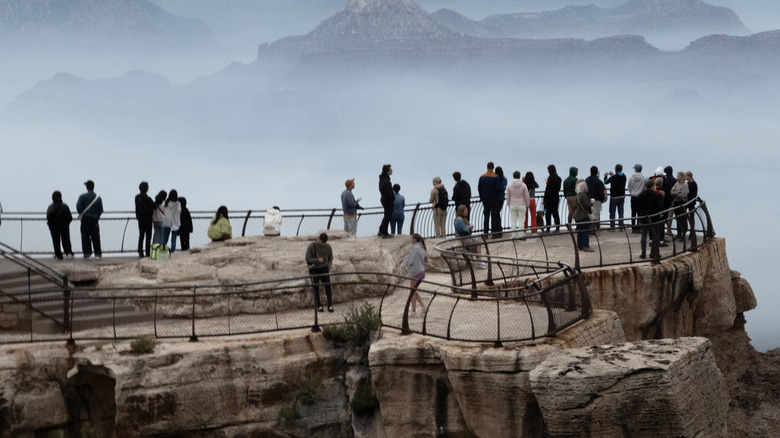
For millions of travelers, a pilgrimage to the Grand Canyon is a rite of passage. They drive to the South Entrance, navigate a labyrinth of congested parking lots, meander past the sprawling Grand Canyon Visitor Center, and finally secure a spot at Mather Point—only to find themselves shoulder-to-shoulder with thousands of fellow tourists. Under the relentless desert sun, surrounded by idling cars and the murmur of endless crowds, a fleeting thought often crosses the mind: Is there anywhere else we could have gone?
While nothing on Earth can truly replicate the monumental scale, geological diversity, and sheer 1,904-square-mile expanse of Arizona’s crown jewel, its fundamental elements—towering cliffs, carved river gorges, hidden waterfalls, and rugged hiking trails—are scattered across unexpected landscapes. Surprisingly, travelers do not need to endure extreme heat, fierce competition for parking, and overwhelming crowds to experience the majesty of canyon country.
The American Midwest, often stereotyped as flat and rolling farmland, harbors a stunning collection of dramatic rock formations, river-carved chasms, and secluded gorges. From the sandstone bluffs of Missouri to the hidden ravines of Illinois, the deeply cut forests of Indiana, and the towering wilderness areas of Michigan’s Upper Peninsula, the region offers a rich array of micro-canyons. These ten underrated destinations deliver the rugged character, geological wonder, and peaceful seclusion that travelers crave, providing a refreshing antidote to the common frustrations of America’s most iconic national parks.

Detailed Chronology: The Geological Genesis of Midwestern Canyons
To understand how the Midwest came to possess its own dramatic canyons, one must look back millions of years. While the Grand Canyon was shaped primarily by the titanic uplift of the Colorado Plateau and the relentless down-cutting of the Colorado River, Midwestern canyons tell a different, equally fascinating geological story driven by ancient seas, glacial activity, and persistent water erosion.
Ancient Seas and Sedimentary Foundations
Hundreds of millions of years ago, much of the Midwestern United States lay submerged beneath shallow inland seas. Over eons, layers of sand, silt, marine fossils, and shells accumulated on the ocean floor, eventually compacting under immense pressure to form thick strata of sedimentary rock. In areas like Missouri and Indiana, quartz-rich sands solidified into durable sandstones such as the St. Peter Sandstone, while other regions developed extensive deposits of limestone and dolomite.
The Sculpting Power of Ice
The most dramatic shaping of Midwestern topography, however, occurred during the Pleistocene Epoch, commonly known as the Ice Age. Massive continental ice sheets advanced southward from Canada, scraping across the landscape, altering drainage patterns, and depositing rich till. As these colossal glaciers retreated roughly 10,000 to 12,000 years ago, they unleashed torrents of meltwater.
These cataclysmic floods carved deep scars into the relatively flat terrain, fracturing weak points in the sedimentary rock layers. Rivers and streams—fed by glacial runoff—rapidly cut downward through soft sandstone and limestone, creating steep-walled gorges, box canyons, and intricate ravine systems.
Modern Erosion and Natural Reclamation
Over the millennia following the retreat of the glaciers, weathering, groundwater seepage, and surface runoff continued to shape these geologic features. Mosses, ferns, and dense temperate forests colonized the cool, shaded microclimates of the newly formed gorges. Today, rivers like the Apple River in Illinois, the Rock River in Michigan, and Sugar Creek in Indiana continue this ancient work, slowly eroding the rock walls and maintaining the dynamic, rugged ecosystems that hikers explore today.
Supporting Context & Metrics: The Human and Environmental Footprint
While national parks like the Grand Canyon regularly log close to five million visitors annually, leading to severe ecological strain and visitor management challenges, Midwestern state parks and wilderness areas offer a different dynamic. However, popularity is shifting as travelers increasingly seek out lesser-known escapes.
Visitor Demographics and Congestion Metrics
- Grand Canyon National Park: Regularly exceeds 4.5 to 5 million annual visitors, with peak congestion concentrated heavily at South Rim viewpoints like Mather Point during the summer months.
- Starved Rock State Park (Illinois): Emerging as a regional powerhouse, this park routinely attracts over 2 million visitors annually, landing it among the most popular state parks in the United States according to recent mapping and tourism metrics.
- Turkey Run State Park (Indiana): Welcomes upwards of 800,000 annual visitors who traverse its rugged suspension bridges and sandstone ravines.
- Secluded Alternatives: Locations such as Hickory Canyons Natural Area (Missouri), Sturgeon River Gorge Wilderness (Michigan), and Pickle Springs Natural Area (Missouri) experience significantly lower foot traffic, offering true solitude where visitors may hike for hours without encountering another soul.
Ecological Diversity
Unlike the arid desert environment of the Grand Canyon, Midwestern canyons thrive in humid continental climates. This climate supports dense hardwood and pine forests, seasonal waterfalls fed by spring rains and snowmelt, and delicate understory plant communities including wild azaleas, ferns, and rare wildflowers.
The Ten Underrated Midwest Canyon Alternatives
1. Hickory Canyons Natural Area, Missouri
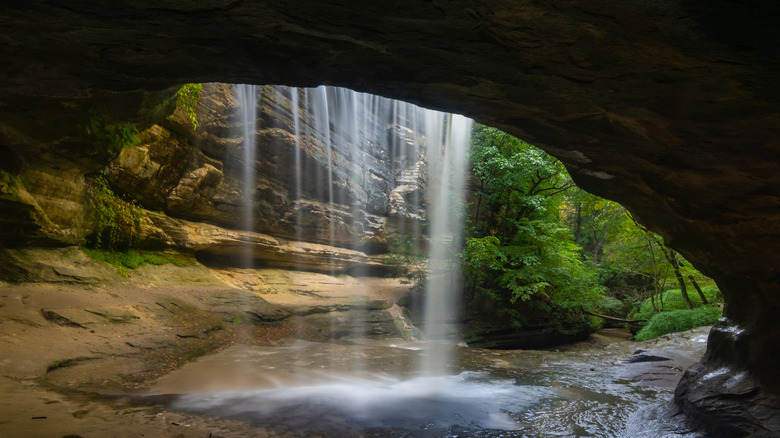
For travelers seeking a direct geographic and aesthetic parallel to the Grand Canyon on a localized scale, the 1,100-acre Hickory Canyons Natural Area in eastern Missouri is an exceptional choice. Comprising sheer sandstone cliffs and intimate box canyons, the area punches well above its weight class in character. Following periods of heavy rainfall, a striking 40-foot waterfall cascades into one of the canyons, providing a dramatic focal point. Birdwatchers frequently spot woodpeckers fluttering through the canopy, while bobcats roam the surrounding forest floor, which hosts a rich mix of oaks, sugar maples, and wild azaleas.
2. Apple River Canyon State Park, Illinois
Located just an hour west of Rockford, Apple River Canyon State Park spans 1,907 acres of tranquil, bucolic landscape. Centuries of water flow from the Apple River have steadily eroded the local limestone, carving out bluffs, springs, streams, and ravines. The park’s waters are renowned for trout fishing, while its quiet trail network offers a peaceful retreat. Famed for its lack of heavy crowds, it serves as a quintessential sleeper pick for a quiet weekend getaway.
3. Shades State Park, Indiana
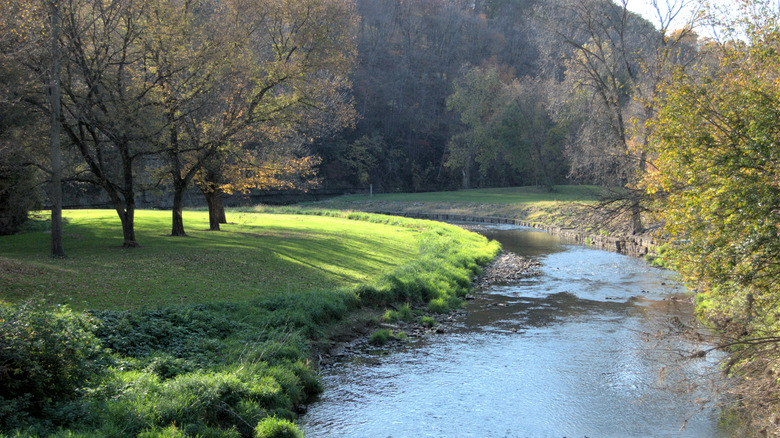
Positioned roughly an hour west of Indianapolis, the 3,000-acre Shades State Park caters to hikers looking for an immersive, rugged wilderness experience. The park is famous for its Six Ravine Hiking Challenge, a rigorous trail system featuring ladders, exposed tree roots, cascading streams, and towering cliff walls. Visitors can spend hours navigating the deep ravines, taking in the dramatic vertical topography that mirrors the adventurous spirit of larger western canyons without the associated tourist congestion.
4. Sturgeon River Gorge Wilderness, Michigan
Breaking away from the smaller, more intimate grottoes, Michigan’s Sturgeon River Gorge Wilderness brings serious scale to the table. Located within the Ottawa National Forest in the Upper Peninsula, this 16,700-acre wilderness area features a 300-foot-deep gorge that stretches up to a mile wide in places. Rushing water churns through the dramatic valley below, framed by thick pine and hemlock forests, cascading waterfalls, and sweeping vistas from the gorge’s edge. Its remote location ensures absolute tranquility for those willing to make the journey.
5. Starved Rock State Park, Illinois
Situated 90 minutes southwest of Chicago, Starved Rock State Park is a premier Midwestern destination renowned for its 13 miles of marked trails, towering sandstone bluffs rising 100 feet above the Illinois River, and vibrant seasonal wildflowers. While its immense popularity—drawing over two million visitors annually—means visitors rarely have the trails entirely to themselves, ongoing extensive park trail renovations are designed to improve visitor flow and open up fresh pathways for exploration.
6. Rock River Canyon Wilderness, Michigan
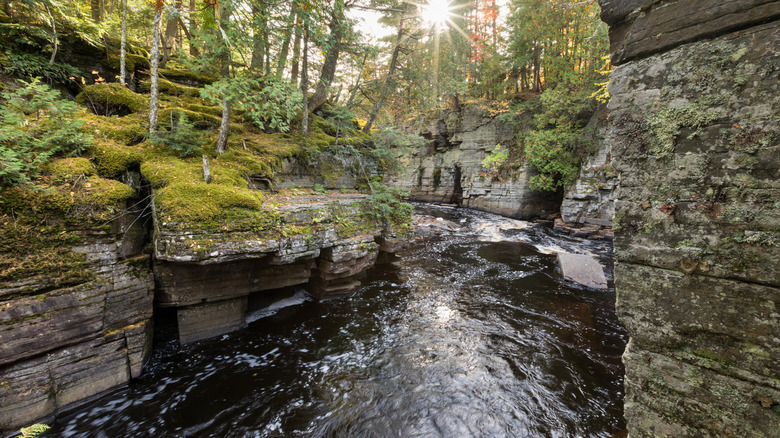
Another gem of Michigan’s Upper Peninsula, the Rock River Canyon Wilderness spans 4,700 acres between Marquette and Munising. True to its name, the area features a striking combination of a rushing river, exposed rock, and deep wilderness. The Rock River and Silver Creek plunge down a 150-foot tear in the Earth’s surface, creating dual canyons complete with seasonal waterfalls and winter ice caves. Reaching the interior requires a true wilderness trek, making the destination an adventure in its own right.
7. Turkey Run State Park, Indiana
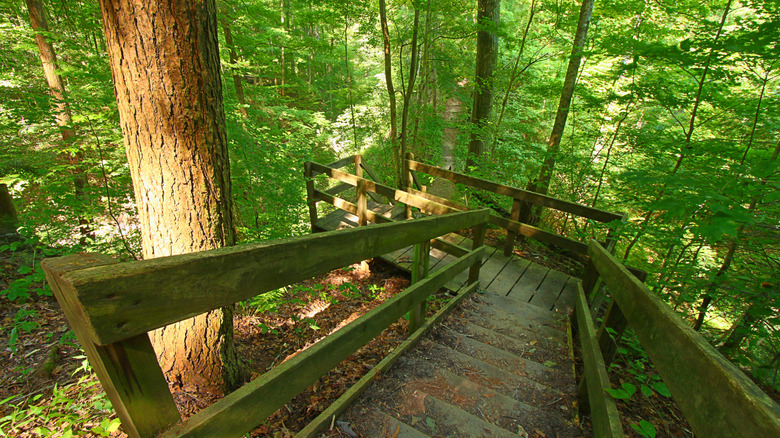
Indiana’s Turkey Run State Park is celebrated as one of the state’s premier natural wonders. Drawing over 800,000 visitors annually, the park features 11 distinct hiking trails ranging from easy strolls to highly rugged routes. Hikers traverse sandstone ravines, cross an iconic suspension bridge suspended high above Sugar Creek, and catch glimpses of abandoned historic coal mines, offering an adventure-packed landscape rich in both natural beauty and local history.
8. Pickle Springs Natural Area, Missouri
For a condensed, highly accessible version of canyon country, Missouri’s 171-acre Pickle Springs Natural Area delivers immense geological wonder less than 90 minutes south of St. Louis. The area is famous for its intricate sandstone formations, wet-weather waterfalls, and unique box canyons. Visitors can experience the highlights via the Trail Through Time, a carefully curated loop that showcases the area’s most striking rock arches, overhangs, and diverse plant life.
9. Hawn State Park, Missouri
Located roughly 70 minutes south of St. Louis, Hawn State Park covers nearly 5,000 acres and is widely regarded as one of the most visually stunning parks in Missouri. It features classic canyon topography, including exposed sandstone cliffs, crystal-clear creeks, and tumbling waterfalls. The park’s Whispering Pine Wild Area is heavily forested with mature pines and oaks, offering a serene, crowd-free sanctuary for hikers, campers, and amateur geologists alike.
10. Little Grand Canyon Trail, Illinois
For travelers who want a canyon experience that embraces its inspiration directly, Illinois’ Little Grand Canyon Trail within the Shawnee National Forest offers a breathtaking encounter. Located near the state’s southern border with Missouri, the 3-mile trail is rated moderate-to-difficult, featuring steep, strenuous sections that lead hikers from high overlooks down to the floor of a dramatic 300-foot-deep canyon. Between spring and autumn, the surrounding vegetation erupts into vibrant seasonal color, framing the towering sandstone bluffs from both top and bottom.
Official Statements & Expert Perspectives
Regional conservationists and state park officials have noted a steady shift in tourism patterns over recent years, with travelers increasingly prioritizing sustainable, uncrowded outdoor recreation over traditional marquee destinations.
"While iconic western parks like the Grand Canyon hold an irreplaceable place in American heritage, the sheer volume of modern visitation has prompted travelers to look inward toward regional ecosystems," notes a regional park planning consultant. "Midwestern state parks and natural areas provide vital geological education and outdoor recreation without compromising the fragile ecosystems that make these gorges unique."
State forestry divisions and departments of natural resources have similarly emphasized infrastructure investments. Initiatives in parks like Starved Rock and Turkey Run focus on balancing high visitor demand with rigorous trail maintenance, ensuring that delicate sandstone formations and sensitive riparian habitats remain protected for future generations of hikers.
Future Outlook: Sustainable Exploration of America’s Hidden Gorges
As travel trends continue to evolve through the mid-2020s, the appeal of "slow travel" and domestic road trips to underrated natural landmarks is projected to grow. Visitors are increasingly rejecting the logistical stress, permit lotteries, and overcrowding associated with premier national parks, opting instead to discover the quiet majesty of local state parks, national forests, and state natural areas.
The ten Midwestern canyon alternatives profiled here demonstrate that extraordinary geology is not restricted to the American Southwest. By spreading tourism across a wider geographic footprint, travelers not only escape the gridlock of famous viewpoints but also actively support regional conservation efforts in lesser-known ecological zones. Whether planning a rigorous multi-hour ravine challenge in Indiana, photographing a hidden waterfall in Missouri, or tracing the ancient riverbeds of Illinois and Michigan, the Midwest stands ready to redefine what canyon country looks like.