










Executive Overview
For nearly eight decades, a masterclass in woodworking design sat dormant in the pages of Canadian industrial history, seemingly lost to time. Invented and patented in 1879 by John Stephenson and later popularized by the storied Peterborough Canoe Company, the legendary "cedar rib" canoe represented the absolute zenith of North American watercraft craftsmanship. It was also, by all accounts, a masterwork of manufacturing torture.
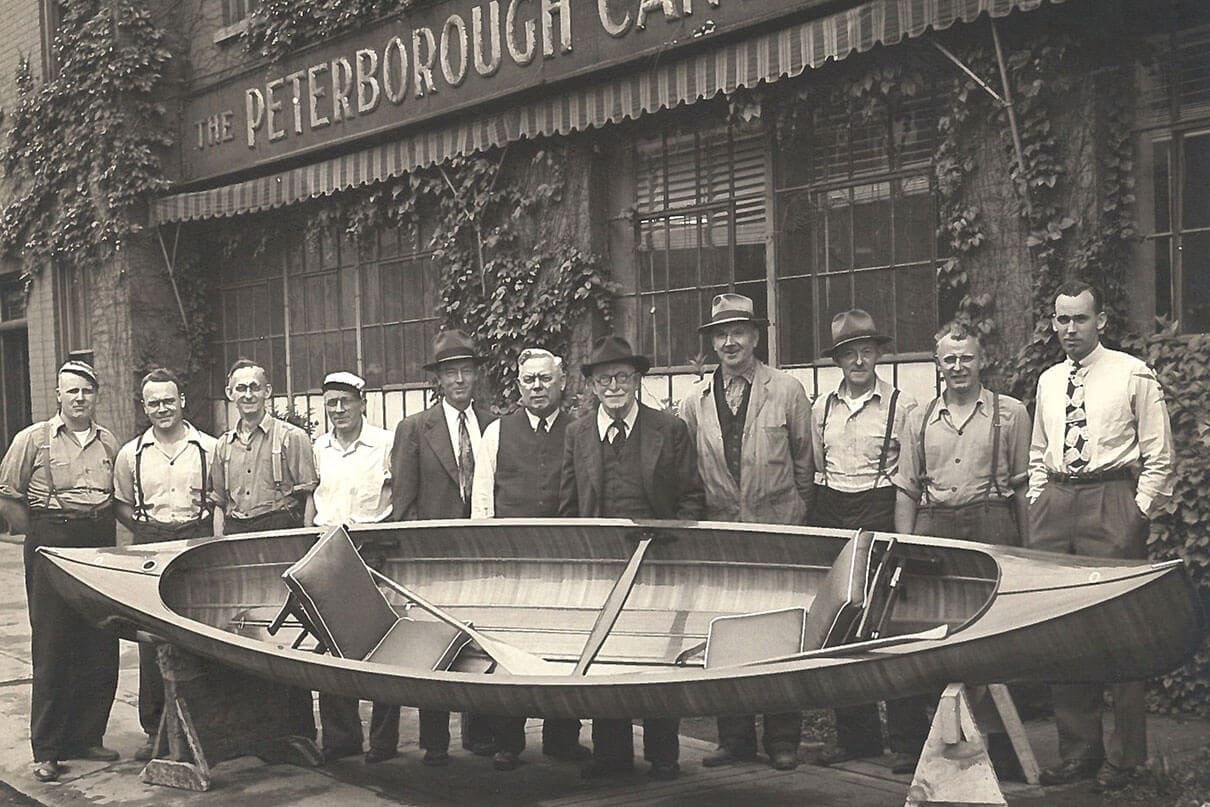
The story of this craft reached its formal end in 1948, when the Peterborough Canoe Company pulled two elderly craftsmen out of retirement to construct a final cedar rib canoe as an official wedding present for Queen Elizabeth II. Upon completion of that royal vessel, the workers intentionally destroyed the building forms, jigs, and proprietary patterns, ensuring that no one would ever have to endure the grueling construction process again. For nearly eighty years, the craft remained a ghost—until now.
In November, after a 35-year obsession, master woodworker Reid McLachlan successfully launched a newly constructed cedar rib canoe into the chilly waters of the Gatineau River in Chelsea, Quebec. Working without blueprints, modern glues, or digital aids, McLachlan cracked a code that generations of modern woodworkers had deemed unbreakable. This feature explores the meticulous archaeology, the grueling physical labor, and the high-stakes craftsmanship required to revive a lost maritime art.

Detailed Chronology: A 35-Year Obsession
The Spark (1985)
The journey began not in a high-tech workshop, but with a decrepit flowerpot. In 1985, Reid McLachlan—then a young man dating Becky Mason, daughter of legendary canoeist and filmmaker Bill Mason—first laid eyes upon a disintegrating cedar rib hull that Bill had rescued and attempted to salvage.
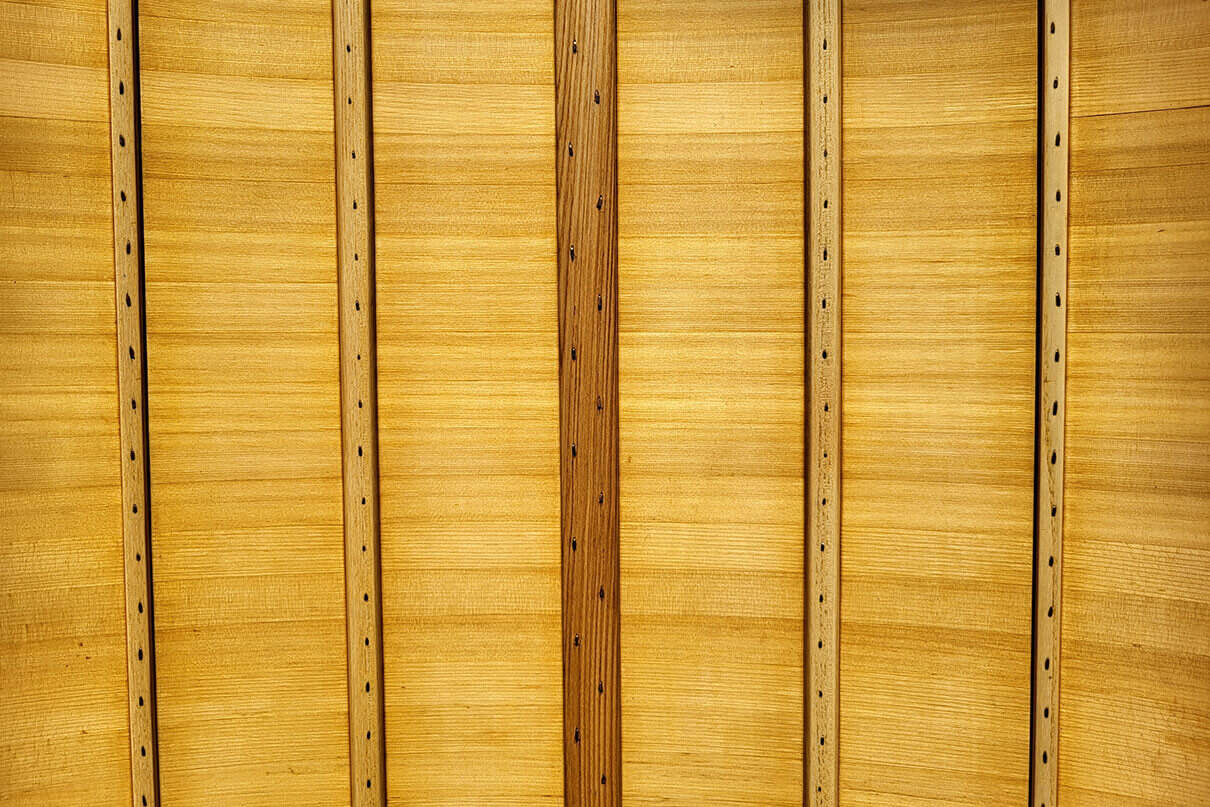
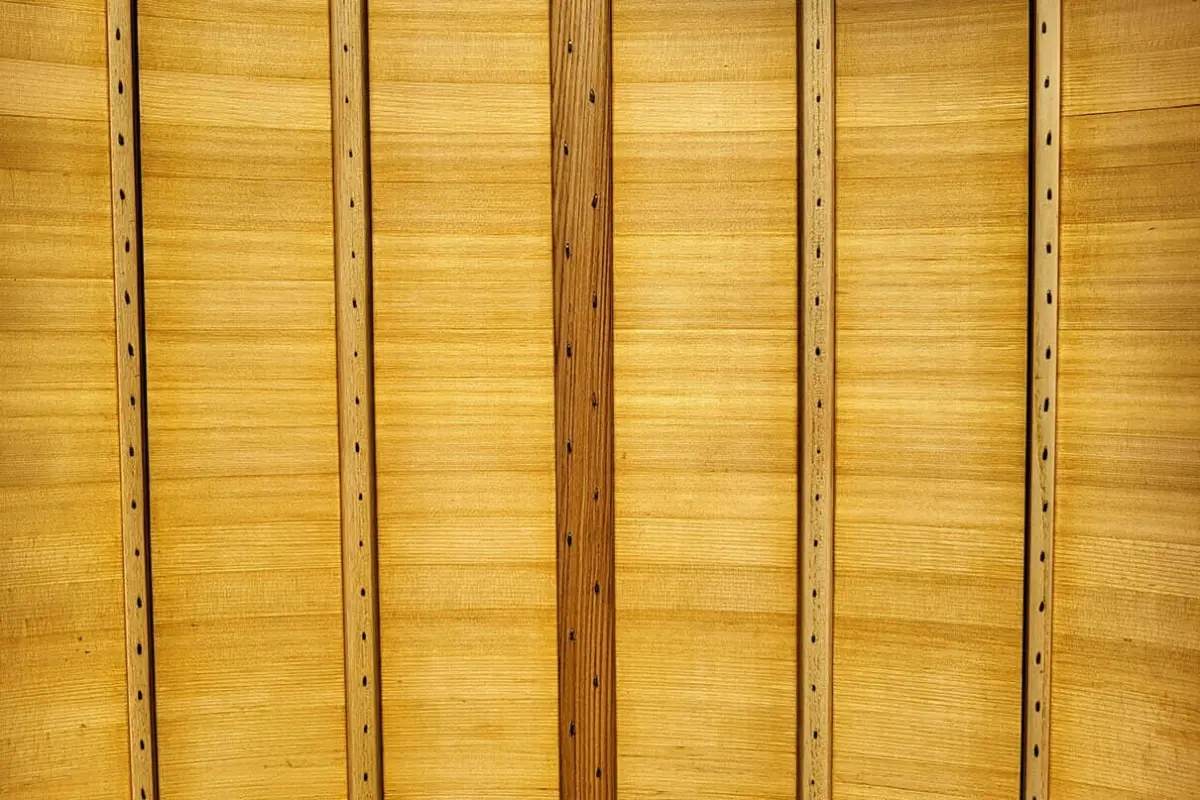
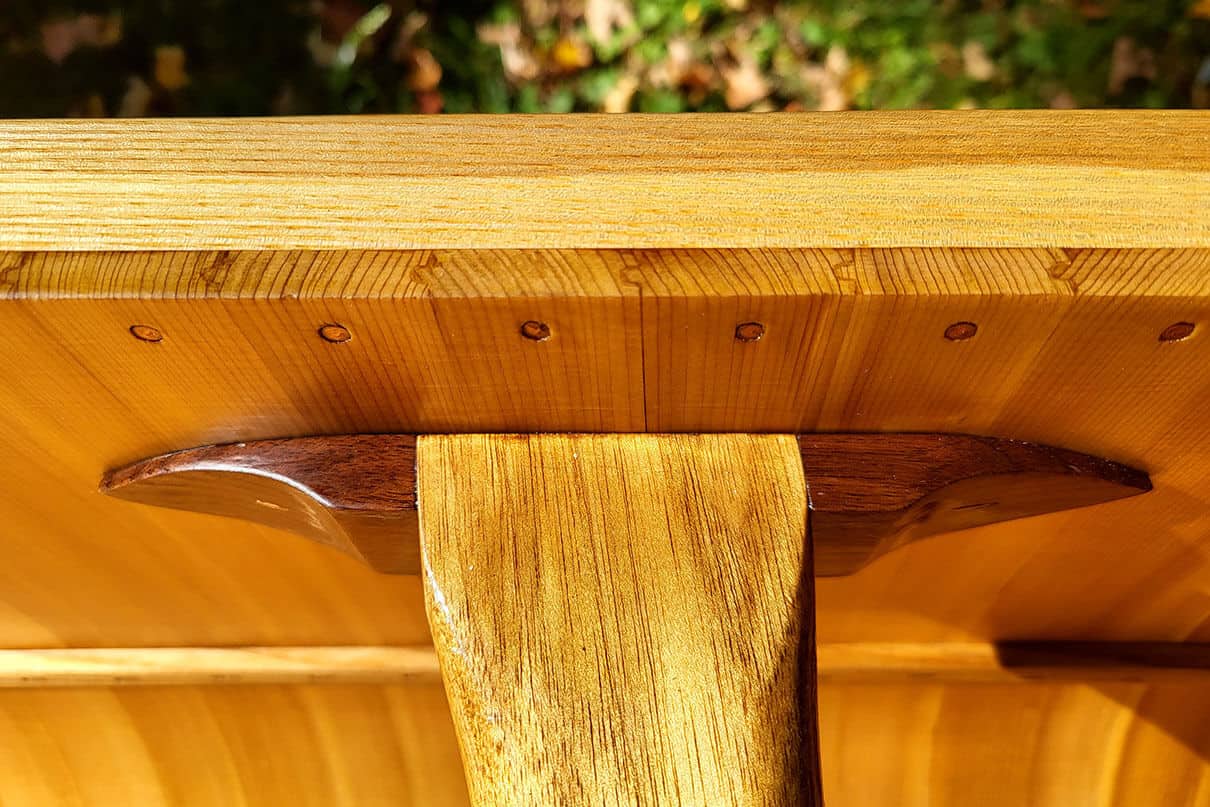
While Becky worried that her boyfriend was more infatuated with the waterlogged wood than with her, McLachlan was completely transfixed. The boat’s defining feature: tightly interlocking, quarter-inch-thick, tongue-and-groove cedar ribs that locked together without a single drop of glue.
"One day, I’ll build one," McLachlan told friends. At the time, everyone—including Becky—thought he was joking.
The Decades of Detective Work (1985–2020)
For the next thirty-five years, that idle boast evolved into a consuming passion. Because the Peterborough Canoe Company workers had smashed their forms in 1948, no comprehensive blueprints or operational manuals for cedar rib construction survived. McLachlan was forced to rely on scattered patents, fragmented oral histories, and physical inspection of surviving artifacts tucked away in museums and private collections across the United Kingdom, Europe, and Canada.

As part of his preliminary research, McLachlan even sought out former Peterborough Canoe Company foreman and veteran builder Walter Walker. When McLachlan laid out his ambitions, Walker’s eyes widened. "Well, that is a tricky business," the veteran craftsman warned—words of wisdom and caution born of three-quarters of a century of hard-earned experience.
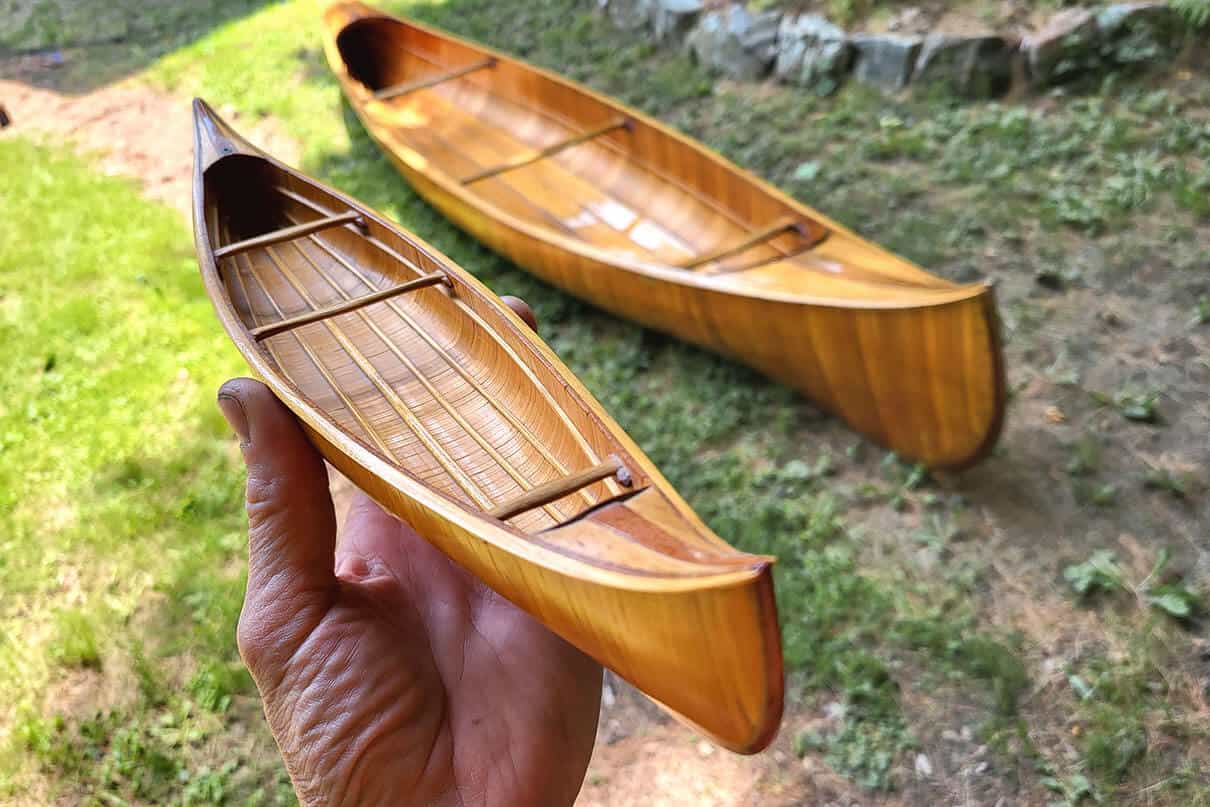
Before attempting the master build, McLachlan laid down an extensive apprenticeship. He first dismantled Bill Mason’s beyond-repair antique canoe, ultimately forced to fiberglass it as an act of preservation. He then constructed a meticulous scale model to test the geometry. Finally, he scoured the vintage market until he secured a pristine, 120-year-old cedar rib hull—a living textbook that he could measure, analyze, and replicate.
The Build: A Year of Tension (2020–2023)
With a verified antique hull to take lines from, McLachlan spent three months meticulously building a custom master form—a task he had never previously attempted. Funded in part by a grant from the Wooden Canoe Heritage Association, he acquired custom-made router bits to mill the intricate tongue-and-groove profiles into raw cedar strips.
Next came the skeleton: an ash keelson, stringers, and interior stems fitted precisely to the form. Though McLachlan was already a veteran craftsman who had professionally restored nearly 200 traditional cedar-canvas canoes over his career—making steam-bending second nature—the stakes felt entirely different this time.
The building process pushed physical and psychological limits:
- The Ribs: 180 individual tongue-and-groove cedar ribs.
- The Technique: McLachlan would steam-bend ten ribs at a time, let them dry in place for a week, and then ratchet them under immense tension before nailing them through the keelson and stringers into the form.
- The Fasteners: 1,500 copper nails and 360 brass screws.
- The Philosophy: Adhering strictly to traditional methodologies, the hull was built entirely without glue. The only things standing between the paddler and the water were the precision-milled wood and multiple coats of marine spar varnish.
Working entirely solo, McLachlan constantly questioned whether his skills were up to the monumental challenge. When he finally unlatched and pried the finished hull off the form, looking into the raw interior for the very first time, he was moved to tears.
Yet, the shell was only half the battle. Weeks of exacting finishing work followed: drubbing and clinching nails; bending and installing the outer stems, gunwales, and custom-fabricated brass hardware; followed by endless hours of painstaking sanding and varnishing.
Supporting Context & Metrics
To understand why the cedar rib canoe was abandoned by commercial manufacturers, one must look at the immense labor-to-cost ratio involved. Historically, these watercraft were the most expensive models in the Peterborough Canoe Company catalog.
| Metric / Specification | Historical Data / Modern Replication |
|---|---|
| Year of Patent | 1879 (John Stephenson) |
| Final Commercial Build | 1948 (Royal Wedding Gift for Queen Elizabeth II) |
| Hiatus Duration | 77 Years |
| Total Rib Count | 180 Tongue-and-Groove Cedar Ribs |
| Fastener Breakdown | 1,500 Copper Nails, 360 Brass Screws |
| Adhesives Used | None (Traditional Dry-Fit Woodworking) |
| Hull Thickness | 1/4-inch cedar |
| Primary Wood Species | Northern White Cedar, Ash, Brass, Copper |
The construction was so notoriously punishing on workers that oral history suggests a "mysterious flu" would routinely sweep through the Peterborough shop floor whenever a new order for a cedar rib canoe was placed, driving employees to call in sick to avoid the punishing joinery work.
Official Statements & Reflections
Reflecting on the historic moment, project chronicler and paddling authority Becky Mason highlighted the sheer improbability of the feat:
"For the first time in 77 years, a new cedar rib canoe is launched. All that keeps the paddler dry are the 1/4-inch-thick tongue-and-groove ribs and coats of spar varnish. When Reid pried the hull off the form and finally saw the inside of the canoe, he was moved to tears. He’d done it!"
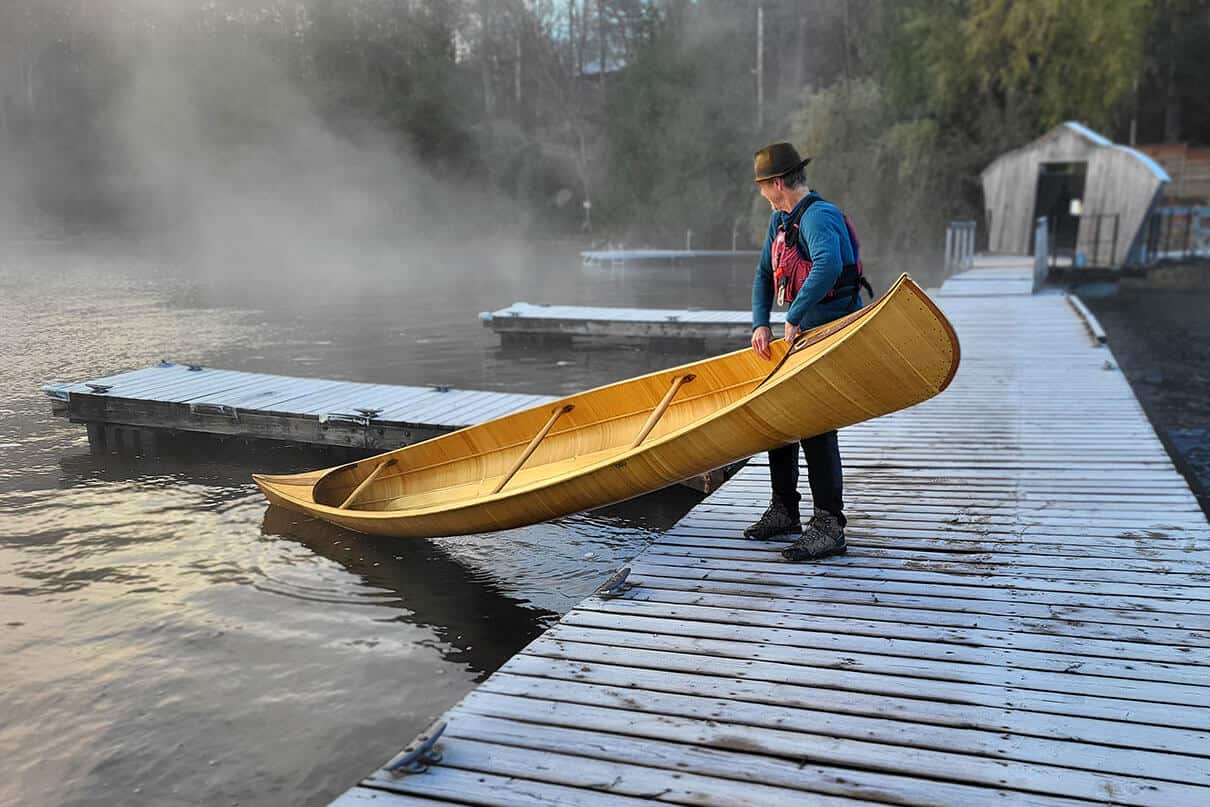
On a frosty late-November morning, McLachlan loaded the finished watercraft, walked the 300 meters from his Chelsea workshop down to the banks of the Gatineau River, and pushed off.
The water met the gunwales, the hull found its buoyancy, and to the builder’s profound relief, not a single drop of water leaked inside. A 77-year-old industrial mystery had officially been laid to rest, and a masterwork of Canadian heritage was reborn.
Future Outlook
With the maiden voyage successfully completed, the burning question in the wooden boatbuilding community is whether this project was a one-time bucket-list achievement or the dawn of a renaissance for ultra-traditional craftsmanship.
Reid McLachlan, balancing his life as an artist, paddler, and occasional canoe instructor in Chelsea, Quebec, is reportedly offering 5/1 odds that he will step back into the workshop to build another. However, given the staggering expenditure of time, physical endurance, and mental stamina required to pull off a project of this magnitude, any future builds will likely remain museum-grade masterpieces rather than commercial ventures.
For now, the ghost of the Peterborough Canoe Company has been safely escorted back into the light, proving that with enough patience, historical reverence, and stubborn determination, even the most elusive skills of the past can be brought roaring back to life.