









Executive Overview
With global light pollution advancing at an alarming rate—encroaching upon nocturnal ecosystems and obscuring the celestial canopy by roughly 10% annually—truly dark night skies are rapidly becoming an endangered natural resource. For decades, astro-tourists seeking unblemished vistas of the cosmos have gravitated toward the conventional strongholds of the American Southwest and the Pacific Coast, flocking to the arid deserts of California, Arizona, and Texas.
However, a comprehensive study conducted by Live Casinos and highlighted by prominent data analysts has upended traditional travel assumptions. The research reveals that the absolute finest state in America for stargazing is not found in the sun-drenched expanses of the Southwest, but rather in the quiet, wide-open expanses of the American Midwest.
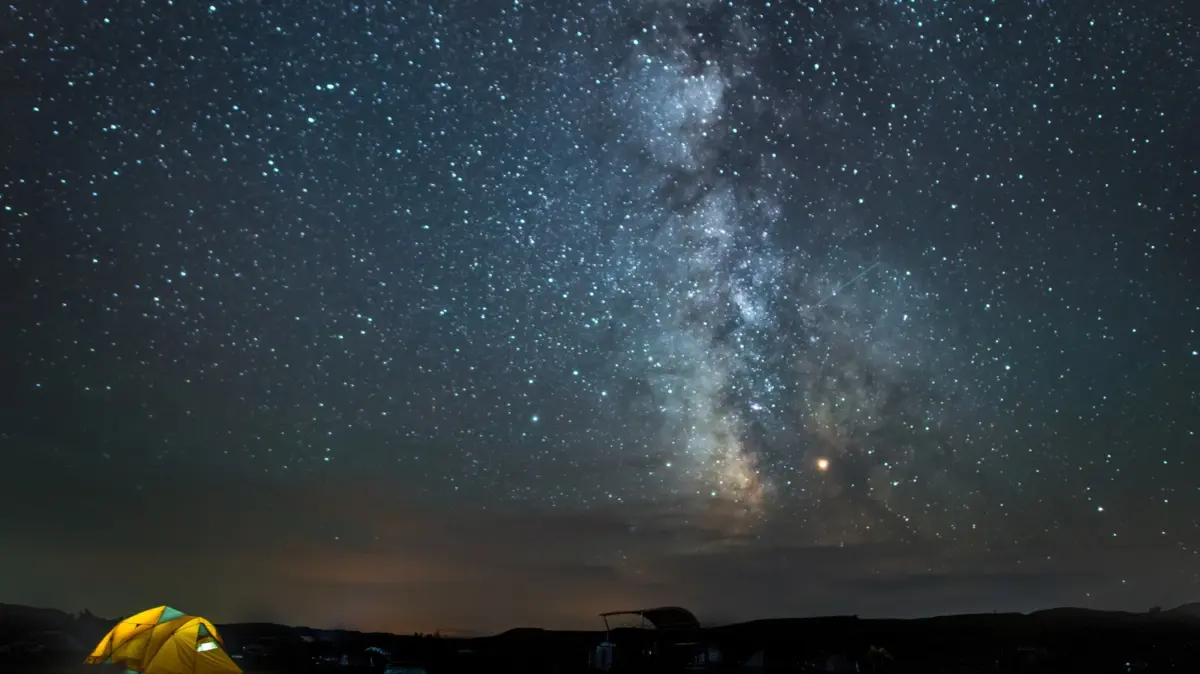
South Dakota—long celebrated for its rugged topography, iconic monuments, and expansive prairies—has claimed the crown as the United States’ premier stargazing destination. Scoring an extraordinary 7.79 out of 10 on a composite star-visibility index, the state outperforms renowned dark-sky heavyweights like Wyoming, Alaska, Montana, and Arizona. Powered by an exceptionally low population density, minimal industrial light footprints, and an average annual cloud cover of just 11.65%, South Dakota offers astronomical enthusiasts an unparalleled canvas of the night sky, transforming the state into the definitive capital for naked-eye astronomy and astrophotography.

Detailed Chronology & Methodology: How the Rankings Were Forged
The revelation that South Dakota stands at the apex of American stargazing was not derived from subjective travel reviews or aesthetic preference, but rather through a rigorous, multi-variable analytical framework. The study evaluated all fifty U.S. states using two primary quantitative metrics: average regional cloud cover percentages and the Bortle Dark-Sky Scale ratings.
The Metrics of the Night
To understand why South Dakota emerged victorious, one must examine the evaluation criteria:
- Average Cloud Cover: Cloud cover is the ultimate enemy of the astronomer. Even the darkest skies on the planet are rendered invisible under an overcast canopy. South Dakota’s climate profile yields a remarkably low average cloud cover of only 11.65%, ensuring high atmospheric transparency for the majority of the year.
- The Bortle Scale: Created by amateur astronomer John E. Bortle in 2001, this nine-level numeric scale measures the night sky’s brightness, the observability of celestial objects, and the interference of artificial light. Class 1 represents the ultimate dark sky available on Earth—pristine and untouched by civilization—while Class 9 signifies inner-city urban light pollution.
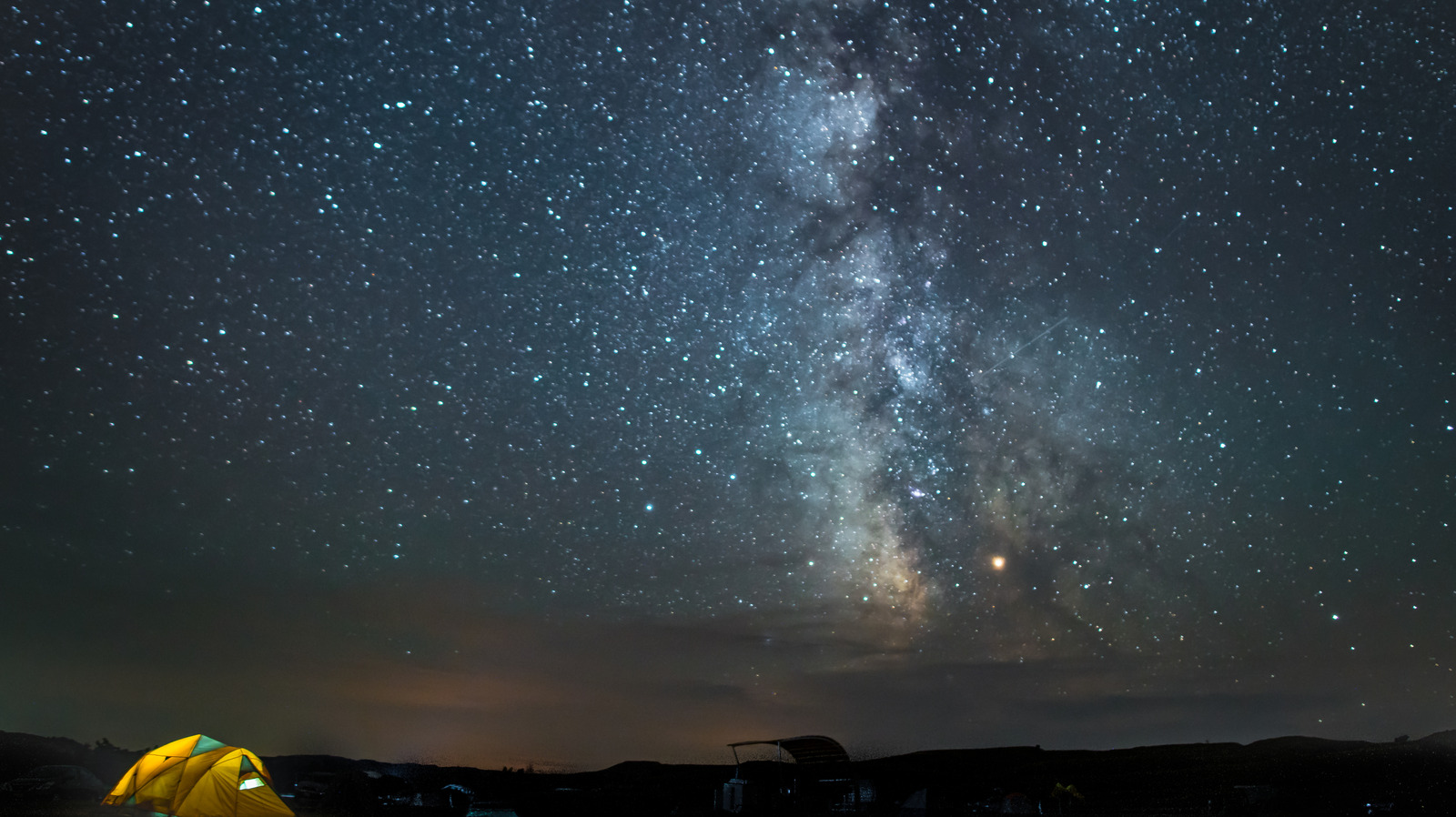
Through these combined assessments, researchers discovered that more than half of South Dakota’s total geographic area falls squarely within the pristine parameters of Bortle Scale 1 to 3. This means that across vast swaths of the state, casual observers and seasoned researchers alike can witness the luminous arcs of the Milky Way, distant comets, and meteor showers with startling clarity, completely unhindered by ambient city glare.
Supporting Context & Metrics: The Top Five Dark-Sky States
While South Dakota claimed the top position with its stellar 7.79 visibility score, the broader rankings underline the shifting geography of dark-sky tourism. The top five states for stargazing in America are delineated by specific environmental and demographic factors:

| Rank | State | Visibility Score (Out of 10) | Defining Characteristics |
|---|---|---|---|
| 1 | South Dakota | 7.79 | Low population density, 11.65% average cloud cover, vast Bortle 1-3 zones. |
| 2 | Wyoming | 7.65 | Expansive high-elevation wilderness, deep national park protections. |
| 3 | Alaska | 7.64 | Extreme northern latitude, minimal light footprints, phenomenal aurora potential. |
| 4 | Montana | 7.51 | Rugged mountain ranges, remote valleys, exceptionally clear continental air. |
| 5 | Arizona | 7.37 | Established dark-sky ordinances, arid desert air, renowned research observatories. |
The dominance of northern plains and mountain states underscores a broader trend: as light pollution saturates coastal corridors and metropolitan centers, the American interior remains the last true sanctuary for the nocturnal environment.
Prime Astronomical Hotspots Across South Dakota
For travelers eager to experience South Dakota’s top-ranked night skies firsthand, the state offers a diverse array of geographical micro-climates, ranging from dense pine forests to wind-swept badlands and serene river valleys.
1. Sanborn County: The East-Central Haven
While much of the state’s rugged topography lies in the west, eastern South Dakota holds hidden treasures for the star-seeker. According to regional data, Sanborn County in the east-central region achieved the highest individual stellar-visibility score of any county in the state, clocking in at an impressive 8.78. Situated an easy evening drive from Sioux Falls—home to the state’s largest commercial airport—Sanborn County offers wide-open agricultural horizons with virtually zero structural light interference, making it an accessible retreat for weekend astronomers.
2. Black Hills National Forest: The Primal Wilderness
For those willing to journey to the southwestern corner of the state, the Black Hills National Forest offers South Dakota’s absolute darkest skies. Spanning 1.2 million acres of dense ponderosa pine woodland, this ecological sanctuary boasts a coveted Bortle Scale rating of 1.
In these remote expanses, free from artificial illumination, constellations appear with three-dimensional brilliance. Visitors can choose between fully developed national forest campgrounds or venture into the backcountry for dispersed wilderness camping, immersing themselves in absolute silence beneath a sky peppered with billions of stars.
3. Badlands National Park: A Celestial Theater
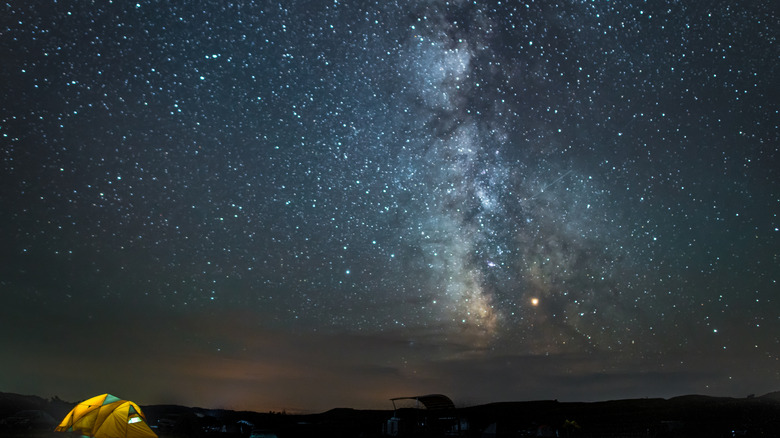
No stargazing tour of South Dakota is complete without visiting Badlands National Park. Famed for its otherworldly geological formations, deeply eroded buttes, and sweeping mixed-grass prairies, the park transforms into a breathtaking planetary stage once the sun sets.
The park’s official recognition as an International Dark Sky Park cemented its status as a global destination for night-sky preservation. During the peak summer travel months, Badlands National Park hosts ranger-led Night Sky Viewings on a daily basis. These interpretive programs provide visitors with professional-grade telescopes and expert guidance on identifying planets, seasonal constellations, and deep-space nebulae.
For independent travelers seeking solitude, experienced visitors and local guides recommend utilizing the park’s northeastern entrance near the main parking infrastructure, or journeying out to the Hay Butte and Sage Creek overlooks. These remote vantage points frequently remain entirely unpopulated after dark, offering an intensely personal connection to the cosmos.
4. Off-the-Beaten-Path Treasures
Beyond the national and regional crown jewels, South Dakota is peppered with lesser-known state parks and recreational areas that rival the darkest skies in the country.
- Sica Hollow State Park: A deeply atmospheric, heavily wooded park in the northeastern corner of the state, offering rugged hiking trails by day and a dense canopy of stars by night.
- Snake Creek Recreation Area: Located along the shores of the Missouri River system, this area records a pristine Bortle Scale rating of 2, providing expansive water reflections that double the visual impact of the night sky.
Official Statements and Conservation Perspectives
The rise of South Dakota as a premier dark-sky destination aligns with a growing international movement toward optical conservation. Environmental agencies, local tourism boards, and indigenous communities have increasingly recognized that unpolluted night skies are not merely aesthetic amenities, but vital components of ecological health and cultural heritage.
National Park Service officials emphasize that dark skies are critical for maintaining the natural behaviors of nocturnal wildlife, migratory birds, and native pollinators. Furthermore, preserving the night sky honors centuries of human history. Indigenous tribes of the Great Plains—including the Lakota, Dakota, and Nakota nations—have historically relied upon the stars for agricultural timing, spiritual navigation, and oral storytelling traditions. The preservation of South Dakota’s pristine night skies safeguards this irreplaceable cultural legacy for generations to come.
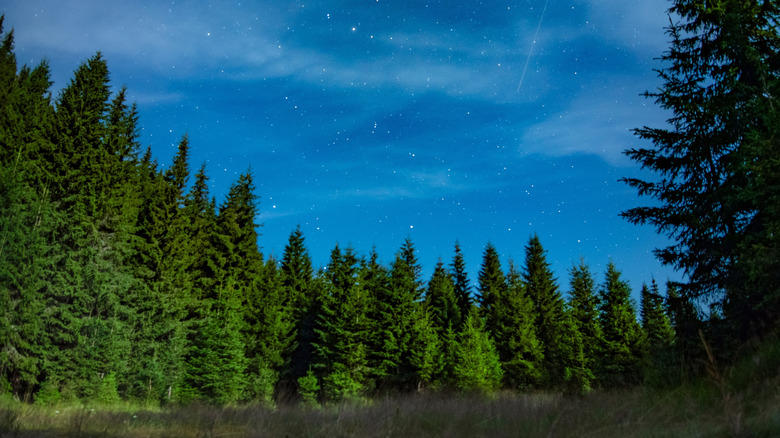
Practical Guide: How to Prepare for Your South Dakota Stargazing Expedition
Embarking on a dark-sky expedition requires careful logistical preparation to ensure both comfort and optimal viewing conditions.
Timing Your Visit Around Lunar Phases
To experience the night sky in its full, unadulterated brilliance, travelers must synchronize their itineraries with the lunar calendar. A bright, waxing or full moon acts as a natural light source that washes out fainter stars, galaxies, and the luminous dust lanes of the Milky Way. Therefore, the optimal window for deep-space viewing is during the new moon phase or the three-to-four-day window leading up to it, when the night sky achieves maximum contrast and darkness.
Essential Gear and Equipment
While the naked eye is fully sufficient to appreciate the sweeping arches of the Milky Way, travelers can significantly elevate their experience with minimal equipment:
- Optics: A pair of standard 7×50 or 10×50 binoculars will instantly resolve star clusters, lunar craters, and bright nebulae that are invisible to the unassisted eye.
- Thermal Layers: Even during mid-summer, South Dakota’s open plains and high-elevation areas—such as the Black Hills—experience dramatic temperature drops after sundown. Bringing durable, insulating layers is essential.
- Insect Protection: The wilderness areas that offer the darkest skies are also home to active nocturnal insect populations. High-strength insect repellent is mandatory for a comfortable viewing experience.
- Red-Light Flashlights: To preserve night-vision adaptation, astronomers use red-light headlamps or cover standard white-light flashlights with red cellophane. It takes the human eye roughly 20 to 30 minutes to fully adapt to total darkness; a single flash of white light resets this biological process entirely.
Future Outlook: Protecting the Last Frontier of Silence
As urban sprawl continues to swallow the horizon across the United States, destinations like South Dakota serve as vital refuges for those seeking perspective, peace, and connection to the universe. The formal recognition of South Dakota’s superior night skies is expected to catalyze a new wave of sustainable astro-tourism, driving mindful travelers into the state’s rural economies while reinforcing the importance of rigorous light-pollution ordinances.
Whether you are an experienced astrophotographer armed with equatorial mounts and tracking gear, a casual road-tripper seeking quiet reflection, or a family looking to introduce children to the wonders of the universe, South Dakota stands ready. Stripped of artificial glare and framed by timeless landscapes, the night skies of America’s unexpected new stargazing capital offer an unforgettable journey into the heart of the cosmos.