






Executive Overview
While Greater Manchester commands global attention as one of the United Kingdom’s most dynamic, fast-paced metropolitan hubs—haunted by world-class football clubs, elite culinary establishments, and a pulsating nightlife—just a short journey from the city center lies a destination offering a deeply layered, more intimate experience of northern English culture. Bolton, the largest town within the Greater Manchester metropolitan area, stands proudly as a vibrant, independent entity.
Sandwiched precisely 15 miles north of Manchester and 15 miles south of Blackburn, Bolton bridges the gap between the relentless energy of the big city and the serene, timeless appeal of the Lancashire countryside. Home to a population nearing 200,000, this historic industrial powerhouse has successfully reinvented itself for the 21st century. It boasts a thriving theater scene, architectural masterpieces that regularly double as Hollywood and television backdrops, a booming retail and culinary renaissance, and centuries of rich history. Whether visited as an effortless 15-minute train ride from Manchester or utilized as a tranquil, cost-effective home base for a broader Northern holiday, Bolton offers travelers an authentic, multifaceted slice of British life far removed from the standard tourist trail.
Detailed Chronology: From Medieval Market Town to Industrial Giant and Modern Cultural Hub
To understand Bolton’s current cultural vibrancy, one must trace its evolution through centuries of economic, social, and architectural transformation. The town’s history is written into its cobblestones, medieval charters, and grand Victorian civic monuments.
The Medieval Foundations (13th Century)
Bolton’s long-standing reputation as a commercial and social gathering place dates back to the high medieval period. The cornerstone of the town’s trade heritage was established in 1251, when King Henry III officially granted Bolton its market charter. This royal decree transformed a modest settlement into a bustling hub of exchange, a legacy that survives to this day in the sprawling, historic Bolton Market. Simultaneously, the spiritual and communal fabric of the town was being woven; establishments like Ye Olde Man & Scythe—one of the oldest operating pubs in the entire United Kingdom—began serving patrons in the 13th century, bearing silent witness to the turbulent sweep of English history, including the English Civil War.
The Industrial Revolution and Victorian Grandeur (19th Century)
By the 1800s, Bolton was hurtling toward global prominence as one of the world’s preeminent centers of textile manufacturing during the Industrial Revolution. As cotton mills dominated the skyline, the wealth generated by industrial output funded a massive civic transformation.
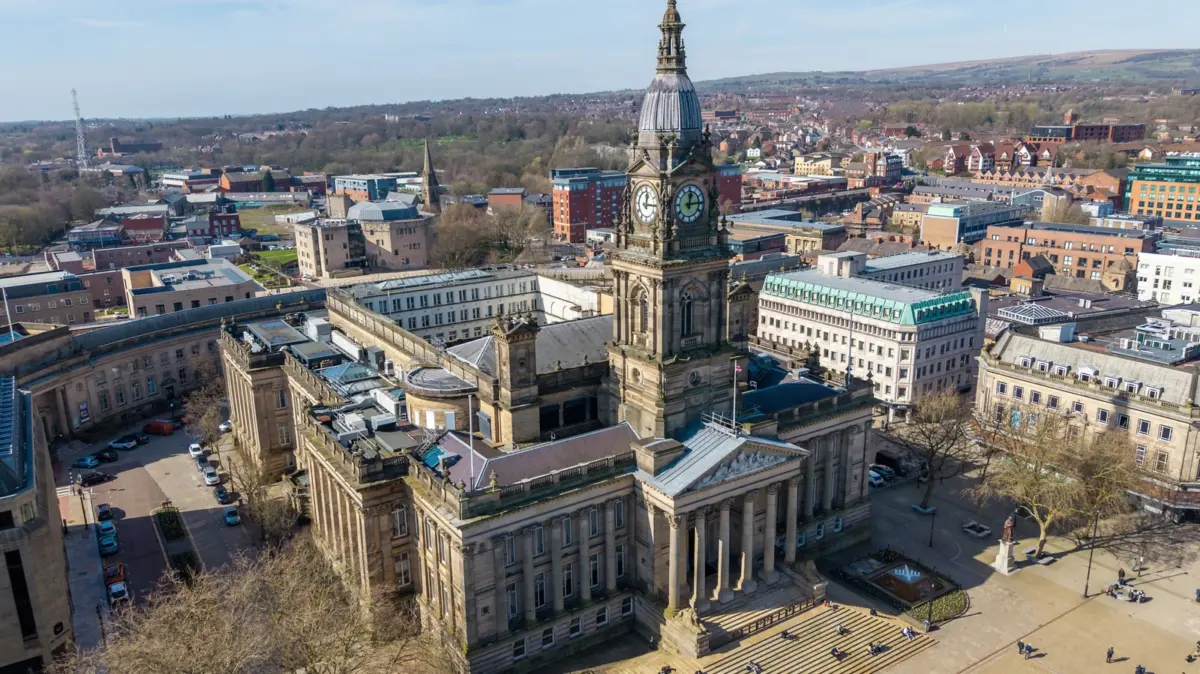
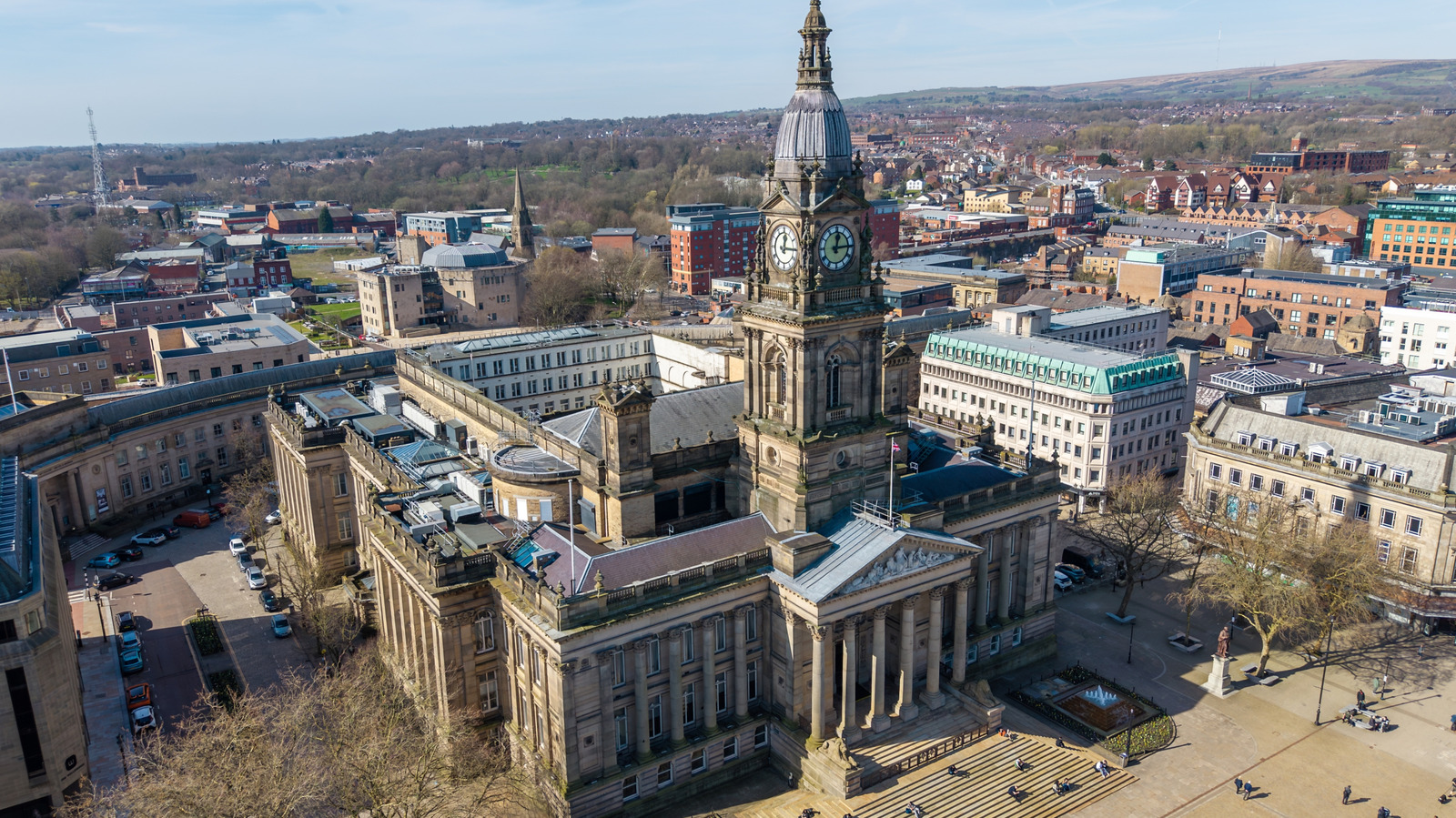
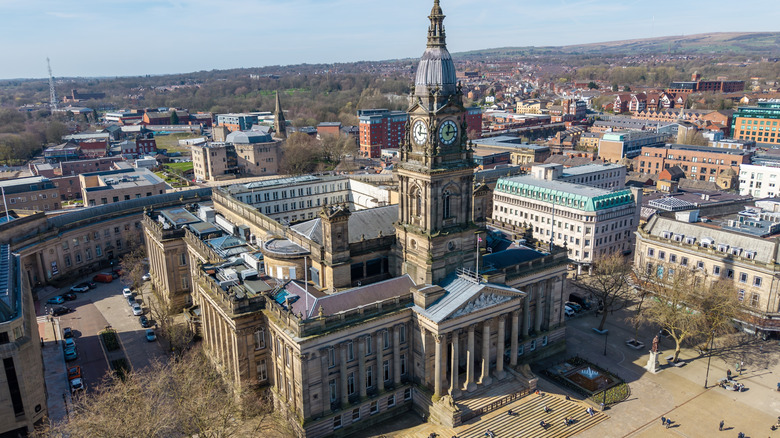
The mid-to-late 19th century redefined Bolton’s physical landscape. In 1855, the magnificent Bolton Market Hall opened its doors—a monumental stone structure designed to house the town’s burgeoning trade. A decade later, in 1866, the town unveiled its grand Victorian parks, creating urban green spaces featuring tranquil lakes and elegant, statue-lined promenades to provide respite for the hardworking industrial populace. This era of confidence culminated in the late 19th century with the construction of the Neoclassical Bolton Town Hall in Victoria Square, a breathtaking testament to civic pride featuring towering Corinthian pillars, grand stone steps, and an imposing clock tower.
The 20th Century to Present: Deindustrialization and Cultural Rebirth
Like much of the North of England, the latter half of the 20th century brought severe economic challenges as the traditional textile and engineering industries declined. However, rather than succumbing to urban decay, Bolton leveraged its rich architectural heritage and community spirit to spearhead a cultural renaissance.
The establishment of the award-winning Octagon Theatre in the late 20th century breathed new life into the arts scene, while ongoing adaptive reuse projects—such as transforming the historic 1855 Market Hall into the modern Market Place Shopping Centre—demonstrated how the town could honor its past while embracing contemporary commerce. Today, Bolton stands as a model of northern resilience, seamlessly blending its medieval roots and Victorian grandeur with internationally recognized film festivals, major culinary events, and modern leisure complexes.
Supporting Context & Metrics: Navigating Bolton’s Geography and Economy
Bolton’s strategic geographic location makes it uniquely accessible, functioning both as a standalone destination and an integrated component of the Greater Manchester urban network.
Accessibility and Transit Metrics
- Distance from Key Hubs: Exactly 15 miles south of Blackburn and 15 miles northwest of Manchester.
- Driving Time: Approximately 45 minutes by car from either Manchester or Blackburn via major regional arteries.
- Rail Transit: Direct rail services connect Manchester Victoria/Piccadilly to Bolton station in a mere 15 minutes, making daily commuting or casual sightseeing exceptionally efficient.
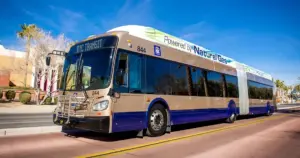
- Bus Connectivity: Integrated seamlessly into the Greater Manchester Bee Network, providing comprehensive, reliable public transit across the entire metropolitan borough and surrounding neighborhoods.
Demographic and Urban Statistics
- Population: Approximately 200,000 residents within the town proper, making it the largest town in the Greater Manchester metropolitan area.
- Accommodation Landscape: Diverse lodging options ranging from national budget hotel chains and snug, traditional bed-and-breakfasts to high-end spa hotels nestled within renovated 17th-century stone farmhouses.
- Green Spaces: Dozens of historic parks and public squares, anchored by the iconic 1866 Victorian park featuring extensive walking paths and aquatic features.
Architectural Marvels, Cultural Institutions, and the Culinary Scene
Bolton’s cityscape is a visual feast, offering travelers an extraordinary density of architectural landmarks, world-class artistic venues, and an evolving gastronomic identity.
+-------------------------------------------------------------------------+
|                        BOLTON CULTURAL HIGHLIGHTS                       |
+---------------------------+---------------------------------------------+
| Architectural Landmark    | Le Mans Crescent & Neoclassical Town Hall   |
| Performing Arts           | The Octagon Theatre & Albert Halls Bolton   |
| Culinary Heritage         | Bolton Market (Est. 1251) & Food Hall       |
| Historic Pub              | Ye Olde Man & Scythe (13th Century)         |
+---------------------------+---------------------------------------------+
The Architectural Crown Jewels: Victoria Square and Le Mans Crescent
A cultural exploration of Bolton naturally commences in Victoria Square, where the monumental Neoclassical town hall dominates the public realm. Directly opposite the town hall lies Le Mans Crescent, a sweeping, curved architectural masterpiece defined by picturesque sandstone facades, graceful archways, and historic cobblestone streets.
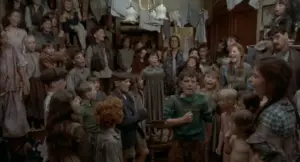
This cinematic backdrop has not gone unnoticed by the global entertainment industry. With its striking preservation of 19th-century municipal architecture, Le Mans Crescent served as a primary filming location for the critically acclaimed television phenomenon Peaky Blinders, offering visitors a chance to walk directly into the atmospheric world of early 20th-century Britain.
Museums and Performing Arts
At the southern terminus of Le Mans Crescent stands the Bolton Museum, a free-to-enter cultural repository featuring extensive permanent collections spanning fine art, regional botany, and deep local history.
Within easy walking distance are the town’s premier performance venues:
- The Octagon Theatre: An acclaimed regional producing theater known for staging cutting-edge, high-caliber theatrical productions that draw audiences from across the North West.
- Albert Halls Bolton: Serving as the cultural beating heart of the community for over a century, hosting major concerts, comedy shows, and civic gatherings.
Gastronomic Traditions and Historic Pubs
Bolton’s food scene bridges centuries of tradition with modern cosmopolitan flair. Bolton Market, operating under its historic royal charter, offers traditional butchers, fishmongers, and fresh local produce alongside a contemporary indoor-outdoor food hall. Here, visitors can sample everything from artisanal wood-fired pizza and authentic kebabs to vibrant Caribbean street food, accompanied by a dedicated gin bar and weekend live music.
For those seeking an authentic taste of British pub culture, following local tradition leads straight to Ye Olde Man & Scythe. Operating since the 13th century, this unpretentious historic tavern offers a genuine step back in time, serving traditional cask ales and ciders in an environment steeped in centuries of folklore and community life.
Events, Retail, and Leisure: Festivals That Define the North
Beyond its permanent cultural institutions, Bolton plays host to several high-profile festivals and modern leisure destinations that draw hundreds of thousands of visitors annually.
Flagship Festivals
- The Bolton Food & Drink Festival: Held annually over the August bank holiday weekend, this massive culinary celebration draws an astounding 500,000 attendees. It features endless rows of global food trucks, cooking demonstrations by international culinary legends such as Marco Pierre White, family-friendly attractions like the farm-themed Festival Garden, and vibrant live music performances.
- Bolton International Film Festival: Taking place in early autumn, this prestigious BAFTA-qualifying short film festival attracts international filmmakers and cinephiles. It provides a platform for emerging talent through screenings, masterclasses, networking panels, and industry lectures.
- Put Big Light On Festival: Illuminating the dark depths of the northern winter, this free urban festival transforms downtown Bolton with dazzling light installations, interactive street theater—including performances by the famous Dundu light puppets—and pop-up food and drink stalls.
Modern Shopping and Premier Sport
For retail enthusiasts, downtown shopping centers around the Market Place Shopping Centre. Ingeniously constructed inside the protected stone walls of the historic 1855 Market Hall, the mall blends high-street retail brands and a cinema with a remodeled subterranean level featuring a vibrant food court and family play areas.
A few miles west of the center lies Middlebrook, one of the U.K.’s largest integrated retail and leisure parks. Featuring major outlet shopping, restaurants, a bowling alley, and a cinema, Middlebrook is situated directly adjacent to the Toughsheet Community Stadium—home of the historic Bolton Wanderers Football Club. For travelers seeking the electric, passionate atmosphere of English football, attending a Wanderers match offers an unforgettable cultural experience (provided visitors remember the golden rule of U.K. sports culture: always call it football, never soccer).
Future Outlook: Bolton’s Trajectory in the Greater Manchester Economy
As Greater Manchester continues to expand its economic and cultural footprint on the national and international stage, Bolton is strategically positioned to capitalize on regional growth. Urban regeneration projects focusing on sustainable transit, heritage preservation, and cultural tourism are central to the town’s forward-looking strategy.
By leveraging its unique assets—unrivaled rail connectivity to Manchester, lower cost of living and accommodation relative to the city center, world-class festivals, and a deeply engrained industrial heritage—Bolton is shedding its status as an overlooked northern town. It is rapidly emerging as a premier destination for travelers seeking authenticity, culture, and convenience. For tourists, investors, and culture-seekers alike, Bolton is no longer merely a transit stop between Manchester and Blackburn; it is a vibrant, independent northern powerhouse ready to step into the spotlight.