


Executive Overview
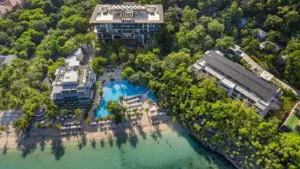
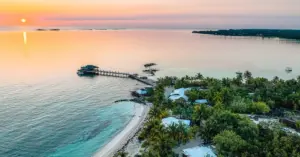
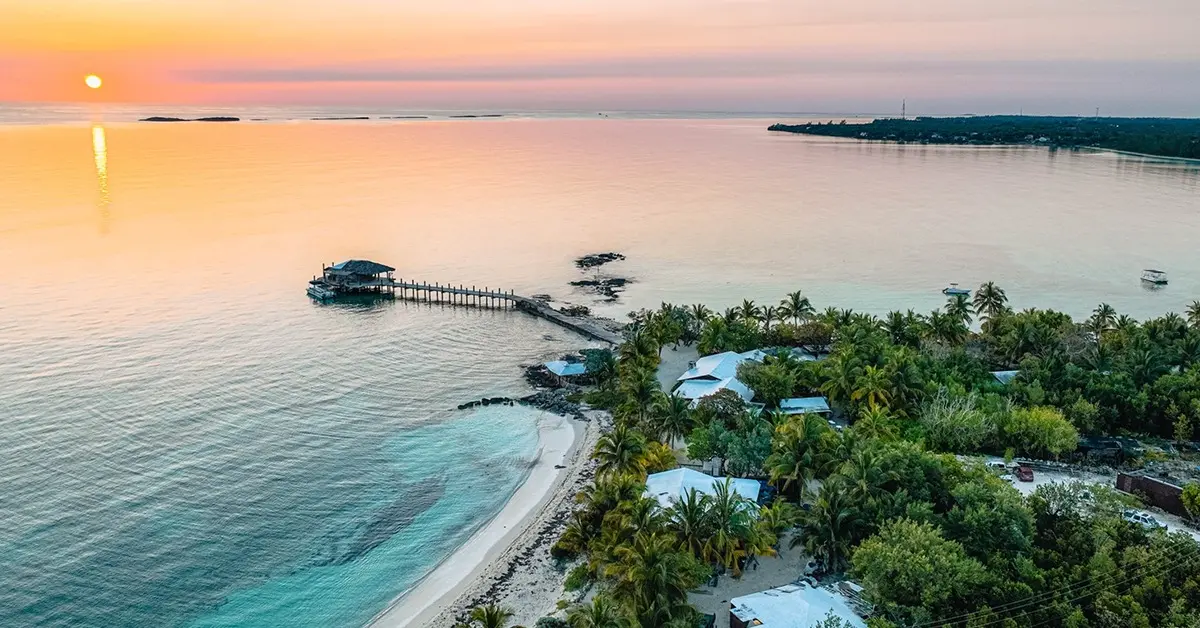
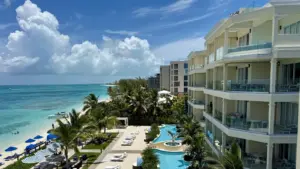
For more than six decades, the Caribbean has undergone a relentless metamorphosis. Coral shores once defined by intimate, family-run outposts have increasingly been swallowed by massive, homogeneous corporate mega-resorts. Sleek glass towers, sprawling manicured golf courses, and wristband-wearing crowds have largely replaced the raw, unscripted castaway aesthetic that once drew travelers to the islands. Yet, tucked away along the powder-soft sands of Andros Island—the largest yet most sparsely populated island in The Bahamas—stands a defiant exception.
Small Hope Bay Lodge, welcoming discerning travelers since 1960, offers a masterclass in preservation. It is not merely a hotel; it is a living institution of Bahamian adventure. Pairing a classic all-inclusive model—encompassing accommodations, hearty meals, and top-shelf drinks—with an unapologetic focus on the natural world, Small Hope provides an antidote to modern resort fatigue. Here, your luxury is measured not by marble bathtubs or automated room service, but by the proximity of your cabin to the tide, the immediate access to the legendary Andros Barrier Reef, and the camaraderie built over rum-soaked evenings with fellow explorers.
This deep-dive journalistic report examines the unique architecture of Small Hope Bay Lodge’s all-inclusive model, its world-class aquatic and terrestrial ecosystems, its historic Bahamian vernacular accommodations, and the evolving future of authentic ecotourism in the modern Caribbean landscape.
Detailed Chronology: The Evolution of a Bahamian Pioneer
To understand Small Hope Bay Lodge, one must look back to its inception, tracing a timeline that mirrors the very evolution of modern Bahamian adventure tourism.
The Foundation Years (1960s–1970s)
Long before Andros was mapped into the global consciousness of recreational scuba divers and bonefish anglers, visionary pioneers recognized the raw, untapped potential of the island’s eastern shore. Established in 1960, Small Hope Bay Lodge was built on a simple premise: provide comfortable shelter, exceptional local food, and unmediated access to the third-largest barrier reef in the world. In an era when traveling to the Out Islands of The Bahamas required navigating erratic mailboats and rudimentary airstrips, Small Hope acted as an outpost for the intrepid. Early guests were largely pioneering oceanographers, underwater photographers, and sportfishing enthusiasts willing to trade modern luxuries for unprecedented access to pristine blue holes and untouched marine life.
The Expansion of Craft and Community (1980s–2000s)
As the sport of scuba diving gained mainstream traction through the late 20th century, Small Hope refined its infrastructure without losing its rustic soul. The lodge integrated traditional Bahamian craftsmanship into its physical expansion, utilizing locally harvested Andros pine, durable coral rock, and the distinctive, vibrant patterns of Androsia batik fabric. The communal dining room and beachfront terrace solidified their status as the social heartbeat of the property. During these decades, the lodge forged a reputation not as a commercial tourist trap, but as an exclusive club for those in the know—a sanctuary where multigenerational families returned year after year, passing down their dive logs and fishing traditions like family heirlooms.
The Modern Era and the All-Inclusive Pivot (2010s–Present)
In recent years, as the luxury travel market swung aggressively toward simplified, stress-free pricing models, Small Hope adapted without succumbing to corporate homogenization. While contemporary "all-inclusive" resorts often conjure images of crowded buffet lines and watered-down cocktails, Small Hope redefined the term for the adventure traveler. By bundling accommodations, meals, alcoholic beverages, and foundational equipment (such as kayaks, paddleboards, bicycles, and introductory dive lessons), the lodge eliminated transactional friction. This allowed guests to focus entirely on what matters: planning their next offshore excursion, exploring mangrove creeks, or disconnecting entirely from the digital world. Today, the lodge stands as a rare survivor of a bygone era, proving that authenticity, when executed with uncompromising quality, never goes out of style.
Supporting Context & Metrics: The Ecosystem and Infrastructure
The allure of Small Hope Bay Lodge is inextricably linked to the geography of Andros Island itself. To fully grasp the value proposition of a stay here, one must examine the metrics of the surrounding wilderness and the logistical framework of the lodge’s operations.
The Aquatic Playground: The Andros Barrier Reef and Beyond
Offshore from the lodge lies the Andros Barrier Reef, a staggering 190-mile-long underwater marvel that drops off dramatically into the Tongue of the Ocean—a multi-thousand-foot-deep oceanic trench. This unique topography creates an unmatched biodiversity hotspot.
- Dive Sites: The lodge maintains operational access to more than 60 distinct dive sites within immediate proximity. These range from shallow, sun-drenched coral gardens teeming with reef fish to dramatic vertical walls, historical shipwrecks, and inland and offshore blue holes.
- The Blue Hole Phenomenon: Andros is globally renowned for its inland and ocean-entry blue holes—geological sinkholes plunging deep into the limestone bedrock, frequently harboring endemic species and subterranean cave systems that attract advanced technical divers and marine geologists alike.
- Bonefishing Capital: Beyond scuba diving, Andros is universally celebrated as the "Bonefishing Capital of the World." The expansive tidal flats surrounding the island provide world-class sight-fishing for wary, hard-fighting bonefish, supported by seasoned local guides who have spent generations mastering the shallow waters.
The All-Inclusive Financial and Logistical Breakdown
Navigating travel to the Out Islands requires careful planning, and Small Hope’s operational model is designed to streamline the guest experience.
- What is Included: Nightly rates cover beachfront cabin accommodations, three cooked-to-order or buffet-style meals daily, alcoholic and non-alcoholic beverages, and complimentary use of non-motorized water sports equipment (kayaks, stand-up paddleboards, snorkeling gear) and bicycles. An introductory scuba or snorkeling lesson is also standard, ensuring novices are never left behind.
- What Requires Customization: Guided excursions—such as specialized two-tank scuba boat dives, full-day guided bonefishing charters, equipment rentals, and specialized island eco-tours—are booked as add-ons. This modular approach ensures that guests only pay for the specific adventures they desire, rather than subsidizing activities they do not use.
- Seasonal Operations: True to its Out Island heritage, Small Hope typically closes its doors during the peak of the Atlantic hurricane season in September and October for seasonal maintenance, staff rest, and property enhancements. Travelers looking to book autumn getaways must verify reopening schedules and flight connectivity well in advance.
Architecture and Accommodations: Designed for the Elements
The physical plant of Small Hope Bay Lodge reflects a deep respect for Bahamian culture and environmental sustainability.
- Materials: Cabins are constructed primarily from native coral rock and rot-resistant Andros pine. Interiors feature handmade wooden furniture accented by brightly colored Androsia batik fabrics, locally produced in nearby Fresh Creek.
- Design Philosophy: Eschewing sealed, climate-controlled glass boxes, the rooms feature screened windows and ceiling fans designed to capture the cooling trade winds off the Atlantic. While air conditioning is available as a nightly supplemental upgrade, the traditional architectural layout encourages guests to connect organically with the island climate. Indoor and outdoor showers bridge the gap between interior comfort and wild coastal exposure.
Official Statements and Industry Perspective
The philosophy driving Small Hope Bay Lodge has long been a subject of study among sustainable tourism advocates and travel journalists who champion low-impact, high-reward experiential travel.
Industry experts emphasize that the lodge’s longevity stems from its unwavering commitment to community integration and ecological stewardship. Unlike isolated mega-resorts that function as self-contained economic bubbles, Small Hope relies heavily on local talent—from captains and divemasters to kitchen staff and bonefishing guides. This localized employment model ensures that tourism dollars directly benefit the communities of Andros Island, fostering a symbiotic relationship between visitor and host.
Furthermore, veteran travelers frequently cite the lodge’s communal dining format as its most valuable intangible asset. In an official statement regarding the property’s social dynamics, hospitality observers noted:
"Divers, anglers, families, and returning generations share a common currency at Small Hope’s beachfront dining tables. There is no corporate artifice here; the conversation invariably turns to the day’s sightings—a hammerhead shark spotted along the drop-off, a record bonefish landed on the western flats, or the tranquil silence of an afternoon spent swaying in a hammock beneath the casuarina trees. It creates an instant, organic community that standard luxury hotels spend millions trying to manufacture, yet rarely achieve."
Management at the lodge continually emphasizes that their primary goal is not to reinvent the guest experience, but to protect it. By shielding the property from over-commercialization, they preserve a sanctuary where modern adventurers can step back in time without sacrificing safety, comfort, or culinary excellence.
Future Outlook: Preserving the Out Island Ethos
As global tourism rebounds and accelerates toward unprecedented volumes, the pressure on fragile island ecosystems intensifies. Mega-developments continue to eye the pristine coasts of The Bahamas, promising economic booms at the steep cost of environmental degradation and cultural homogenization.
In this climate, Small Hope Bay Lodge serves as an essential blueprint for the future of sustainable, adventure-driven hospitality. Its survival underscores a growing consumer demand for travel that is substantive rather than superficial. Modern travelers—particularly millennials and Gen Z demographics increasingly fatigued by digital saturation—are placing a higher premium on "offline" adventures, wildlife immersion, and authentic human connection.
Looking ahead, the challenge for Small Hope will lie in maintaining its delicate balance between rustic charm and modern expectations, particularly regarding eco-friendly infrastructural upgrades like solar energy integration and advanced water conservation systems. Yet, given its six-decade track record of resilience against shifting economic tides and shifting weather patterns, the lodge is uniquely positioned to weather the coming decades.
For those willing to look past the sanitized sheen of the standard Caribbean cruise port or mega-resort, Small Hope Bay Lodge remains a beacon. It is a place where the reef is always just a short swim from the veranda, where dinner is an exchange of tall tales under a blanket of stars, and where the untamed spirit of Andros Island remains entirely, beautifully intact.