








Executive Overview
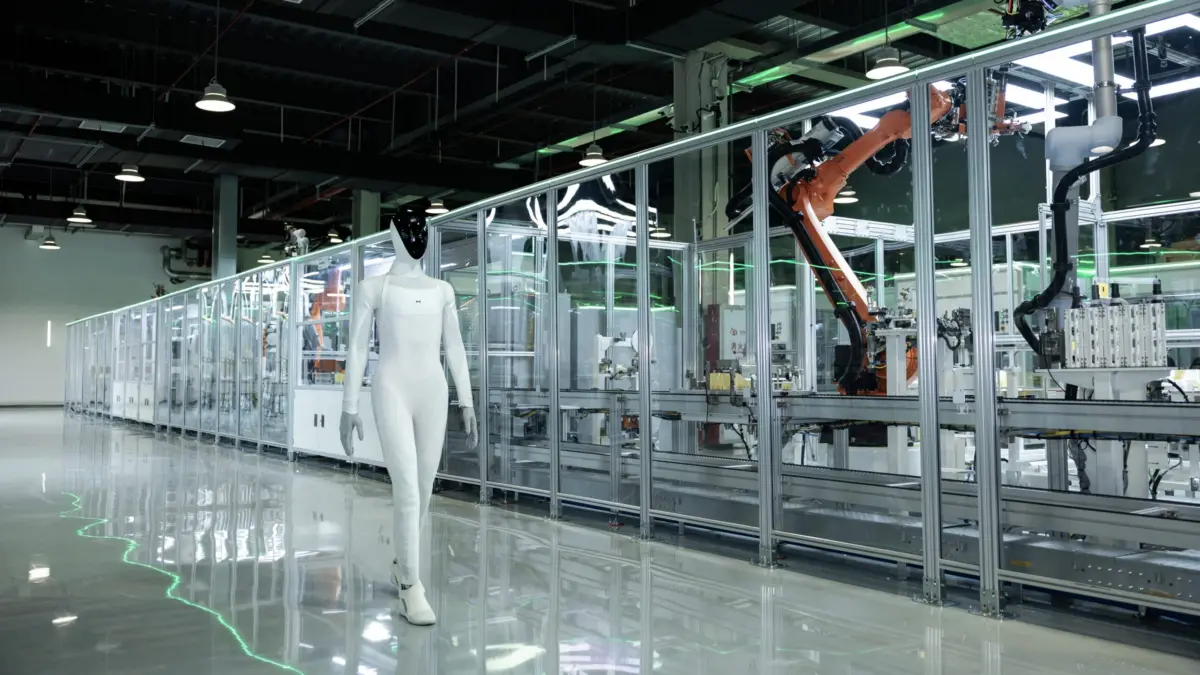
On the morning of September 8, in Guangzhou, China, a technological milestone quietly transitioned from research and development into reality. XPENG’s advanced humanoid robot, IRON, autonomously walked off a fully automated production line for the very first time. While much of the global tech sector was winding down or returning from holiday breaks, engineers and executives at XPENG were witnessing the culmination of years of intensive development.
This historic achievement marks a pivotal leap forward—moving humanoid robotics out of the controlled environments of R&D laboratories and prototyping houses, and directly onto mass-manufacturing assembly lines. According to XPENG, IRON is the world’s first high-level, general-purpose humanoid robot to be manufactured on an active production line and walk off it entirely unassisted, without human intervention or remote teleoperation.
For an industry long plagued by scripted demonstrations, remote-controlled prototypes, and over-promised timelines, IRON represents an operational paradigm shift. Built with automotive-grade precision, powered by the company’s proprietary Physical AI architecture, and backed by a staggering $900 million funding round secured just weeks prior, XPENG is positioning itself not merely as an electric vehicle manufacturer, but as a dominant global force in the emerging embodied AI ecosystem.

Detailed Chronology: From Concept to the Production Floor
The journey of IRON from a conceptual blueprint to an autonomously walking, mass-produced humanoid machine is rooted in XPENG’s aggressive multi-vertical technology strategy.
Laying the Groundwork
XPENG’s entry into robotics did not happen in a vacuum. Rather than treating robotics as a side project, the company integrated its foundational artificial intelligence framework—commonly known as Physical AI—across multiple form factors, including its intelligent electric vehicles and experimental flying cars. This cross-pollination allowed the robotics division to bypass years of foundational software development by leveraging mature neural networks, sensory arrays, and data processing models already hardened on public roadways.
The September 8th Breakthrough
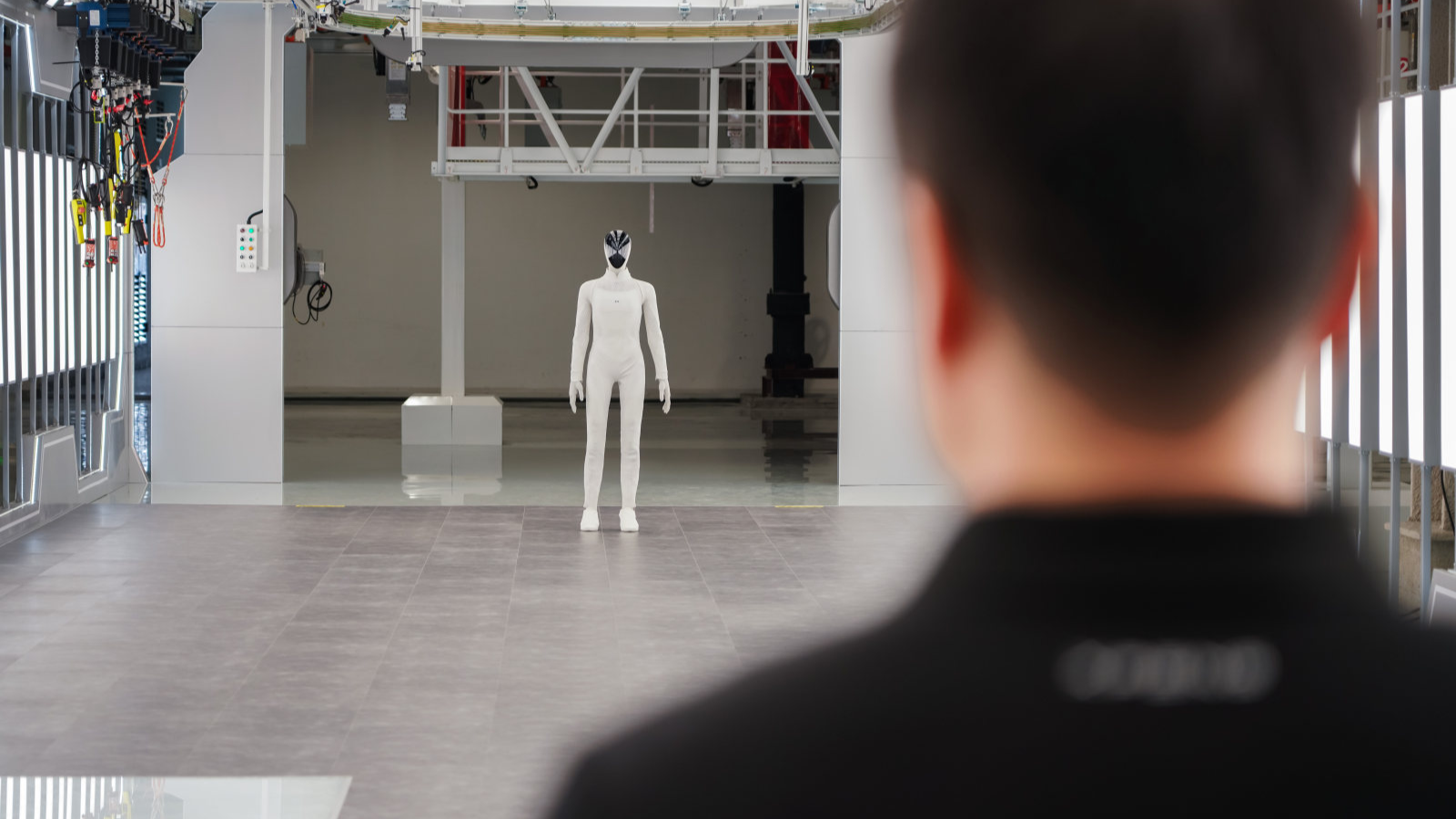
On September 8, the Guangzhou manufacturing facility achieved what few industry watchers expected to see at this scale so early in the decade. Unlike trade show demonstrations that rely on pre-programmed choreography or off-stage technicians handling failure recovery, IRON navigated its exit from the assembly line entirely on its own.
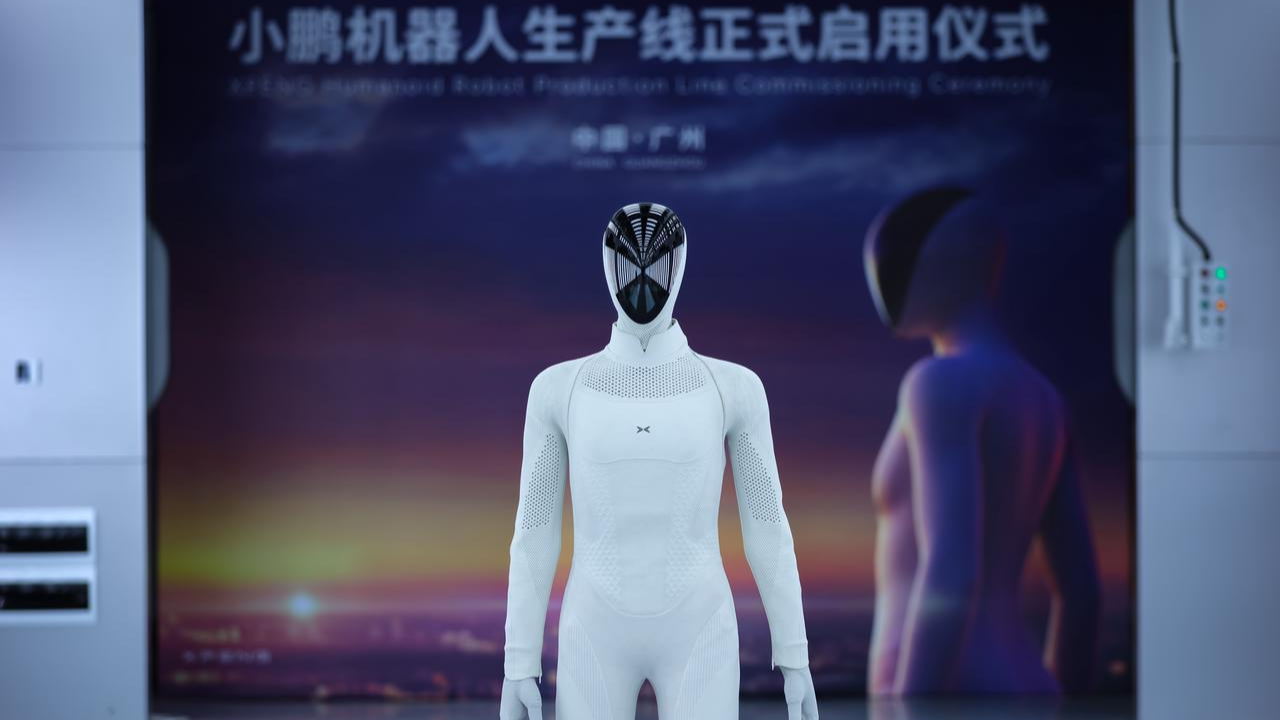
From the exact second its foot cleared the end of the manufacturing track, the robot’s onboard computers managed balance, spatial awareness, route planning, and motor actuation. This live transition signals that XPENG’s production system is no longer theoretical; it is functional, repeatable, and scaling.
Supporting Context & Metrics: Engineering and Economic Architecture
To understand the gravity of IRON’s debut, one must examine the engineering specifications and economic synergies that make its production financially and technically viable.
Precision Manufacturing and Automation
IRON is not a hand-built, fragile prototype. Its assembly utilizes mass-production, automotive-grade quality control systems. XPENG has achieved an automation rate exceeding 80% on the robot’s dedicated manufacturing lines—a feat that required designing entirely new tooling and assembly protocols from scratch, as no direct industry precedent existed for high-volume humanoid robot manufacturing.
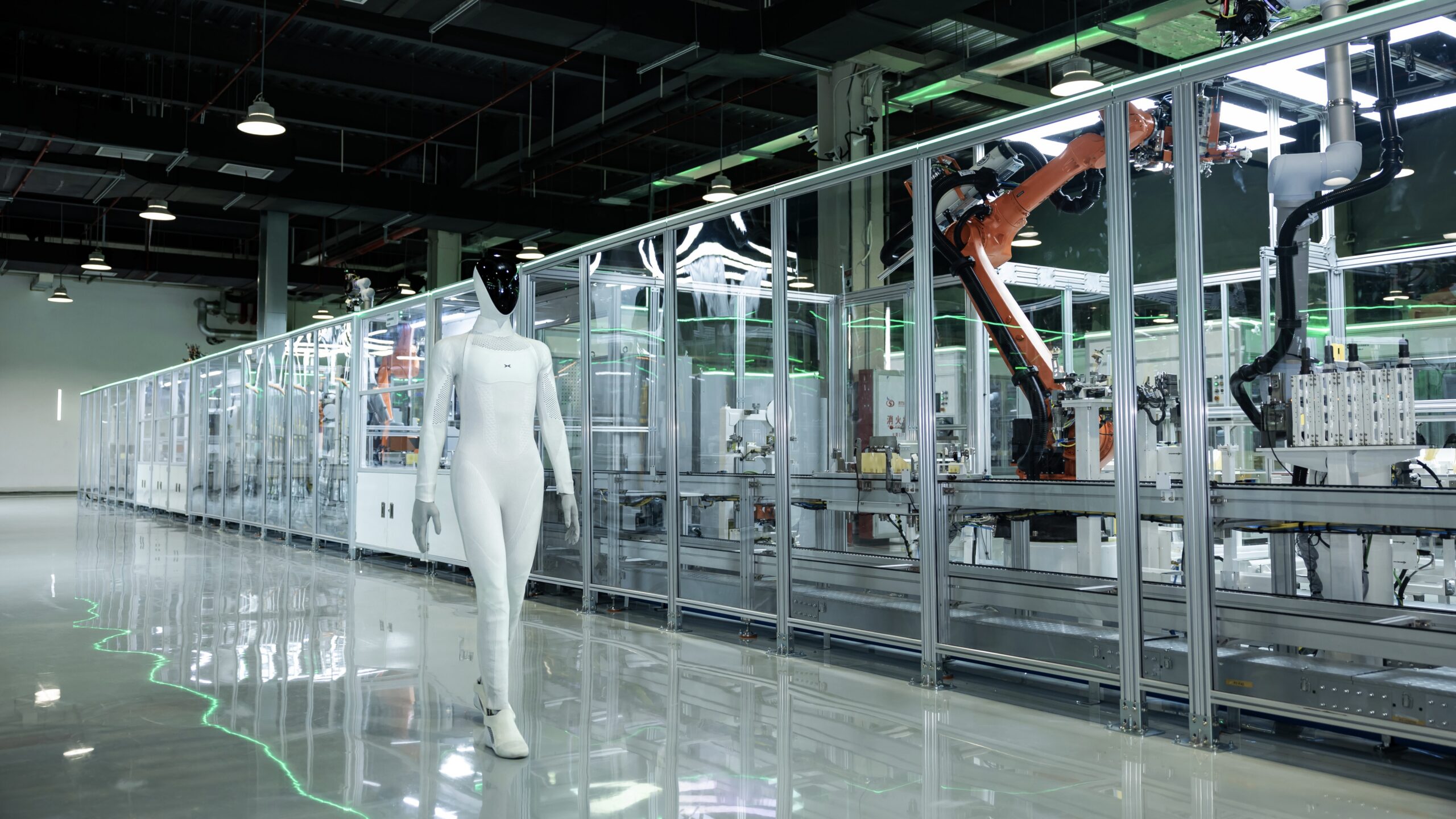
Furthermore, supply chain integration plays a massive role in controlling costs and ensuring component reliability. More than 85% of IRON’s supply chain is shared directly with XPENG’s established EV manufacturing business. This massive overlap allows XPENG to leverage existing economies of scale, drastically reducing per-unit production expenses compared to pure-play robotics startups struggling to source specialized components.
Hardware and Physical Specifications
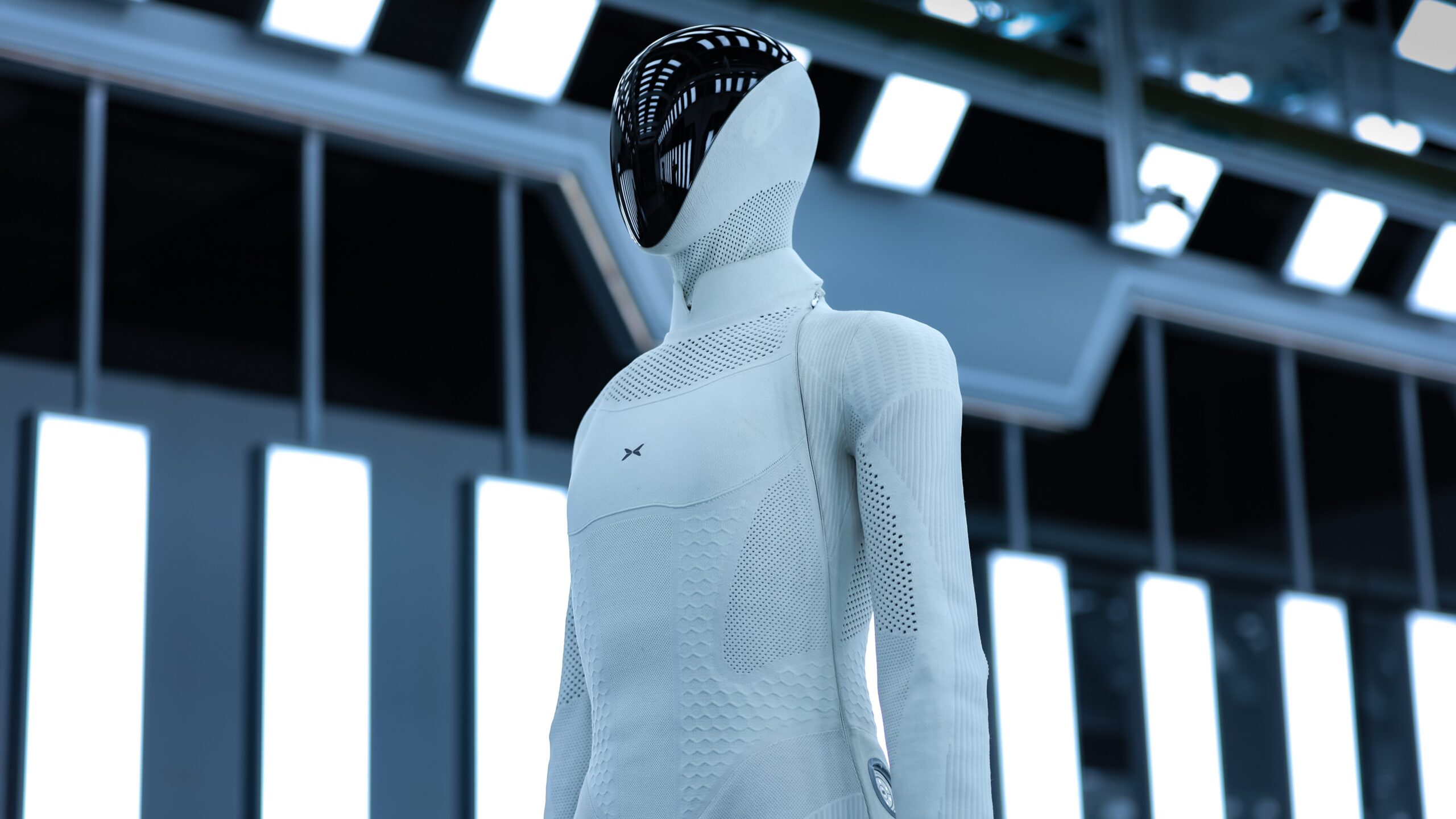
Standing at a human-like 173 cm (5 feet, 8 inches) and weighing 65 kg (143 lbs), IRON mirrors human proportions to seamlessly operate in human-centric spaces.
- Degrees of Freedom (DOF): The robot boasts an impressive 76 total degrees of freedom distributed across its entire frame, allowing for fluid, natural movement. Notably, each of its hands features 21 degrees of freedom, enabling fine motor skills and delicate object manipulation.
- Biomechanics: IRON incorporates a bio-inspired spinal structure within its waist, granting it a human-like range of motion, posture adjustment, and balance recovery.
- Safety Mechanisms: To ensure safety in collaborative environments, IRON utilizes a soft mesh layer beneath its fabric skin. This design not only minimizes potential damage during unintended contact with obstacles or humans, but also provides a more tactile, human-like touch.
Computing Power and Artificial Intelligence
At the heart of IRON’s cognitive architecture are three in-house developed Turing AI chips, delivering a combined computing power of 2,250 TOPS (Tera Operations Per Second). This is the exact same high-performance architecture found in XPENG’s Ultra-trim vehicles equipped with the advanced VLA 2.0 intelligent driving system.

By deploying this immense computing power directly on-device, IRON achieves low-latency inference while maximizing data security. Task execution is handled entirely locally, removing vulnerabilities associated with cloud-dependent robotics.
Key software and sensory capabilities include:
- Multi-Modal Large Language Models (LLMs): IRON supports long-term memory functions, facial recognition with permanent retention, and fluent bilingual interaction in both Chinese and English with seamless language switching.
- Voice and Conversational AI: Utilizing architecture akin to the "Master Agent" system deployed in XPENG vehicles, the robot enables natural, context-aware human-voice communication.
- Autonomous Navigation: The system performs full-process autonomous obstacle avoidance, route planning, and real-time environment adaptation, continually refining its capabilities through real-world self-reinforcement learning.
- Autonomous Power Management: IRON can independently locate charging stations, manage dock connections, and execute plug-and-unplug operations without human oversight, even self-diagnosing and recovering from minor equipment faults.
Official Statements and Industry Vision
The commercial ambitions behind IRON are matched by the philosophical conviction of XPENG’s leadership. Commenting on the historic rollout, He Xiaopeng, Chairman and CEO of XPENG, emphasized the unprecedented nature of the achievement:
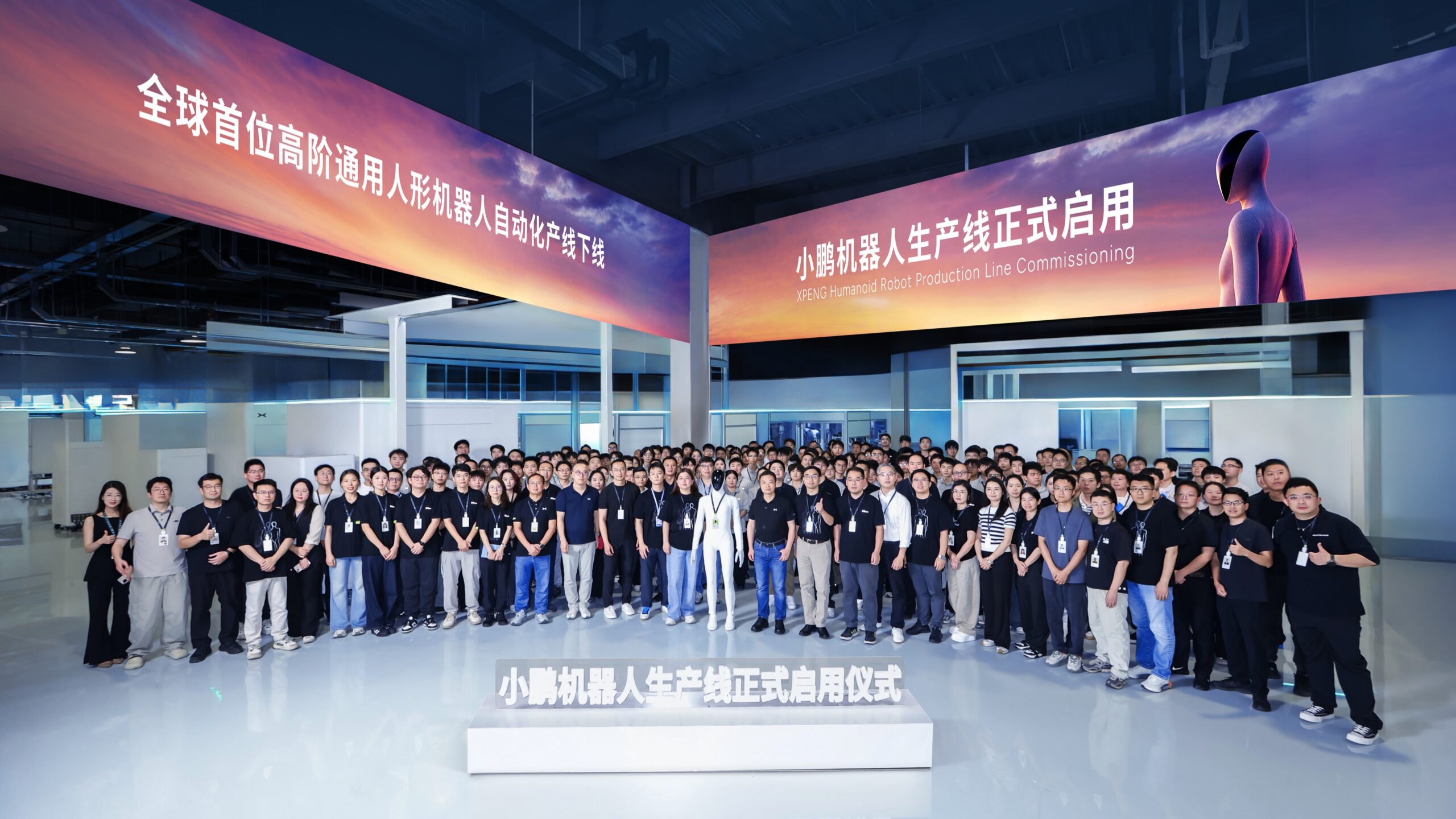
"The robot production lines were created from scratch with no precedent to follow. Today’s step is small, but XPENG is building the production lines for an entirely new product category. Looking ahead, XPENG will continue to explore faster production rhythms and greater scale in robot manufacturing, charting a new path toward a leading robot manufacturing industry in China and globally."
XPENG maintains a distinct competitive advantage through its commitment to a fully in-house, end-to-end technology stack. Encompassing the core AI models, data infrastructure, computing hardware, physical robot bodies, and manufacturing systems, this vertical integration ensures that every layer of the technology is optimized to work in harmony.
As He Xiaopeng noted: "Only by going deep across every layer can we build something truly different."
This sentiment was further reinforced by the market’s response. Just weeks prior to the production milestone, XPENG’s robotics subsidiary successfully raised over $900 million USD at a post-money valuation exceeding $6.3 billion. This represents the largest single-round private financing ever recorded within China’s embodied AI sector, providing the war chest necessary to aggressively scale manufacturing capacity and accelerate commercialization.
Future Outlook: Commercialization and Market Disruption
With the production line now active and churning out units, XPENG has outlined a structured deployment roadmap that transitions IRON from internal showcases to global commercial markets.
Phased Rollout Strategy
- Initial Deployment (Late 2026): IRON units will first be integrated directly into XPENG’s corporate showrooms, retail outlets, and company campuses. Their primary duties will include greeting visitors, managing customer interactions, and conducting guided tours—utilizing their human-like form and conversational AI to establish rapport with the public.
- Internal Validation (Q4 2026): Data gathered from initial showroom deployments will be fed back into the system to verify performance under heavy real-world conditions, paving the way for specialized industrial and logistical test cases within XPENG’s own supply chain.
- External Commercial Deliveries (2027): XPENG plans to launch initial external customer deliveries targeting domestic and international markets, focusing heavily on the retail and service industries.
- Broad Market Expansion: Following service-sector adoption, IRON is slated to scale into broader commercial, heavy industrial, and eventually residential home environments.
Economic Impact and Margin Projections
The financial implications of this rollout are already rippling through the industry. XPENG recently reported a strong gross margin of 20.7%, outpacing legacy and EV competitors like Tesla (which reported 16.8%). While XPENG has historically poured these margins into R&D and global expansion, leadership anticipates that humanoid robots will eventually yield higher gross margins than their EV business as production scales and supply chain efficiencies compound.

Redefining the Global Robotics Race
The broader landscape of humanoid robotics has long been dominated by Western marketing and lofty timelines. While companies like Tesla have faced scrutiny over delayed production schedules for their Optimus robot—coupled with slowing vehicle growth and declining market share in key regions like China—XPENG is methodically executing on its promises ahead of schedule.
By pairing automotive manufacturing discipline with cutting-edge physical AI, XPENG has not only claimed an early mover advantage in the Asian market but is setting a blistering global pace.
Ultimately, the debut of IRON is more than a triumph of engineering metrics or financial valuations; it is a testament to multidisciplinary collaboration and relentless execution. As these autonomous humanoid systems begin filtering into showrooms, retail spaces, and workplaces over the next few years, they promise to fundamentally reshape not only XPENG’s corporate trajectory, but the very nature of human-technology interaction across modern society.