








By Eldin Ganic
Published: August 26, 2026
Executive Overview
DEME Group, a global leader in marine engineering, dredging, offshore energy, and environmental remediation, has officially released its highly anticipated financial results for the first half of 2026. Against a backdrop of ongoing geopolitical shifts, macroeconomic recalibrations, and complex global supply chains, DEME has demonstrated remarkable operational resilience. The company reported a group turnover of €2.2 billion, representing a 2% increase year-over-year compared to the first half of 2025.
More impressive than the top-line growth, however, is the significant expansion in profitability. DEME’s net profit surged by an impressive 20% to reach €215 million, up from €179 million in the corresponding period last year. This bottom-line outperformance was driven by a stable, high-margin EBITDA of €466 million—translating into an exceptional EBITDA margin of 21.6%—and disciplined project execution across the group’s core operational segments.
The offshore energy division emerged as a primary growth engine, breaking previous semester records propelled by large-scale wind energy and infrastructure installations spanning Europe, the United States, and Taiwan. Meanwhile, the Dredging & Infra segment posted steady gains, recovering strongly from the softer market conditions experienced during the first half of 2025. Backed by a formidable order book standing at €7.1 billion, DEME’s leadership has upgraded its full-year outlook, projecting that 2026 turnover will slightly exceed 2025 levels while maintaining stable, robust profit margins.
Detailed Chronology: Segment Performance and Financial Trajectory
A granular analysis of DEME’s operational performance during the first six months of 2026 reveals a multi-speed recovery and expansion across its core pillars: Offshore Energy, Dredging & Infra, and Environmental.
Offshore Energy Sets Record Pace
DEME’s Offshore Energy segment was the standout performer of the semester, registering a 6% revenue increase to hit a record-breaking semester level of €1.2 billion. This achievement underscores the company’s indispensable role in the global energy transition. Throughout the first half of 2026, DEME’s specialized fleet and engineering teams successfully advanced complex, utility-scale offshore wind and marine infrastructure projects across multiple continents.
In the United States, the company navigated complex regulatory environments to deliver key components of emerging offshore wind hubs. In Taiwan, DEME continued to capitalize on the rapid expansion of Asia-Pacific’s renewable energy sector, deploying heavy-lift assets to install foundation structures and wind turbine generators. Across European waters, long-standing client relationships and multi-year framework agreements ensured continuous vessel utilization and seamless project delivery.

Financially, Offshore Energy proved to be an exceptionally lucrative engine for the group, generating an outstanding EBITDA margin of 26.7%. This high profitability reflects both favorable pricing environments for specialized offshore assets and the successful mitigation of supply chain bottlenecks through proactive logistical planning.
Dredging & Infra Delivers Steady Gains
DEME’s traditional backbone, the Dredging & Infra segment, recorded a dependable 2% year-over-year revenue increase. The division benefited from a highly diversified portfolio that balanced recurring maintenance dredging contracts with capital dredging works and major civil infrastructure developments across Europe.
While macroeconomic pressures and capital expenditure hesitations in certain public sectors have historically created volatility in this segment, DEME’s global footprint insulated it from localized downturns. Crucially, operational execution within Dredging & Infra rebounded sharply compared to the softer first half of 2025. This improved execution translated into a robust EBITDA margin of 22.0%, signaling optimized fleet deployment, better fuel-efficiency management, and disciplined cost controls.
Environmental Segment Focuses on Long-Term Execution
The Environmental segment experienced an 8% contraction in revenues compared to the first half of 2025. Management noted that this temporary dip is largely attributable to the milestone-driven nature of ongoing soil remediation, brownfield redevelopment, and water treatment contracts. Rather than signaling a contraction in market demand, the lower short-term turnover reflects the natural phasing of major, long-term projects primarily located in Belgium and the Netherlands. The division remains a strategic pillar for DEME, aligning with tightening European environmental regulations and circular economy mandates.
Supporting Context & Metrics
To fully understand DEME’s financial positioning at the mid-point of 2026, it is essential to examine the underlying financial metrics, liquidity positions, and strategic capital allocation strategies that underpinned the report.
+-----------------------------------+--------------------+--------------------+
| Financial Metric (H1 2026)        | H1 2026 Value      | YoY Comparison     |
+-----------------------------------+--------------------+--------------------+
| Group Turnover                    | €2.2 billion       | +2%                |
| EBITDA                            | €466 million       | Stable             |
| EBITDA Margin                     | 21.6%              | Stable             |
| Net Profit                        | €215 million       | +20%               |
| Order Book                        | €7.1 billion       | Normalizing        |
| Offshore Energy Revenue           | €1.2 billion       | +6% (Record)       |
| Offshore Energy EBITDA Margin     | 26.7%              | High Profitability |
| Dredging & Infra EBITDA Margin    | 22.0%              | Significant Uptick |
+-----------------------------------+--------------------+--------------------+
Order Book Dynamics and Revenue Conversion
DEME closed the first half of 2026 with an order book standing at €7.1 billion. While this figure represents a slight decrease compared to the record highs observed in preceding quarters, executive leadership emphasized that this reduction is primarily a function of rapid order-to-revenue conversion rather than a lack of new business intake.
A €7.1 billion order book continues to provide exceptional multi-year revenue visibility, ensuring high asset utilization across the group’s globally deployed fleet. The order book reflects a healthy mix of recurring maintenance contracts, multi-year offshore energy framework agreements, and complex capital works, insulating DEME against sudden cyclical downturns.
Fleet Modernization and Strategic Capital Expenditures
Capital discipline has been matched by forward-looking investments in fleet modernization. During the first half of 2026, DEME reached several major milestones in its strategic vessel expansion program:
- The Norse Wind and Norse Energi: Both of DEME’s newly constructed jack-up transport and installation vessels officially commenced commercial operations in early 2026. These cutting-edge vessels are engineered to handle the next generation of massive offshore wind turbines and heavy foundations, positioning DEME at the forefront of the global offshore energy construction market.
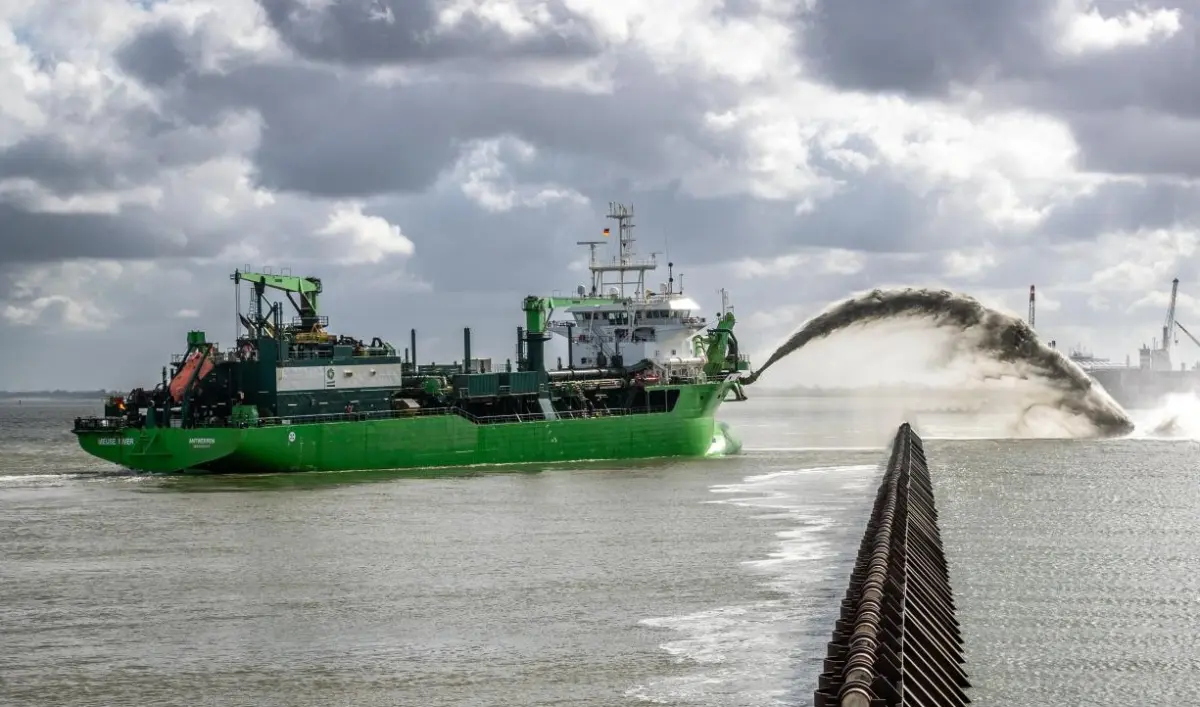
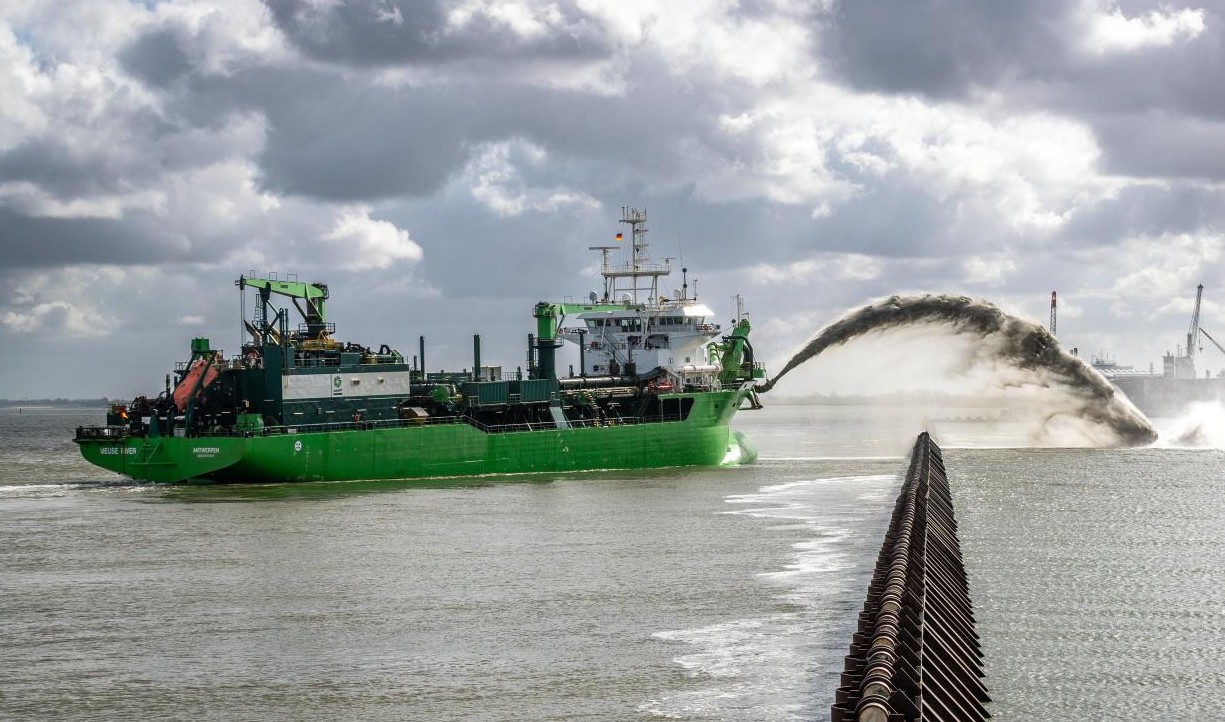
- New Trailing Suction Hopper Dredger (TSHD): Cementing its long-term commitment to maintaining the world’s most versatile and technologically advanced dredging fleet, DEME placed an order for a new, large-scale TSHD during the period. This vessel will incorporate advanced fuel-efficiency systems, green propulsion technology, and automated dredging controls to reduce carbon intensity while maximizing operational productivity.
Official Statements and Industry Insights
In a statement accompanying the financial release, DEME’s executive management expressed deep satisfaction with the group’s performance, attributing the stellar results to the dedication of its workforce and the agility of its operational strategy.
"Our half-year results for 2026 underscore the fundamental strength of DEME’s diversified business model," management noted. "Despite ongoing global uncertainties, our ability to deliver a 20% increase in net profit while maintaining an EBITDA margin above 21% speaks volumes about our operational rigor. The record performance in our Offshore Energy division highlights our pivotal role in enabling the global energy transition, while the solid recovery in Dredging & Infra proves our capacity to execute complex engineering tasks profitably."
Industry analysts have similarly lauded the results, pointing out that DEME’s disciplined approach to risk management and proactive asset renewal sets a benchmark for the marine engineering sector. By investing heavily in specialized tonnage—such as the Norse Wind and Norse Energi—DEME has effectively insulated itself from commoditized market segments, capturing high-value contracts where technical capability and engineering know-how command premium pricing.
Furthermore, market observers have highlighted the resilience of DEME’s balance sheet. The ability to generate a €466 million EBITDA while simultaneously self-funding major fleet expansions demonstrates robust cash-generation capabilities. This financial health provides DEME with the strategic flexibility to pursue opportunistic mergers, acquisitions, or large-scale tender bids as global infrastructure demands evolve.
Future Outlook: Navigating the Second Half of 2026 and Beyond
Buoyed by the strong momentum of the first six months, DEME’s executive board has updated its full-year guidance for 2026. Management now expects group turnover for the full year to slightly exceed the levels recorded in 2025, driven by the continuous execution of the €7.1 billion order book and high utilization rates across the newly expanded fleet.
Simultaneously, the company anticipates that its EBITDA margin will remain comfortably in line with the strong levels achieved in 2025, supported by strict cost control, favorable pricing dynamics in the offshore wind sector, and efficiency gains from recently integrated assets.
Strategic Tailwinds and Long-Term Catalysts
Looking toward the horizon, several macroeconomic and structural trends provide strong tailwinds for DEME’s core business segments:
- Accelerated Renewable Energy Commitments: Global policy frameworks—particularly in Europe, North America, and parts of the Asia-Pacific region—continue to mandate aggressive expansions in offshore wind capacity. DEME’s specialized fleet, anchored by its new jack-up vessels, makes it an indispensable partner for energy developers.
- Climate Adaptation and Coastal Protection: Rising sea levels and increasingly severe weather events are forcing governments worldwide to invest heavily in coastal protection, land reclamation, and climate resilience infrastructure. DEME’s centuries-old expertise in moving earth, sand, and rock positions it as a prime beneficiary of these multi-billion-dollar state expenditures.
- Technological and Environmental Innovation: As regulatory bodies clamp down on maritime emissions, DEME’s ongoing investments in dual-fuel engines, green propulsion, and energy-efficient dredging technology ensure that the company will meet tightening environmental standards without sacrificing operational margins. Clients are increasingly prioritizing sustainability credentials when awarding major tenders, giving DEME a distinct competitive edge.
In conclusion, DEME Group’s half-year results for 2026 paint a portrait of a mature, highly adaptable engineering powerhouse. By successfully balancing traditional maritime dredging with cutting-edge offshore renewable energy installations, DEME has solidified its financial foundation while remaining deeply committed to shaping the sustainable infrastructure of tomorrow. As the company steers into the second half of the year, its robust order book, state-of-the-art fleet, and disciplined financial strategy ensure it remains well-equipped to weather global headwinds and deliver long-term value to its shareholders and stakeholders alike.