







Executive Overview
Tucked away in the undulating green contours of the Lancashire countryside sits Burnley, an East Lancashire market town that offers an enticing antidote to the breathless pace and suffocating crowds of major metropolitan centers. Positioned roughly halfway between the coastal exuberance of Blackpool and the vibrant urban pulse of Leeds, Burnley welcomes roughly 2.2 million visitors annually. Far from being merely a geographic pitstop, this historic settlement—recently lauded by The Times as the friendliest town in the United Kingdom—boasts a rare duality.
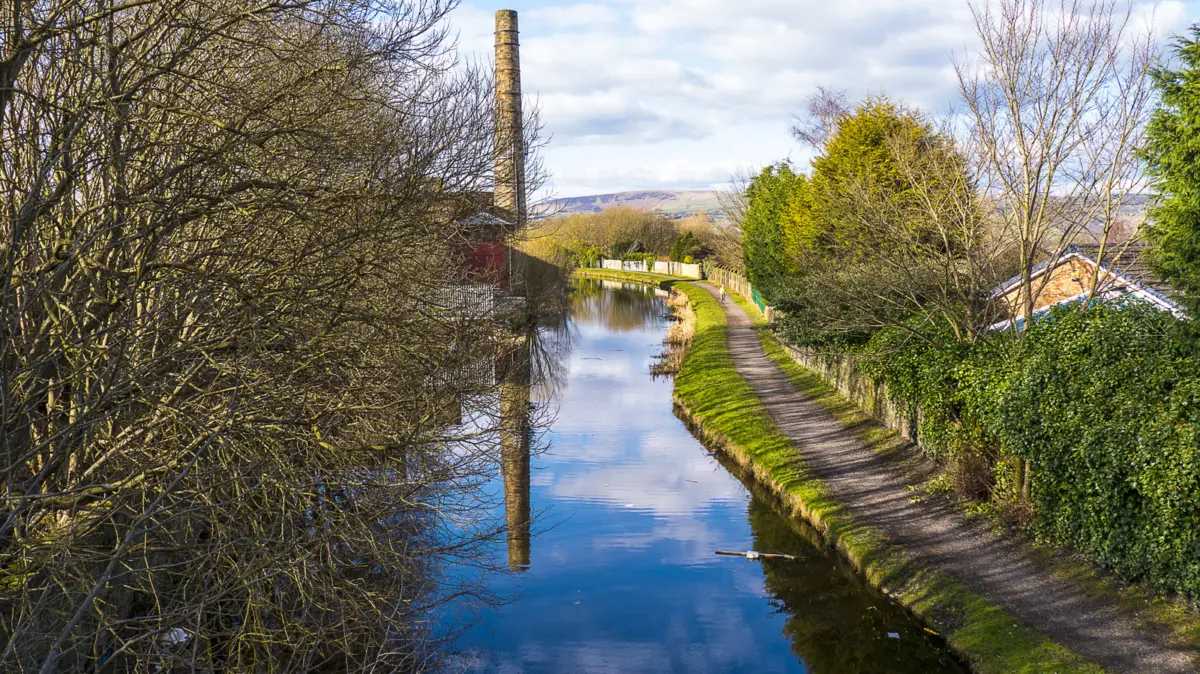
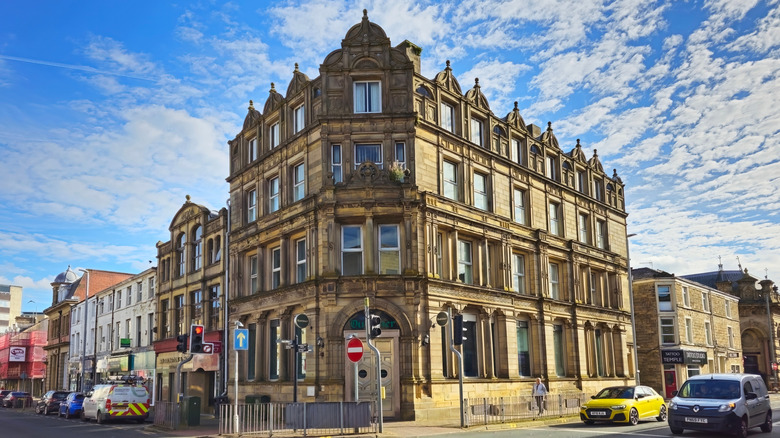
Here, historic stone architecture sits in stark, harmonious contrast against the dramatic backdrop of the Pennine hills. Remnants of a formidable cotton-manufacturing past line a tranquil network of canals, while a burgeoning contemporary culture of independent coffee shops, artisanal markets, and dynamic community initiatives breathes new life into the streetscape. Spanning a history that officially traces its market charters back to 1294, Burnley has quietly transformed into a cultural oasis in the North of England, drawing travelers eager to experience authentic British heritage unmarred by over-commercialization.
Detailed Chronology
To truly understand Burnley’s present-day appeal, one must trace its evolution from a modest medieval trading post into a titan of the British Industrial Revolution, and finally into a forward-thinking modern community.
The Medieval Foundations (13th to 18th Centuries)
Long before the clatter of machinery echoed through the valley, Burnley functioned as a traditional agricultural and market hub. The foundational roots of its local economy were firmly planted in the 13th century, highlighted by the establishment of Burnley Market in 1294. During this era, life revolved around local agriculture, sheep farming, and early woollen trade. The landed gentry, most notably the Towneley family, established vast estates in the area, leaving behind architectural masterpieces like Towneley Hall, which served as a testament to the region’s burgeoning wealth and aristocratic influence long before factories dotted the landscape.
The Industrial Revolution and the Cotton Capital (Late 18th to Early 20th Centuries)
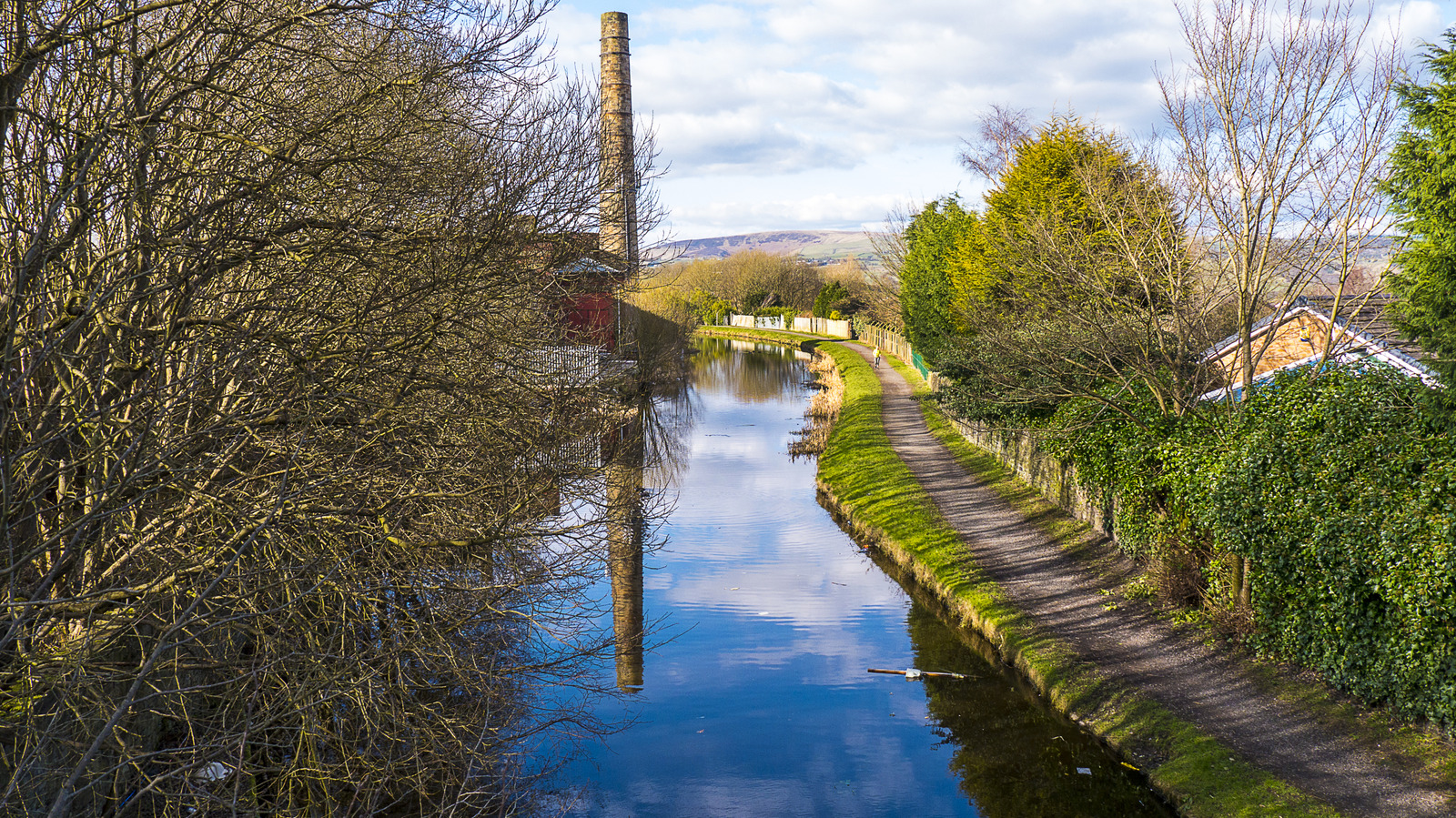
The landscape of Burnley shifted dramatically during the Industrial Revolution. Capitalizing on its proximity to coalfields and water resources, the town evolved into one of the world’s premier cotton-producing centers. By its industrial peak, Burnley was an economic powerhouse dominated by towering red-brick mills, intricate canal networks, and an estimated 79,000 mechanical looms operating simultaneously.
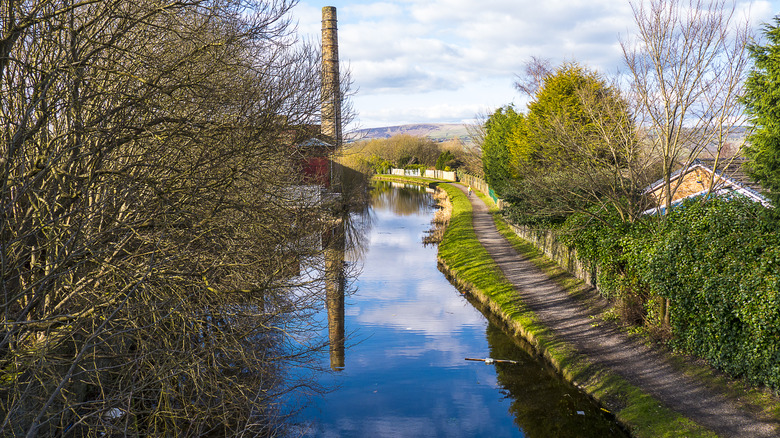
The Leeds and Liverpool Canal became the arterial lifeline of the town, moving raw materials in and finished textiles out to global markets. The Weavers’ Triangle emerged as the epicenter of this industrial frenzy—a dense concentration of engine houses, warehouses, and weaving sheds that came to symbolize the relentless ambition of Victorian manufacturing.
Post-Industrial Transition and Modern Renaissance (Late 20th Century to Present)
As global textile markets shifted in the latter half of the 20th century, Burnley faced the inevitable decline of its traditional manufacturing base. Like many northern industrial towns, it weathered economic hardship and structural unemployment. However, rather than succumbing to urban decay, the community embarked on a decades-long process of regeneration.
Old industrial sites were repurposed, canals were cleaned and converted into recreational corridors, and the historic town center was revitalized through small business initiatives. Today, Burnley has successfully bridged its proud industrial past with a vibrant, service-and-tourism-oriented economy, earning national acclaim for its unmatched community warmth and cultural resilience.
Supporting Context & Metrics
A closer examination of Burnley reveals a wealth of fascinating data, cultural touchstones, and geographic insights that underscore its rising prominence as a premier UK travel destination:
- Geographic Positioning: Burnley is situated approximately 36 miles west of Leeds and 33 miles east of Blackpool, making it easily accessible via the Burnley Manchester Road railway station and major regional road networks.
- Tourism Volume: The town attracts an estimated 2.2 million visitors each year, drawn by its heritage sites, outdoor recreation, and burgeoning food and drink scene.
- Industrial Scale: At the height of the cotton boom, Burnley housed approximately 79,000 looms, cementing its status as an international textile capital.
- Green Spaces and Architecture: Towneley Hall is set within 445 acres of sprawling parkland, offering visitors an expansive mix of historical rooms, art galleries, and woodland trails.
- Culinary & Market Culture: Burnley Market Hall features a diverse array of independent vendors, ranging from traditional Lancashire meat pies to global street food including Bengali cuisine, Mediterranean falafel, and artisanal desserts.
- The Artisan Movement: The monthly Burnley Artisan Market, held on the first Saturday of the month on St. James’s Street, regularly brings together around 70 independent bakers, food producers, and craftspeople.
- Coffee Culture: Local independent spots like Little Barista—which holds a stellar 4.7 rating on Tripadvisor and ranks #1 among the town’s cafes—highlight the sophisticated culinary shift taking place in the town center.
- Unique Local Traditions: No visit to Burnley is complete without sampling a "Bene ‘n’ Hot," a beloved local beverage crafted by combining Bénédictine liqueur with hot water, traditionally served in local pubs.
Official Statements and Expert Perspectives
Urban planners, cultural preservationists, and national media outlets have increasingly turned their attention to Burnley as a model for successful northern regeneration.
In a comprehensive feature by The Times, Burnley was crowned the friendliest town in the UK, described by reviewers as "a proper oasis of warmth in a gloomy North." This sentiment is echoed by local tourism and regeneration boards, who emphasize that the town’s welcoming atmosphere is its greatest asset.
Speaking on the preservation of the town’s industrial legacy, representatives from the Canal and River Trust have repeatedly highlighted the historical significance of regional engineering marvels like the Burnley Embankment—frequently referred to as the "Straight Mile." Local heritage advocates note that while historic sites such as the Weavers’ Triangle Visitor Centre undergo meticulous phases of refurbishment, their preservation remains paramount.
Event organizers for the celebrated Burnley Canal Festival have similarly emphasized the importance of community-led arts and heritage programming. In statements regarding the festival’s strategic pause, organizers pointed toward an ambitious, expanded edition slated for the upcoming Burnley Year of Culture, promising to draw regional and international visitors back to the historic waterways.
Future Outlook
As Burnley looks toward the horizon, the town is poised for a significant cultural renaissance. The most prominent milestone on the immediate horizon is the upcoming Burnley Year of Culture, for which the award-winning Burnley Canal Festival is currently preparing an expansive, multi-site return over the August Bank Holiday. This major cultural initiative aims to integrate the town’s rich industrial heritage with contemporary artistic expression, stretching activities across historic landmarks along the Leeds and Liverpool Canal.
Furthermore, ongoing infrastructure improvements and phased restorations—such as the planned openings at the Weavers’ Triangle Visitor Centre during Heritage Open Days—signal a continued commitment to historic preservation and tourism development.
For travelers seeking a destination that seamlessly blends the cozy charm of an ancient market town with the architectural drama of the Industrial Revolution and a genuinely warm local welcome, Burnley stands out as one of Lancashire’s best-kept secrets. Whether you are lingering over a house-roasted coffee at an independent cafe, wandering through 445 acres of parkland at Towneley Hall, or cruising past red-brick mills on a narrowboat, Burnley offers an authentic, enriching slice of English heritage that is well worth exploring.