






Executive Overview
The American dude ranch occupies a uniquely romanticized niche in the collective cultural consciousness. Born out of the late-19th-century expansion of the American West, these remote properties originally rebranded themselves to entice "dudes"—a historically colloquial term for well-dressed, urban-dwelling gentlemen seeking a temporary, sanitized taste of rugged cowboy living. Over the decades, however, the appeal of the guest ranch has fundamentally transformed. Today, vacationing at a working ranch captivates travelers from all walks of life, transcending gender, age, and background. Modern guests are no longer content merely to play dress-up; instead, they seek authentic, immersive engagements with a bygone era defined by open skies, hard work, and a profound connection to the natural world.
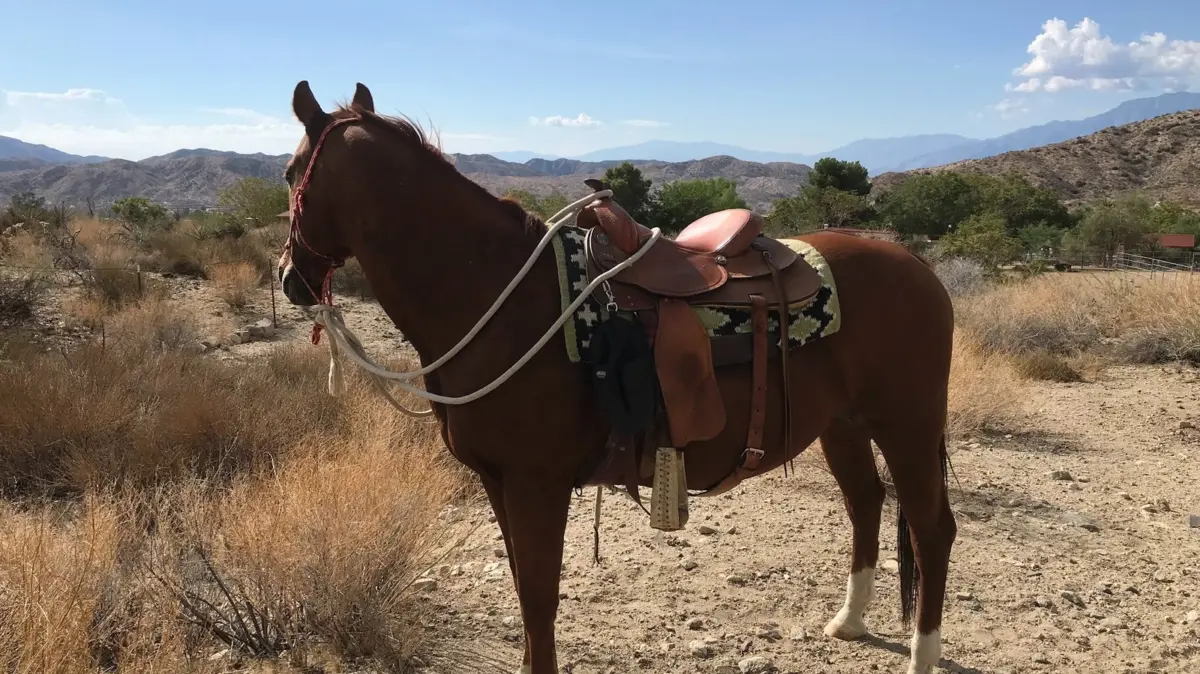
Nowhere is this modern renaissance of authentic Western culture more apparent than at the Crazy Horse Ranch in California. Situated in the stark, arresting arid desert of the Morongo Valley and just a short, scenic drive from San Bernardino, this destination offers a deep well of genuine cowboy adventures. Far from a mere tourist trap, the property provides visitors with unreal panoramic mountain views, hands-on natural horsemanship workshops, guided backcountry horseback rides, and traditional overnight guest accommodations.
Unlike conventional, tail-to-nose trail-riding operations, Crazy Horse Ranch champions a philosophy of natural horsemanship. Here, guests learn the subtle art of working with horses rather than dominating them through force. Whether visitors are novice riders seeking a gentle introduction to equestrian life or experienced equestrians looking to refine their skills, the ranch offers an immersive portal into the heart of the Mojave-adjacent wilderness. Combined with its proximity to iconic regional attractions like Big Morongo Canyon and Joshua Tree National Park, Crazy Horse Ranch stands out as a premier destination for travelers seeking a transformative escape into the American West.
Detailed Chronology and Evolution of the Guest Ranch Experience
From 19th-Century Cattle Operations to Modern Sanctuaries
The genesis of the American dude ranch can be traced back to the post-Civil War era, when transcontinental railways opened up the western territories to eastern travelers. Cattle ranchers, noticing that adventurous tourists were willing to pay for room, board, and a glimpse of frontier life, began converting their working properties into commercial guest ranches. The term "dude" quickly evolved from a derogatory East Coast label for overly fastidious dressers into a badge of honor for urbanites willing to brave the dust, saddle soreness, and unpredictable elements of the Western range.
Over the next century, dude ranches mirrored the economic and cultural shifts of the United States. They transitioned from rustic, spartan homesteads into luxurious resort ranches complete with swimming pools, gourmet dining, and spa services. Yet, in this rush toward modernization, something vital was frequently lost: the intimate, communicative bond between human and horse.
The Birth and Philosophy of Crazy Horse Ranch
In the Morongo Valley, the establishment of Crazy Horse Ranch marked a deliberate pivot back to the roots of true horsemanship. Rather than focusing on superficial leisure, ownership—led by seasoned horsewoman Jacklyn Simmons—envisioned a space where education, animal welfare, and experiential travel intersected.
Located approximately an hour’s drive from San Bernardino and just three miles north of the biologically rich Big Morongo Canyon Preserve, the ranch was designed from the ground up to challenge the traditional "follow-the-leader" trail ride model. From its inception, the ranch prioritized a hands-on approach. Guests are not simply handed the reins and told to follow a dusty trail; instead, they are invited into the corral to learn the fundamentals of equine psychology, safety, and communication long before stepping foot into the stirrups.
This chronological evolution—from working ranch to commercial dude ranch, and finally to an educational, natural horsemanship sanctuary—reflects a broader consumer demand for authentic, educational travel. Today, visitors to Crazy Horse Ranch step into a living classroom where every lesson in bridling, saddling, and body-language interpretation connects them directly to the time-honored traditions of the historic American frontier.
Supporting Context, Operational Metrics, and Landscape Architecture
The Landscape: 600 Acres of Mojave Majesty
The physical setting of Crazy Horse Ranch plays an indispensable role in the overall visitor experience. Spanning an impressive 600 acres of rugged terrain in the Morongo Valley, the property offers a vast expanse of pristine desert wilderness.
Geographically, the ranch benefits from its unique positioning between the San Bernardino Mountains and the high desert plateaus. On clear days—which are frequent in this arid microclimate—the muted, earthy tones of the surrounding mountain ranges strike a dramatic, high-contrast silhouette against the brilliant blue California sky. Visitors navigating the ranch’s extensive trail network will find themselves immersed in a classic desert ecosystem defined by striking native brush, architectural yuccas, and tall cacti lining the pathways.
Guest reviews consistently highlight the sheer visual impact of the location. One recent visitor on Google described the panoramic vistas as "outstanding," while another characterized the landscape views as "absolutely breathtaking." This environmental splendor elevates every equestrian activity from a simple physical exercise into a deeply meditative, aesthetic journey.
Operational Packages and Horsemanship Clinics
To accommodate varying schedules and levels of commitment, Crazy Horse Ranch has structured its operational offerings into distinct tiers:
- "A Cowboy 4 A Day" Package: This comprehensive program offers a full immersion into ranch life. Participants engage directly in the daily care and maintenance of the horses, enjoy a guided trail ride, and partake in a traditional ranch-style lunch on the property.
- Private Trail Rides: Ranging from one to two hours, these excursions are tailored to the rider’s specific skill level. Beginners are paired with calm, even-tempered equines, while advanced riders can request more spirited mounts capable of navigating more challenging terrain.
- Natural Horsemanship Clinics: Held on the first Saturday of every month, these specialized workshops dive deep into the mechanics of equine behavior. Topics covered include advanced bridling and saddling techniques, as well as specialized strategies for handling pushy, anxious, or nervous horses.
- Equine Bonding Naturally Weekends: Available upon special request, these intensive weekend sessions are designed for guests seeking a profound, therapeutic connection with the animals.
Accommodations and Equine Amenities
For travelers wishing to extend their stay beyond a single afternoon, Crazy Horse Ranch offers flexible lodging options. The property maintains a minimal one-night stay requirement, making it accessible for weekend warriors, alongside long-term vacation rentals for those seeking an extended desert retreat.
The ranch operates year-round, though prospective visitors must account for the region’s climate. Summers in the Morongo Valley can feature extreme, punishing temperatures; consequently, travel experts recommend scheduling visits during the spring and autumn shoulder seasons for optimal weather conditions.
Beyond human accommodations, the ranch is thoroughly equipped to cater to equine enthusiasts who wish to travel with their own animals. The property features comprehensive facilities, including an expansive obstacle course, a dedicated riding arena, a children’s playground, and a generous 5-acre horse turnout. This turnout area allows visiting or boarded horses to run freely, socialize with herd mates, and decompress in a secure, natural environment.
Official Perspectives and Guest Testimonials
The operational ethos of Crazy Horse Ranch—centering on natural horsemanship and mutual respect between human and beast—has garnered significant acclaim from both novice and veteran equestrians alike. By rejecting dominating training methods in favor of "horse whisperer" techniques, the ranch aims to foster an environment where safety, empathy, and education reign supreme.
The "Horse Whisperer" Approach in Practice
According to ranch management, the core philosophy relies on interpreting equine body language. Horses are prey animals, and their natural instincts dictate flight or fight responses when they feel threatened or misunderstood. By teaching guests how horses think and feel, trainers at Crazy Horse Ranch bridge the communication gap.
When a rider learns how to properly mount a horse while remaining cognizant of the animal’s physical and emotional state, the dynamic shifts from coercion to cooperation. This gentle methodology not only protects the welfare of the animal but fundamentally alters the psychological experience of the rider.
Voice of the Visitor: Real-World Accounts
Public reviews left by verified guests on platforms like Google underscore the success of this educational model.
- A novice rider who completed a day-long excursion noted that the experience was "unbelievable," explicitly recommending the ranch to "anyone looking for a scenic ride and to learn more about horsemanship."
- Another reviewer emphasized the high standard of animal husbandry maintained on the property, noting that the horses appeared exceptionally well-cared-for and healthy. This same guest reported feeling entirely "safe and in control" throughout the duration of their trail ride—a testament to the careful matching of rider skill levels to appropriate mounts and the efficacy of the pre-ride safety instruction.
These testimonials validate the ranch’s strategic departure from conventional commercial trail riding, proving that modern tourists are eager to embrace educational, welfare-conscious animal interactions.
Future Outlook and Regional Integration
Gateway to Regional Wonders
Looking forward, Crazy Horse Ranch is exceptionally well-positioned to capitalize on the booming market for experiential and eco-tourism in Southern California. Its strategic geographic location places it at the epicenter of a rich regional tourism network.
Located just over 20 miles from Joshua Tree National Park—widely celebrated as one of California’s most iconic and essential destinations—the ranch serves as an ideal basecamp for travelers looking to explore the broader high desert ecosystem. Adventurous visitors frequently pair their ranch stay with explorations of Joshua Tree, often utilizing the park’s lesser-known Southern Entrance. This quieter access point leads intrepid hikers through unique desert ecosystems, dramatic geological formations, and the lush, hidden expanses of the Lost Palms Oasis.
Furthermore, the ranch sits just three miles north of the Big Morongo Canyon Preserve, an internationally recognized bird-watching and hiking haven featuring abundant water, rich riparian habitats, and extensive trail systems that contrast sharply with the surrounding arid uplands.
Logistics and Accessibility for the Modern Traveler
For national and international travelers, accessibility to Crazy Horse Ranch is remarkably straightforward. The primary aviation hub servicing the region is Palm Springs International Airport (PSP). Situated a convenient drive from the Morongo Valley, PSP connects travelers to a wide variety of domestic and regional destinations across the United States. However, because certain airline routes fluctuate seasonally, travel advisors recommend verifying flight schedules and booking ground transportation well in advance.
As interest in authentic, sustainable, and educational outdoor recreation continues to surge, Crazy Horse Ranch represents the gold standard for the modern guest ranch. By marrying the rugged romance of the 19th-century American frontier with progressive, empathetic standards of animal care and environmental stewardship, the ranch ensures that the spirit of the true American cowboy remains alive, well, and accessible for generations to come.