











Executive Overview
For decades, Florida has worn the crown as America’s undisputed retirement heavyweight. The Sunshine State’s perpetual warmth, palm-lined avenues, and exemption from state income tax have drawn millions of retirees seeking to cash out their equity, buy a condo near the surf, and live out their golden years in vacation mode. Yet, as the cost-of-living crisis deepens and popular retirement corridors become increasingly congested, overpriced, and tourist-fatigued, a growing cohort of Americans is looking past the obvious.
They are searching for something quieter. They want a slower pace of life, a drastic reduction in overhead, a community-oriented atmosphere, and proximity to raw, unspoiled nature. For those ready to hang up their work boots and trade the high-stress, high-cost coastal sprawl for a peaceful southern sanctuary, the answer may not be found on a Florida postcard. Instead, it lies tucked away in the rolling, timber-rich hills of southwestern Alabama: Clarke County.
According to comprehensive regional data compiled by analytics platforms such as Niche and analyzed by Stacker, Clarke County has earned an impressive A- rating, catapulting it into the top 20 best counties for retirement in the state of Alabama. Scoring exceptionally high in metrics related to cost of living, favorable climate, and abundant outdoor recreation, this rural enclave offers a compelling alternative to retirees on a fixed income.
Home to just under 22,000 residents, Clarke County is characterized by its sparse population, deeply affordable housing market, and an abundance of untamed wilderness. While it flies largely under the radar compared to mainstream retirement destinations, this quiet county offers a masterclass in stretching a dollar without sacrificing quality of life. For seniors looking to escape the relentless commercialization of traditional retirement meccas, Clarke County represents a golden opportunity to reclaim financial peace and reconnect with the natural world.
Detailed Chronology: The Evolution of Clarke County’s Retirement Appeal
To understand why Clarke County is suddenly emerging as a premier retirement destination, it is necessary to examine how demographic shifts, economic pressures, and regional development have converged over the past decade.
Phase 1: The Historical Foundation (Pre-2015)
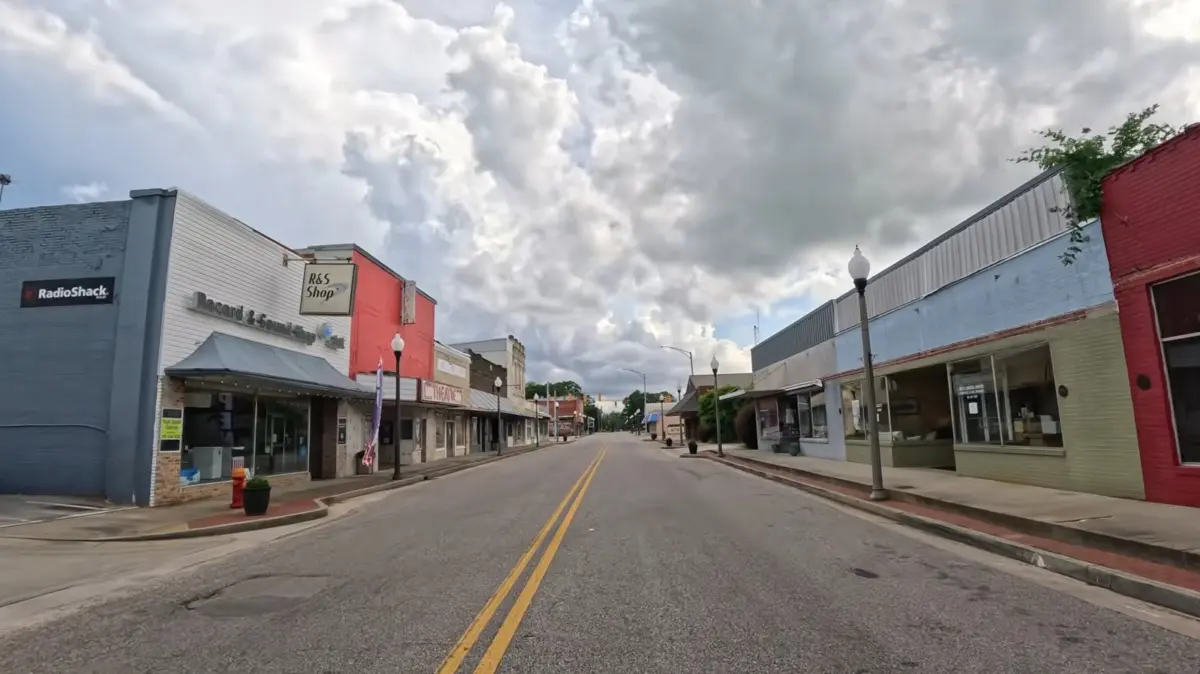
Historically, Clarke County was defined by its rich timber industry, historical landmarks along the Alabama River, and tight-knit communities centered around Jackson, Grove Hill (the county seat), and Thomasville. For generations, the local economy relied heavily on agriculture, forestry, and manufacturing. While picturesque, the region experienced steady out-migration as younger generations moved toward urban centers like Mobile, Montgomery, and Birmingham for corporate employment. For retirees, the area remained a well-kept secret known primarily to local lifers and outdoor sportsmen who appreciated its legendary hunting and fishing grounds.
Phase 2: The Affordability Squeeze and National Discovery (2015–2022)
As the broader American economy experienced significant inflation—particularly in housing and healthcare costs—traditional retirement hubs in Florida, Arizona, and the Carolinas saw their cost-of-living advantages evaporate. Property taxes surged, insurance premiums skyrocketed, and traffic congestion worsened. Simultaneously, data analytics firms began systematically evaluating U.S. counties using granular metrics encompassing healthcare access, crime rates, climate stability, and cost of living. During this period, Niche and similar research platforms began highlighting rural Southern counties that offered exceptional financial breathing room. Clarke County’s low tax burden and stable housing market began registering on the radar of demographic researchers.
Phase 3: The Post-Pandemic Migration and Data Validation (2022–Present)
The post-pandemic shift toward remote work and lifestyle recalibration accelerated interest in low-density, high-nature environments. In recent evaluations, Clarke County secured its A- retirement grade, driven by stellar marks in housing affordability and recreational infrastructure. Local municipalities—particularly Jackson, Grove Hill, and Thomasville—began receiving national attention from financial planners and lifestyle journalists as prime examples of "micro-retirement" havens where fixed incomes stretch to their absolute limits. Today, the county stands at a fascinating crossroads: preserving its historic, small-town charm while quietly welcoming a new wave of cost-conscious, nature-loving retirees.
Supporting Context & Metrics: Breaking Down the Numbers
The case for retiring in Clarke County ultimately rests on hard data. When evaluating a potential retirement location, financial sustainability, housing costs, and healthcare proximity are paramount. Here is how Clarke County stacks up against both state and national benchmarks.
1. The Real Estate Advantage
Housing represents the single largest expenditure for retirees. In national hotspots, soaring home values can drain retirement accounts within a decade. Clarke County offers a stark, refreshing contrast.
- Clarke County Average Home Value: According to recent data from Zillow, the average home value in Clarke County hovers around $141,172.
- National Comparison: This figure is more than $200,000 below the national average.
- Statewide Comparison: It sits nearly $100,000 below the average home value for the state of Alabama as a whole.
For homeowners looking to downsize, selling a home in a high-cost state and purchasing a property in Clarke County outright can free up hundreds of thousands of dollars in liquid capital. This cash cushion can then be allocated toward healthcare, travel, or long-term financial security.
2. Living Wage and Income Metrics
Financial stress is one of the leading causes of anxiety among retirees. Knowing how much income is required to maintain basic self-sufficiency provides vital peace of mind.
- MIT Living Wage Calculator Data: According to the Massachusetts Institute of Technology’s Living Wage Calculator for the region, a single adult living in Clarke County needs to earn an average of just $7.67 per hour to remain above the poverty line.
- Couples Threshold: For a two-person household, that threshold adjusts to a modest $10.40 per hour.
- Social Security Reality: With the average Social Security retirement benefit exceeding $2,000 per month, retirees living in Clarke County can comfortably cover their baseline living expenses using their government benefits alone, leaving private pensions and personal savings untouched for discretionary spending.
3. Cost-of-Living Index
When compared to Florida—which consistently ranks among the top 20 most expensive states to live in, driven heavily by property insurance crises and inflated consumer goods prices—Clarke County operates on an entirely different economic scale. Utilities, property taxes, groceries, and services all price out significantly lower than the national median, maximizing the purchasing power of every dollar.
Official Statements and Local Insights
While statistical models provide a foundation, the true character of a region is reflected in its communities and leadership. Local officials and regional planners emphasize that Clarke County’s greatest asset is not merely its low cost of living, but its deliberate preservation of a slower, more connected way of life.
Municipal leaders in Jackson and Grove Hill have long championed community-led initiatives aimed at maintaining safe neighborhoods, expanding recreational access, and supporting senior citizens. While the county is rural—situated roughly 90 miles north of Mobile, 130 miles southwest of Montgomery, and 150 miles south of Birmingham—local authorities point out that accessibility is rarely an issue for residents.
"We are far enough away from the hustle and bustle to offer genuine peace and quiet, but close enough to major metropolitan medical centers and commercial airports to ensure our residents never feel isolated," notes a regional development official familiar with southwestern Alabama’s economic landscape. "An afternoon drive connects you to world-class medical facilities in Mobile or Montgomery, but when you return home, you are greeted by star-filled skies, quiet rivers, and neighbors who know your name."
Furthermore, the Alabama Department of Senior Services provides an extensive array of programs, transportation assistance, and senior discounts designed to ease the transition into retirement. Combined with local community support networks, these resources ensure that retirees moving to Clarke County are enveloped in a safety net of care and camaraderie.
Retiring to Nature: Untamed Trails, Parks, and Waterways
For active retirees, health experts recommend achieving between 6,000 and 8,000 steps per day to maintain cardiovascular health, joint mobility, and mental well-being. Clarke County provides an inspiring landscape designed to make daily exercise feel like an adventure rather than a chore.
Hiking and Walking Trails
With a sparse population spread across picturesque terrain, the county is an outdoor enthusiast’s paradise.
- Fulton Recreational Park Trail: This short yet deeply scenic outdoor path loops through tranquil woodlands teeming with native bird species and local wildlife. It offers an ideal setting for low-impact daily walks.
- Silver Creek Park: Located in the town of Whatley, Silver Creek Park is a premier destination for local birdwatchers. The park hosts a remarkable diversity of avian species viewable throughout the changing seasons. Additionally, the park features primitive camping areas for residents seeking a mini-getaway close to home, alongside direct access to Silver Creek for paddle sports, swimming, and fishing.
A Fisherman’s and Hunter’s Dream
Water features heavily in the Clarke County lifestyle, offering endless hours of quiet recreation:
- Parker Lake: A favorite destination for kayakers and anglers, Parker Lake offers calm waters where wildlife viewing and freshwater fishing go hand in hand.
- Coffeeville Reservoir: Encompassing over 8,000 acres of prime water, Coffeeville is renowned among regional anglers for yielding exceptional catches of largemouth and crappie bass.
- Claiborne Lake: For those looking to reel in trophy catfish, the waters of Claiborne Lake provide reliable action year-round.
- Land Sports: Beyond aquatic pursuits, the county’s heavily forested expanses are celebrated for supporting robust populations of white-tailed deer, wild turkeys, quail, and feral hogs, making it a premier destination for sportsmen who appreciate ethical, land-based traditions.
Future Outlook: Is Clarke County Right for You?
As we look toward the future of American retirement trends, the allure of overcrowded beaches and high-tax coastal enclaves is beginning to wane for a pragmatic segment of the population. The future belongs to destinations that offer financial resilience, environmental health, and authentic community engagement.
Clarke County, Alabama, checks every box for the modern retiree who values substance over status. It is an invitation to step off the financial treadmill, slash your overhead, and immerse yourself in an ecosystem where nature still feels genuinely wild.
While it requires adjusting to a more rural lifestyle and accepting that major shopping malls and international airports are an hour-and-a-half drive away rather than down the block, the trade-off is profound. You gain financial security, freedom from debt, cleaner air, quieter mornings, and a front-row seat to the changing seasons of the American South.
For those willing to look beyond the predictable glamour of Florida, Clarke County stands ready to welcome you home—proving that sometimes, the best place to spend your golden years is the place the rest of the world hasn’t noticed yet.