








Executive Overview
The American Midwest is globally renowned for its sweeping agricultural tapestries—endless fields of golden corn, sprawling dairy farms, and the majestic coastlines of the Great Lakes. When travelers map out an itinerary through this culturally rich region, their imaginations are typically captured by major urban hubs. Megacities like Chicago beckon with world-class museums and Michelin-starred dining; Minneapolis offers an oasis of natural beauty as a "Twin City" boasting one of the nation’s premier park systems; and Green Bay draws passionate football pilgrims from across the globe.
However, tucked quietly between these bustling destinations along Wisconsin Highway 29 lies a different kind of American experience: Stanley, Wisconsin. With a population hovering just below 4,000 residents, this Chippewa County community defies the narrative of rural decline. Instead, Stanley is currently serving as a shining exemplar of what local tourism boards term a "Rural Renaissance."
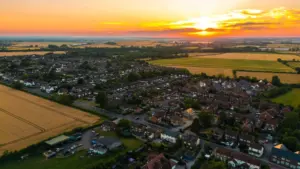
Far from being a forgotten whistle-stop, Stanley offers a masterclass in how a historic industrial town can reinvent itself for the modern traveler. Today, the town presents an idyllic pit stop for road-trippers navigating the Great Lakes region. Featuring a picturesque downtown skyline dominated by rustic grain silos rather than towering glass skyscrapers, Stanley blends outdoor recreation, living industrial history, and nostalgic Americana. From world-class fishing in Chapman Lake and a historic June rodeo to charming storefronts along North Broadway Street and classic cinematic experiences, Stanley proves that the heart of the Midwest often beats strongest in its smallest towns.
Detailed Chronology: From Lumber Giant to Modern Renaissance
To truly appreciate the vibrant community that exists in Stanley today, one must travel back through the decades to understand the economic tides that shaped its geography and architecture.
The 1890s: The Timber Boom
The story of modern Stanley began in the final decade of the 19th century. Driven by the seemingly boundless forests of the Northwoods, the Northwestern Lumber Company established a massive sawmill operation in the area. This single enterprise fundamentally transformed the landscape, turning a quiet tract of Wisconsin wilderness into a bustling, industrialized frontier town.
During this era, the rhythmic chugging of locomotives became the soundtrack of daily life. Rail lines sliced across the countryside, transporting ton upon ton of heavy timber out of the forests and funneling labor, commerce, and settlers inward. The Northwestern Lumber Company quickly established itself as one of the largest and most influential employers in the region, drawing workers from near and far and laying the physical infrastructure that would eventually become the grid of modern Stanley.
The 1920s: Economic Shocks and Industrial Transition
Every boomtown faces a reckoning when its primary resource is depleted, and Stanley was no exception. By the 1920s, the era of unbridled old-growth logging was drawing to a close. The inevitable closure of the Northwestern Lumber Company’s sawmill sent shockwaves through the local economy, threatening to turn the bustling hub into a ghost town.

Instead of collapsing, however, the community demonstrated a resilient spirit of adaptation. While the monumental sawmill was eventually dismantled, the land it once occupied was not abandoned to industrial decay. Local leadership and residents envisioned a different future for the space—one that traded smoke stacks and timber yards for green grass, recreation, and community gatherings. The former industrial powerhouse was thoughtfully transformed into Chapman Park, preserving the geographic heart of the town while shifting its purpose from extraction to preservation.
The Modern Era: The "Rural Renaissance"
Fast-forward to the 21st century, and Stanley is writing a new chapter. Local civic leaders and business owners have successfully branded this era as a "Rural Renaissance," a testament to the town’s ability to attract modern industry while retaining its historic charm.
While the historic lumber mill is long gone, the town’s economic engine has found new life. Ace Ethanol has stepped in as a major contemporary employer, anchoring the local job market and proving that sustainable, modern manufacturing can thrive in rural America. Concurrently, downtown Stanley has experienced a wave of revitalization. Historic brick buildings along North Broadway Street have been lovingly preserved, housing unique small businesses that cater to both lifelong residents and road-tripping explorers.
Supporting Context & Metrics: Exploring Stanley’s Prime Attractions
For travelers charting a course along Wisconsin Highway 29—conveniently situated precisely halfway between Green Bay and Minneapolis—Stanley offers a wealth of recreational, cultural, and commercial destinations.
Chapman Lake and Park: A 117-Acre Natural Sanctuary
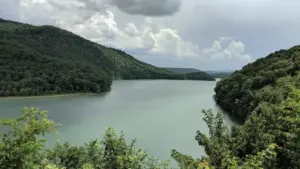
At the physical and cultural epicenter of Stanley’s outdoor life is Chapman Park, an expansive 81-acre green space that cradles the 36-acre Chapman Lake. This aquatic and terrestrial haven serves as the primary recreational backyard for the community and a major draw for visitors.
- World-Class Fishery: Thanks to aggressive conservation and management efforts by the Department of Natural Resources (DNR) in partnership with the local Stanley Sportsman’s Club, Chapman Lake is consistently stocked with a robust population of bass, bluegills, and jumbo yellow perch. Anglers are advised to consult current local regulations regarding minimum length requirements and bag limits, which vary by species. While prized game fish like walleye carry strict protections, other species, such as bullheads, enjoy no catch limits, offering accessible excitement for novice anglers and children.
- Chapman Lake Campgrounds: For those wishing to extend their stay beneath the Wisconsin stars, the park features a dedicated 29-site campground. Accommodating everything from modern RVs and pop-up campers to traditional tent campers, the grounds provide a pristine, budget-friendly wilderness experience. Priced at an accessible $35 per night or $175 per week, the campground has cultivated a fiercely loyal following. Longtime visitors frequently note the profound tranquility, the immediate proximity to prime fishing spots, and the multi-generational family traditions fostered by decades of camping beneath the pines.
- The Annual June Rodeo: Beyond fishing and camping, Chapman Park serves as the dramatic stage for Stanley’s premier annual event: the June Rodeo. This beloved tradition brings the spirit of the Wild West to the Northwoods, featuring high-octane classic events including bull riding and steer wrestling. The festivities kick off with a vibrant parade that winds its way through Stanley’s quaint downtown district, complete with local vendors, live musical performances, and family-friendly entertainment. For travelers visiting outside of June, the park still offers a brush with local wildlife via nearby Elk and Deer Parks, named in honor of the majestic herds that freely roam the grounds.
Main Street Americana: North Broadway Street
When visitors trade the tranquil shores of Chapman Lake for the paved streets of downtown, they step into a textbook study of classic American small-town commerce. North Broadway Street is lined with wonderfully preserved 19th- and early 20th-century brick facades, housing businesses that feel like living museums.
- Tessy’s Popcorn Delights: A sensory wonderland for travelers of all ages, this local staple features brightly colored aisles overflowing with nostalgic penny candy and an incredible array of freshly made flavored popcorn. It serves as an ideal pit stop to stock up on road trip provisions that will satisfy both children and nostalgic adults.
- Hazuga’s True Value Hardware: Operating as a true bastion of small-town utility, Hazuga’s is the quintessential hometown hardware store. Stocking everything from heavy-duty farm equipment parts to unique household gadgets, it is affectionately praised by locals and road-trippers alike as a place that "has a little bit of everything." For travelers executing clever road trip packing hacks—such as emergency camping gear, coolers, and localized hardware supplies—this store ensures no traveler leaves unprepared.
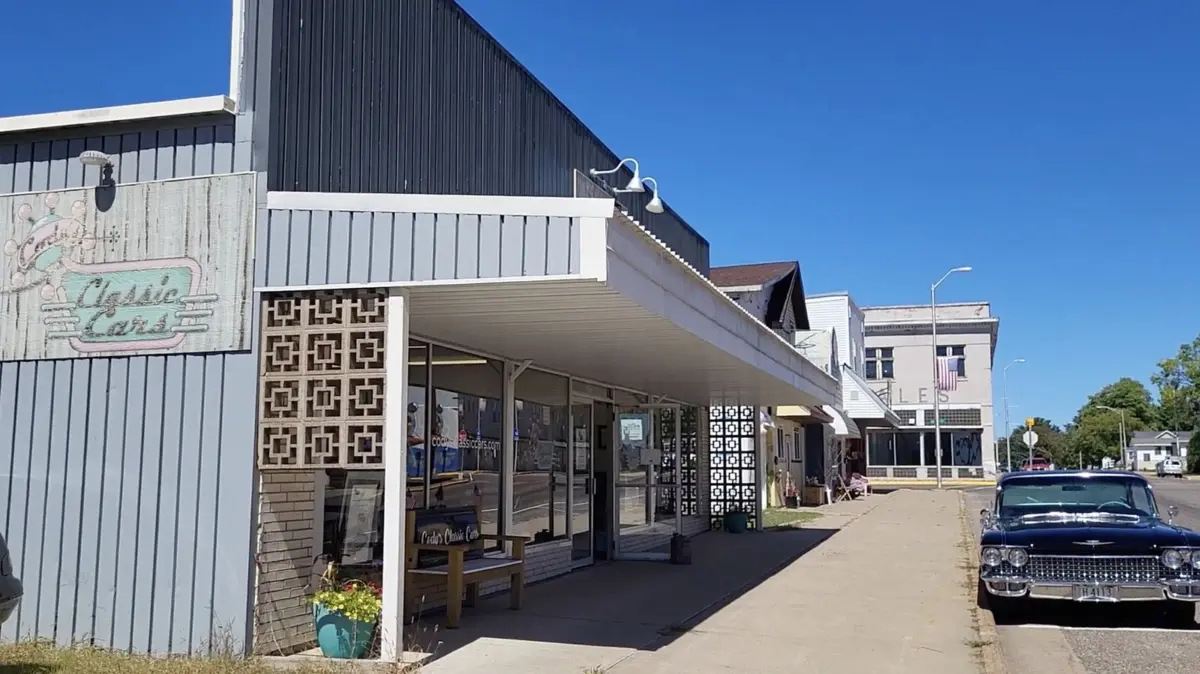
- Cody’s Classic Cars: Automotive enthusiasts will find themselves drawn to this premier destination on Broadway, where meticulously restored vintage automobiles—some dating back to the 1960s—gleam under showroom lights. Cody’s has cultivated a reputation that extends far beyond Chippewa County, frequently drawing buyers and collectors from out of state. For motorists dreaming of embarking on America’s ultimate historic cross-country road trip, securing a classic ride here offers an unforgettable start.
- The Stanley Theater: To cap off an afternoon of exploring downtown, visitors can catch a feature film at the Stanley Theater. Having first opened its doors in the 1930s, this wonderfully preserved cinematic relic transports audiences straight back to the golden age of Hollywood. Complete with its vintage marquee and old-fashioned interior architecture, attending a screening here feels less like going to a modern multiplex and more like stepping through a time portal.
Official Statements and Local Perspectives
The resurgence of Stanley has not happened by accident; it is the deliberate result of community dedication, municipal stewardship, and a shared pride in local heritage.
According to regional economic development profiles published by the Chippewa County economic framework, Stanley’s transformation is officially characterized as a "Rural Renaissance." This framework highlights the town’s unique ability to pivot from a single-industry resource extraction economy to a diversified, resilient rural hub. Municipal leaders emphasize that the town’s growth strategy centers on preserving historic architectural assets—such as the 1930s theater and downtown brick storefronts—while aggressively welcoming forward-thinking manufacturing and service enterprises like Ace Ethanol.
Local business owners and long-term residents echo these sentiments, emphasizing that the town’s appeal lies precisely in its authenticity. Reviews left by travelers and patrons on digital platforms uniformly underscore the welcoming, unpretentious atmosphere. As one multi-decade visitor of the Chapman Lake Campgrounds noted:
"We’ve been coming here for 20+ years, always enjoyed it. It is very peaceful, love being close to the lake. Great fishing areas. We have brought our children here and our grandchildren."
Similarly, reviews for foundational downtown fixtures like Hazuga’s True Value Hardware emphasize the deep-rooted community ethos, with customers declaring the staff to be "Hometown heroes for all your household or farm items. They have a little bit of everything."
These testimonials collectively articulate the prevailing ethos of Stanley: a community that honors its lumberjack past while deliberately cultivating a welcoming, sustainable environment for the modern traveler.
Future Outlook
As infrastructure projects continue to enhance connectivity across the American Midwest, secondary routes like Wisconsin Highway 29 are experiencing renewed attention from travelers seeking alternatives to congested interstate highways. In this evolving travel landscape, Stanley, Wisconsin, is positioned exceptionally well for a bright and prosperous future.
The trajectory of the town points toward a sustainable balance between heritage tourism and modern economic stability. By safeguarding its natural resources—exemplified by the careful management of Chapman Lake and its surrounding parklands—Stanley ensures that outdoor enthusiasts will continue to find pristine spaces for camping, fishing, and recreation for generations to come. Simultaneously, the proactive revitalization of downtown Broadway guarantees that small, independent businesses will continue to thrive, offering authentic retail and cultural experiences that cannot be replicated by corporate chains.
For urban dwellers escaping the frantic pace of Chicago or Minneapolis, and for cross-country road-trippers traversing the magnificent expanse of the Great Lakes region, Stanley offers a restorative pause. It is a place where grain silos pierce the horizon like monuments to honest labor, where community traditions like the annual June rodeo unite generations, and where every storefront tells a story of reinvention. As Stanley continues to write the next chapters of its Rural Renaissance, it stands ready to welcome every weary traveler looking to step back in time and rediscover the timeless charm of the American heartland.