








Executive Overview
Nestled within the undulating hills of Gloucestershire, England, the historic market town of Tetbury presents an idyllic synthesis of British heritage, architectural preservation, and rural sophistication. While the broader Cotswolds region is internationally renowned for its honey-colored limestone villages, winding rural lanes, and pastoral vistas, Tetbury commands a unique position in the British cultural and economic landscape. Beyond its cobblestone alleys and centuries-old wool-merchant residences, the town shares its immediate geography with Highgrove House—the private country residence of King Charles III.
Yet, to define Tetbury solely through its royal adjacency would be to overlook its standing as one of the United Kingdom’s premier destinations for antique connoisseurship, independent retail, and artisanal gastronomy. Boasting over twenty specialized antique dealers, a thriving bi-weekly market tradition dating back centuries, and a dynamic culinary scene that merges traditional English fare with continental influences, Tetbury offers a comprehensive case study in sustainable rural tourism. This report provides an authoritative examination of Tetbury’s historical evolution, its retail ecosystem centered on high-end antiquities, its gastronomic landscape, and its strategic placement within the broader tourism corridors of southwest England.
Detailed Chronology: From Medieval Wool Trade to Modern Heritage Haven
To understand the architectural integrity and urban layout of contemporary Tetbury, one must trace its trajectory across nearly a millennium of economic and social transformation.
The Medieval Foundation and Wool Prosperity
Long before it became a magnet for collectors and royal watchers, Tetbury was built on the wealth of the medieval English wool trade. During the high middle ages, the Cotswolds produced some of the finest wool in Europe, highly prized by continental weavers in Flanders and Italy. Tetbury capitalized on this booming commodity, transforming from a modest Anglo-Saxon settlement into a thriving market hub. The wealth generated during this epoch funded the construction of the town’s core residential and commercial infrastructure—sturdy, timber-framed, and stone-built structures that would later be refaced in the Georgian and Victorian eras, creating the seamless architectural harmony visible today.
The 17th Century and Civic Infrastructure
A critical turning point in the town’s municipal development occurred in the mid-17th century. In 1655, the Feoffees of Tetbury constructed the iconic Market House. Supported by robust stone pillars and distinguished by its warm custard-yellow exterior walls, this civic masterpiece served as the focal point for the weekly wool and grain markets. Today, the Market House stands as a testament to the town’s enduring commercial spirit, continuing to host thriving local markets twice a week.
The Georgian Realignment
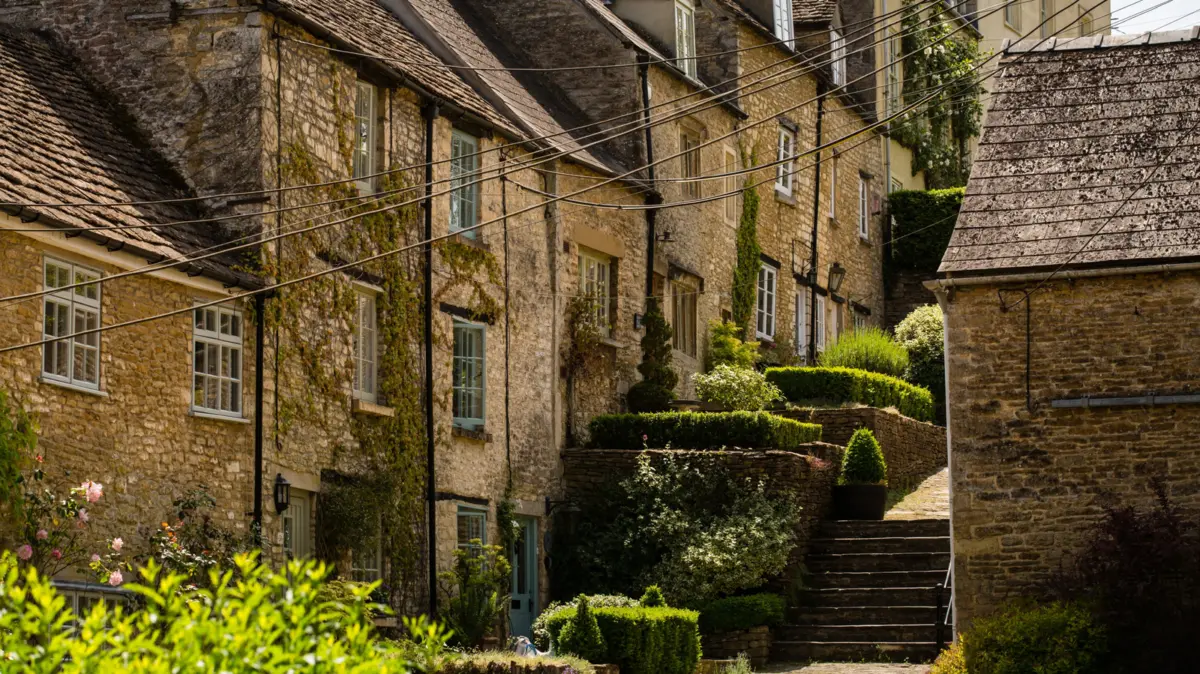
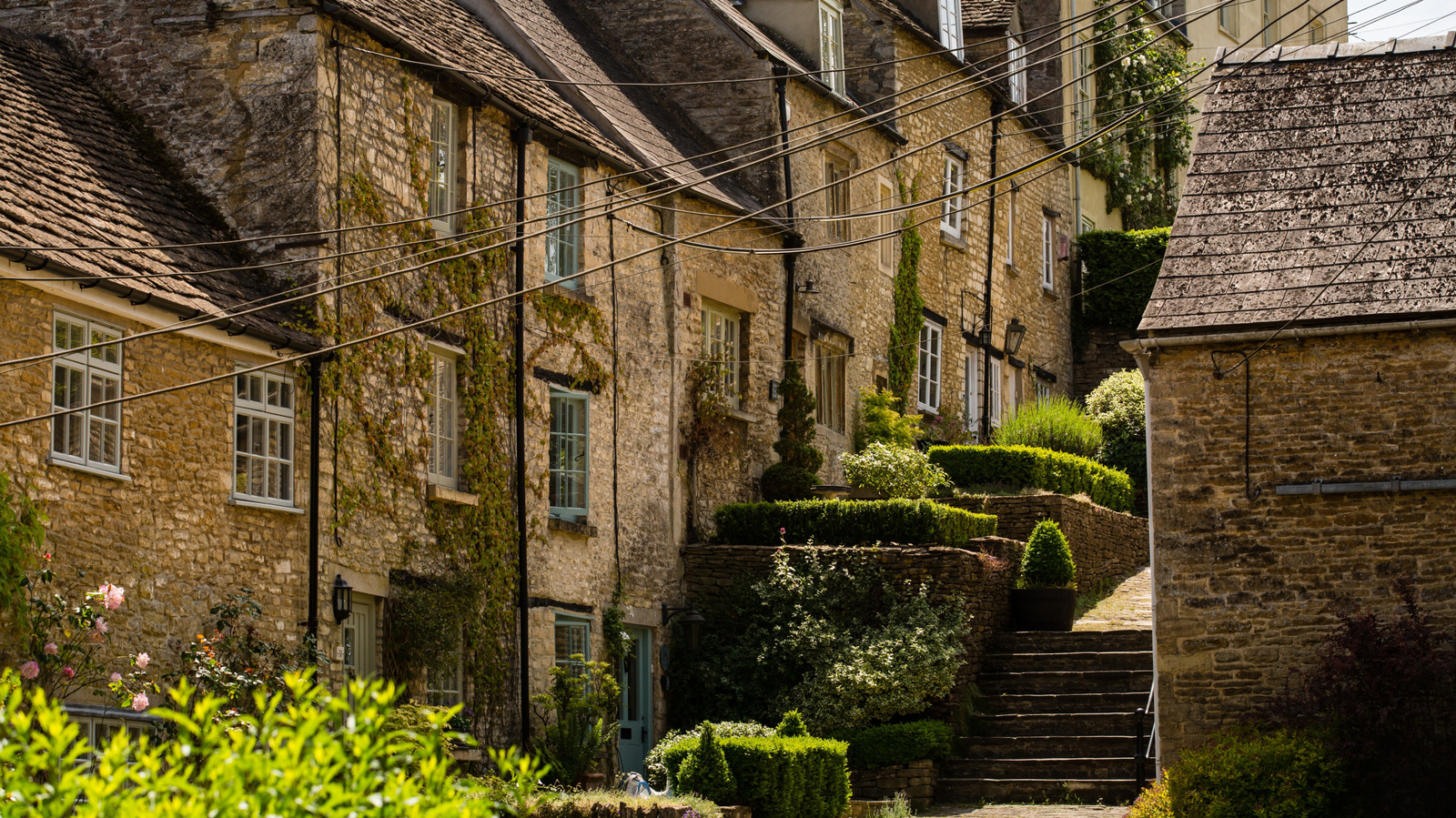
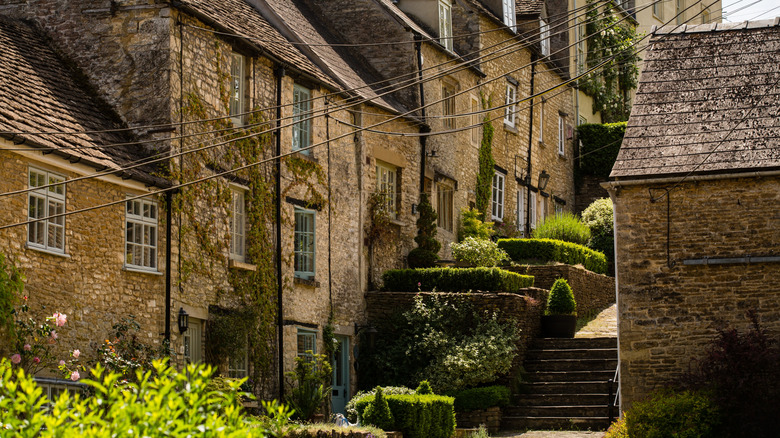
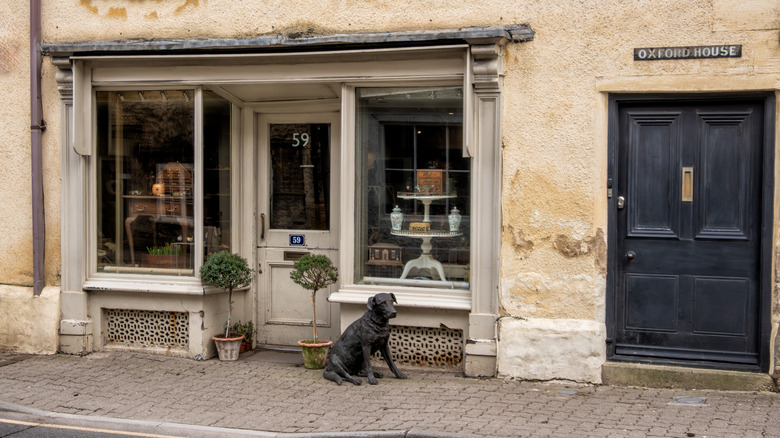
By the 18th century, the expansion of the British empire and domestic commerce prompted a architectural renaissance in Tetbury. Merchants and prosperous tradesmen replaced or remodeled medieval facades along Long Street, Church Street, and Market Place with elegant Georgian townhouses. These properties, characterized by symmetrical windows, refined brickwork, and spacious multi-story interiors, now house the antique emporiums and independent boutiques that define the town’s modern commercial identity.
The Late 20th Century: Royal Patronage and Antique Capitalization
In the latter half of the 20th century, Tetbury experienced a cultural renaissance. As heavy industry bypassed the rural market town, Tetbury pivoted toward heritage preservation and specialized retail. The arrival of Prince Charles (now King Charles III) at nearby Highgrove House in 1980 injected a new tier of national and international prestige into the area. Simultaneously, a critical mass of antique dealers recognized the commercial potential of Tetbury’s historic Georgian properties, cementing the town’s reputation as the undisputed antique capital of the Cotswolds.

Supporting Context & Metrics: Tetbury by the Numbers
To fully appreciate Tetbury’s economic and tourism footprint, it is necessary to examine the metrics that govern its appeal to international travelers and domestic day-trippers alike.
Retail and Antiquities Ecosystem
- Antique Density: Tetbury is home to over 20 specialized antique shops, concentrated primarily along Long Street and Church Street. This represents one of the highest densities of antique dealers per capita in rural Britain.
- Property Span: Major establishments routinely occupy multi-level historic spaces. For instance, Top Banana Antiques spans multiple floors of a prominent corner building, while Brownrigg utilizes a three-story Georgian townhouse.
- Market Frequency: The historic Market House plays host to bi-weekly markets year-round:
- Wednesdays: Focused on local agricultural produce, artisanal pies, and regional flora.
- Saturdays: Dedicated to vintage bric-a-brac, rare books, collectibles, and fine jewelry.
Geographic and Transport Metrics
- Compact Footprint: The town center is entirely pedestrian-friendly, allowing visitors to navigate its historic quarters on foot within a compact radius.
- Regional Connectivity: Tetbury is strategically positioned within driving distance of major heritage hubs:
- Bath: Approximately 25 miles south (accessible via connecting regional bus services), home to Europe’s most complete Roman bath complexes.
- Cirencester: Approximately 11 miles northeast, often referred to as the "Capital of the Cotswolds."
- Bristol: Roughly 30 miles southwest, providing access to an international airport and a vibrant urban arts scene.
- Castle Combe: Roughly 14 miles south, frequently cited as one of England’s most picturesque medieval villages.
Official Statements and Industry Perspectives
The preservation and promotion of Tetbury’s unique cultural ecosystem involve a collaborative effort among municipal authorities, heritage organizations, and local business collectives.
Heritage and Preservation Standards
Historic England, the public body that looks after England’s historic environment, has formally recognized the architectural significance of Tetbury’s commercial and residential stock. Numerous buildings throughout the town carry Grade II-listed status, legally protecting their historic fabric against unauthorized structural alterations.
In a statement regarding the management of historic market towns, a Historic England spokesperson emphasized the delicate balance required in rural tourism economies:
"Towns like Tetbury derive their economic vitality precisely from their visual and structural authenticity. The retention of 17th-century civic architecture alongside 18th-century commercial townhouses creates an immersive spatial experience that modern master-planned developments simply cannot replicate. Protecting these structures is not merely an exercise in nostalgia; it is an economic imperative for sustainable heritage tourism."
Local Commerce and the Antiques Sector
The Feoffees of Tetbury, the historic charitable trust that oversees key municipal assets including the Market House, frequently highlights the importance of maintaining a working market tradition rather than transforming the town into a static museum piece. Representatives from local business associations note that the synergy between high-end antique purveyors and daily community markets is what shields Tetbury from the "monoculture" effect seen in other over-commercialized tourist destinations.
Furthermore, the presence of the Highgrove Shop in the town center bridges the gap between royal enterprise and local commerce. Stocking official Highgrove products—ranging from organic English rose soaps and artisanal shortbreads to exclusive collaborations like the Highgrove x Burberry trench coat—the shop offers an official nod to the King’s environmental and agricultural initiatives, which emphasize organic farming and sustainable British manufacturing.
Future Outlook: Sustainable Tourism and Economic Resilience
As global travel trends shift away from high-density urban tourism toward slow travel, regional exploration, and authentic cultural immersion, Tetbury is exceptionally well-positioned for the decades ahead.
Embracing the Slow Travel Movement
The town’s compact, walkable layout and integration with regional walking trails (such as the Monarch’s Way and various Cotswold Way feeder paths) align perfectly with the demands of modern eco-conscious travelers. Local municipal planning focuses on enhancing pedestrian infrastructure while managing vehicular congestion along the historic High Street and Long Street corridors. By encouraging visitors to arrive via integrated public transport links from Bath or Cirencester, regional tourism boards aim to minimize the carbon footprint of incoming travelers.
Diversification of the Culinary and Retail Base
While antiques and royal memorabilia remain the primary economic anchors, Tetbury’s dining scene is undergoing a sophisticated evolution. The establishment of diverse culinary venues—ranging from traditional, Grade II-listed organic pubs like The Royal Oak to continental offerings such as Casa (Italian) and Lola & Co Tapas (Spanish)—demonstrates the town’s ability to cater to an increasingly cosmopolitan demographic of weekend visitors and remote professionals relocating from London and Bristol.
Conclusion
Tetbury successfully navigates the complex dichotomy of being both a living, breathing rural community and an internationally recognized heritage destination. By safeguarding its architectural inheritance—from the 1655 Market House to the sprawling Georgian antique showrooms—while actively embracing sustainable local commerce and high-end gastronomy, Tetbury ensures its status as one of England’s most enduringly charming country escapes for generations to come.