





SINGAPORE — Commercial shipping traffic through the Strait of Hormuz, the world’s most critical maritime energy chokepoint, has collapsed to its lowest level since May. This dramatic contraction follows a series of high-intensity, retaliatory military strikes conducted by United States forces and Iran’s Islamic Revolutionary Guard Corps (IRGC) directly targeting commercial oil tankers.
According to ship-tracking and maritime analytics data, the ten-day moving average for commodity carriers transiting the narrow waterway has plunged to just ten vessels per day. This sudden drop marks a severe escalation in regional hostilities, signaling a dangerous transition from asymmetric shadow warfare to direct, state-sanctioned kinetic targeting of civilian merchant fleets.
Executive Overview
The Strait of Hormuz, a narrow maritime artery separating the Persian Gulf from the Gulf of Oman, handles approximately one-fifth of the world’s daily petroleum consumption. For decades, international maritime law and diplomatic norms have sought to insulate commercial shipping from regional geopolitical disputes. However, the events of early September have shattered this delicate separation.
Strait of Hormuz Daily Commodity Ship Transits (10-Day Moving Average)
======================================================================
Early Week Average:  ███████████████ 15+ vessels
Saturday Average:    █████████████ 13 vessels
Sunday Average:      ██████████ 10 vessels (Lowest since May)
======================================================================
The current crisis was ignited by a rapid sequence of tit-for-tat missile and drone strikes. U.S. Central Command (CENTCOM) launched targeted strikes against three Iranian-flagged or Iranian-linked crude carriers, including a high-profile attack near Kharg Island, the crown jewel of Iran’s oil export infrastructure. Within hours, the IRGC Navy retaliated, executing strikes on three commercial tankers accused of transiting "unauthorized routes," alongside attacks aimed at U.S. naval assets in adjacent waters.
The immediate fallout has been a near-total paralysis of commercial transit. Shipping syndicates, facing exorbitant war-risk insurance premiums and an unprecedented level of physical threat, have instructed vessels to anchor in safe zones outside the gulf or seek alternative, highly costly routes. Maritime intelligence firms have raised risk assessments to "extreme," warning that commercial tankers are now being systematically deployed as instruments of economic warfare.
Detailed Chronology of the Escalation
The current maritime gridlock is the direct result of a rapid and violent sequence of events over a 48-hour period, transforming the Strait of Hormuz into an active combat zone.
CHRONOLOGY OF ESCALATION:
┌────────────────────────────────────────────────────────┐
│ 1. IRGC attacks U.S. Navy warships in the Gulf region  │
└───────────────────────────┬────────────────────────────┘
                            ▼
┌────────────────────────────────────────────────────────┐
│ 2. U.S. CENTCOM retaliates: Strikes 3 Iranian tankers  │
│    (Downy, Stark I, Kylo/Noxen) near Kharg Island      │
└───────────────────────────┬────────────────────────────┘
                            ▼
┌────────────────────────────────────────────────────────┐
│ 3. IRGC retaliates: Strikes 3 "unauthorized" tankers   │
│    and 3 additional U.S. vessels                       │
└───────────────────────────┬────────────────────────────┘
                            ▼
┌────────────────────────────────────────────────────────┐
│ 4. Shipping freeze: Transits drop to 10/day;           │
│    Zero VLCC exits recorded since Wednesday            │
└────────────────────────────────────────────────────────┘
The Catalyst: Naval Confrontations and the U.S. Response
The kinetic phase of the escalation began following repeated drone and missile strikes launched by the IRGC against U.S. Navy warships operating in the international waters of the Gulf of Oman. In response to these provocations, U.S. Central Command authorized a series of retaliatory strikes on Saturday, targeting Iranian maritime economic assets.

U.S. forces targeted three Iranian crude oil tankers: the Downy, the Stark I, and the Kylo (also operating under the name Noxen). Notably, one of these strikes occurred in the immediate vicinity of Kharg Island. Located in the northeastern Persian Gulf, Kharg Island serves as Iran’s primary maritime terminal, handling over 90% of the country’s crude oil exports. Striking a vessel in this highly sensitive zone sent a clear message regarding the vulnerability of Tehran’s primary economic lifeline.
The Iranian Retaliation
Tehran’s response was swift and symmetrical. Within hours of the U.S. strikes, the IRGC Navy issued a public declaration claiming responsibility for retaliatory strikes against three commercial oil tankers transiting the Strait of Hormuz. The IRGC justified the strikes by asserting the vessels were utilizing "unauthorized routes" through the strait, a claim widely dismissed by international maritime lawyers as an attempt to unilaterally rewrite transit rights under the United Nations Convention on the Law of the Sea (UNCLOS).
Additionally, the IRGC claimed to have targeted three U.S. vessels—including both military assets and commercial ships under U.S. escort—in surrounding waters. This coordinated counter-offensive effectively transformed the strait from a commercial shipping lane into an active, multi-directional crossfire zone.
Supporting Context & Metrics
The quantitative impact of these hostilities on global trade was immediate, as documented by real-time shipping telemetry and market intelligence.
The Transit Collapse in Numbers
Data compiled by the maritime analytics firm Kpler highlights the sudden drop in traffic:
- The 10-Day Moving Average: On Friday, the 10-day moving average of commodity ships transiting the strait stood at more than 15 vessels. By Saturday, as news of the strikes spread, the average fell to nearly 13. By Sunday evening, the average hit a low of 10 vessels per day, a level not seen since the spring.
- Daily Volumetric Drop: On Saturday, the day of the primary strikes, only two vessels successfully completed a transit through the strait. On Sunday, traffic recovered slightly to six vessels, though maritime analysts noted that these ships primarily utilized the Iranian-controlled northern transit routes, likely under duress or via pre-negotiated security arrangements with Tehran.
Vessel Transits Through the Strait of Hormuz (Early September)
┌──────────────────────────────┬──────────────────────────────┐
│ Date                         │ Transiting Vessels (Daily)   │
├──────────────────────────────┼──────────────────────────────┤
│ Friday, Sept 4               │ 15                           │
│ Saturday, Sept 5             │ 2                            │
│ Sunday, Sept 6               │ 6                            │
└──────────────────────────────┴──────────────────────────────┘
VLCC and Refined Product Disruptions
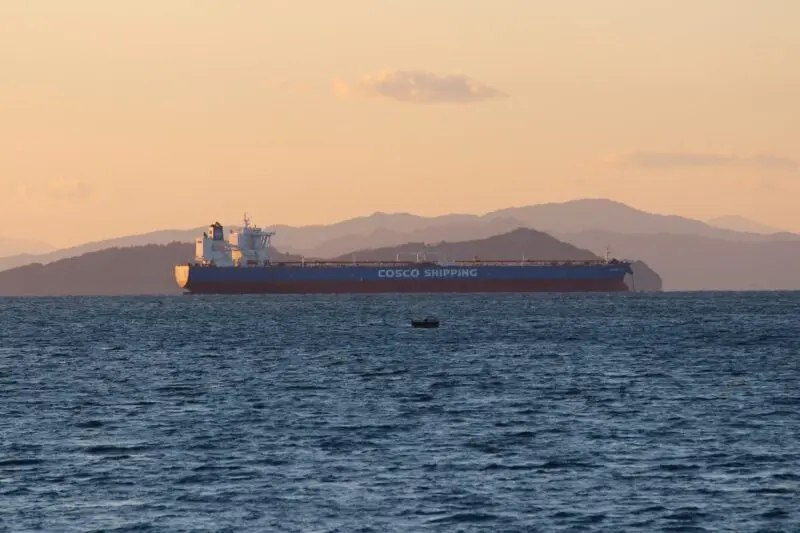
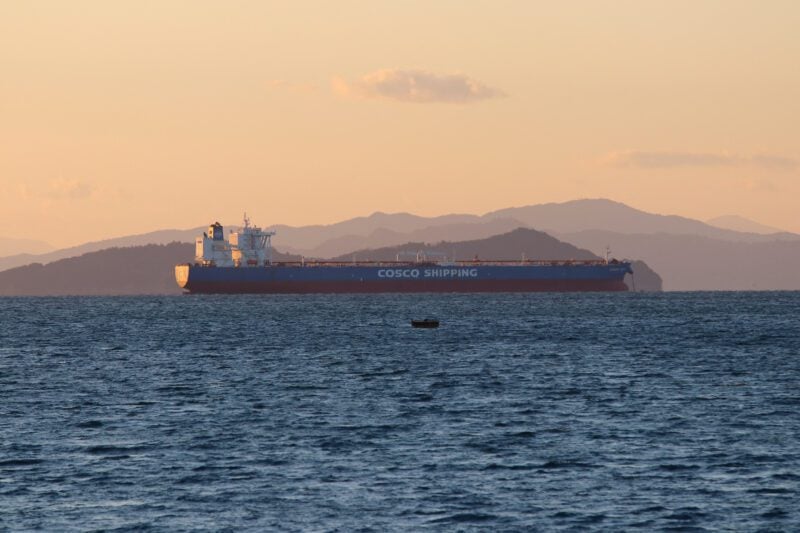
The disruption has hit the largest class of crude carriers particularly hard. Very Large Crude Carriers (VLCCs), which carry up to two million barrels of oil each, have virtually vanished from the outward lanes of the strait. Kpler data confirmed that no VLCC has exited the Strait of Hormuz since Wednesday, representing a massive bottleneck of crude destined for refineries in Asia and Europe.
Furthermore, shipping data from the London Stock Exchange Group (LSEG) illustrated the operational chaos on the water. On Sunday, a product tanker carrying high-value refined petroleum products, which had loaded its cargo at a major Saudi Arabian port, attempted to exit the Persian Gulf. Mid-transit, the vessel aborted its voyage and turned back, seeking safe anchorage inside the gulf rather than risking passage through the highly contested strait.
A Summer of Escalating Violence
While the weekend’s events represent a major escalation, they are part of a broader trend of deteriorating maritime security. The United Kingdom Maritime Trade Operations (UKMTO), which monitors merchant shipping and coordinates security in the region, reported in its weekly brief that there have been 27 discrete projectile strike incidents in and around the Strait of Hormuz since July 6. These incidents, ranging from loitering munitions (kamikaze drones) to anti-ship cruise missiles, have resulted in varying degrees of structural damage to merchant vessels.
Official Statements and Geopolitical Implications
The transition from targeting state-owned military assets to striking civilian-operated commercial vessels has drawn sharp condemnation from maritime security organizations and international analysts.
The Weaponization of Merchant Shipping
In an analytical note, the maritime intelligence and risk management firm Marisks described the weekend’s events as a "major escalation" that fundamentally alters the rules of engagement in the Persian Gulf.
"Commercial tankers are now being deliberately used as instruments of reciprocal economic pressure, substantially weakening the previous distinction between military confrontation and commercial shipping. Risk is therefore assessed as extreme for Iranian or Iran-linked tonnage, and materially elevated for U.S.-linked or U.S.-escorted shipping throughout the Strait of Hormuz and Gulf of Oman."
— Marisks Intelligence Briefing
By directly targeting the Downy, Stark I, and Kylo, the U.S. military demonstrated its willingness to strike at Iran’s shadow fleet of tankers—often used to bypass international sanctions. Conversely, by targeting vessels under the guise of "unauthorized route" violations, Iran has signaled its intent to assert administrative and military control over a waterway that international law designates as an international strait.
Future Outlook and Global Economic Impact
The prolonged closure or severe disruption of the Strait of Hormuz carries profound implications for the global economy, energy security, and maritime insurance frameworks.
POTENTIAL GLOBAL CONSEQUENCES:
┌──────────────────────────────┐
│  Skyrocketing War-Risk       │
│  Insurance Premiums          │
└──────────────┬───────────────┘
               ▼
┌──────────────────────────────┐
│  Crude Oil Price Volatility  │
│  (Brent and WTI Spikes)      │
└──────────────┬───────────────┘
               ▼
┌──────────────────────────────┐
│  Supply Chain Delays for     │
│  Liquefied Natural Gas (LNG) │
└──────────────┬───────────────┘
               ▼
┌──────────────────────────────┐
│  Accelerated Search for      │
│  Bypass Pipelines & Routes   │
└──────────────────────────────┘
The Insurance Crisis and Freight Rates
The immediate impact of the conflict will be felt in the insurance markets. The Lloyd’s Joint War Committee (JWC), which assesses risk areas for global shipping, is expected to expand its high-risk listed areas and significantly raise war-risk premiums. For a standard VLCC transit, these premiums can add hundreds of thousands of dollars to a single voyage, costs that are ultimately passed down to consumers at the pump. If the risk remains "extreme," shipowners may refuse to charter vessels for Persian Gulf routes entirely, regardless of the financial incentives.
Energy Market Volatility
While global oil markets have historically shown resilience to short-term geopolitical shocks, a structural halt in VLCC transits out of the Persian Gulf will eventually strain global inventories. If Middle Eastern crude remains locked behind the Strait of Hormuz, refiners in Asia—particularly in China, India, and Japan—will be forced to rapidly source alternative sweet and sour grades from West Africa, the U.S. Gulf Coast, and the North Sea, driving up global benchmarks such as Brent and WTI.
Alternative Logistics and Bypass Limitations
The current crisis will put alternative energy transport infrastructure to the test. Saudi Arabia’s East-West Pipeline, which can transport crude from its eastern fields to the Red Sea port of Yanbu, and the Abu Dhabi Crude Oil Pipeline, which terminates at Fujairah on the Gulf of Oman, offer some bypass capability. However, these systems have finite capacity and cannot fully replace the 20 million-plus barrels of oil and liquefied natural gas (LNG) that flow through the Strait of Hormuz daily.
As diplomatic channels remain strained and military postures harden, the maritime industry must prepare for a prolonged period of instability. The distinction between commercial trade and geopolitical conflict has eroded, and the Strait of Hormuz remains a highly volatile flashpoint where a single miscalculation could trigger a broader global economic crisis.