










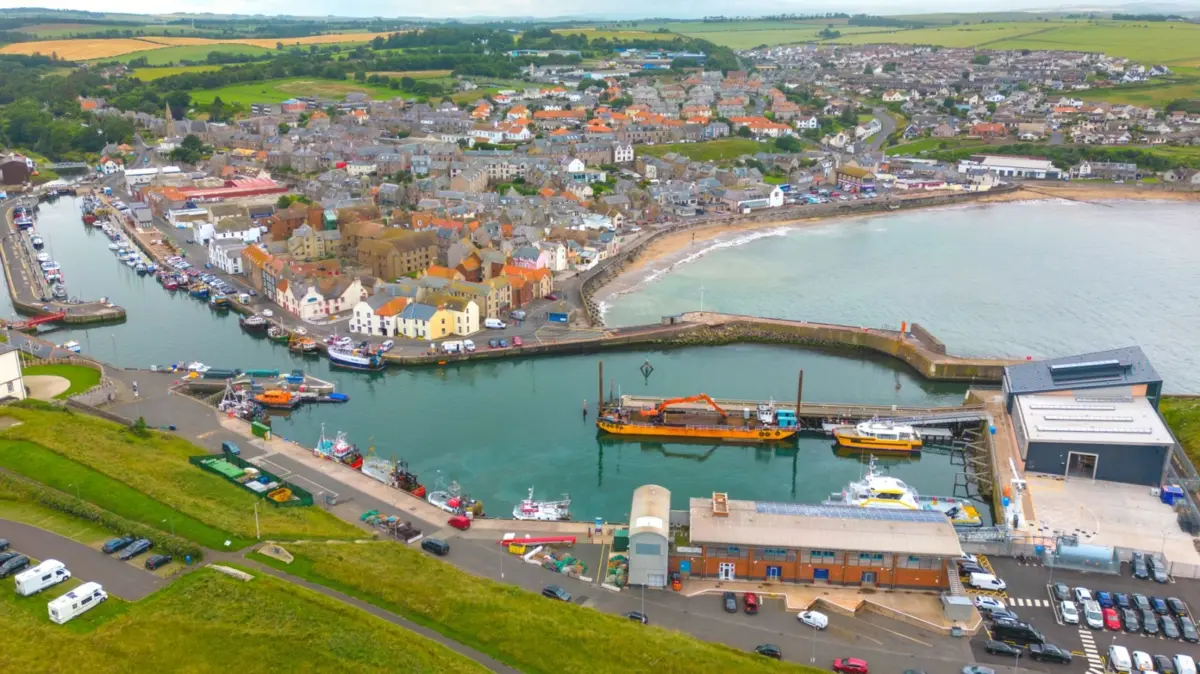
Executive Overview
When travelers turn their attention toward Scotland, their itineraries are almost universally drawn to the dramatic, cobbled expanses of Edinburgh’s historic Old Town or the sweeping, moody peaks and glens of the Scottish Highlands. Yet, nestled quietly along the Berwickshire coastline in the Scottish Borders lies an alternative narrative—one written in salt air, rugged granite, and centuries of maritime endurance. Eyemouth, a tranquil coastal settlement positioned comfortably between the metropolitan hubs of Edinburgh to the north and Newcastle upon Tyne to the south, offers an understated yet profoundly rich escape from the bustling tourist corridors of central Scotland.
Characterized by its sheltered working harbor, expansive golden beaches, and a deep-rooted fishing legacy that stretches back centuries, Eyemouth represents a masterclass in coastal charm. Far from the commercialized congestion found in other regional hotspots, this North Sea sanctuary delivers a potent mix of untamed natural beauty, accessible shore fishing, world-class diving conditions, and an emerging culinary scene centered entirely on the bounty of the adjacent waters. As modern travelers increasingly seek authentic, crowd-free destinations that prioritize heritage and natural immersion, Eyemouth stands out as an essential discovery on the Anglo-Scottish border.
Detailed Chronology & Historical Context
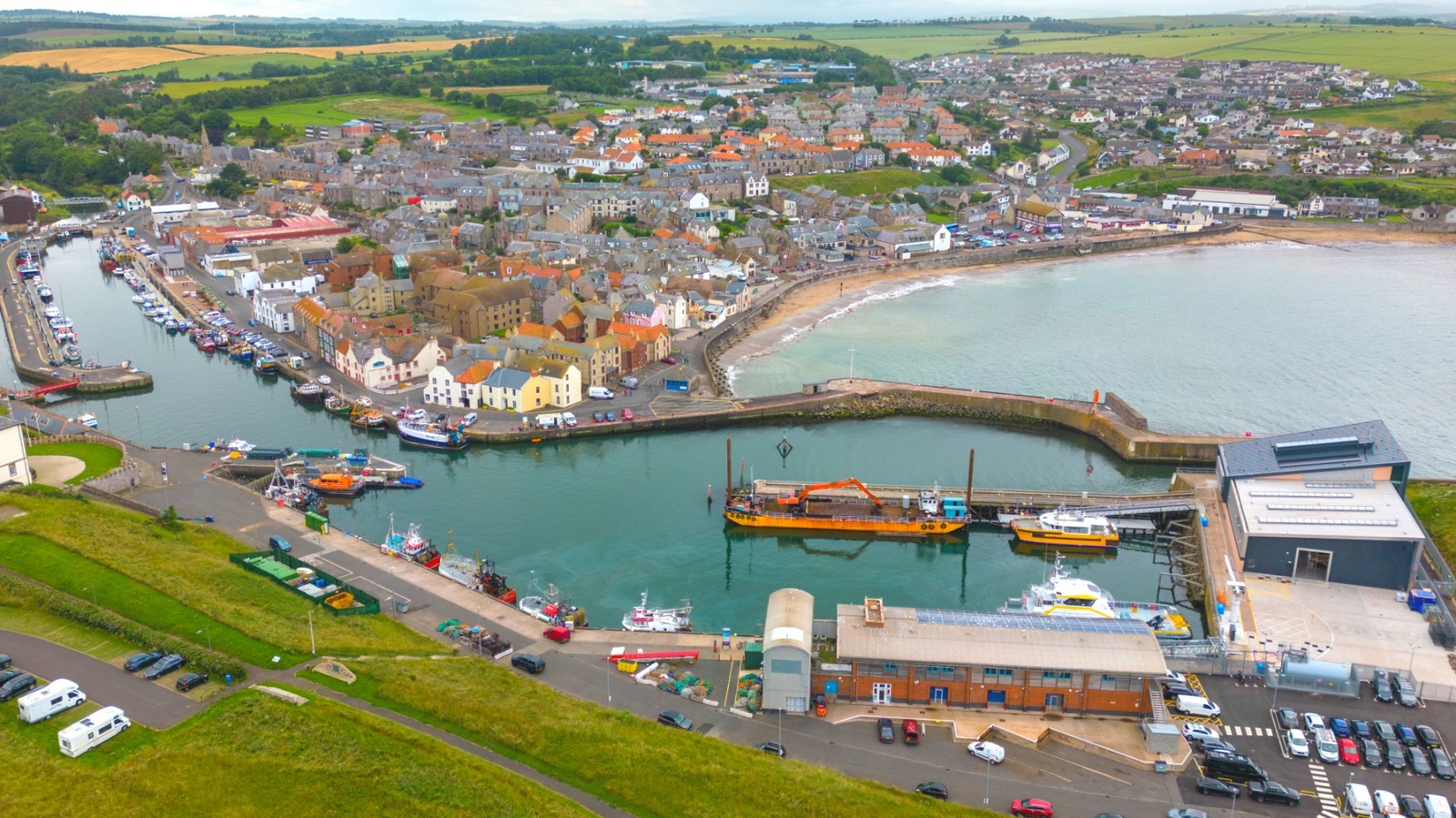
To truly understand Eyemouth, one must look beyond its picturesque surface and examine the layered history that has shaped its landscape and community fabric since the 13th century. Named after the Eye Water River, which gently empties into the North Sea at this very point, the town’s geographic positioning made it a natural hub for maritime commerce and fishing fleets from the medieval era onward.
From Medieval Port to 19th-Century Resilience
Throughout the centuries, Eyemouth developed from a humble river-mouth landing into a thriving hub of maritime activity. However, the town’s defining historical moments are marked not just by commercial growth, but by profound resilience. The most harrowing chapter in Eyemouth’s collective memory occurred on October 14, 1881, an event forever etched into local lore as the Great East Coast Fishing Disaster. A ferocious, unexpected storm swept across the North Sea while the local fleet was at sea, resulting in the catastrophic loss of 189 fishermen from the Berwickshire coast alone—with 129 of those souls hailing from Eyemouth. Nearly every family in the town was touched by the tragedy, leaving a legacy of widowhood and hardship that fundamentally altered the demographic and emotional landscape of the community.
Preserving the Past: The Eyemouth Museum and Old Coble House
Today, this rich and poignant history is meticulously preserved for visitors and descendants alike. At the heart of the town’s cultural preservation efforts is the Eyemouth Museum, housed within the historic Auld Kirk. The museum serves as an emotional and educational anchor, offering exhibits dedicated to the fishing disaster, the unique cultural phenomenon of the "Fisher Lassies"—the hardworking women who gutted and packed the daily catch along the migratory routes of Britain’s coastline—and the broader socio-economic evolution of the port.
Complementing the museum is the ongoing community-led initiative surrounding the Old Coble House. This historic, currently disused building once served as a vital boat depot during the height of the town’s commercial fishing era. Local preservationists are actively working to restore the structure to its former glory, ensuring that the physical architecture of Eyemouth’s maritime past endures for future generations.
Supporting Context & Metrics: Geography, Accessibility, and Natural Assets
Strategic Location and Accessibility
Eyemouth’s geographic advantage lies in its accessibility. Situated in the southeastern corner of Scotland within the historic county of Berwickshire, the town acts as a natural gateway between Scotland and England.

- From Edinburgh: Travelers can reach Eyemouth via an approximate 50-mile drive south, taking roughly one hour primarily along the A1 corridor.
- From Newcastle upon Tyne: The journey heading north spans approximately 75 miles, crossing the border region in under an hour and a half.
This proximity makes Eyemouth exceptionally well-suited for both extended coastal holidays and seamless day trips from major urban centers, offering a drastic change of pace from city life within a remarkably short transit window.
Coastal Topography and Marine Biodiversity
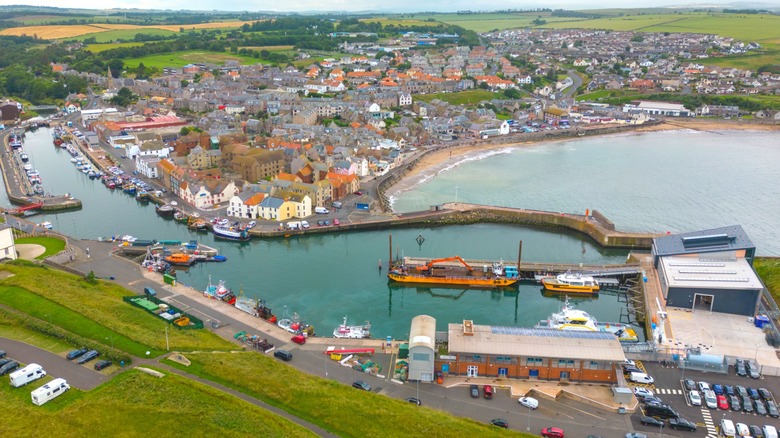
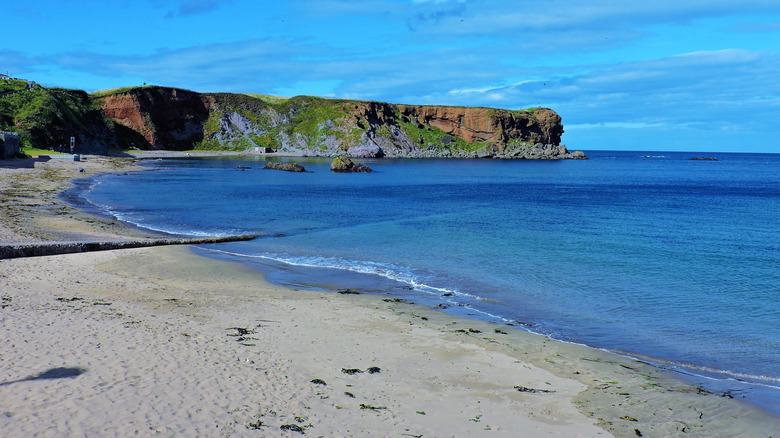
The natural environment surrounding Eyemouth is defined by a striking contrast between soft, sandy stretches and dramatic, weather-beaten cliffs.
- Eyemouth Beach: Positioned just north of the rustic harbor, this sandy expanse is a favorite for local walkers and open-water swimmers. Despite lacking formal lifeguard services, a dedicated community of wild swimmers frequent the waters year-round, braving low winter temperatures for the therapeutic benefits of the North Sea.
- Tidal Pools and Wildlife: As the tide recedes, a series of natural tidal pools emerge along the harbor edges, teeming with small crabs, starfish, and marine flora. During the summer months, grey seals are frequently spotted lingering near the harbor entrance or bobbing just off the coast.
- Diving and Snorkeling Capital: Below the surface, Eyemouth’s coastal topography transforms into a premier destination for underwater exploration. Characterized by narrow gullies, rocky coves dense with kelp, and remarkable underwater visibility, the local waters attract scuba divers and snorkelers from across the United Kingdom, offering an aquatic ecosystem largely untouched by mass tourism.
Culinary Heritage and Recreational Angling
A Fisherman’s Haven: Angling Dynamics
For recreational anglers, Eyemouth offers diverse terrain that accommodates both casual weekend fishers and dedicated specialists. Because recreational sea fishing in Scotland does not require a rod license—provided activities are conducted within authorized areas—the town’s coastline is wide open for exploration.
Local angling enthusiasts point to three distinct zones around Eyemouth, each offering unique catches:
- Eyemouth Heath View / Holiday Park Cliffs: Situated near the rugged northern cliffs, this area features challenging, rocky terrain ideal for solitary fishing sessions targeting flatfish, coleys, and colorful wrasse.
- Eyemouth Harbor Jetty: For those seeking accessible, snag-free conditions, the harbor jetty provides a comfortable platform, particularly suited for families and casual anglers.
- Gunsgreen Point: Located on the east-facing side of the port, this promontory is widely recognized as a prime spot for harvesting mackerel, coalfish, and pollock.
For travelers seeking up-to-date topographical maps and regional regulations, resources provided by Fisheries Management Scotland and Angling Scotland offer comprehensive digital mapping tools.
Fresh Catch: The Culinary Landscape
A visit to Eyemouth is incomplete without indulging in its culinary output. The local dining scene marries maritime tradition with modern hospitality, ensuring that the day’s catch travels mere yards from the boat to the plate.
- The Ship Bar & Restaurant: Positioned directly on the waterfront, this establishment offers diners front-row views of the working harbor alongside traditional plates featuring the freshest local seafood.
- The Contented Sole: Another harbor-side staple renowned for elevating classic pub fare with a maritime twist, serving up locally sourced haddock and chips alongside contemporary coastal dishes.
- Oblò Bar and Bistro: For travelers seeking a more refined culinary experience, this chic bistro blends Scottish ingredients with European techniques, offering savory bites in a sophisticated setting.
For those looking to expand their culinary road trip further south, the journey can easily extend across the border into Northumberland, England, where historic coastal settlements like Bamburgh offer complementary experiences featuring dramatic cliffside castles, local camping sites, and additional fresh seafood markets.
Future Outlook
As domestic tourism trends increasingly pivot toward sustainable, less-crowded destinations that honor local heritage, Eyemouth stands at a fascinating crossroads. Unlike heavily commercialized coastal towns that risk losing their authentic character to mass tourism, Eyemouth has managed to protect its working-port identity while quietly welcoming travelers in search of genuine substance.
Future developments in the region hinge on community-led preservation initiatives—such as the aforementioned restoration of the Old Coble House—and regional tourism strategies aimed at promoting the Berwickshire coastline as a premier eco-tourism and outdoor adventure destination. With its rich tapestry of maritime history, thriving marine ecosystems, world-class diving spots, and an unpretentious culinary scene centered on sustainable local fisheries, Eyemouth is well-positioned to maintain its status as one of Great Britain’s best-kept coastal secrets. For urban dwellers seeking respite in Edinburgh or Newcastle, or international travelers looking to venture beyond the beaten tourist track, this charming border town offers an enduring glimpse into the authentic soul of the Scottish coast.