






Executive Overview
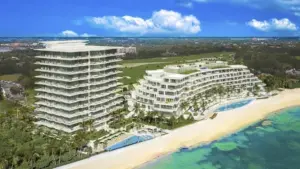
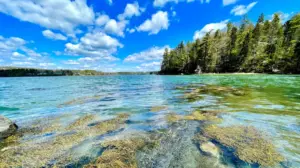
Aruba is globally recognized as a premier Caribbean destination, celebrated for its pristine white-sand beaches, reliable trade winds, and high-rise luxury resort corridors that line the northern coast. Yet, far removed from the climate-controlled lobbies of Palm Beach and the sterile efficiency of all-inclusive beachfront properties lies a completely different facet of the island. It is an Aruba defined by maritime heritage, residential charm, coastal mangrove edges, and a slower, more authentic pace of life.
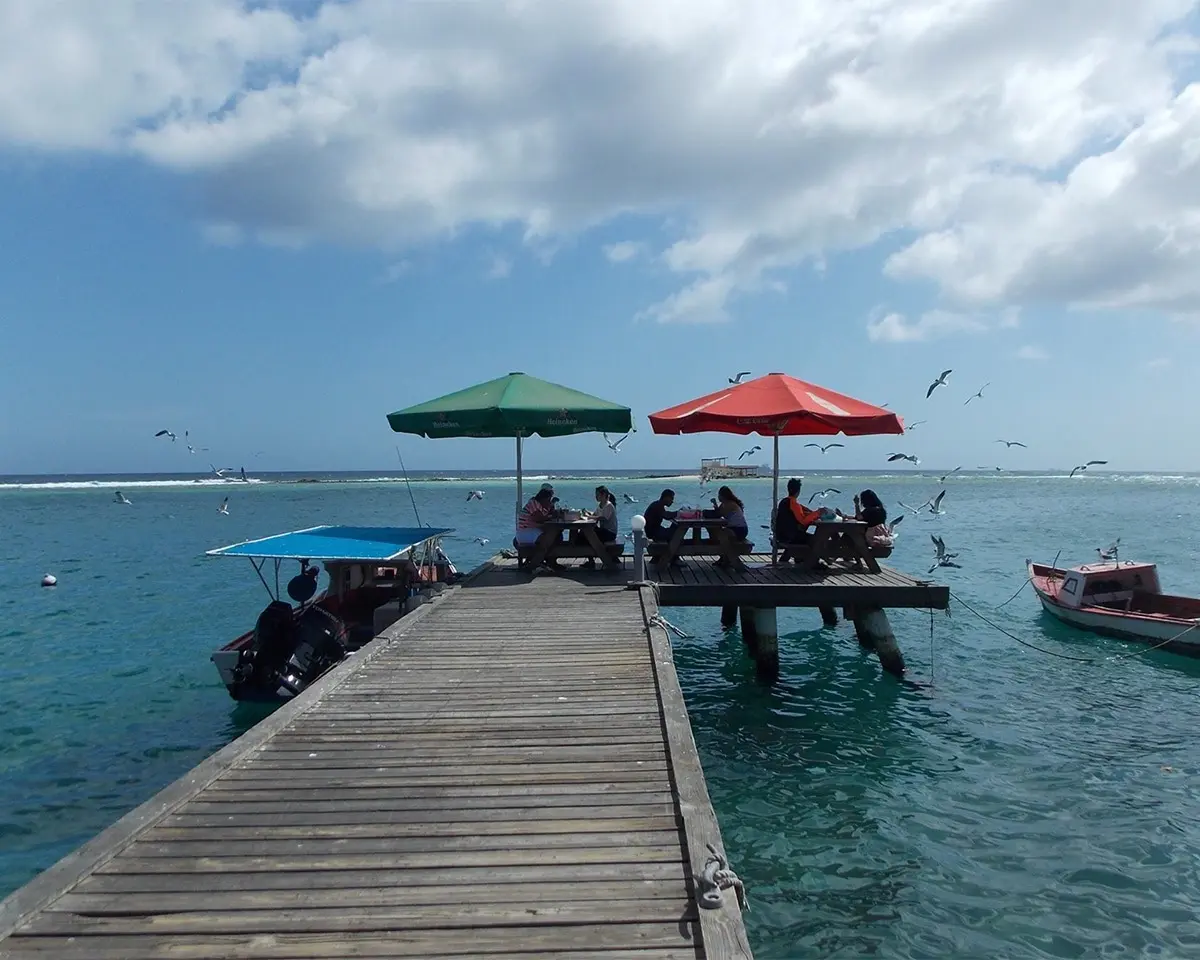
At the center of this cultural landscape sits Zeerovers, an unpretentious open-air seafood sanctuary located in the historic coastal village of Savaneta. Operating as a hybrid fish market and dockside fry shack, Zeerovers has cultivated a legendary reputation that spans over a decade of travel journalism and culinary documentation. Featured prominently among the island’s elite dining establishments, the venue rejects conventional fine-dining tropes in favor of an entirely raw, hyper-local culinary philosophy: the catch dictating the menu, ordered by weight, fried to order, and served in colorful plastic baskets on a pier extending directly over the Caribbean Sea.
Despite a continuous tourism boom and surging visitor arrivals across Aruba, Zeerovers has successfully resisted corporate homogenization. It remains a vital cultural crossroads where international travelers, visiting expatriates, and lifelong Arubans rub shoulders while waiting in the signature midday queue. This exhaustive report investigates the enduring appeal of Zeerovers, examining its operational model, its historical significance within Savaneta—Aruba’s former capital—and its irreplaceable role as a cultural anchor preserving the island’s authentic culinary identity amidst rapid modernization.
Detailed Chronology: The Evolution of Savaneta and Its Culinary Anchor
To understand the cultural weight of Zeerovers, one must first trace the historical trajectory of Savaneta, the cradle of Aruban civilization. Long before the northern coastline transformed into a glittering strip of international hospitality brands, Savaneta served as the island’s first capital and the primary landing point for indigenous inhabitants, European colonizers, and maritime traders alike.
From Colonial Outpost to Working-Class Fishing Village
Historically, Savaneta’s identity has been inextricably tied to the sea. Generations of Aruban families subsisted on artisanal net-fishing, boat building, and coastal foraging. The waterfront was not a playground for leisure tourists, but a vital industrial and economic zone where wooden sloops docked to unload daily yields of snapper, grouper, barracuda, and shrimp.
As Aruba’s economy pivoted toward mass tourism in the latter half of the 20th century, the island’s capital shifted to Oranjestad, and the high-rise tourism corridor took root in the north. Savaneta, however, largely retained its low-key, residential character. Narrow coastal roads, modest colorful homes, and small boat moorings defined the neighborhood.
The Birth and Rise of Zeerovers
It was within this maritime enclave that Zeerovers was established. Originally operating purely as a humble fisherman’s cooperative and fresh-catch retail point, the location naturally evolved into an informal gathering spot. Recognizing a demand for immediate, unadorned preparation of the day’s harvest, the operation expanded to include a high-capacity commercial fryer, communal picnic tables on a wooden pier, and a streamlined ordering system.

Over the years, travel publications, food documentarians, and international chefs took notice. Long before the era of viral social media algorithms, word-of-mouth recommendations established Zeerovers as an essential pilgrimage site for travelers seeking to look past the resort facade. Editorial documentation dating back to the late 2010s consistently ranked the venue among the absolute top reasons to visit Aruba. Even as travel trends shifted toward experiential tourism and hyper-local gastronomy throughout the early 2020s, Zeerovers required no reinvention; it simply continued doing what it had done for decades: serving the sea’s bounty with zero ceremony.
Supporting Context & Metrics: The Mechanics of the Zeerovers Experience
The operational architecture of Zeerovers is deceptively simple, yet it relies on a precise rhythm that manages high daily volumes without sacrificing quality or authenticity.
The Anatomy of the Visit
- The Queue: Upon arrival at the modest storefront in Savaneta, patrons almost invariably encounter a queue winding out the door and down the sidewalk. Far from being a deterrent, this line has become a social ritual. It offers newcomers a chance to acclimate to the sea breeze, watch returning fishing boats tie up at the adjacent dock, and anticipate the meal ahead.
- The Counter Display: Upon reaching the interior counter, visitors are greeted by a glass display case showcasing the exact marine life hauled in by local captains that morning. There is no printed menu with endless appetizers and fusion entrees. Instead, the inventory is communicated dynamically: whole fish (often red snapper or local catch), shrimp, and occasionally larger pelagic species are priced by the pound or piece.
- The Customization: Diners specify their preferred quantities, select classic Aruban side dishes—such as pan bati (a slightly sweet, pancake-like cornmeal flatbread), french fries, deep-fried plantains (plátano)—and order cold beverages from the adjacent bar.
- The Pier Presentation: After payment, guests receive a number and head out to the open-air wooden pier that extends directly over the turquoise waters of the Caribbean. Within minutes, communal red and yellow plastic baskets arrive, piled high with steaming, golden-brown seafood, seasoned simply and designed to be eaten with one’s hands.
Metrics of a Tourism Phenomenon
Aruba has experienced sustained, record-breaking tourism growth, welcoming hundreds of thousands of stopover visitors annually. This influx places immense pressure on local infrastructure and dining establishments. While high-rise resort restaurants frequently grapple with supply chain scaling and menu homogenization, Zeerovers operates on a closed-loop, hyper-local economic model.
- Supply Chain Sustainability: By relying exclusively on independent Aruban fishers who dock directly at the property, Zeerovers guarantees radical freshness while supporting the local maritime economy.
- Throughput Efficiency: Despite serving hundreds of hungry patrons daily during peak lunch and dinner rushes, the average wait time from ordering to table delivery remains remarkably streamlined due to the high-heat, high-output deep-frying methodology.
- Demographic Diversity: Observational data from daily seat turnover reveals a remarkably balanced demographic split: international tourists seeking authentic cultural immersion, frequent repeat visitors who refuse to miss an annual pilgrimage, and local Aruban families gathering for weekend afternoon meals.
Official Statements & Industry Perspectives
Culinary experts, travel authorities, and tourism analysts have consistently spotlighted Zeerovers as a benchmark for authentic regional destination marketing.
In a comprehensive retrospective on Aruba’s evolving culinary scene, senior travel editors noted:
"Zeerovers sits directly on the water in Savaneta, Aruba’s former capital, with tables stretching out along a fishing pier. Fishing boats pull up nearby, the menu revolves around the day’s catch, and there isn’t much ceremony involved. That is exactly the appeal. It isn’t fine dining, and it has never needed to be."
Further commentary addressing Aruba’s broader tourism boom emphasizes the critical importance of protecting such cultural touchstones against the tide of commercial over-development:
"When vacationers encounter a crowd, the natural instinct is often to turn around and seek out an easier, less congested alternative. At Zeerovers, the absolute opposite rule applies: get in line. The popularity has reached a point where calling it a secret is absurd, but commercial success has never eroded its soul. The setting remains unmistakably Savaneta, and when your basket hits the table, hot from the fryer with the Caribbean just beyond the railing, you understand why the wait is non-negotiable."
Local tourism boards similarly recognize establishments like Zeerovers as vital assets in promoting "off-the-beaten-path" exploration, encouraging visitors to venture south of Oranjestad and distribute economic tourism benefits throughout historical residential districts.
Future Outlook: Preserving Authenticity in a Rapidly Modernizing Caribbean
As the Caribbean tourism landscape continues to evolve in response to shifting consumer preferences—namely, a surging global demand for experiential, sustainable, and culturally grounded travel—the future of institutions like Zeerovers appears both promising and uniquely challenged.
The Challenge of Scale versus Soul
The primary tension facing modern heritage dining spots is the friction between expanding capacity to meet insatiable global demand and maintaining the intimate, unpolished charm that made them famous in the first place. For Zeerovers, managing the midday queues without expanding into a sterile corporate franchise is a delicate balancing act. Ownership has historically prioritized operational integrity over rapid commercial multiplication, ensuring that the core product—fresh seafood caught by local hands, fried to order, eaten on a wooden pier—remains entirely uncompromised.
Sustainability and Marine Resources
Looking ahead, the long-term viability of dockside dining operations in the Caribbean depends heavily on marine conservation and responsible fisheries management. As regional waters face ecological pressures from climate change, overfishing, and coastal development, the reliance on daily local catches introduces supply variables. Future adaptations may require closer partnerships with marine biologists, regional fisheries departments, and sustainable aquaculture initiatives to ensure that the heritage of Aruban coastal fishing can endure for generations to come.
Conclusion: The Unfading Allure of the Pier
Ultimately, Zeerovers transcends the technical definition of a restaurant. It functions as a living museum of Aruban coastal culture, a testament to the power of simplicity in an increasingly complicated culinary world.
For the traveler willing to trade air-conditioned white tablecloths for a salty breeze, paper napkins, and a plastic basket of freshly caught shrimp shared over open water, Savaneta offers something infinitely more valuable than luxury: a genuine connection to the soul of an island. As long as the fishing boats continue to tie up at the pier and the fryers hiss in the Aruban sun, the line at Zeerovers will remain the most worthwhile queue in the Caribbean.