









Executive Overview
For decades, the cultural divide between generations was sharply etched into the architecture of modern travel. On one side stood the Baby Boomers—born between 1946 and 1964—frequently characterized by younger cohorts as over-prepared, anxiety-driven travelers who insisted on arriving at the airport hours before their flights. Their methodical approach involved navigating security queues long before the boarding gates opened, checking in at physical counters, and browsing duty-free shops with unhurried leisure.
On the other side were Millennials and Generation Z, who championed a fast-paced, digital-first philosophy. This friction recently culminated in viral internet phenomena like the 2025 TikTok "airport theory," which encouraged travelers to test the limits of aviation punctuality by arriving mere minutes before boarding.
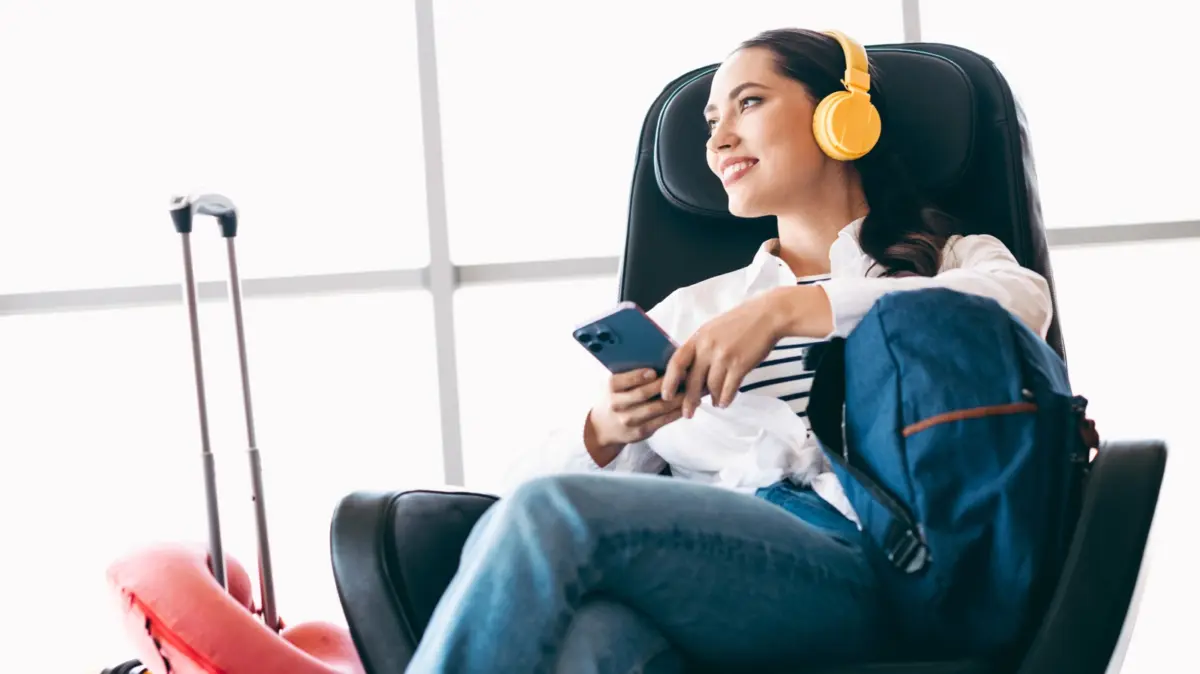
However, a profound cultural about-face is reshaping the global concourse. According to the American Express 2026 Global Travel Trends report, a striking 75% of surveyed Millennials and Gen Z travelers now deliberately arrive at the airport hours ahead of their departure times. Yet, this is no nostalgic replication of the Boomer stress-induced dash for the gate. Instead, younger generations have repurposed early arrival into an intentional lifestyle experience, driven by the magnetic pull of the modern airport lounge, premium culinary options, and high-end terminal amenities. Far from a sign of anxiety, this behavior marks a convergence of financial strategy, lifestyle branding, and a redefinition of travel as a non-negotiable priority.

Detailed Chronology: From the Anxiety-Driven Early Bird to the Lounge-Centric Era
To understand how younger generations transitioned from mocking early arrivals to embracing them, it is necessary to examine the historical trajectory of airport time management and the structural shifts in aviation culture.
The Boomer Blueprint: The Era of Pre-Flight Preparedness
Long before biometric scanners and mobile boarding passes, the travel ecosystem demanded early physical presence. In an era predating TSA PreCheck, mobile apps, and automated baggage drops, missing a flight meant waiting hours for standby clearance or dealing with complex paper ticketing issues.
As early as 2016, an AARP Travel study highlighted that Baby Boomers traveled with a distinct sense of methodical confidence. They consistently arrived at least two hours before domestic flights and three hours before international journeys. This practice was rooted in risk mitigation: avoiding traffic delays, buffering against long security queues, and securing physical peace of mind. While younger demographics historically viewed this cautious buffer as redundant and overly anxious, it established the foundational habit of padding the pre-flight timeline.
The Digital Rebellion and the "Airport Theory" Peak
As Millennials and Gen Z entered the workforce and began traveling independently, they leaned heavily into technological optimization. Armed with smartphones, app-based boarding passes, real-time gate-change alerts, and carry-on-only luggage strategies, they sought to minimize dead time in transit.

This philosophy reached its cultural peak in 2025 with the viral TikTok "airport theory." Content creators popularized the high-stakes game of arriving at the terminal just moments before doors closed, treating the transit hub not as a destination to be savored, but as an administrative hurdle to be cleared with maximum efficiency. For a brief moment, the generational contrast in travel pacing could not have been starker.
The 2026 Paradigm Shift: Redefining Terminal Downtime
The tipping point arrived as airports themselves underwent a massive commercial renaissance. Recognizing that modern travelers viewed traditional gate seating as sterile and uncomfortable, airports transformed their interiors into lifestyle destinations featuring artisanal dining, wellness spas, boutique retail, and—most importantly—exclusive airport lounges.
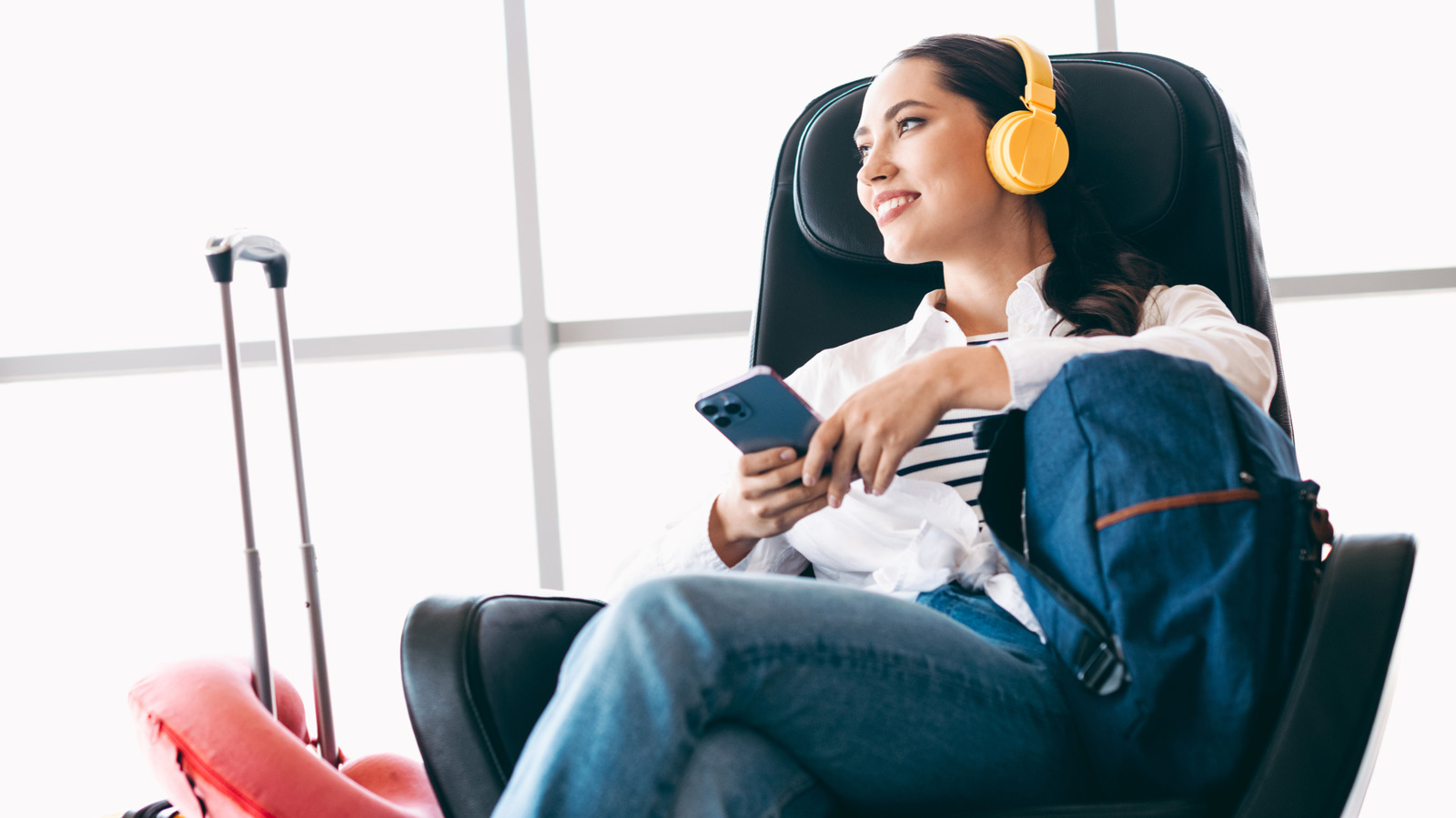
Rather than sitting anxiously by a boarding gate waiting for a cramped economy flight, young travelers realized that early arrival unlocked access to a completely different tier of travel comfort. The American Express 2026 Global Travel Trends data reveals this dramatic pivot: three-quarters of young adults now routinely build multi-hour airport cushions into their itineraries. The objective is no longer merely avoiding a missed flight; it is maximizing the value of pre-flight perks.
Supporting Context & Metrics: The Economics of Modern Youth Travel
The adoption of early-arrival habits by younger generations is supported by broader economic shifts, changes in credit card product offerings, and evolving psychological attitudes toward leisure.
The Democratization of Airport Lounges
Historically, airport lounges were the exclusive sanctuaries of corporate road warriors, first-class ticket holders, and elite frequent flyers. Access required paying steep annual club membership fees or flying hundreds of thousands of miles annually.
However, the financial services sector recognized a massive growth opportunity in the aspirational desires of younger consumers. Banks began issuing premium travel credit cards equipped with complimentary or discounted lounge access networks (such as Priority Pass, Centurion Lounges, and proprietary airline clubs). By bundling lounge access with travel rewards, dining credits, and Uber integrations, financial institutions effectively democratized the lounge experience.
For a millennial or Gen Z professional managing a travel rewards credit card, arriving two hours early no longer meant sitting on a hard plastic chair near Gate B22. It meant accessing complimentary warm buffets, artisanal cocktails, high-speed Wi-Fi, quiet workspaces, and shower facilities at zero marginal cost.
Travel as a Non-Negotiable Lifestyle Expense
The broader financial psychology of younger cohorts further explains this trend. Data from American Express highlights that 74% of Millennials and Gen Z view travel as a "non-negotiable" budget item. In an economic climate marked by high housing costs and shifting employment landscapes, young consumers are increasingly prioritizing experiential spending over traditional physical assets.
Valet Connections notes that this demographic approaches travel through a lens of total digital integration and lifestyle optimization. They book their vacations based on viral social media curation, customize their itineraries via peer recommendations, and view every stage of the journey—including the transit process—as an extension of the vacation itself. Consequently, spending two hours relaxing in an airport lounge is framed as an experiential upgrade, transforming the airport from a stressful checkpoint into an upscale waiting room.
Official Industry Perspectives and Institutional Insights
Industry analysts, travel executives, and hospitality experts have closely monitored this convergence of generational habits.
Hospitality consultants note that the physical design of airports has shifted dramatically over the past five years to accommodate this influx of leisure-focused younger travelers. Airports are no longer designed solely for rapid throughput; they are engineered as revenue-generating retail and hospitality ecosystems.
Financial institutions that track consumer spending patterns emphasize that premium lounge networks are operating at higher capacity than ever before, driven largely by the influx of under-40 cardholders. While this has occasionally led to capacity constraints and the implementation of guest restrictions or time limits at popular hubs, it underscores the immense appetite young travelers have for elevated airport experiences.
Furthermore, aviation psychologists suggest that the modern adoption of the "early arrival" habit reflects a psychological reclamation of time. While Baby Boomers arrived early to combat the anxiety of potential disruption, Millennials and Gen Z arrive early to claim a moment of enforced relaxation in an otherwise hyper-connected world. The lounge serves as a transition zone—a digital dead-zone where work emails can be paused, meals can be enjoyed without rushing, and the mental shift from daily life to vacation mode can safely take place.
Future Outlook: The Convergence of Generational Travel Styles
As we look toward the remainder of the decade, the traditional caricature of the frantic millennial sprinting to a departure gate just as the final boarding call sounds is rapidly fading into obsolescence.
The integration of Boomer-style schedule buffering with Millennial and Gen Z lifestyle expectations points toward a unified future of travel culture. While older generations established the baseline necessity of arriving with time to spare, younger demographics have successfully weaponized that time, turning transit hours into a luxury commodity.
Airlines, airport authorities, and credit card issuers will continue to adapt to this reality. Expect to see continued expansion of independent and proprietary lounge networks, increased investment in terminal culinary partnerships, and innovative digital queue-management systems designed to handle the growing masses of early-arriving passengers.
Ultimately, the evolution proves that while generational differences in travel will always provide fodder for cultural commentary, the desire for comfort, predictability, and a stress-free journey remains a universal human constant—regardless of the year you were born.