









DOONBEG, Ireland — Against the manicured backdrop of the Amgen Irish Open, a stark geopolitical warning unfolded that underscores the fragile intersection of global energy markets, asymmetric warfare, and domestic American politics.
Speaking from the sidelines of his luxury golf resort in Doonbeg, Ireland, President Donald Trump revealed he has issued a direct, unambiguous warning to Ukrainian President Volodymyr Zelenskyy: cease the targeted drone strikes on Russian oil refineries.
The rationale behind this high-stakes diplomatic intervention is rooted in global macroeconomics. A relentless Ukrainian aerial campaign has successfully degraded Russia’s domestic refining capabilities, knocking out critical diesel production facilities. Coupled with a concurrent military conflict involving Iran, these disruptions have sent global fuel prices soaring. Last week, average diesel prices in the United States crossed the historic threshold of $6 per gallon for the first time in history, triggering widespread alarm across the logistics, agricultural, and retail sectors of the global economy.
For the Trump administration, the crisis is not merely economic—it is an existential political threat. With the critical November midterm elections looming, which will decide control of both the House of Representatives and the Senate, surging energy-driven inflation threatens to alienate voters and derail the Republican legislative agenda.
Executive Overview: The High-Stakes Intersection of Warfare and Energy
The conflict between Russia and Ukraine has entered a highly disruptive phase characterized by reciprocal, systematic attacks on critical energy infrastructure. While Ukraine has long defended its territory against Russian missile strikes on its electrical grid, Kyiv’s strategic shift toward launching long-range drone strikes deep inside Russian territory has fundamentally altered the economic calculus of the war.
Global Energy Pain Points (September 2026)
├── U.S. Diesel Prices: >$6.00 / gallon (Record High)
├── U.S. Unleaded Gasoline: +54% from January low ($2.795)
├── Core Supply Disruptions:
│   ├── Russian refining capacity degraded by Ukrainian drone strikes
│   └── Middle East shipping lanes choked by the war in Iran
└── Maritime Chokepoints: High risk in Black Sea & Caspian Pipeline Consortium
By targeting Russian refining complexes—specifically those producing middle distillates like diesel—Ukrainian forces have successfully choked Russian fuel exports, aiming to starve Moscow of petrodollars and disrupt domestic military supply lines. However, the collateral damage of this strategy is being felt acutely in global markets. Diesel is the lifeblood of global commerce, powering:
- Class I freight railroads
- Long-haul trucking fleets
- Agricultural machinery and tractors
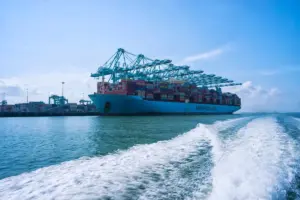
- Maritime container vessels
The resulting supply squeeze has sent shockwaves through international supply chains. With the U.S. national average for diesel topping $6 per gallon, and some regions—such as California—reporting localized spikes as high as $9.99 per gallon, the economic pain is flowing downstream to consumers in the form of higher prices for basic goods.
President Trump’s public admonition of President Zelenskyy represents a dramatic attempt to stabilize global markets by drawing a firm red line around energy infrastructure, even if it means curtailing Ukraine’s military options.
Detailed Chronology of the Aerial Campaign and Market Reaction
The current crisis is the culmination of a months-long escalation in aerial warfare and compounding Middle Eastern instability.
The Winter Lows and the Dual Geopolitical Shocks
In January 2026, U.S. energy markets enjoyed relative stability. Average unleaded gasoline prices sat at a manageable low of $2.795 per gallon, and global supply chains had largely adapted to the post-2022 geopolitical landscape.
However, two major disruptions occurred in rapid succession:
- The Outbreak of War in Iran: The eruption of hostlities involving Iran severely disrupted crude oil flows through the Strait of Hormuz, instantly tightening global supplies of sweet and sour crudes.
- Ukraine’s Targeted Refinery Campaign: Recognizing the vulnerability of Russia’s highly centralized refining infrastructure, Kyiv initiated a highly coordinated, long-range drone campaign targeting key facilities deep within the Russian Federation.
The Spring and Summer Escalation
Throughout the spring and summer of 2026, Ukrainian forces systematically expanded their target list. What began as occasional strikes on border-region fuel depots evolved into sophisticated operations utilizing low-altitude, radar-evading attack drones.
Chronology of Key Refinery Strikes (2026)
====================================================================
Date / Period      Target Facility             Strategic Impact
--------------------------------------------------------------------
Mid-2026           Saratov Refinery            Severely disrupted
                                               regional fuel blends
                                               and southern exports.
--------------------------------------------------------------------
Early Sept 2026    Tatarstan Complexes         Hit deep-interior
                   & Southern Russian Sites    processing units;
                                               halted primary distillation.
--------------------------------------------------------------------
September 12, 2026 Overnight Strikes           Claimed by Kyiv;
                                               triggered immediate
                                               crude and diesel spikes.
====================================================================- The Saratov Refinery Strikes: Early attacks on the Saratov facility, located on the Volga River, severely disrupted regional fuel blending operations and choked off exports destined for southern trade routes.
- The Tatarstan and Southern Russia Strikes: Over the weekend of September 12, Ukrainian forces claimed successful strikes on major refining complexes in Tatarstan and southern Russia. These facilities represent some of the country’s most technologically advanced processing units, and their partial shutdown immediately halted primary distillation processes.
The Breaking Point
By the second week of September 2026, the cumulative impact of these strikes became undeniable. Market analysts estimated that up to 15% of Russia’s active refining capacity had been temporarily knocked offline or severely degraded.
In response, global diesel futures surged. In the United States, the average price of diesel crossed the $6 per gallon mark, representing an unprecedented financial burden for commercial fleets and agricultural operations entering the autumn harvest season.
Supporting Context & Market Metrics: The Economic Fallout
To understand the urgency behind the Trump administration’s warnings, one must look at the underlying macroeconomic metrics. While the average consumer is highly sensitive to the retail cost of unleaded gasoline—which has surged 54% from its January low of $2.795 per gallon—economists monitor diesel as a primary indicator of systemic inflationary pressure.
Comparative Fuel Price Escalation (Jan 2026 vs. Sept 2026)

Unleaded Gasoline:
  Jan 2026: $2.795/gal (Base) ──┐
  Sept 2026: $4.30/gal   ───────┴─> +54% Increase

Diesel Fuel:
  Jan 2026: $3.80/gal (Est.) ───┐
  Sept 2026: $6.00+/gal  ───────┴─> Record High
The Downstream Inflationary Loop
Diesel prices act as a multiplier in the global economy. When the cost of diesel rises:
- Transportation Costs Rise: Class I railroads and trucking companies implement fuel surcharges.
- Agricultural Overhead Increases: Farmers face higher costs to harvest crops and transport them to processing facilities.
- Consumer Goods Inflate: Retailers and grocers pass these increased logistical costs directly to consumers, driving up the Consumer Price Index (CPI).
This inflationary loop has eroded consumer confidence at a time when the ruling political party is highly vulnerable.
The Maritime and Infrastructure Risk Profile
The threat to global energy infrastructure is not confined to land-based refineries. The Trump administration has expressed deep concern over the vulnerability of maritime shipping lanes and critical pipeline networks in the Black Sea region.
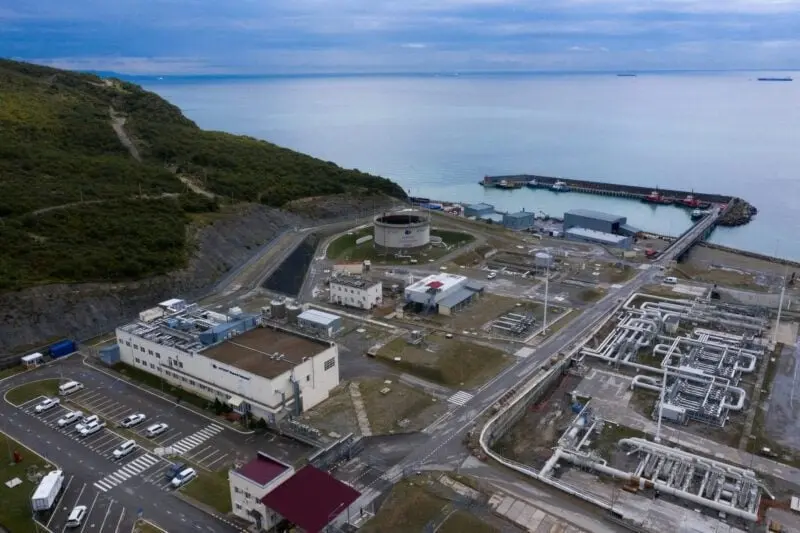
Specifically, Washington has warned Kyiv to halt attacks near the Caspian Pipeline Consortium (CPC) facilities. The CPC pipeline carries crude oil from Kazakhstan’s massive oil fields to a terminal on the Russian Black Sea coast, where it is loaded onto international tankers. Though the oil is Kazakhstani, the terminal’s location in Russian territory makes it highly vulnerable to Ukrainian maritime drone operations.
Furthermore, recent drone attacks on non-Russian, Western-chartered vessels—including an Exxon-chartered tanker operating near Black Sea terminals—have raised the prospect of a complete halt to commercial shipping in the region, which would trigger an even more catastrophic spike in global crude prices.
Official Statements: Direct Warnings from Doonbeg
The luxury and isolation of the Trump International Golf Links in Doonbeg, Ireland, contrasted sharply with the gravity of the foreign policy directives issued by the American president on Sunday.
"Mr. Zelenskyy has to do one thing: He has to stop knocking out diesel fuel in Russia. Let him go after targets — but not diesel fuel, because he’s causing a shortage of diesel."
— President Donald Trump
Trump was explicit about the global ramifications of Ukraine’s current military strategy, emphasizing that the energy crisis transcends regional borders.
"We spoke to Mr. Zelenskyy about it. There are plenty of other targets. Don’t hit diesel fuel because that’s hurting the world. We don’t want him to hit diesel fuel. He’s hitting diesel refineries."
The administration’s stance represents a significant shift in the terms of American support for Ukraine. While the U.S. remains Ukraine’s primary security benefactor, the White House is increasingly willing to condition its diplomatic and military backing on Kyiv’s adherence to constraints designed to protect global economic stability.
The Silence from Kyiv
At the time of reporting, the Ukrainian presidential office in Kyiv has not officially responded to President Trump’s public admonition. It remains unclear when the specific conversation described by Trump took place, or whether Kyiv intends to comply with the demand.
For Ukraine, halting strikes on Russian refineries represents a significant strategic concession. Military planners in Kyiv view these facilities as legitimate, high-value military-economic targets that directly support Russia’s war machine. Curtailing these operations could limit Ukraine’s ability to wage asymmetric warfare inside Russian territory at a time when static front lines offer few opportunities for conventional breakthroughs.
Future Outlook: Midterms, Markets, and Military Strategy
The intersection of the war in Ukraine, the conflict in Iran, and the U.S. midterm elections has created a volatile geopolitical environment with several critical variables to watch in the coming months.
Key Variables in the Near-Term Geopolitical Outlook
├── 1. Ukrainian Compliance: Will Kyiv halt refinery strikes to preserve U.S. aid?
├── 2. The Iran Conflict: Will hostilities subside before the November midterms?
├── 3. Electoral Impact: Can the GOP mitigate inflation anxieties among voters?
└── 4. OPEC+ Action: Will major producers increase output to stabilize diesel supplies?
The Midterm Election Wildcard
The political calendar dominates the White House’s decision-making process. The November 2026 midterm elections will serve as a referendum on the administration’s economic stewardship. If diesel remains above $6 per gallon and gasoline continues its upward trajectory, the Republican Party faces the very real prospect of losing its majorities in Congress. This political reality explains the administration’s aggressive efforts to suppress any military activity that threatens global refining capacity.
The Prediction of De-escalation
In his comments on Sunday, President Trump sought to reassure anxious markets by predicting a rapid resolution to the Middle Eastern conflict. He asserted that the war in Iran would end "right after" or "maybe before" the U.S. midterms, suggesting that diplomatic backchannels are actively working to secure a ceasefire.
Should the conflict in Iran resolve, a significant volume of crude oil could return to global markets, easing the supply crunch and lowering feedstock costs for refiners. However, if the conflict drags on, and if Ukraine continues its campaign against Russian refineries, global energy markets could face unprecedented volatility heading into the winter of 2026–2027.
The Strategic Dilemma for Ukraine
Ultimately, the coming weeks will test the limits of Washington’s leverage over Kyiv. President Zelenskyy must balance the immediate tactical advantages of degrading Russia’s energy sector against the long-term strategic necessity of maintaining the political goodwill of the United States.
If Ukraine ignores Trump’s warnings and continues to strike Russian diesel facilities, it risks a public rift with its most critical ally—a scenario that could reshape the geopolitical landscape far beyond the borders of Eastern Europe.