






Executive Overview
In an intensive, multi-agency federal sweep that has significantly impacted the maritime tourism sector, United States authorities have removed 87 cruise ship crew members from various vessels docking at the Port of Boston since mid-August 2026. Dubbed “Operation Tidal Wave,” the ongoing enforcement campaign is a coordinated initiative targeting the possession, procurement, production, distribution, and use of child sexual exploitation materials (CSEM) and child sexual abuse materials (CSAM).
The operation brings together the specialized resources of US Customs and Border Protection (CBP), Homeland Security Investigations (HSI), and the Internet Crimes Against Children (ICAC) Task Force. Operating under strict protocols, federal task force members have utilized advanced digital forensics, intelligence-led targeting, and comprehensive searches of onboard crew quarters to identify non-US citizens linked to illicit materials.
While the sweep has targeted multiple vessels visiting or homeporting in Boston over the past six weeks, federal officials emphasize that the campaign is national in scope, representing successive phases executed across critical maritime hubs throughout the United States. To date, the operation has successfully dismantled trafficking networks and removed dangerous offenders from commercial cruise ships, safeguarding vulnerable populations while ensuring that international maritime workforces are thoroughly vetted against transnational crimes. Despite the high-profile nature of the removals, cruise operations have continued largely uninterrupted, with no major itinerary delays or shipboard disruptions reported by the major lines affected.
Detailed Chronology of Operation Tidal Wave
Operation Tidal Wave is not an isolated local enforcement effort, but rather a methodical, phased nationwide campaign designed to scrub international passenger vessels of individuals implicated in crimes of moral turpitude involving minors. The timeline of the operation reveals a calculated escalation by federal law enforcement agencies targeting high-traffic maritime gateways.
Phase 1: San Diego (April 2026)
The nationwide sweep officially broke into the public consciousness during Phase 1, executed in San Diego in April 2026. Federal agents boarded several vessels docked at the Southern California port, executing administrative enforcement actions against 27 crew members hailing from six different cruise ships. Among the ships impacted during this initial phase was the prominent Disney Magic, operated by Disney Cruise Line. The public spectacle of law enforcement personnel boarding the vessel and escorting crew members off the ship drew widespread media attention and sent a powerful shockwave through the global cruise industry, signaling that maritime vessels would no longer serve as safe havens or blind spots for digital crimes against children.
Phase 2: San Juan, Puerto Rico (June – July 2026)
Following the successful operation on the West Coast, federal investigators shifted their focus to the Caribbean hub of San Juan, Puerto Rico. Throughout June and July 2026, agents executed Phase 2 of Operation Tidal Wave, resulting in the removal of 14 additional crew members. In a notable escalation of legal consequences during this phase, at least one of the detained individuals formally accepted federal criminal prosecution, moving the enforcement action beyond administrative deportation and into the federal criminal court system.
The Boston Surge: Mid-August to September 2026
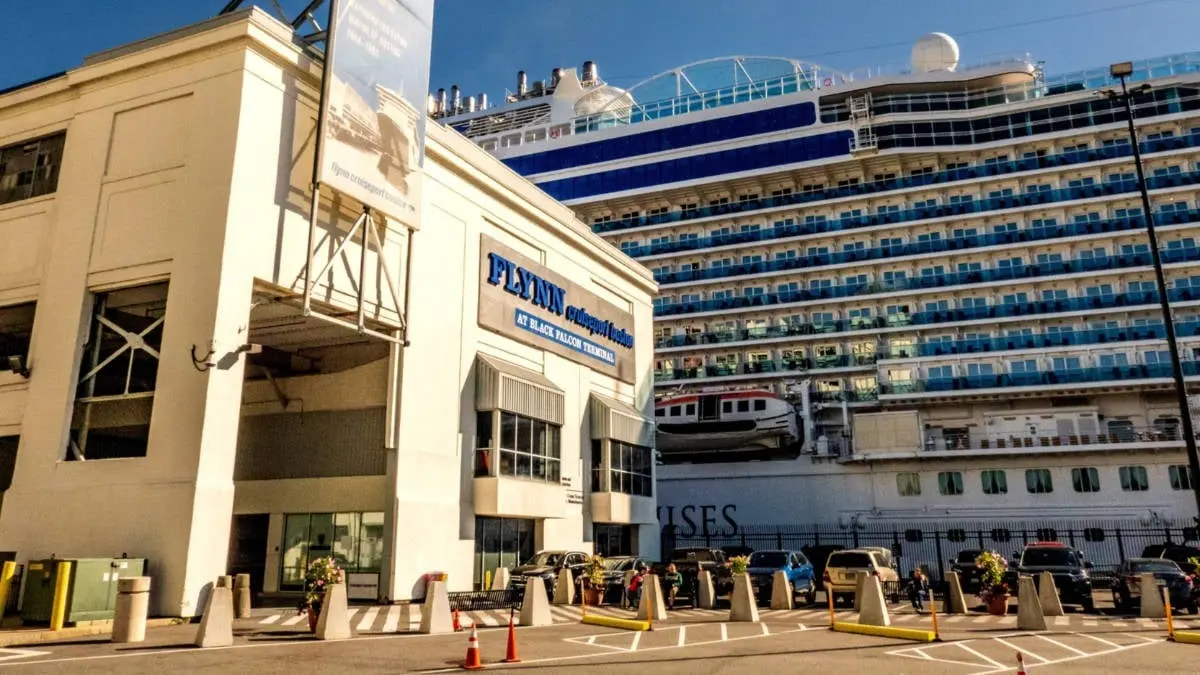
The most intensive phase of Operation Tidal Wave commenced in mid-August 2026 at the Port of Boston, coinciding with the bustling peak of the New England and Canada cruise season.

- Mid-August Initial Actions: Federal authorities removed 11 crew members from two distinct ships docked in Boston: Norwegian Cruise Line’s Norwegian Breakaway and Holland America Line’s Volendam.
- Late-September Escalation: The enforcement actions continued into the autumn. CBP confirmed that on Sunday, September 20, 2026, an additional six crew members were removed from the Norwegian Breakaway. According to federal investigators, these individuals admitted to offenses related to CSEM and CSAM during subsequent forensic interviews. Notably, on the day of the removal, the 3,903-guest vessel had just completed a seven-night Canada and New England cruise and was in the process of turnaround, immediately preparing to embark on another identical seven-night itinerary.
Across all vessels tied to the Boston operations over the last six weeks, a cumulative total of 87 crew members have been stripped of their conditional landing privileges and removed from the United States.
Supporting Context, Legal Frameworks, and Industry Metrics
The mechanisms driving Operation Tidal Wave rely on a sophisticated blend of cyber intelligence, digital forensics, and rigorous immigration law. Understanding how these agencies operate requires a close look at the legal statutes and logistical protocols governing foreign maritime workers in US ports.
Legal Grounding and Immigration Penalties
Because the targeted crew members are non-US citizens operating under conditional crewmember landing permits (typically C-1/D visas), federal authorities utilize specific statutory frameworks to effectuate swift removals. Individuals allegedly involved in CSEM or CSAM are processed for removal under Section 212(a)(2)(A)(i)(I) of the Immigration and Nationality Act (INA). This statute applies to foreign nationals who have committed crimes involving "moral turpitude"—a broad legal classification that encompasses sexual exploitation offenses against minors.
The consequences under federal law are severe:
- Revocation of Privileges: Immediate cancellation of conditional landing rights.
- Expedited Removal: Immediate deportation from the United States to the individual’s home country.
- Statutory Bars: A mandatory 10-year ban (and in many cases, a permanent lifetime bar) on being readmitted to the United States under any non-immigrant or immigrant visa classification.
- Criminal Prosecution: Depending on the volume and severity of the material discovered on personal electronic devices, individuals may face federal indictment, leading to significant prison time in US federal penitentiaries before deportation.
Cruise Line Policies and Collateral Consequences
Beyond federal penalties, major cruise operators maintain absolute zero-tolerance policies regarding child exploitation. While individual cruise lines have cooperated fully with CBP, HSI, and the ICAC Task Force, internal corporate protocols dictate swift action against compromised crew members. Standard industry practice dictates immediate termination of employment, forfeiture of all earned wages pending investigation, and placement on lifetime "no-hire" registries shared across the global cruise industry.
Scope of Ships and Lines Involved in the Boston Region
Authorities have maintained strict confidentiality regarding specific ship-by-ship breakdowns, citing ongoing investigative sensitivities. However, federal officials note that the operation has remained consistent throughout the summer and early fall within the Boston maritime area.
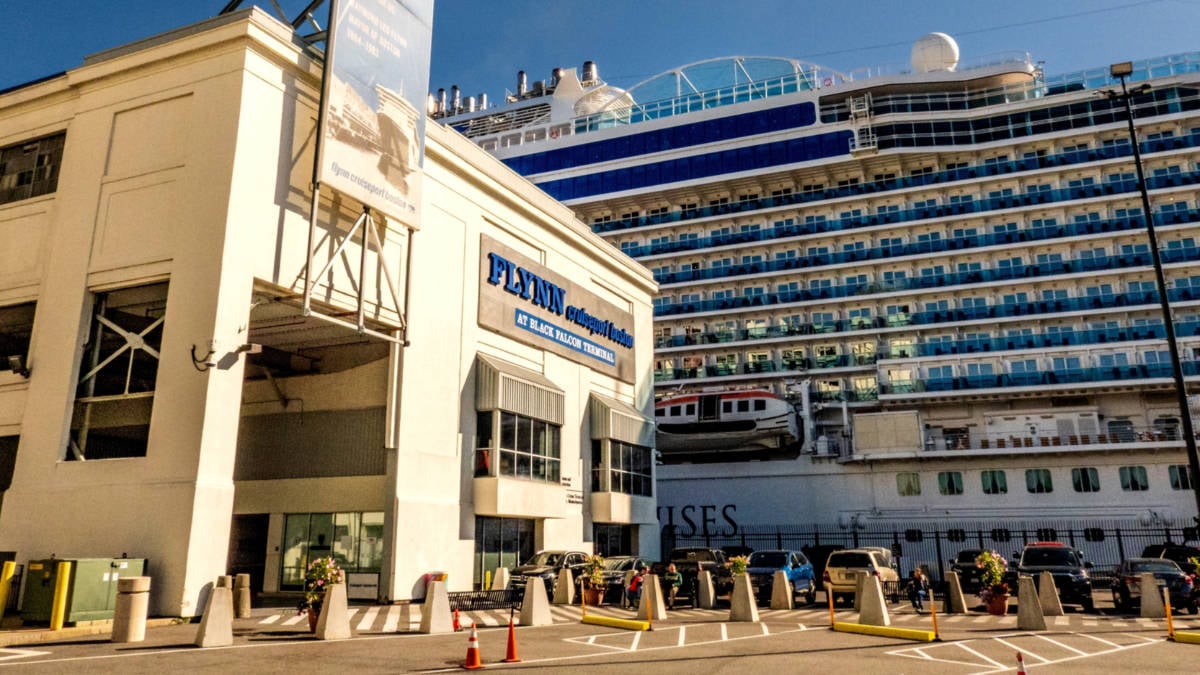
From mid-August through the end of September, the Port of Boston has hosted a wide array of international vessels serving as homeports or frequent ports of call. Cruise lines operating in the region during this timeframe include:
- Holland America Line
- Celebrity Cruises
- Royal Caribbean International
- Silversea Cruises
- Norwegian Cruise Line
- AIDA Cruises
- TUI Cruises
- Virgin Voyages
- Princess Cruises
- Cunard Line
Despite the high number of removals, industry analysts note that cruise line operations have not suffered structural delays or schedule alterations. Because modern cruise ships employ thousands of multinational crew members across redundant departmental rosters, the removal of individual staff members—while legally and morally profound—has not hampered the day-to-day nautical or hospitality functions of the affected vessels.
Official Statements and Law Enforcement Perspective
The sheer scale of Operation Tidal Wave has prompted high-level commentary from federal leaders, underscoring the government’s resolve to close security loopholes in international maritime environments.
Julio Caravia, Acting Director of Field Operations for CBP, issued a stern, unequivocal warning regarding the agency’s ongoing commitment to protecting children from digital exploitation:
"The success of Operation Tidal Wave reflects the unwavering dedication of our officers and partners to protect the most vulnerable. Let the removal of these 87 be a message to others: we will not accept this exploitation and CBP will not stop identifying and arresting the individuals who participate in it."
Law enforcement insiders have noted that cruise ships—floating cities operating across international waters—have historically presented unique jurisdictional challenges. However, the integration of advanced electronic device scanning, cross-border intelligence sharing, and port-of-call interdictions has effectively transformed cruise terminals into fortified checkpoints. Investigators from the Internet Crimes Against Children Task Force utilize specialized software capable of quickly analyzing digital media on cell phones, laptops, and cloud-linked storage devices seized during targeted room inspections.
Future Outlook: The Future of Maritime Vetting
As Operation Tidal Wave progresses, questions loom regarding its timeline and future geographic scope.
According to federal scheduling guidelines, the current phase of the operation centered at the Area Port of Boston is slated to continue through the end of the federal fiscal year. Because the United States government operates on a fiscal calendar running from October 1 through September 30, law enforcement agencies are currently wrapping up this fiscal cycle’s Boston-based initiatives.
However, federal officials have declined to speculate on whether Operation Tidal Wave will conclude with the fiscal year or transition into a new operational phase. Given the transient nature of the global cruise industry—where vessels frequently rotate between homeports in Florida, the Gulf Coast, the Caribbean, Alaska, and the Pacific Northwest—it is widely anticipated that federal task forces will export the investigative playbook developed during Operation Tidal Wave to other major US cruise terminals.
As cruise lines prepare for upcoming repositioning seasons and winter itineraries, maritime security experts predict that enhanced background checks, stricter digital device protocols, and proactive federal interdictions will become a permanent fixture of cruise ship operations in United States ports. Operation Tidal Wave has firmly established that the global maritime sector is under intense federal scrutiny, serving notice that perpetrators of child exploitation will find no refuge aboard commercial passenger vessels.