









Executive Overview
Nestled quietly within the dense upland forests and sprawling wetlands of South Jersey lies an indispensable ecological anchor: the Woodford Cedar Run Wildlife Refuge. Spanning 171 acres between the bustling metropolitan energy of Philadelphia and the sun-bleached expanse of the Jersey Shore, this non-profit sanctuary has served as a critical lifeline for native fauna since its establishment in 1957. Founded by the late Jim and Betty Woodford, the refuge operates on a dual mandate: providing high-level medical rehabilitation and sanctuary to injured, orphaned, and vulnerable wildlife, while simultaneously fostering a deep, community-wide appreciation for the region’s delicate ecosystems through immersive educational programming.
As New Jersey continues to navigate the pressures of suburban sprawl, habitat fragmentation, and industrial encroachment across its more than 400 land-dwelling species, Cedar Run’s operational footprint has grown exponentially. In 2025 alone, the facility logged nearly 8,000 animal intakes, cementing its status as the busiest wildlife rehabilitation hospital in the Garden State. Despite this staggering volume of emergency medical intervention and daily care operations, the sanctuary manages to retain an air of profound tranquility for human visitors. It functions as a thriving local hidden gem—an accessible nature escape where families, researchers, and nature lovers can experience the rich biodiversity of the mid-Atlantic corridor firsthand.
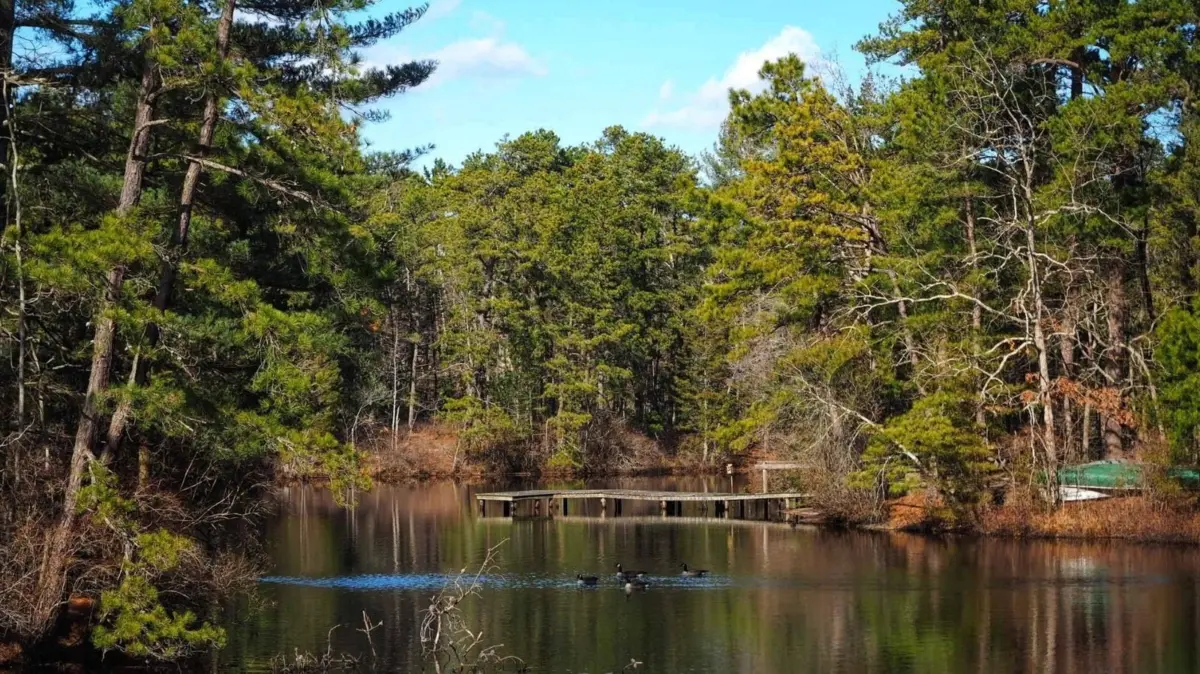
Featuring three miles of meticulously maintained interpretive trails, a vibrant seven-acre lake, interactive educational exhibits, and permanent habitats for over 50 non-releasable resident animals, Woodford Cedar Run represents a masterclass in grassroots conservation. This report explores the history, daily operations, ecological significance, and future outlook of a sanctuary that bridges the gap between urbanized human environments and the wild heart of New Jersey.
Detailed Chronology: From Grassroots Vision to State-of-the-Art Sanctuary
The story of Woodford Cedar Run Wildlife Refuge is one of visionary stewardship, evolving from a modest private passion project into a premier regional conservation institution.
The Founding Era (1957–1970s)
In 1957, Jim and Betty Woodford recognized a mounting ecological crisis in South Jersey. As post-war development began chewing into the ancient pine barrens and surrounding wetlands, local wildlife populations increasingly collided with human infrastructure. The Woodfords began taking in injured and displaced animals on their property, offering makeshift medical care, nourishment, and a safe harbor. What started as an informal rescue effort rapidly exposed a gaping void in New Jersey’s wildlife management infrastructure: there were virtually no dedicated facilities capable of rehabilitating diverse native species, particularly birds of prey, small mammals, and reptiles.
Institutional Growth and Formalization (1980s–2000s)
Throughout the final decades of the 20th century, the refuge transitioned from a private backyard rescue operation into a formalized non-profit organization. Recognizing the need for sustainable community engagement, the founders and their expanding team of volunteers integrated structured educational outreach into their mission. They understood that long-term wildlife conservation could not succeed through rehabilitation alone; it required behavioral shifts in the human population. The acquisition and protection of surrounding acreage eventually solidified the sanctuary’s footprint at its current 171-acre expanse, protecting vital wetland and upland habitats from commercial development.
The Modern Era and Record Intakes (2010s–Present)
In recent years, Cedar Run has experienced an unprecedented surge in demand for its services. The relentless conversion of natural landscapes into residential housing and commercial centers across the tri-state area has driven wildlife intake numbers to historic highs. By 2025, the facility reached a monumental milestone with nearly 8,000 animal intakes in a single calendar year. To manage this influx, Cedar Run upgraded its veterinary triage capabilities, expanded its outdoor housing enclosures, and refined its volunteer training pipelines. Today, the refuge stands as a sophisticated wildlife hospital capable of handling everything from fledgling songbirds and injured bald eagles to distressed white-tailed deer and eastern box turtles.

Supporting Context & Metrics: The Scale of Conservation and Education
To fully grasp the magnitude of Woodford Cedar Run Wildlife Refuge, one must examine the metrics that define its daily operations, ecological assets, and community impact.
Operational Scale and Patient Volume
- Annual Intakes: Nearly 8,000 animals processed annually as of 2025, making it New Jersey’s highest-volume wildlife rehabilitation facility.
- Land Area: 171 acres of preserved upland forest and wetland ecosystems.
- Resident Animals: Over 50 permanent animal residents housed in specialized outdoor enclosures and indoor exhibits due to injuries that preclude successful re-release into the wild.
- Geographic Reach: Strategically located in Medford, South Jersey, approximately 45 minutes southeast of Philadelphia International Airport (PHL).
Habitat and Trail Infrastructure
The refuge boasts three miles of accessible nature trails that wind through diverse ecological zones, providing visitors with immersive views of native flora and fauna. Key infrastructural highlights include:
- Cedar Lake: A picturesque seven-acre water body situated at the heart of the refuge, serving as a vital watering hole and foraging ground for resident and migratory birds.
- The Trail Loop: A 0.6-mile easy loop that introduces hikers to verdant wetland scenery and passes by several outdoor animal enclosures.
- The Story Book Trail: A specially curated half-mile loop featuring rotating, nature-focused children’s literature posted along the path, designed to engage young learners with the surrounding forest and wetland habitats.
- The Wildlife Housing Area: A stroller-friendly, accessible pathway leading visitors past secure habitats for hawks, owls, vultures, skunks, and other permanent animal ambassadors.
- The Reptile Room: An indoor educational space within the Nature Center housing smaller resident species, including native snakes and box turtles.
Official Statements and Community Perspectives
The profound impact of Woodford Cedar Run Wildlife Refuge is best understood through the voices of those who interact with it—from visiting families and seasoned hikers to the community members who rely on its educational resources.
Visitor Reflections and Testimonials
The sentiment among the public is overwhelmingly positive, characterized by deep appreciation for the sanctuary’s cleanliness, the evident health and care of its animals, and its dual role as a peaceful escape and educational hub.
-
On the Animal Care and Rehabilitation Transparency:
"We had a wonderful time visiting the Wildlife Refuge! The scenery is beautiful, and the animals are clearly loved and taken care of. It was great to read about how each animal joined the refuge and their subsequent recovery." — Verified Visitor Review
-
On the Trail Experience and Natural Beauty:
"Multiple nature trails that wind through the woods, crossing over satisfyingly beautiful creeks, and [passing] gorgeous birds." — Local Trail Enthusiast
-
On Family-Friendliness and Educational Value:
"Great little hidden gem! Excellent for little explorers. The Story Book Trail was a lot of fun!… The crows talk back to you. Definitely worth donating to, considering the work they do." — Community Visitor
-
On the Broader Community Impact:
"Cedar Run’s support of native wildlife and commitment to education is invaluable to the community, and we are so lucky to have them. It’s a hidden gem that everyone should know about." — TripAdvisor Contributor
The Financial Engine of Conservation
Because Woodford Cedar Run operates as a non-profit entity, its life-saving medical work, educational camps, field trips, and habitat maintenance rely heavily on public goodwill. Entrance fees, merchandise sales, and direct philanthropic donations constitute the bedrock of its operational budget. Every dollar contributed directly supports the procurement of specialized veterinary pharmaceuticals, specialized avian and mammalian diets, incubator technology, and the continuous upkeep of naturalistic enclosures designed to maximize the psychological and physical well-being of non-releasable resident species.
Future Outlook: Navigating Challenges and Expanding Horizons
As Woodford Cedar Run Wildlife Refuge looks toward the horizon, its leadership faces a complex landscape defined by escalating environmental pressures and expanding educational opportunities.
Addressing the Human-Wildlife Conflict
The primary driver behind Cedar Run’s record-breaking intake numbers is the ongoing loss of natural habitat throughout the mid-Atlantic region. As suburban developments push deeper into historic wildlife corridors, instances of vehicle strikes, window collisions, domestic pet interactions, and orphanings will inevitably rise. To prepare for this, the refuge’s executive board and veterinary staff are continuously evaluating strategies to scale their triage capacity without compromising the quality of individual animal care. This includes pursuing grants for advanced medical diagnostic equipment, expanding volunteer recruitment networks, and forging deeper collaborative partnerships with regional academic institutions and state environmental agencies.
Elevating Environmental Education
Beyond emergency medicine, Cedar Run’s leadership views education as the ultimate preventive tool for conservation. Plans are underway to modernize and expand the sanctuary’s youth programming, including enhanced homeschool curricula, expanded summer camp capacities, and specialized adult enrichment workshops. By fostering an early, hands-on appreciation for local ecosystems—ranging from the upland pine forests to the sensitive wetlands surrounding Cedar Lake—the refuge aims to cultivate a new generation of environmental stewards equipped to advocate for New Jersey’s natural heritage.
Balancing Public Access with Ecological Preservation
A persistent challenge for popular nature sanctuaries is striking the delicate balance between welcoming the public and preserving the very tranquility that draws visitors in the first place. Cedar Run remains steadfast in its commitment to low-impact ecotourism. Policies such as strict trail-use guidelines (including the prohibition of dogs to protect ground-nesting wildlife and resident animals) ensure that human foot traffic does not disrupt the sensitive ecological balance of the 171-acre preserve.
In an era defined by rapid technological acceleration and concrete expansion, Woodford Cedar Run Wildlife Refuge stands as a vital sanctuary of green and wild spaces. By seamlessly blending emergency veterinary intervention, permanent animal sanctuary, and immersive environmental education, Cedar Run ensures that South Jersey’s native species will continue to find safe harbor, now and for generations to come.