









Executive Overview
When an individual or family begins planning a superyacht charter, the conversation invariably gravitates toward the intoxicatingly glamorous aspects of the voyage. Discussions center on cruising the azure waters of the Mediterranean, dropping anchor in secluded Caribbean coves, selecting a vessel boasting the finest crew and amenities, and curating bespoke itineraries tailored to milestone celebrations. These are the elements that define the pinnacle of luxury travel.
Yet, behind the shimmering veneer of elite maritime leisure lies a complex web of logistics, substantial financial commitments, and potential liabilities that demand the same level of strategic foresight applied to any major corporate or personal asset investment.
While the vast majority of superyacht charters unfold flawlessly, the realities of modern global travel—ranging from volatile weather patterns and sudden geopolitical shifts to personal emergencies—mean that smart charterers are increasingly looking beyond the vessel itself. They are turning their attention to an area historically neglected in high-end leisure: comprehensive, specialist charter insurance and maritime risk management.
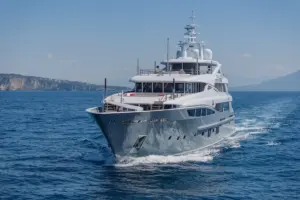
To explore why this vital component of the planning process is undergoing a radical evolution, we spoke with Hugo Jacquot, founder of Fort Insurance, a premier specialist maritime broker dedicated exclusively to the yacht and superyacht sector. Jacquot’s insights illuminate a rapidly changing landscape where high-net-worth travellers no longer accept the "fingers crossed" approach to risk. Instead, they demand unprecedented transparency, innovative policy structures, and robust peace of mind.
This investigative feature examines the common misconceptions surrounding maritime liabilities, the rising demand for flexibility in luxury travel, the advent of data-driven policy innovations, and why the future of superyacht chartering hinges on transparent, client-first risk mitigation.
Detailed Chronology: The Evolution of Risk and Protection in Elite Maritime Travel
To understand where the superyacht insurance market stands today, it is helpful to trace how the intersection of luxury travel and risk management has evolved over the past decade.
Phase One: The Era of Assumption (Pre-2020)
For many years, the standard operating procedure for booking a superyacht charter relied heavily on informal assumptions. High-net-worth clients routinely assumed that standard travel insurance policies or personal umbrella liability packages would seamlessly cover them while onboard a multi-million-dollar vessel. Concurrently, charterers often operated under the belief that the yacht owner’s hull and machinery (H&M) and Protection and Indemnity (P&I) policies offered an all-encompassing safety net for everyone stepping onto the gangway.

In practice, this created a dangerous vacuum. Standard travel insurance policies almost universally exclude maritime liabilities, extreme sports, and high-value watercraft rentals. Meanwhile, a yacht owner’s P&I insurance protects the owner and the vessel, not necessarily the charterer against specific financial losses related to trip interruption, liability gaps, or sudden cancellations.
Phase Two: Pandemic Disruption and Market Awakening (2020–2022)
The global health crisis served as a watershed moment for the luxury travel sector. Suddenly, multi-thousand-dollar deposits and six-figure charter fees were thrown into jeopardy by sudden border closures, flight suspensions, and health mandates. The traditional "force majeure" clauses and rigid cancellation terms—which heavily favoured yacht owners—faced unprecedented scrutiny.
Clients who had previously viewed cancellation insurance as an unnecessary luxury suddenly found themselves exposed to catastrophic financial loss. This period exposed the fragility of conventional booking structures and accelerated a shift toward risk awareness. Charterers began demanding guarantees that their capital was secure, pushing brokers and insurers to re-evaluate how policies were packaged and sold.
Phase Three: The Rise of Tailored Maritime Brokerage and Innovation (2023–Present)
Today, the superyacht charter market operates in a vastly more sophisticated environment. High-net-worth travellers expect the same rigorous risk analysis for their leisure activities as they do for their business portfolios.
Brokers like Fort Insurance have stepped into this space, bridging the gap between archaic marine underwriting and modern consumer expectations. Recognizing that standard policies were inadequate, forward-thinking specialists began engineering bespoke products. Today’s landscape is defined by competitive pricing for comprehensive cancellation protections, objective data-driven weather guarantees, and a concerted push to strip away the complex jargon that has historically alienated first-time yacht charterers.
Supporting Context & Metrics: The Anatomy of Superyacht Charter Risks
Chartering a superyacht is fundamentally different from booking a five-star hotel suite or a private jet. A superyacht operates as a floating, self-contained ecosystem governed by international maritime law, flag state regulations, and complex contractual frameworks—most notably the MYBA (Worldwide Yacht Terms) contract.
The Liability Gap
One of the most persistent hurdles in maritime risk management is educating clients on liability. As Hugo Jacquot notes, the assumption that a personal umbrella policy covers a charterer is a costly fallacy.
"Many charterers believe their travel insurance or personal umbrella policy will cover them," Jacquot explains. "In reality, those policies often exclude maritime liabilities, meaning there may be gaps in protection."
When an individual charters a yacht, they assume certain responsibilities under the charter contract. Should an accident occur involving tender operations, water sports equipment, or property damage onboard that falls outside standard crew negligence, the financial exposure can shift rapidly to the charterer. Without specialist liability protection, guests may find themselves personally exposed to legal claims and unexpected out-of-pocket expenses.
The Financial Scale of Modern Charters
Superyacht charters represent significant capital outlays. Weekly base rates for large displacement yachts frequently range from $150,000 to well over $1,500,000, exclusive of the Advanced Provisioning Allowance (APA)—which typically adds 25% to 30% to cover fuel, food, docking fees, and port charges—as well as local taxes and gratuities.
When a client commits half a million dollars or more to a single vacation, the financial imperative for robust cancellation protection becomes undeniable. Historically, "Cancel for Any Reason" (CFAR) policies were plagued by prohibitive premiums that made them economically unviable for many. However, increased market competition and actuarial refinement have brought these products within reach, transforming them from an exotic luxury into a core component of prudent trip planning.
The Weather Variable
Weather is perhaps the most capricious element of any marine itinerary. Unseasonal gales, tropical storms, or persistent heavy swells can severely disrupt a cruising schedule, forcing a yacht to remain in port or alter its course away from desired highlights.
Traditionally, claiming compensation or insurance payouts for weather-related disruptions was a frustrating ordeal characterised by inconsistent claim handling, subjective interpretations, and dense policy loopholes. Today, however, the industry is witnessing the emergence of data-driven weather guarantees. By utilising objective, verifiable meteorological data to determine triggers, these innovative products remove human bias and bureaucratic friction from the claims process, offering absolute clarity to the traveller.
Official Statements: Industry Perspectives on Trust, Transparency, and Crisis Management
The relationship between a luxury traveller, a charter broker, and an insurance specialist is built entirely on trust. According to Hugo Jacquot, the true value of a specialist insurance provider is rarely judged during the initial policy purchase; it is revealed the moment an unexpected disruption occurs.
For many clients, a superyacht charter is not merely a holiday—it is the setting for a milestone birthday, a multi-generational family reunion, or a rare gathering of lifelong friends. When disruptions threaten these irreplaceable moments, the quality of guidance and communication becomes just as critical as the financial reimbursement.
"The clients who have experienced claims remember that we advocated for them," Jacquot shares. "They value being kept informed and understanding exactly what’s happening throughout the process."
This client-centric philosophy underscores a broader evolution across the entire superyacht sector. Whether navigating a sudden medical emergency, adapting to unexpected geopolitical shifts, or managing localized weather anomalies, timely and transparent communication defines the difference between a disastrous holiday and a managed, stress-free resolution.
Demystifying Specialist Insurance
Insurance has long suffered from a reputation for dense terminology, hidden clauses, and adversarial claims departments. For first-time superyacht charterers, navigating maritime insurance can feel like learning a foreign language. Jacquot emphasises that simplicity and education are the antidotes to this complexity.
"The insurance products that exist for charterers are limited, so we have had to build or search for new ones that will deliver the best options for our clients," Jacquot notes.
Crucially, the responsibility of the broker extends beyond merely selling a policy to ensuring complete comprehension.
"We recommend policies to our clients because we fully understand how they work and are very keen to explain the cover," he continues. "Understanding exactly what they are purchasing builds trust and confidence in the product."
This commitment to clarity reflects a profound shift in consumer expectations within the luxury travel market. Today’s high-net-worth clients reject obfuscation. They demand straightforward advice, uncompromised confidentiality, and ethical conduct from every partner involved in orchestrating their lifestyle experiences.
Future Outlook: The Next Horizon in Superyacht Risk Management
As the global superyacht charter market continues to expand and attract a younger, more dynamic demographic of ultra-high-net-worth individuals, the demand for sophisticated risk management will only intensify. Several key trends are poised to shape the future of charter protection over the coming years:

1. Integration of Technology and Real-Time Data
The integration of Internet of Things (IoT) data, satellite meteorology, and automated smart contracts will revolutionise claims processing. We are moving toward an era where parametric insurance models—already gaining traction in commercial shipping and agriculture—will enter the luxury charter space. Under these models, payouts for weather-related itinerary interruptions will be automatically triggered and executed the moment predefined meteorological thresholds are met, eliminating paperwork and protracted dispute periods.
2. Tailored Sustainability and Ecological Risk Coverage
As environmental regulations tighten in iconic cruising grounds such as the Mediterranean and the Pacific, charterers and owners face evolving compliance landscapes. Future insurance products will likely incorporate provisions addressing accidental ecological infractions, local marine park tariffs, and rapid-response environmental remediation liabilities, ensuring that guests and vessels remain fully protected against shifting regional laws.
3. Holistic Concierge Risk Services
The boundary between insurance, security, and luxury concierge services is blurring. Future risk management packages will not only provide financial indemnification but will integrate real-time medical evacuation coordination, cybersecurity protocols for onboard networks, and discreet executive protection services where geopolitical conditions warrant.
4. The Centrality of Broker-Led Expertise
Ultimately, as policies become more customizable and the regulatory environment grows more intricate, the role of trusted intermediaries will become even more indispensable. Platforms like CharterWorld, working in tandem with specialist maritime brokers like Fort Insurance, demonstrate that the future of luxury travel lies in collaborative ecosystems where education, transparency, and client advocacy reign supreme.
Conclusion: A Better-Informed Charter Experience
Planning a superyacht charter should be an inspiring and joyous endeavor. While insurance and risk mitigation may lack the immediate romance of sun-drenched deck parties and gourmet dining al fresco, they form the invisible foundation upon which true peace of mind is built.
By dispelling dangerous misconceptions about standard travel policies, embracing innovative cancellation and weather protections, and demanding absolute transparency from maritime specialists, modern charterers can ensure that their investment is fully safeguarded.
As the luxury maritime market evolves, one fundamental truth remains unchanged: a truly successful charter is not merely about selecting the most magnificent vessel or charting the most breathtaking course. It is about being intelligently prepared for the unexpected, allowing guests to let go of anxiety, embrace the journey, and keep their focus precisely where it belongs—immersed in the unforgettable experience of life at sea.
Special thanks to Hugo Jacquot, Founder of Fort Insurance, for sharing his invaluable insights and industry expertise for this feature.