








Executive Overview
For residents and visitors navigating the fast-paced corridors of Philadelphia, the metropolitan sprawl offers undeniable energy—marked by a world-renowned culinary scene, rich American history, and passionate sports culture. Yet, the relentless pace of city life frequently drives urbanites to seek refuge in the natural world. Less than a 90-minute drive east of Philadelphia lies a stark and refreshing counter-environment: New Jersey’s Bass River State Forest.
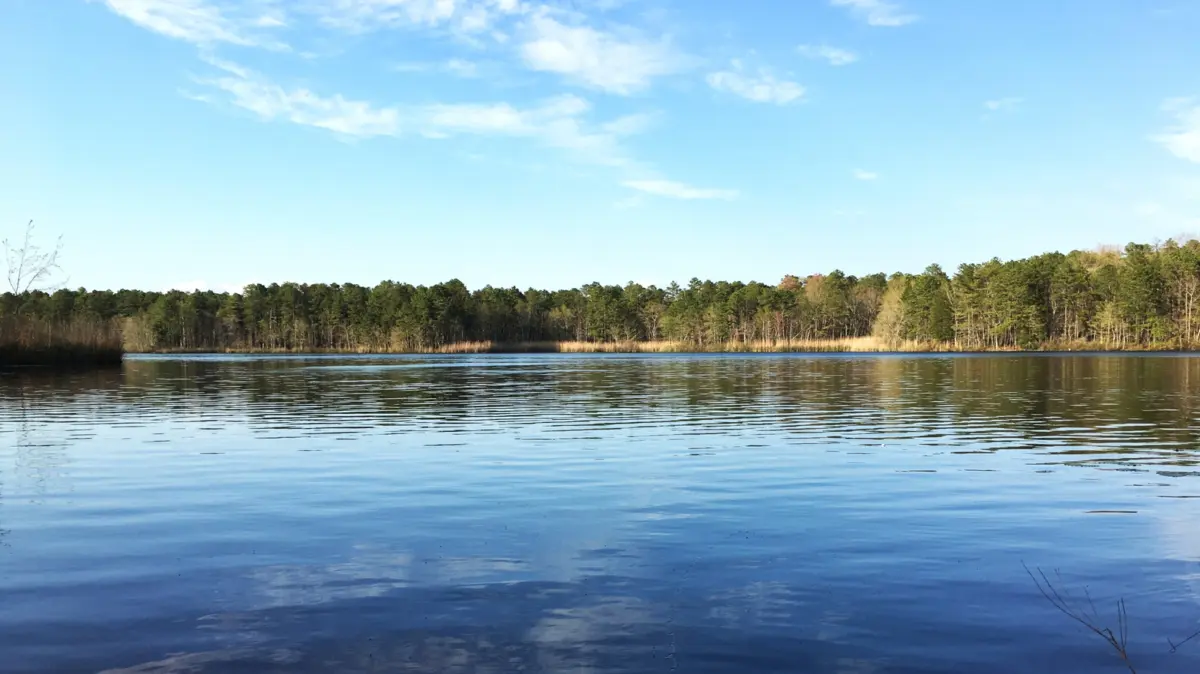
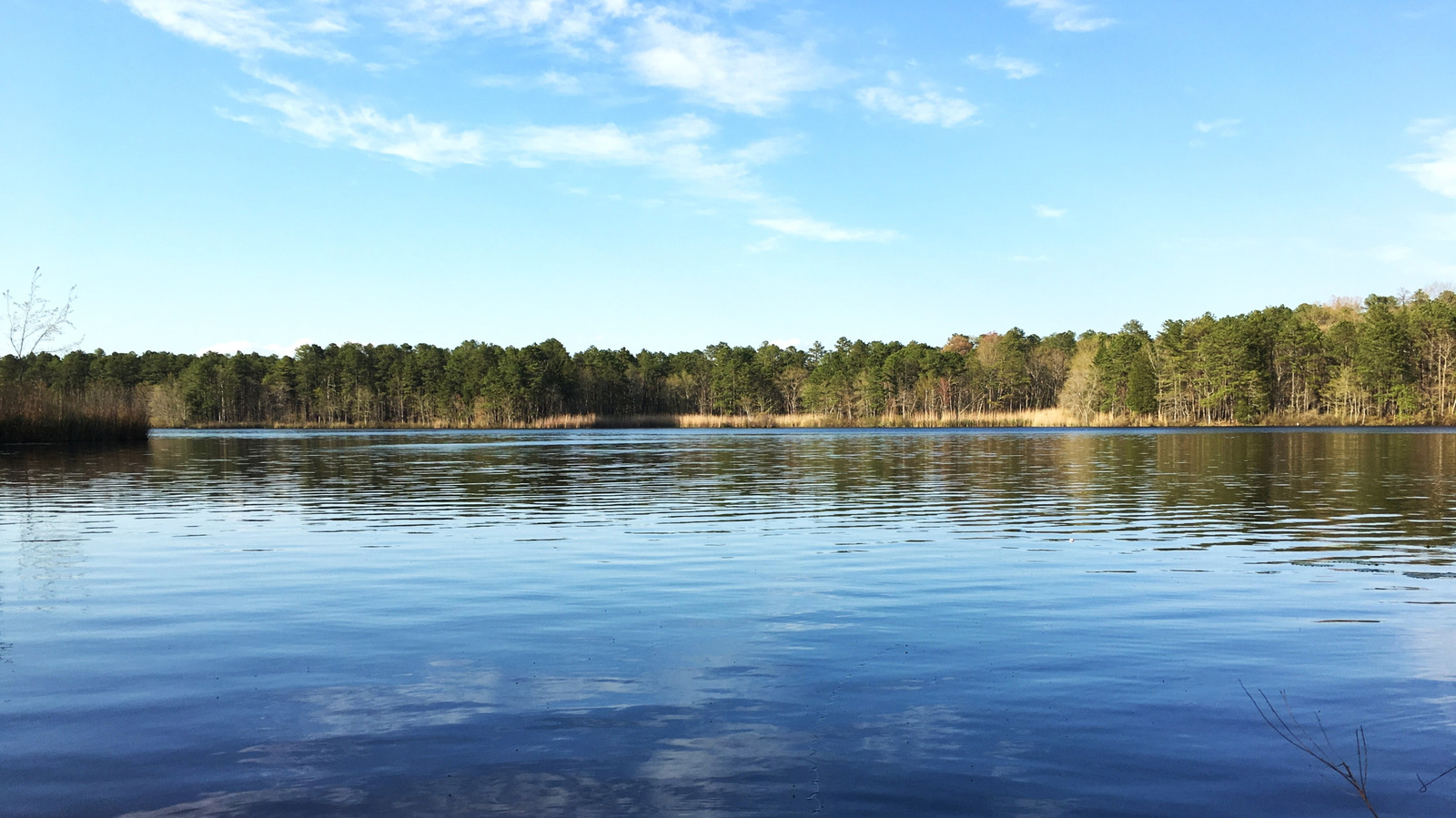
Established in 1905, Bass River holds the distinction of being New Jersey’s very first state forest. Spanning thousands of acres within the ecologically vital Pinelands National Reserve, this protected expanse trades concrete jungles for soaring, six-foot-tall pitch pine trees, dwarf pine plains, and tranquil aquatic ecosystems. At its heart lies the 67-acre Lake Absegami, a focal point for decades of outdoor recreation, offering visitors a comprehensive escape featuring camping, non-motorized boating, scenic hiking trails, and newly revitalized swimming facilities.
As regional tourism looks toward accessible, low-impact outdoor destinations, Bass River State Forest stands out as a masterclass in balancing historical preservation with modern recreational demands. This report examines the historical evolution, recreational infrastructure, logistical frameworks, and ecological significance of New Jersey’s pioneering state forest.
Detailed Chronology
Understanding the current landscape of Bass River State Forest requires examining the historical milestones that shaped its conservation and development over more than a century.
- 1905 — The Genesis of New Jersey Forestry: Bass River State Forest is officially established, making it the pioneer state forest in New Jersey. The initial land acquisitions are driven by a growing state-level initiative to protect timber resources, manage wildfire risks, and preserve the unique ecology of the New Jersey Pine Barrens.
- The 1930s — Civilian Conservation Corps (CCC) Era: The Great Depression brings transformative changes to the forest. Enrollees from the Civilian Conservation Corps construct major infrastructure projects that define the park’s layout to this day, most notably the creation of Lake Absegami via the damming of a local stream. The CCC also builds initial access roads, firebreaks, and forestry outposts.
- Mid-20th Century — Expansion of Public Recreation: As post-war American car culture flourishes, state forests shift from strictly timber and conservation reserves toward multi-use public recreational areas. Bass River expands its footprint, introducing organized campgrounds, designated swimming beaches, and formalized trail systems to accommodate growing numbers of visitors from Philadelphia, Atlantic City, and surrounding municipalities.
- 2020–2024 — Infrastructure Modernization: The designated swimming area at Lake Absegami undergoes a mandatory, multi-year closure for extensive renovations. Funded by state park modernization initiatives, the project delivers a brand-new food concession stand, updated restrooms, modernized changing rooms, and an upgraded lifeguard station, significantly enhancing visitor safety and amenities upon its reopening.
Supporting Context & Metrics
Bass River State Forest is not merely a local park; it is a critical component of the Pinelands National Reserve—the United States’ first National Reserve, designated a Biosphere Reserve by UNESCO due to its rare and fragile ecosystem.
Geographical and Ecological Metrics
- Distance from Philadelphia: Approximately 60 miles east (roughly a 1-hour and 15-minute drive, depending on traffic conditions).
- Water Surface Area: Lake Absegami spans 67 acres of calm, tea-colored water, characteristic of cedar-swamp runoff rich in organic tannins.
- Campground Capacity: The forest features 176 tent and trailer sites distributed across two distinct campgrounds situated on the northern and southern shores of Lake Absegami.
- Trail Network: Eight distinct trail systems traverse the forest, ranging from short, interpretive walks to multi-mile loops like the 4.5-mile Orange Loop.
Flora and Fauna
The forest is anchored by the Atlantic white cedar, pitch pine, and various oak species. Its unique soil composition—sandy, acidic, and nutrient-poor—creates a habitat for specialized flora and fauna, including rare carnivorous plants like yellow bladderwort, as well as populations of white-tailed deer, red foxes, and numerous migratory bird species.
Official Statements and Visitor Perspectives
The management of Bass River State Forest falls under the jurisdiction of the New Jersey Department of Environmental Protection (NJDEP) Division of Parks and Forestry. State land managers emphasize the delicate balance between promoting public recreation and maintaining the strict ecological integrity of the Pinelands.

"State forests like Bass River serve a dual purpose: they act as ecological sanctuaries safeguarding rare Pinelands habitats, and they provide essential, accessible outdoor escapes for millions of urban and suburban residents in the mid-Atlantic region," notes regional park management literature from the NJDEP. "Our ongoing capital investments, such as the recent multi-million-dollar upgrades at Lake Absegami, ensure that public access meets modern safety and sanitary standards without compromising the natural character of the landscape."
Visitor sentiment largely echoes this appreciation for timeless natural beauty, tempered by practical observations regarding park regulations.
In widely shared testimonials, generational visitors praise the constancy of the landscape. "I have been coming here my entire life," noted one frequent visitor in a public review. "The beauty and charm of Lake Absegami never changes."
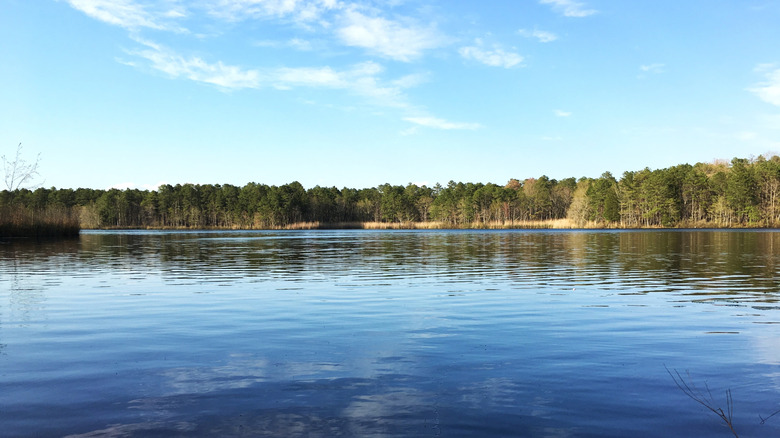
At the same time, operational constraints—particularly regarding lifeguard availability and strict swimming regulations—draw nuanced feedback. Because swimming at the main lake area is restricted to periods when certified lifeguards are on duty (historically Wednesday through Sunday from 10:00 a.m. to 5:30 p.m.), day-trippers occasionally encounter unexpected closures. Park authorities maintain that these protocols are non-negotiable for public safety, directing visitors to secondary beach zones within the Day Use Area when necessary.
Future Outlook
As urban centers like Philadelphia continue to grow densification efforts, the demand for nearby, high-integrity natural escapes is projected to rise exponentially. Bass River State Forest faces the ongoing challenge of managing increased visitor volume while protecting the sensitive hydrology and fire-dependent ecology of the Pinelands.
Key Focus Areas for Coming Years:
- Infrastructure Resilience: Continued maintenance of CCC-era stone work, modern restroom facilities, and road networks to withstand shifting weather patterns and heavier seasonal usage.
- Leave No Trace Initiatives: Strengthening public compliance with the park’s strict "Carry-In/Carry-Out" trash policy. With increased foot traffic comes the heightened risk of littering; park rangers are prioritizing educational campaigns to ensure visitors pack out all waste.
- Alternative Lodging Innovations: Maintaining and updating the park’s diverse lodging options—ranging from primitive tent sites to modern waterfront cabins and rustic lean-tos—to cater to a broader demographic of outdoor enthusiasts, from backcountry purists to comfort-seeking glampers.
- Regional Tourism Synergy: Deepening partnerships with nearby historic and cultural hubs, such as the bayfront borough of Tuckerton located just 10 minutes away, to promote holistic regional tourism that benefits local economies while dispersing environmental impact.
Ultimately, Bass River State Forest remains a vital ecological and recreational asset. For those willing to trade the noise of city streets for the whispering canopies of pitch pine and the glassy reflections of Lake Absegami, New Jersey’s oldest state forest offers an enduring sanctuary just a short drive across the river.