







Executive Overview
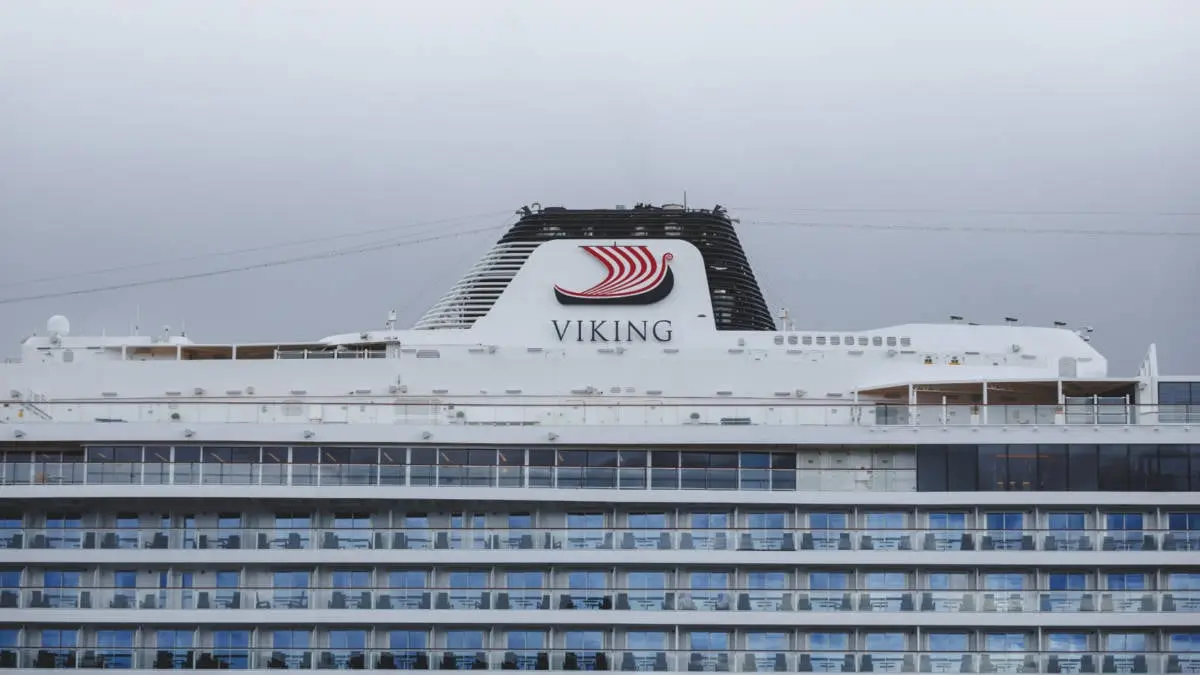
In a significant stride toward the long-term expansion of its luxury fleet, Viking has officially finalized a contract with Italian shipbuilding giant Fincantieri for the construction of two advanced cruise ships. Officially signed on August 20, 2026, the agreement brings to fruition the options previously secured under a landmark agreement from April 2025. The newly contracted vessels are slated for delivery in 2032, further cementing a decades-long industrial partnership that has come to define modern, high-end ocean cruising.
While financial specifics of the transaction have been kept closely guarded, Fincantieri has classified the agreement as a "large" contract—an internal designation indicating a total value ranging between €500 million and €1 billion (approximately $584 million to $1.17 billion USD). These upcoming ships, designated as the fifth and sixth vessels stemming from recent structural orders, will be meticulously constructed at Fincantieri’s renowned Ancona shipyard, situated along the Adriatic Sea in eastern Italy.
The order underscores not only Viking’s sustained market demand and financial confidence but also Fincantieri’s enduring industrial capability. With this latest addition, the storied Italian shipbuilder will have engineered, built, or delivered an astounding total of 28 vessels for Viking across the cruise line’s expanding ocean and expedition fleets. As the cruise industry grapples with changing environmental regulations, geopolitical volatility, and the increasing demand for sustainable luxury, this multi-million-euro commitment sets a definitive benchmark for the decade ahead.
Detailed Chronology of the Partnership and Order Evolution
The path toward the August 2026 contract signing is rooted in a strategic trajectory that Viking and Fincantieri have methodically built over the past several years. Understanding how this latest agreement came to life requires an examination of the recent timeline of vessel orders, technological transitions, and contractual milestones.
The April 2025 Foundation
The genesis of the 2032 ships dates back to April 2025, when Viking made waves across the maritime sector by announcing a sweeping expansion that included its first-ever hydrogen-powered vessels, Viking Libra and Viking Astrea. That initial spring announcement was not merely about two ships; it established a multi-vessel framework agreement that mapped out a rolling sequence of construction options.
During that April announcement, Viking ordered the primary hydrogen-capable ships alongside two additional options. Those subsequent options formed the foundation for the fifth and sixth vessels in the sequence—the very ships that have now transitioned from optional concepts to firm contractual commitments as of August 2026.
The Interim Fleet Rollout
To fully appreciate the scope of the 2032 deliveries, one must view them within the context of Viking’s immediate deployment pipeline. The rollout schedule leading up to the 2032 vessels features a succession of similarly scaled sister ships:
- Viking Libra: Scheduled to make its highly anticipated debut in November 2026.
- Viking Astrea: Slated to follow shortly thereafter, with an inaugural voyage planned for June 2027.
- Viking Vesta and Viking Mira: Further anchor the line’s ongoing capacity increases, operating under the same architectural footprint.
By spacing these deliveries out from late 2026 through the early 2030s, Viking is deliberately orchestrating a measured, sustainable capacity growth model. This strategy ensures that its operational infrastructure, crew training pipelines, and loyal passenger base can seamlessly absorb the introduction of ultra-modern tonnage without overextending market absorption.
The Formalization of the 2032 Contract
The ink dried on the final contract on August 20, 2026, sealing the deal for the 2032 deliveries. However, industry observers note that like the vast majority of multi-million-dollar maritime agreements, this contract remains formally subject to standard industry terms and conditions, including final financing approvals. Given the robust financial standing of both Viking and Fincantieri, these regulatory and financial hurdles are widely anticipated to be cleared smoothly, paving the way for steel-cutting ceremonies in the years to come.
Supporting Context, Ship Specifications, and Financial Metrics
The newly ordered ships are engineered to meet precise operational, aesthetic, and environmental standards. While minimalist luxury has long been a hallmark of the Viking brand, the physical and technical specifications of these vessels reveal a deliberate design philosophy geared toward intimate, destination-focused cruising.
Architectural and Passenger Metrics
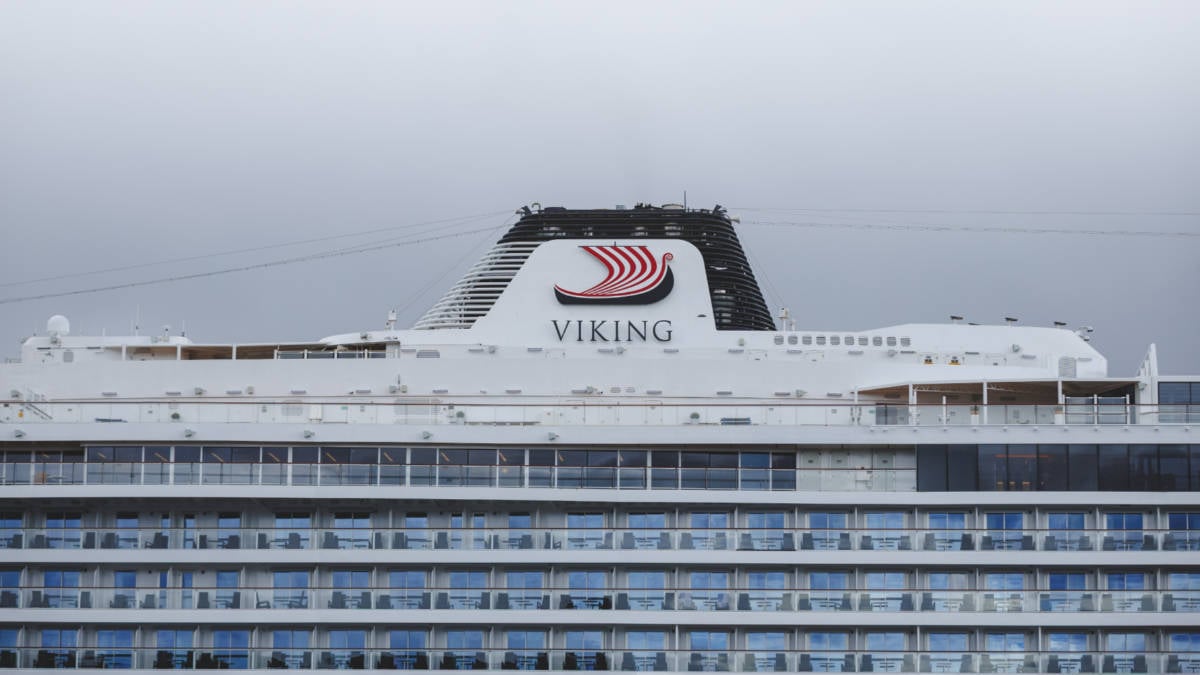
Maintaining consistency across its modern ocean fleet, Viking has opted to replicate the successful design specifications of its immediate predecessors (Viking Vesta, Viking Mira, Viking Libra, and Viking Astrea).
- Gross Tonnage: Approximately 54,300 gross tons.
- Passenger Capacity: 998 guests.
By keeping the passenger count strictly under the 1,000-mark, Viking deliberately avoids the mega-ship phenomenon. This scale allows the vessels to navigate tighter waterways, dock closer to city centers, and access niche ports that are entirely inaccessible to massive cruise liners carrying 4,000 to 6,000 passengers. Furthermore, the intimate passenger-to-space ratio ensures a high level of personalized service and eliminates the overcrowded onboard experiences common in mass-market cruising.
Financial Scope: Decoding the "Large" Contract
While exact figures remain confidential, Fincantieri’s categorization of the agreement as a "large" contract provides clear economic visibility. Valued between €500 million and €1 billion ($584 million to $1.17 billion USD) for the pair, the investment highlights the astronomical costs associated with modern, high-specification shipbuilding.
These figures account not only for raw materials like specialized marine steel and outfitting supplies, but also for the integration of cutting-edge propulsion, navigation, and environmental technologies. In an era marked by fluctuating global supply chain costs and inflationary pressures on maritime manufacturing, locking in a firm order six years in advance provides both shipbuilder and cruise line with vital economic stability.
Environmental Compliance and Sustainability
Environmental stewardship is no longer an optional marketing angle in the cruise industry; it is a strict operational imperative. The 2032 vessels will be constructed to comply with the most stringent global environmental regulations and navigation requirements.
As maritime authorities enforce tighter restrictions on carbon emissions, sulfur oxides (SOx), and nitrogen oxides (NOx), shipbuilders must integrate advanced waste management systems, energy-efficient hull designs, and shore-power capabilities from the blueprint stage. While Viking’s earlier 2025 announcement broke ground with hydrogen-power integrations (Viking Libra and Viking Astrea), the 2032 vessels will undoubtedly benefit from the rapid evolution of green maritime tech, ensuring they remain compliant with future-proof environmental mandates well into the 2040s and beyond.
Enhanced Safety Systems in Remote Destinations
One of the most critical developments in modern cruise ship design is the elevation of onboard safety and emergency response architectures. Modern cruisers are increasingly venturing into isolated ports, pristine archipelagos, and delicate ecosystems far from major metropolitan medical and logistical hubs.
Recent geopolitical and maritime incidents have cast a spotlight on the absolute necessity of robust onboard safety systems. For instance, the lingering regional instabilities in the Middle East have previously left ships stranded when vital maritime passages like the Strait of Hormuz faced unexpected closures. Similarly, navigational incidents—such as the grounding of the small cruise ship Fiji Princess on a coral reef near Monuriki Island in Fiji—underscore the unpredictable nature of expedition and boutique cruising in remote regions.
When ships encounter geopolitical blockades, environmental hazards, or mechanical emergencies far from established shipping lanes, the burden falls entirely on the vessel’s internal systems. The 2032 Viking newbuilds are slated to incorporate the most modern, redundant safety architectures available. These advanced systems are designed to safeguard guests and crew members against unforeseen maritime emergencies, ensuring that whether a ship is navigating Arctic fjords, isolated South Pacific islands, or high-traffic international straits, it remains fully self-sufficient and operationally resilient.
Official Statements and Industry Perspectives
The announcement of the 2032 contract elicited enthusiastic responses from the leadership teams of both corporations, highlighting the mutual trust and industrial synergy that has defined their decades-long relationship.
Pierroberto Folgiero, Chief Executive Officer and Managing Director of Fincantieri, emphasized the historic nature of the partnership and the vital role played by the Ancona shipyard:
"Today’s agreement marks another milestone in our long-standing partnership with Viking and serves as a powerful testament to the excellence and industrial expertise of our Ancona shipyard. Over the years, Ancona has proven to be an indispensable production hub for our Group, delivering highly sophisticated cruise ships that set the benchmark for technology, luxury, and efficiency."
Folgiero further underscored the broader socioeconomic impact of the deal on the local Italian economy and the wider maritime supply chain:
"Assigning these new builds to Ancona reinforces the strategic role of the site, supports high-value local employment, and ensures long-term industrial continuity for our supply chain as we continue to shape the future of sustainable cruising."
The decision to anchor production at the Ancona shipyard on the Adriatic Sea is a strategic masterstroke. Ancona has developed specialized expertise in constructing medium-sized, highly sophisticated luxury liners. By securing continuous work through 2032, Fincantieri guarantees steady, high-skill employment for thousands of shipwrights, engineers, and technicians in the region, while also providing financial predictability for hundreds of specialized component suppliers across Europe.
Future Outlook: The Horizon of Luxury Cruising
As the global cruise market continues its robust post-pandemic evolution, the demand for sophisticated, small-ship luxury experiences shows no signs of slowing down. Viking’s forward-looking strategy—extending its order book nearly a decade into the future—demonstrates a masterclass in long-term corporate planning.
What Lies Ahead for Viking’s Fleet
While itinerary details for the newly contracted 2032 vessels remain unannounced, industry analysts can easily map out their likely deployment based on Viking’s established operational model. These ships will almost certainly be deployed across Viking’s lucrative global portfolios, spanning the Mediterranean, Northern Europe, the Americas, and potentially expanding further into exotic niche itineraries.
The deliberate choice to maintain a consistent 998-passenger capacity ensures that Viking can continue to offer its signature destination-focused voyages. By avoiding the homogenization of mega-ships, Viking preserves an intimate onboard culture that appeals directly to affluent, culturally curious travelers who prioritize enrichment, destination immersion, and unhurried luxury.
The Macro Impact on Global Shipbuilding
Beyond Viking’s corporate ambitions, this contract solidifies Fincantieri’s dominance in the luxury cruise construction sector. At a time when several global shipyards face capacity bottlenecks or shifting economic landscapes, Fincantieri’s order book remains the envy of the maritime world. With 28 total ships built or contracted for a single cruise partner, the Viking-Fincantieri alliance stands as one of the most prolific and successful client-builder relationships in modern maritime history.
As the industry marches toward the mid-2030s, the spotlight will inevitably turn to the steady delivery of the intervening vessels—starting with Viking Libra in late 2026 and Viking Astrea in mid-2027. However, the formalization of the 2032 ships ensures that Viking’s fleet evolution is future-proofed, guaranteed, and firmly anchored in Italian craftsmanship. For travelers, travel advisors, and industry watchers alike, the message is clear: the future of elegant, safe, and sustainable luxury cruising is already taking shape on the Adriatic coast.