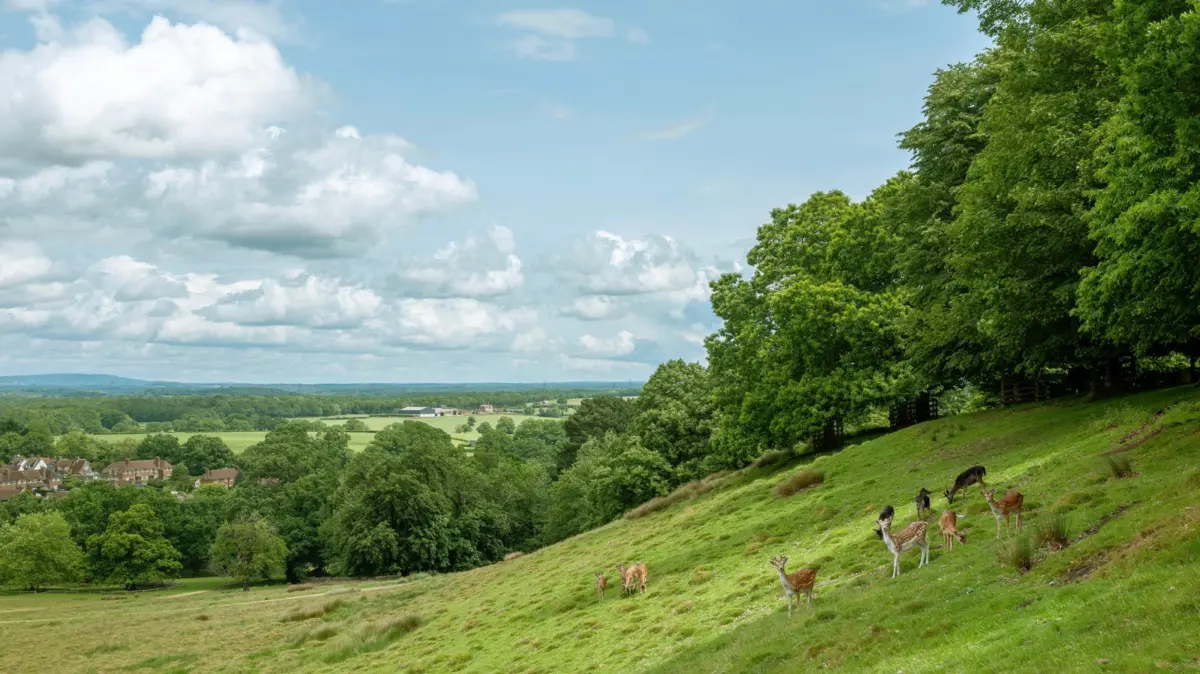
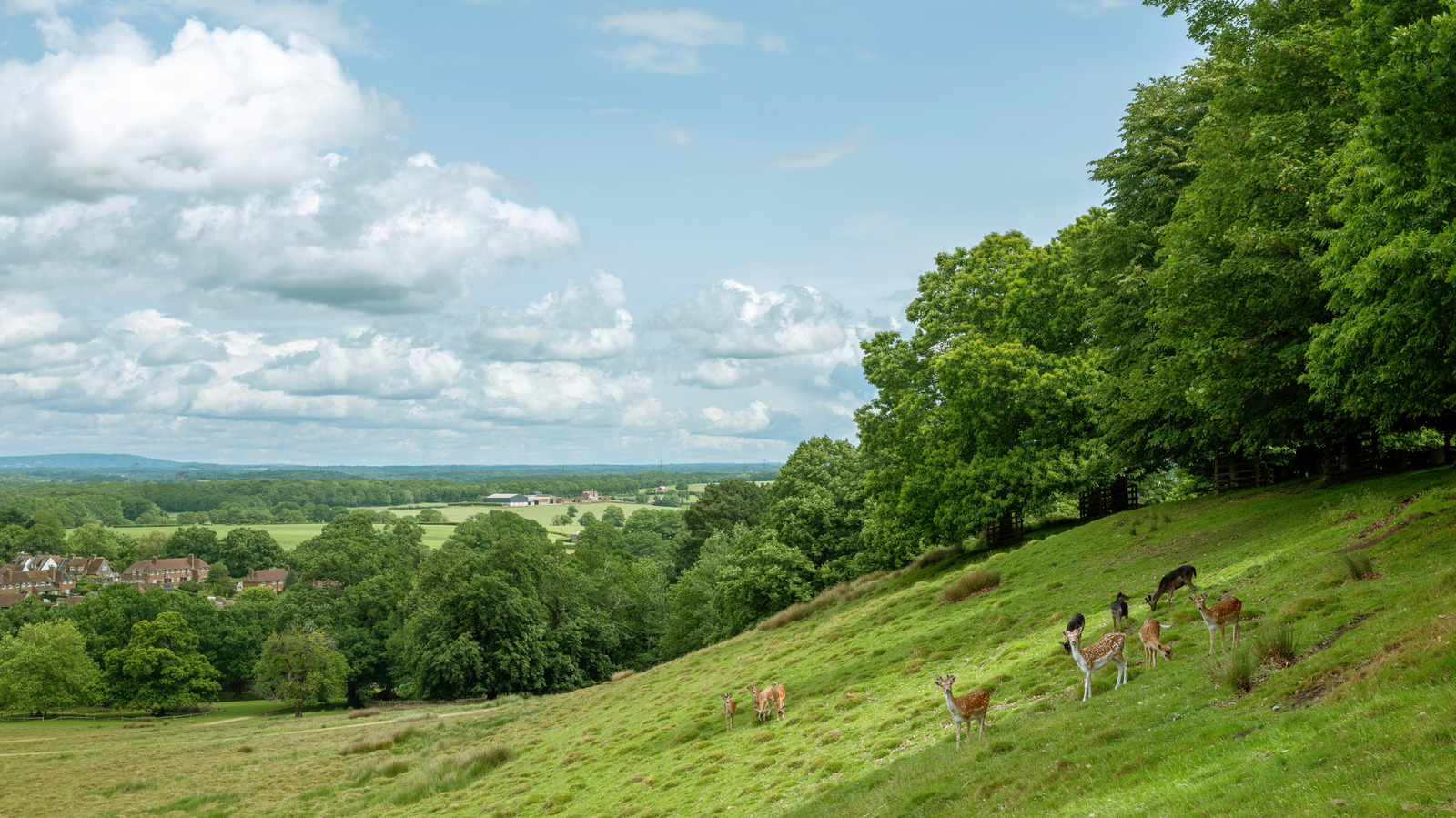
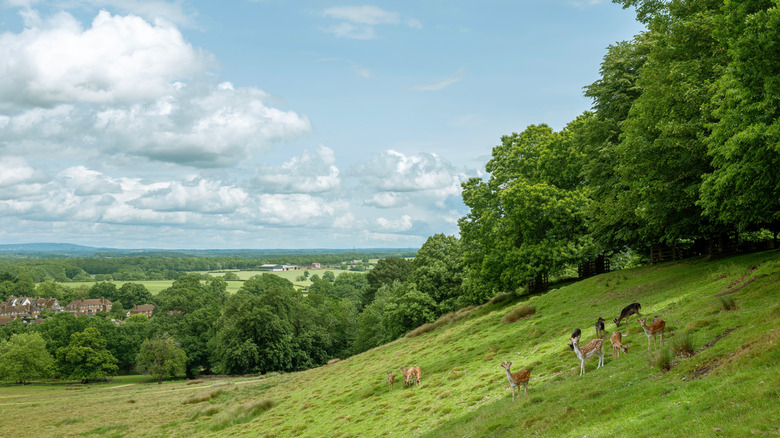
For travelers seeking a quintessential English escape without the logistical headache of long-distance travel, the historic market town of Petworth offers an idyllic masterclass in rural charm. Tucked seamlessly into the rolling green folds of the South Downs National Park in West Sussex, Petworth sits less than two hours south of central London. Despite its close proximity to the capital’s relentless pace, this ancient community—whose roots stretch back to the 11th century—operates at a delightfully unhurried cadence.
Defined by weathered stone architecture, rustically painted cottages, and a thriving independent merchant culture, Petworth is far more than a mere roadside stop. It is a destination of substance, anchored by the majestic, art-filled baroque estate of Petworth House and framed by pristine national park vistas. Whether visitors arrive via a seamless 90-minute rail-and-bus transit from London Victoria Station or embark on an extended South Downs road trip, Petworth delivers a robust travel experience. Boasting an incredible density of antique markets, curio boutiques, cozy literary sanctuaries, and diverse culinary hotspots ranging from farm-to-table grills to centuries-old pilgrim inns, Petworth represents the absolute pinnacle of English countryside leisure.
Detailed Chronology: From Domesday Roots to Modern Sanctuary
To fully appreciate the atmospheric depth of Petworth, one must trace its centuries-old evolution from a modest feudal holding into a vibrant cultural hub.
Petworth’s history is deeply intertwined with the shifting powers of medieval England. Long before it became a bustling market town, the settlement was recorded in the Domesday Book of 1086 under the name Pctewrde. For centuries, the manor and its surrounding lands were held by influential noble families, most notably the Percys, Earls of Northumberland. Their presence fundamentally shaped the layout and economic trajectory of the town, transforming it from a scattering of agrarian dwellings into a fortified administrative and commercial center.
The Baroque Transformation and the Percy Legacy
The defining architectural chapter of Petworth unfolded during the 17th and 18th centuries. The ancestral seat of power, Petworth House, underwent a massive baroque reconstruction modeled loosely after the Palace of Fontainebleau. Inside its sprawling, stately corridors, the Percy family—and later the Wyndham family, through marriage—amassed one of the most significant private art collections in Britain, featuring masterworks by J.M.W. Turner (who was a frequent guest and resident of the estate), Anthony van Dyck, and master sculptors of the classical tradition.
As the grand estate expanded, the surrounding town grew in tandem. The market square was established, laying the groundwork for a merchant economy that has survived centuries of industrial and retail disruption.
The Edwardian Era and Modern Preservation
By the dawn of the 20th century, Petworth had settled into a prosperous rhythm as a local hub for tradespeople, agricultural workers, and craftsmen. The Petworth Cottage Museum today preserves this specific chapter of working-class history, offering an authentic, untouched snapshot of daily life during the Edwardian period.
In 2011, the formal establishment of the South Downs National Park provided an additional layer of administrative and environmental protection to the region. Today, Petworth strikes a rare balance: it honors its deep historical lineage while gracefully accommodating the demands of 21st-century cultural tourism, boutique shopping, and gastronomy.
Supporting Context & Metrics: Navigating Petworth and the South Downs
Understanding the logistical landscape of Petworth highlights why it remains one of southern England’s most accessible and rewarding weekend escapes.
Transit Logistics and Accessibility
Travel Time from London: Approximately 90 minutes total.
Rail Route: Travelers depart from London Victoria Station on the Southern Railway line, disembarking at Pulborough station.
Final Leg: From Pulborough, a dedicated local bus service connects passengers directly to the heart of Petworth in a matter of minutes.
Alternative Route: For motorists, Petworth serves as a premier anchor point on regional road trip itineraries across the South Downs, offering easy driving access to neighboring historic towns like Midhurst and coastal access points further south.
Retail and Economic Landscape
Petworth is globally renowned as a hub for antique connoisseurs. The town’s economy features an exceptionally high ratio of independent businesses to chain stores, preserving a distinct sense of place.
The Antiques District: Centered tightly around the old market square and Lombard Street, the local market infrastructure hosts dozens of independent dealers specializing in everything from 18th-century furniture and vintage vinyl to rare books and Edwardian silverware.
Independent Retail: Family-owned storefronts like Tallulah Fox and the Petworth Bookshop anchor the local high street, championing artisan goods, home decor, and contemporary literature.
Official Statements & Local Perspectives
The enduring appeal of Petworth is best articulated by those who curate its cultural spaces, craft its menus, and study its history.
Local preservationists emphasize that Petworth’s charm lies in its authenticity. Unlike manufactured tourist villages, Petworth is a living, breathing community where commercial enterprise and historical preservation coexist harmoniously.
A spokesperson for local tourism initiatives in the South Downs National Park notes:
"Petworth represents the absolute best of what the South Downs has to offer. It seamlessly marries world-class heritage—typified by the national treasures housed within Petworth House—with a fiercely independent spirit of enterprise. Visitors aren’t just consuming a sanitized tourist product; they are stepping into an active, thriving market town that has welcomed travelers for nearly a thousand years."
Retailers along Lombard Street similarly echo the sentiment of community-focused hospitality. Representatives from the independent shopping sector highlight the intimate connection between store owners and patrons:
"People come to Petworth to slow down. Whether they are spending an hour browsing through the shelves at the Petworth Bookshop or searching for rare collectibles at the Petworth Antiques Market, our visitors appreciate the personal touch. Every storefront has a story, and every purchase supports a network of local makers and independent curators."
Gastronomic operators in the area further emphasize the shift toward sustainable, hyper-local hospitality. Staff at premier dining establishments like the E.Street Bar & Grill and historic institutions like The Angel Inn point to the abundance of regional produce:
"Being nestled inside the South Downs gives us direct access to some of the finest farm-to-table ingredients in the United Kingdom. From seasonal game and fresh coastal catches to locally brewed ales and ciders, our menus reflect the rich agricultural landscape right outside our doors."
Future Outlook: Preservation, Tourism, and Sustainable Growth
As domestic travel trends increasingly favor short-haul, sustainable, and nature-adjacent getaways, Petworth is uniquely positioned for a vibrant future.
Balancing Tourism and Heritage
The primary challenge facing historic market towns like Petworth in the years ahead will be managing visitor capacity while preserving the delicate architectural integrity of its 17th- and 18th-century streetscapes. Local municipal planners, in collaboration with the South Downs National Park Authority, are actively prioritizing pedestrian-friendly infrastructure, encouraging public transit usage over private vehicle congestion, and supporting green initiatives among local merchants.
The Rise of Experiential and Slow Travel
Modern travelers are moving away from rushed, checklist-style sightseeing in favor of "slow travel"—immersing themselves deeply in the culture, gastronomy, and natural environment of a single destination. Petworth’s dense concentration of walkable attractions makes it a prime beneficiary of this shift. With its proximity to the expansive deer parks of Petworth House, the literary nooks of the town center, and the broader trail networks of the South Downs, the town offers a year-round itinerary that transcends traditional seasonal tourism.
Expanding the Regional Ecosystem
Looking forward, Petworth will continue to serve as a vital anchor within the broader tourism ecosystem of West Sussex. By fostering collaborative tourism circuits with nearby destinations—such as the historic ruins and boutique shops of Midhurst or the coastal and vineyard routes spanning the breadth of the South Downs—Petworth ensures that its economic vitality remains robust.
For the Londoner seeking a quick reprieve from urban stress, or the international traveler yearning for historic English authenticity, Petworth stands ready. It is a timeless sanctuary where the past is meticulously preserved, the present is comfortably savored, and the rolling hills of the South Downs offer an endless horizon of peaceful exploration.