For decades, the boundary of wilderness exploration was sharply defined by water. Traditional mountaineers, backpackers, and off-grid explorers viewed rivers, lakes, and fjords as impassable obstacles requiring detours, bridges, or dangerous improvised crossings. That geographic paradigm was fundamentally upended by the advent and exponential evolution of the packraft—an ultra-portable, highly capable inflatable watercraft small enough to fit inside a standard backpacking pack and weighing as little as two to fifteen pounds.
What began as a niche experiment among rugged isolationists in Alaska and Tasmania has burgeoned into a global outdoor movement. Modern packrafts bridge the elusive gap between hiking and paddling, transforming maps from static barriers into interconnected networks of blue-and-green trails. However, this democratization of remote waterways introduces unique challenges. As lightweight inflatable technology advances—incorporating high-performance whitewater stability, internal cargo systems, and rugged engineering—it simultaneously lures unprepared adventurers into high-consequence environments.
This comprehensive guide examines the architecture, operational mechanics, safety protocols, and burgeoning culture of packrafting, offering an authoritative roadmap for both novices and seasoned backcountry river runners.
The origins of inflatable watercraft predate modern synthetic materials by more than a century. The first iteration of an inflatable raft was conceptualized and patented within years of Charles Goodyear’s landmark 1839 discovery of the rubber vulcanization process. Early explorers and military entities recognized the utility of collapsibility, but these primitive vessels were heavy, prone to catastrophic punctures, and functionally unreliable for rugged wilderness travel.
The modern packrafting revolution took root organically in the pioneering isolation of Alaska. Backcountry travelers seeking access to remote watersheds began modifying surplus military life rafts or commissioning hand-welded prototypes from cottage-industry gear makers working out of residential garages in Anchorage.
The Early Decades (1980s–1990s): Packrafts were viewed primarily as utilitarian bridging tools. Adventurers carried glorified "pool toys" rolled up in their packs solely to cross a dangerous river mid-trek, before defecating and stowing the boat to resume hiking.
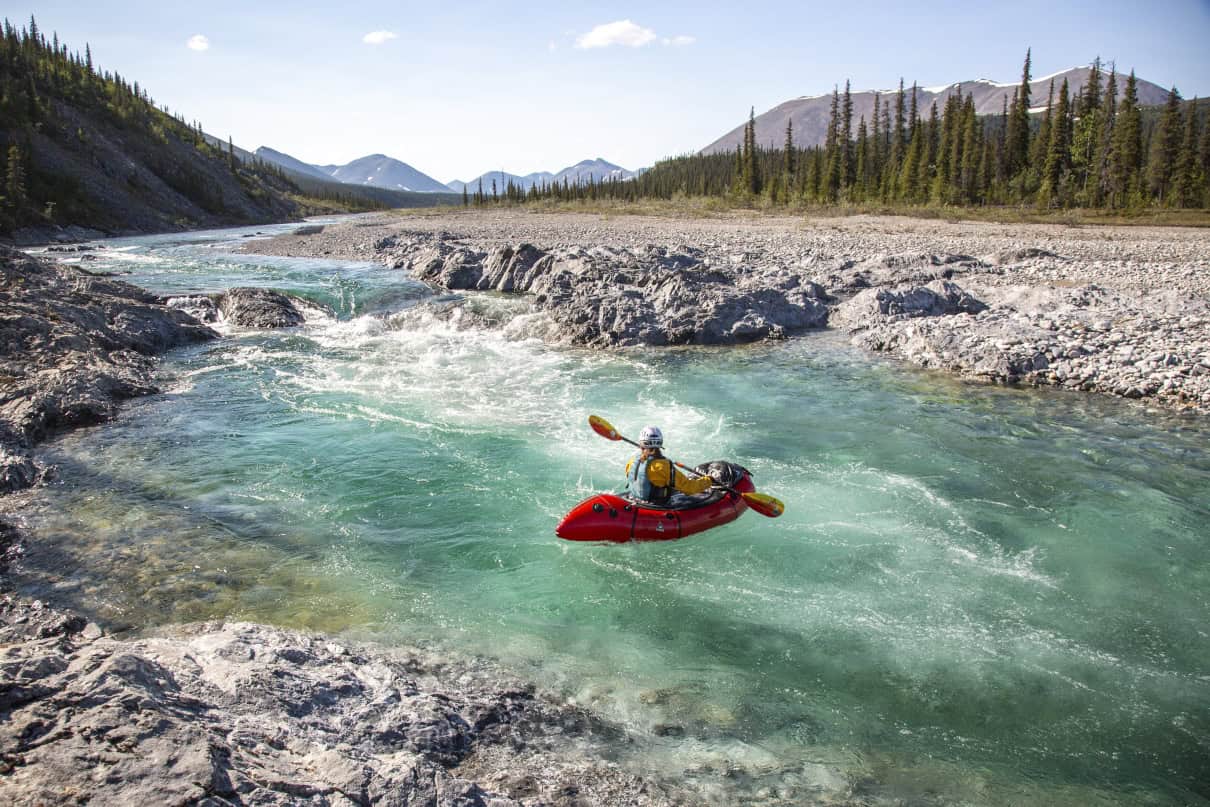
The Turn of the Century (Early 2000s): Driven by advanced urethane-coated nylon fabrics and superior hand-welding techniques, packrafts transformed from fragile emergency ferries into high-performance craft capable of tackling continuous whitewater and multi-day expeditionary loads.
The Modern Era (2010s–Present): The sport has exploded globally. Innovations such as waterproof internal hull zippers (allowing gear to be stored inside the tubes), rockered bows, and inflatable chines have elevated packrafts from novelties into sophisticated hybrids that handle with the agility of whitewater kayaks while maintaining the unmatched portability of inflatable rafts.
Supporting Context & Anatomy of a Packraft: Choosing Your Watercraft
Classifying a packraft is inherently complex. Visually, they resemble miniature whitewater rafts, yet they handle and respond with the dynamic feedback of kayaks. They sit loosely in the broader category of inflatable kayaks—frequently called "duckies"—though packrafts occupy a unique weight and volume threshold designed explicitly for multi-sport integration.
When evaluating a packraft purchase, prospective buyers must navigate an engineering compromise often referred to as the Optimization Triangle: Weight, Durability, and Cost. An adventure traveler can select any two of these attributes, but will inevitably face penalties on the third.
For multi-sport backcountry travel where the boat spends as much time inside a pack as it does on the water, experts generally recommend an 8-to-10-pound sweet spot that balances durable fabric with manageable trail weight.
1. Open vs. Closed Cockpits
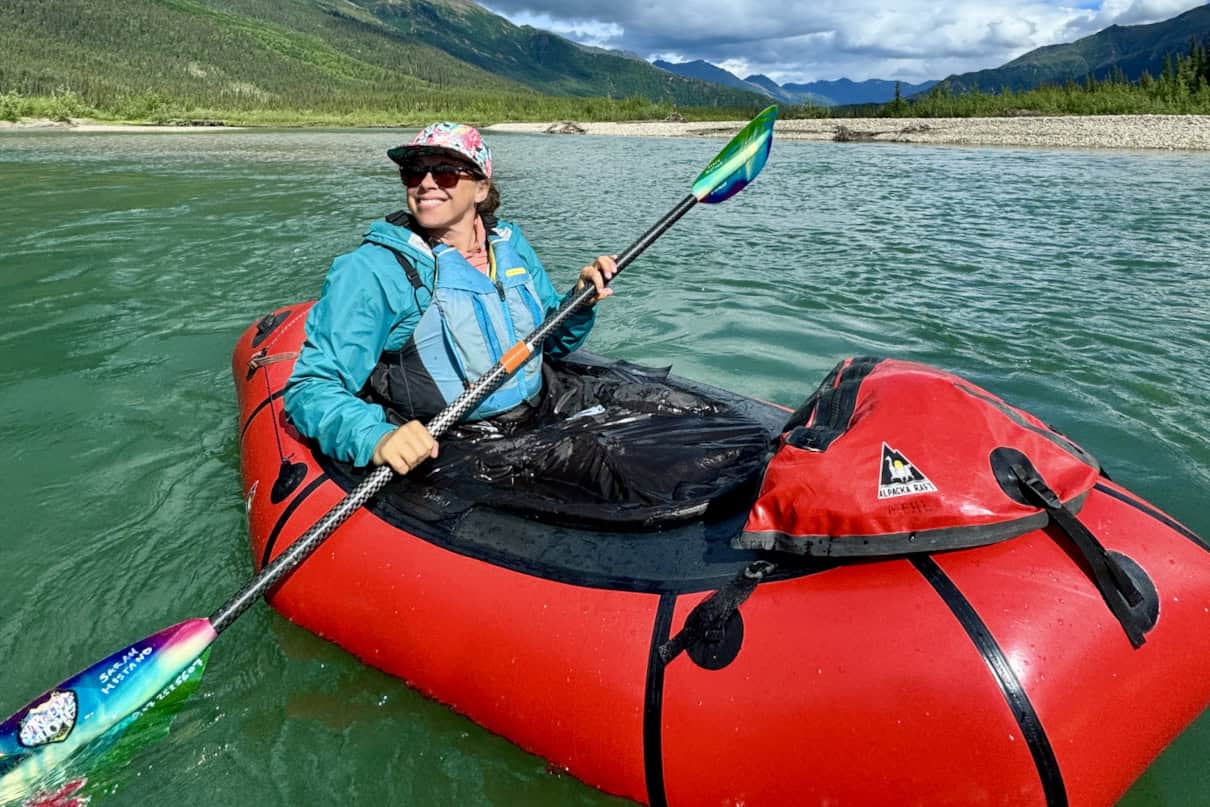
"Bathtub" Designs: The simplest, lightest, and most affordable packrafts feature an open oval innertube hull welded directly to a floor. Ideal for flatwater, calm weather, and cargo hauling, these boats can be wet and cold in choppy conditions.
Decked & Sprayskirt Models: Adding a fabric deck, coaming, and sprayskirt sheds water completely and traps body heat, making them essential for cold climates and technical whitewater.
Self-Bailing Models: Featuring an elevated inflatable floor that allows water to drain out through scupper holes, these are the preferred choice for warm-water climates where quick entry and exit are paramount.
2. Internal Cargo Storage
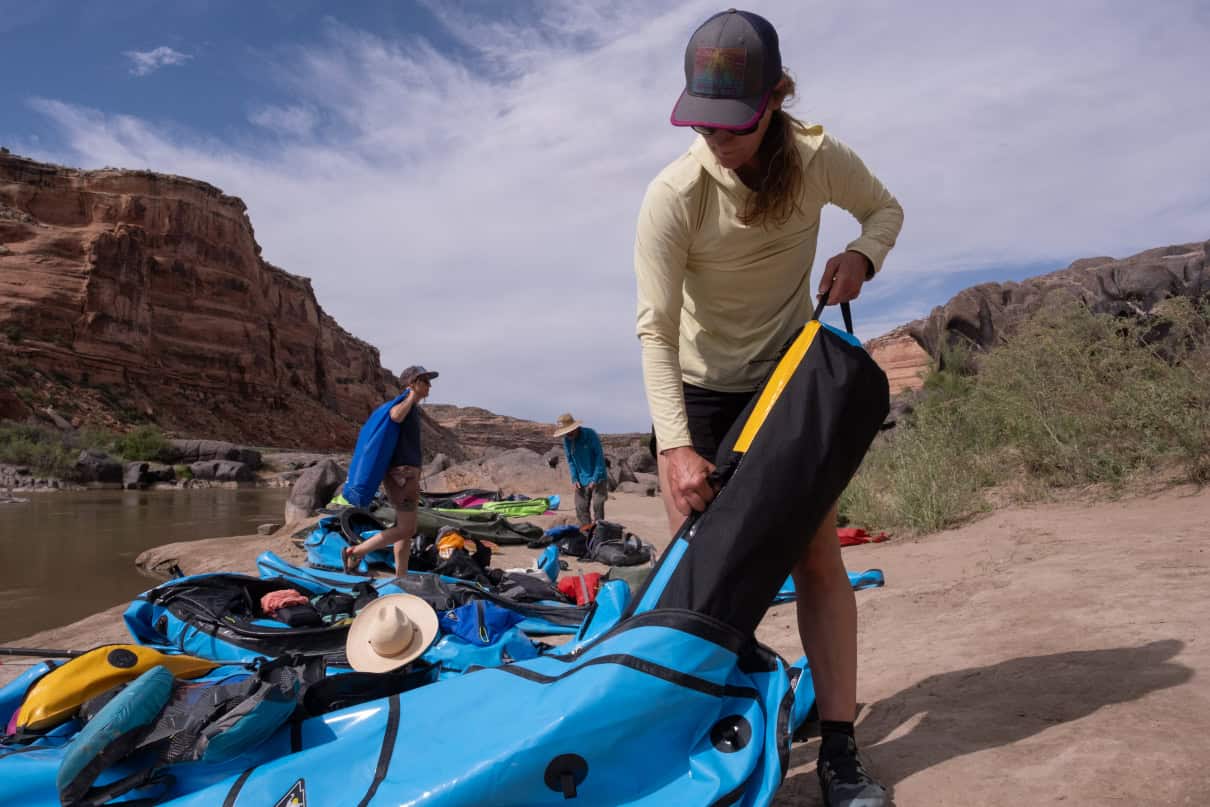
Early packrafting expeditions required strapping heavy backpacks directly onto the bow. This created an dangerously high center of gravity, turning benign Class II ripples into harrowing experiences. Modern utility and expedition packrafts feature air-tight, waterproof zipper systems. Storing multi-day gear, food, or firearms inside the uninflated hull keeps equipment completely dry while dramatically lowering the craft’s center of gravity, vastly improving stability in turbulent water.
3. Categorical Design Profiles
Ultralight (2–5 lbs): Engineered for alpine lake lounging or minimalist stream crossings. Inappropriate for moving rivers or open-water crossings.
Utility & Expedition: High-volume vessels built with heavy-duty fabrics to carry bikes, harvested game, or multi-week camping gear deep into remote mountain ranges.
Whitewater: High-performance designs featuring aggressive rocker, thigh straps, and inflatable chines that simulate the secondary stability of hard-shell kayaks.
Specialty: Long-hulled marine tourers, sleek tandem boats for adventure racing, and multi-passenger configurations.
Operational Mastery: Setup, Strokes, and Safety
A packraft delivered to your doorstep arrives in a deceptively small package. However, unpacking and launching immediately without proper adjustments is a recipe for failure.
Inflation and Thermodynamic Realities
Achieving optimal hull rigidity requires high air pressure, usually pumped via a dedicated inflation bag or electric pump. Crucially, paddlers must account for the Ideal Gas Law ($PV = nRT$). Cold water rapidly drops the air pressure inside the tubes, leading to visible hull wrinkles that degrade performance; paddlers must frequently top off air pressure once the boat hits the water. Conversely, letting air out during extended land portages prevents over-pressurization from solar heating.
Outfitting and Ergonomics
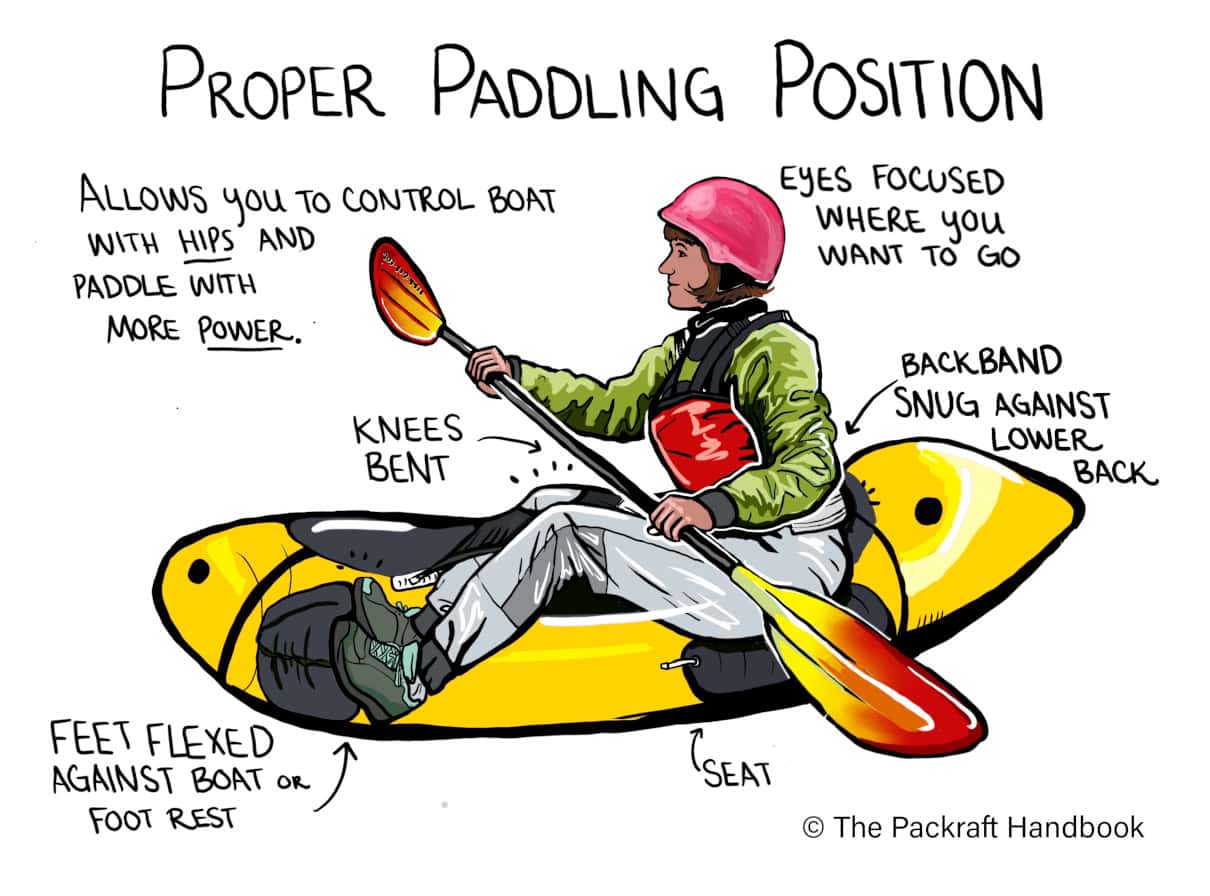
Proper outfitting links the paddler’s body directly to the boat, allowing engagement of major muscle groups (legs and core) rather than fatiguing the arms.
Seat Height: Inflate the seat so your hips sit above your feet and your elbows clear the hull.
Foot Braces: Plant soles firmly against the bow or an adjustable foot brace with knees bent at a 45- to 60-degree angle.
Thigh Straps: Optional straps lock your knees to the hull, allowing precise edge control and aggressive maneuvering.
Essential Paddling Strokes
Propelled universally by double-bladed kayak paddles, packrafts rely on precise biomechanics for efficiency:
Forward Stroke: Maintain a "paddler’s box" (as if carrying a large exercise ball) by rotating your torso rather than over-bending your elbows. Catch the water at your ankles and release at your hips.
Sweep Stroke: A wide-arc turning stroke executed with a shallow blade depth and deep torso rotation.
Draw Stroke: Rotates the torso to slice the blade laterally, moving the boat sideways to bypass obstacles.
Stern and Bow Draws: Advanced technical strokes vital for Class III+ water, anchoring the blade to execute rapid pivots and eddy turns.
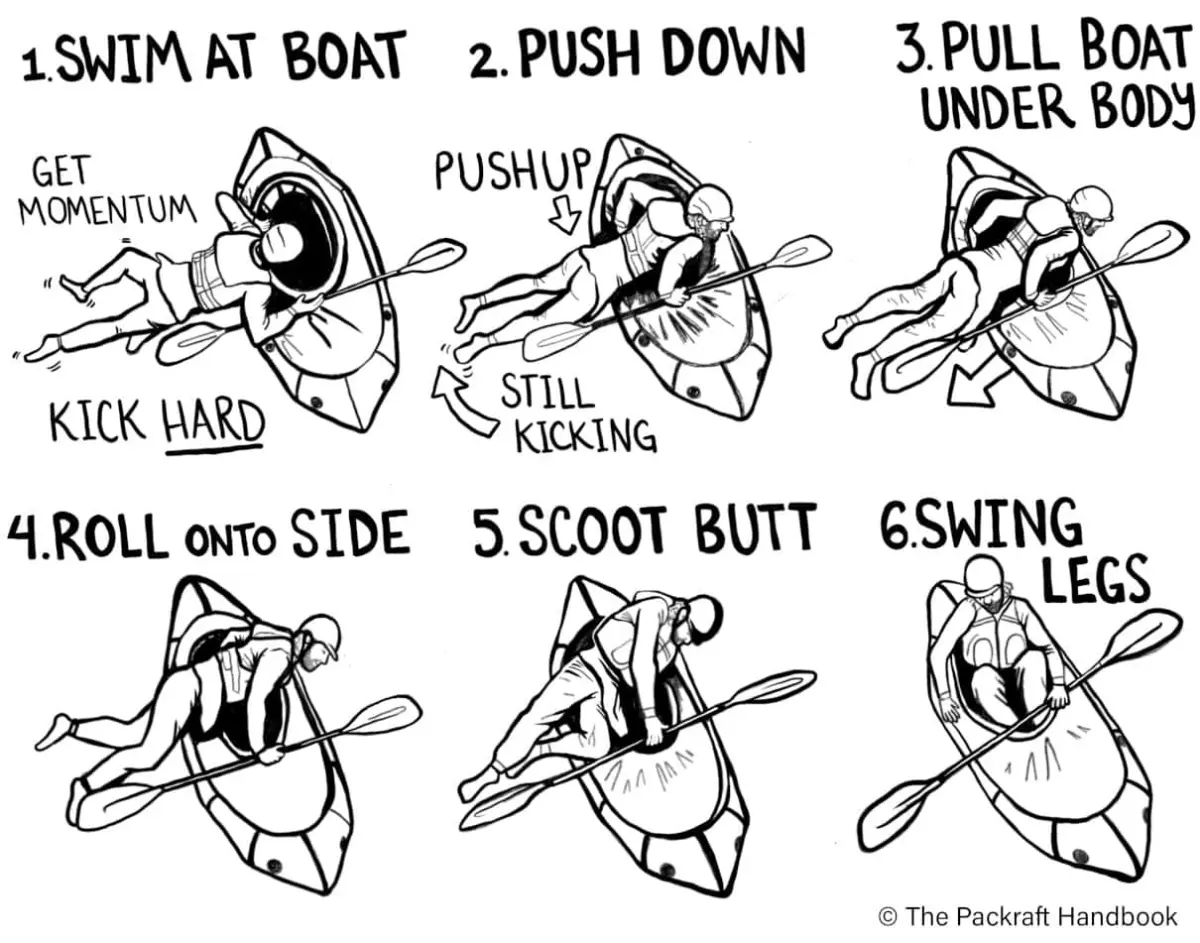
Braces: Low- and high-angle defensive strokes utilized to prevent imminent capsizing.
Official Statements & Risk Management: What Goes Wrong
While packrafting’s marketing materials often emphasize serene alpine lakes and golden-hour wilderness floats, empirical incident records reveal a sobering reality. Because packrafts make remote waters accessible, they frequently lure inexperienced recreationists into environments that demand advanced swiftwater rescue skills.
Data compiled by the global packrafting incident record highlights four primary failure modes:
1. Traveling Alone: The single greatest statistical precursor to severe incidents is solo expeditionary travel. Without a partner to execute swiftwater rescues, minor equipment failures quickly escalate into survival scenarios.
2. High-Water Surprises: Surpassing safe water thresholds—either through poor planning or sudden weather events—accounts for a massive share of structural gear wraps and near-drownings.
3. Open-Water Hubris: Flatwater crossings on large lakes or fjords deceptively expose paddlers to wind-generated waves. Capsizing far from shore frequently leads to separation from the boat and fatal hypothermia.
4. Equipment Deficiency: Operating without a proper personal flotation device (PFD), whitewater helmet, or thermal immersion protection (wetsuit/drysuit) drastically reduces survival windows during unexpected swims.
Future Outlook: The Maturation of a Sport
The future of packrafting points toward broader mainstream integration balanced by an intensified focus on formal safety education. As materials science continues to reduce fabric weight while increasing tear resistance, multi-sport backcountry exploration will only accelerate.
Simultaneously, the community is building robust educational infrastructure. Pioneering instructional texts—such as The Packraft Handbook by Luc Mehl, illustrated expertly by Sarah K. Glaser—alongside international training programs provided by organizations like the American Packrafting Association and New Zealand’s WaterWise initiative, are standardizing risk management across the globe.
Ultimately, packrafting offers a profound psychological shift. Every blue line on a topographic map ceases to be a boundary and becomes an invitation. By respecting the raw power of moving water, investing in foundational rescue skills, and recognizing the limitations of ultralight gear, modern adventurers can safely unlock an unprecedented horizon of wilderness discovery.