








Executive Overview
A trip to Washington, D.C., is universally associated with a specific, high-octane brand of tourism. Visitors step out onto the National Mall to hoof it through miles of gravel paths, queue up for the Smithsonian museums, navigate dense crowds of politicos and tourists, and crane their necks for a passing motorcade or a gaggle of press corps reporters. The nation’s capital is a marvel of civic architecture and historical gravity, but it is also an epicenter of asphalt, concrete, and notorious Capital Beltway gridlock.
Yet, just an hour’s drive east of downtown Washington, an entirely different ecosystem waits to sweep travelers away from the urban hum. Situated at the very tip of the Mayo Peninsula near Edgewater, Maryland, lies Beverly Triton Nature Park. Spanning 344 protected acres of pristine pine and oak forest in Anne Arundel County, this coastal sanctuary offers a profound exhale. With a mile of sweeping shoreline, a wide sandy swimming beach, tranquil brackish ponds, and a carefully managed trail system, the park functions as an absolute oasis.
Long gone are the days of its raucous resort past, replaced instead by a dedication to passive recreation, ecological preservation, and family-friendly outdoor immersion. As urban centers grow denser and travelers increasingly seek out accessible, low-impact natural escapes, Beverly Triton has emerged as a premier destination along the Chesapeake Bay. This comprehensive report explores the park’s fascinating evolution, its ecological offerings, infrastructural updates, and essential visitor logistics for those looking to trade the Beltway for the bay.
Detailed Chronology: From Roaring Resort to Protected Sanctuary
To fully appreciate the serene landscape of Beverly Triton Nature Park today, one must look backward through the decades to understand the radical transformation of the land.
The Resort Heyday
Long before it became a haven for birdwatchers, hikers, and families looking for calm coastal waters, the property operated as a bustling commercial beach destination. During the mid-20th century, the site—known then simply as Beverly Beach—was a vibrant coastal resort. Patrons from across Maryland and the greater D.C. area would flock to the peninsula to escape the summer heat.
Historical accounts and local lore paint a picture of a lively, bustling atmosphere. The resort featured amenities designed for entertainment rather than environmental conservation, including a spacious dance floor and even active gambling operations. In an era before modern jellyfish management, operators famously deployed physical nets in the Chesapeake waters just off the shore to keep sea nettles at bay, allowing bathers to splash about unbothered.
The Shift Toward Conservation
As changing economic tides, shifting tourism trends, and municipal zoning priorities evolved in the latter half of the 20th century, the commercial resort model faded. The land, blessed with rich coastal forests and vital estuarine habitats, caught the attention of local conservationists and Anne Arundel County planners. Recognizing the ecological fragility and immense natural value of the Mayo Peninsula, efforts began to transition the commercial footprint back to Mother Nature.

Public Rebirth and Modern Overhauls
The property officially opened to the public as Beverly Triton Nature Park in 2013, instantly adding a crucial green lung and public water-access point to the county’s park system. However, the park’s biggest milestone arrived recently. In 2023, Anne Arundel County completed a comprehensive, multi-faceted overhaul of the park’s facilities.
This capital improvement project modernized the infrastructure while safeguarding the surrounding environment. Outdated spaces were replaced with family-friendly amenities, including modern changing rooms, cold-water outdoor showers to wash off the bay sand, and a sheltered picnic pavilion. These enhancements bridged the gap between raw, untamed nature and accessible outdoor recreation, turning Beverly Triton into the polished yet wild destination it is today.
Supporting Context & Metrics: Navigating the 344-Acre Oasis
Operating a delicate coastal ecosystem while welcoming tens of thousands of visitors annually requires a careful balance of infrastructure, environmental monitoring, and crowd management.
Geography and Ecosystems
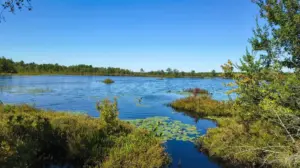
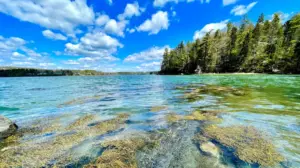
Spanning 344 acres, Beverly Triton Nature Park protects a diverse cross-section of the Chesapeake Bay watershed. The topography transitions smoothly from dense, upland pine and oak forests to delicate estuarine wetlands. Further inland, brackish water pools into several distinct bodies, most notably Deep Pond and Beverly Lake, alongside three smaller, unnamed ponds.
These aquatic zones act as critical habitats for a wide array of regional wildlife. Birdwatchers regularly frequent the park to spot great blue herons, snowy egrets, and soaring bald eagles. Along the shore and tidal flats, visitors frequently encounter horseshoe crabs—living fossils of the Chesapeake—and various other native coastal species.
Trail Networks and "Passive Recreation"
Unlike Maryland’s more rugged, mountainous state parks (such as Susquehanna State Park), Beverly Triton is intentionally designed for "passive recreation." This means visitors will not find grueling, technical mountain climbs or steep rocky switchbacks. Instead, the park boasts roughly 5 miles of well-marked, interconnected trails and service roads.
The trail system is anchored by four primary routes:
- The Pond Trail: Spanning approximately 1.8 miles, this is a crowd favorite. It guides hikers across several charming wooden boardwalks and offers prime wildlife-viewing angles near Deep Pond.
- The Heritage Trail: Serving as a primary artery, this trail cuts through the forested interior and can be combined with other paths to form longer loops.
- The Beach Trail: Hugging the coastline, this path allows hikers to transition seamlessly from the shaded forest canopy to the open sea air.
- The Trident Trail: Completes the network, creating a crisscrossing web that enables visitors to customize their distance.
For those looking for a comprehensive trek, an extended 3-mile route involves walking the length of the sandy beach until intersecting with the Heritage Trail, which then feeds into the Deep Pond Trail. This loop treats hikers to the park’s full ecological spectrum: dense woods, tranquil ponds, and open coastal vistas. Despite summer heat and humidity, AllTrails reviewers routinely award the park a stellar 4.7-star rating, praising the tranquility and deep shade provided by the mature canopy.
Beach Access, Swimming, and Facilities
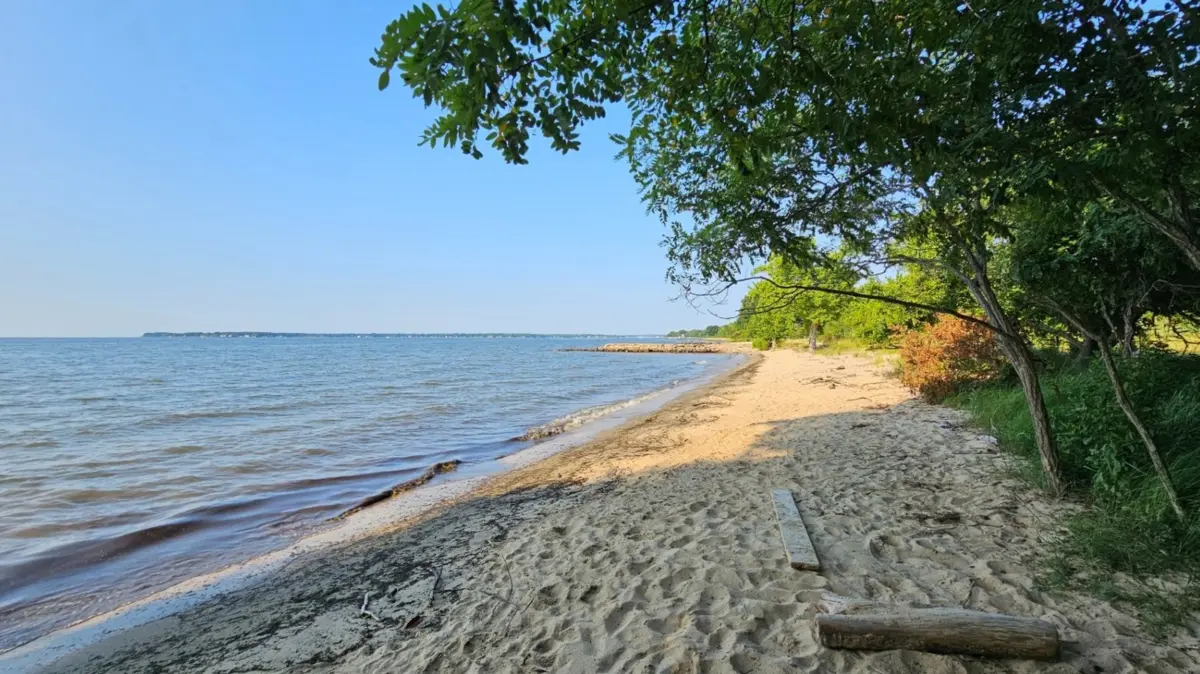
The park’s crown jewel is its mile of shoreline, featuring a long, sandy swimming beach. Accessing the sand requires a manageable 0.2-mile walk from the main parking lot, prompting experienced visitors to pack gear efficiently—often utilizing beach wagons to haul towels, umbrellas, and coolers.
Once on the beach, visitors are greeted by gentle waves lapping the shore. The nearshore water is notably shallow and calm, making it an ideal environment for families. Lifeguards are not stationed permanently along the stretch, so the county advises swimmers to exercise personal caution.
Anglers are also well-catered to. Five designated lake fishing spots along Deep Pond provide access to freshwater and brackish fishing. Depending on the season, local anglers report successful hauls of striped bass (rockfish), yellow perch, carp, and catfish.
Official Statements and Administrative Framework
Managing a coastal natural park near a major metropolitan corridor requires stringent oversight to prevent environmental degradation and overcrowding. Anne Arundel County Recreation and Parks maintains strict guidelines to ensure Beverly Triton remains pristine.
Reservations and Access Control
Because of its growing popularity—frequently described by online reviewers as "an absolute oasis with a variety of landscapes" and "one of the best spots on the Chesapeake Bay"—park administration has implemented proactive crowd-control measures.
While standard park hours run daily from 7:00 a.m. to dusk year-round, and parking fees remain economical (under $10 at the time of publication), peak season brings heightened restrictions. Between May 23 and September 7, visitors are required to apply for a reservation pass in advance through the official Your Pass Now platform administered by Anne Arundel Recreation and Parks. This system caps daily capacity, protecting the fragile dunes, forests, and wildlife from the pressures of over-tourism.
Water Quality and Environmental Health
Swimming safety is a top priority for county officials. The official swimming season aligns with the warmer months between Memorial Day and Labor Day. During this window, the Anne Arundel County Department of Health actively monitors water quality, conducting regular bacterial testing.
Visitors are strongly encouraged to consult the Department of Health’s Recreational Water Quality Beach Swim Guide before diving in, ensuring conditions mirror those of other regional bayfront destinations like Sandy Point State Park.
Furthermore, environmental safety extends to seasonal marine life. Sea nettles (jellyfish) are a persistent reality in the Chesapeake Bay during the peak of summer. To help visitors make informed decisions, park management directs the public to utilize NOAA’s online Sea Nettles Forecast tool, allowing swimmers to gauge local jellyfish risk factors prior to hitting the water.
Future Outlook
As the tourism and recreation landscape around the mid-Atlantic shifts, Beverly Triton Nature Park stands as a model for how suburban and rural counties can successfully reclaim commercialized land for ecological preservation and public enrichment.
Looking forward, Anne Arundel County’s focus for Beverly Triton is sustainable stewardship. Rather than seeking major commercial expansions or high-impact tourist infrastructure, the strategic outlook emphasizes maintaining the newly upgraded facilities—such as the cold-water showers, changing pavilions, and the whimsical children’s playground featuring a giant climbable toad and mushrooms—while fiercely protecting the underlying 344-acre ecosystem.
For the urban professional trapped in the D.C. political grind, the weary parent seeking a weekend family sanctuary, or the dedicated birdwatcher tracking migratory routes along the Atlantic Flyway, Beverly Triton offers an invaluable antidote. It proves that within a mere 60-minute radius of the nation’s most heavily paved corridors, the wild, breathing heart of the Chesapeake Bay remains open, protected, and profoundly serene.