








Published by the Marine Accident Investigation Branch (MAIB)
Date: 13 August 2026
Executive Overview
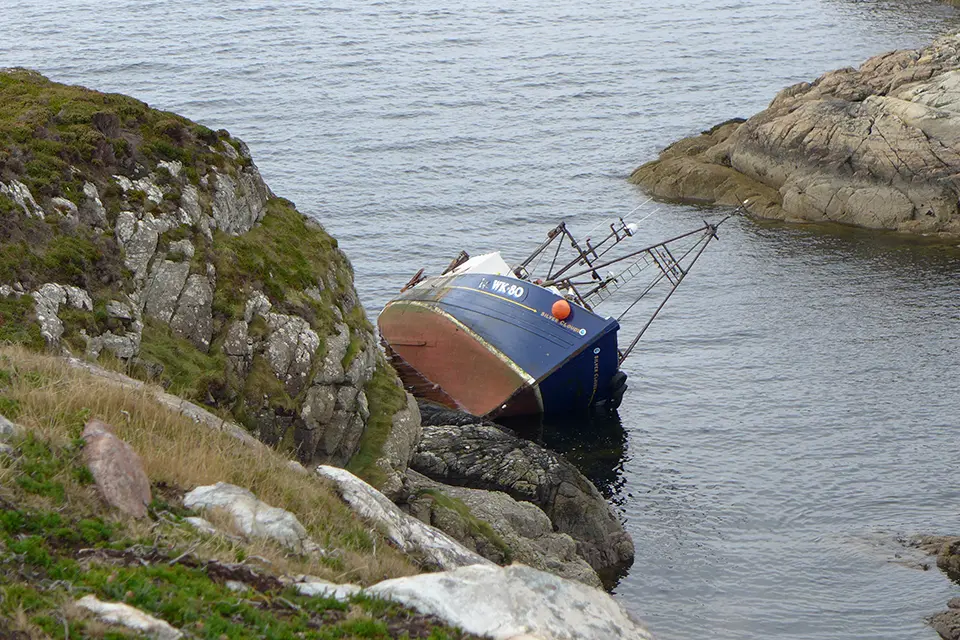
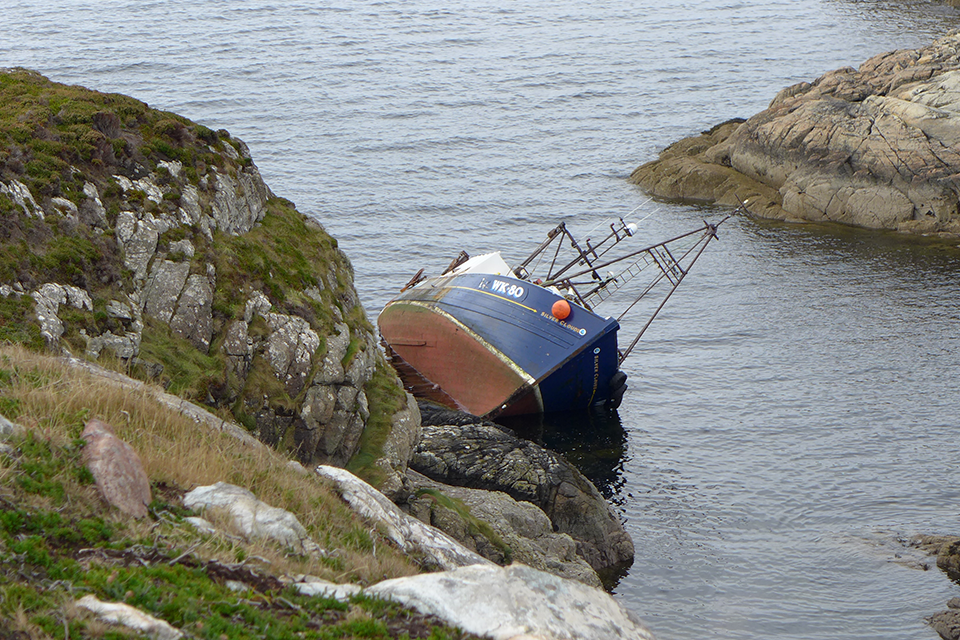
The Marine Accident Investigation Branch (MAIB) has officially released its comprehensive accident investigation report regarding the grounding and subsequent total loss of the commercial fishing vessel Silver Cloud II (WK 80). The maritime casualty occurred in the early hours of 14 October 2025 near Rubha Rodha, in the rugged coastal waters of Lochinver, Scotland.
The incident, which resulted in the catastrophic wrecking and eventual loss of the vessel, has prompted renewed scrutiny into navigation safety, bridge watchkeeping standards, and emergency preparedness within the UK’s regional commercial fishing fleet. While the crew managed to escape immediate physical harm, the loss of the Silver Cloud II marks a poignant reminder of the relentless hazards faced by mariners navigating the treacherous, reef-strewn waters of the Scottish Highlands.
This investigative report delves deep into the sequence of events that led the vessel off course, analyzing the environmental conditions, human factors, and technical elements that contributed to the grounding. By examining the findings of the MAIB report, this article provides a detailed chronology of the maritime emergency, evaluates the broader safety implications for the fishing industry, and outlines the critical lessons and future regulatory measures intended to prevent similar disasters at sea.
Detailed Chronology of Events
The Voyage and Operational Context
On the evening of 13 October 2025, the Silver Cloud II—a registered commercial fishing vessel bearing the port letters and number WK 80—was operating off the northwest coast of Scotland. The vessel was manned by an experienced crew accustomed to the demanding local weather patterns and hydrographic conditions characteristic of the Minch and the coastal waters surrounding Lochinver.
As night fell, environmental conditions deteriorated. A combination of gusty winds, localized tidal streams, and reduced visibility due to passing rain squalls created a challenging environment for navigation. Despite these factors, the vessel proceeded with its routine operational schedule, maintaining a course that would ultimately bring it dangerously close to the rocky shoreline of Rubha Rodha.
Approach to Rubha Rodha
In the hours leading up to the grounding, the bridge watch was maintained in accordance with standard operating procedures for the vessel. However, investigators noted a critical breakdown in situational awareness and positional monitoring as the Silver Cloud II neared the coastal hazard.
Digital navigation aids were available on the bridge, yet the integration of radar data, electronic chart display and information systems (ECDIS), and visual cross-checking appears to have failed to alert the crew to the vessel’s progressive set toward shallow waters. Tidal set and drift—often underestimated in confined coastal passages—pushed the vessel incrementally off its intended trackline.
The Grounding and Immediate Crisis
At approximately the height of the nocturnal transit, the Silver Cloud II struck the submerged rocks off Rubha Rodha with significant force. The immediate impact caused structural breaching of the hull compartments, rendering the vessel vulnerable to rapid flooding.
Recognizing the severity of the situation, the skipper and crew initiated emergency protocols. Distress signals were transmitted, and preparations were made for potential abandonment as the vessel was driven hard onto the rocky shelf by the prevailing swell and wind. The local rescue coordination center, alerted by the distress transmissions and automated tracking systems, immediately mobilized regional search and rescue assets, including local lifeboats and coastguard helicopter support.
Evacuation and Salvage Failure
The crew successfully evacuated the stricken vessel under hazardous conditions, aided by the swift response of emergency services. Fortunately, no serious injuries or fatalities were reported among the ship’s complement.
However, the condition of the Silver Cloud II deteriorated rapidly in the days following the initial impact. Pounded by relentless wave action against the rugged shore of Rubha Rodha, the vessel suffered catastrophic structural failure. Efforts to salvage the hull proved unsuccessful due to the remote and inhospitable nature of the grounding site, combined with the severity of the weather conditions. The vessel ultimately broke apart and sank, resulting in a total constructive loss of the asset and introducing localized pollution risks that required immediate environmental mitigation.
Supporting Context & Metrics
The Vessel: Silver Cloud II (WK 80)
The Silver Cloud II was a vital component of the regional fishing fleet, representing a significant capital investment and a source of livelihood for its owners and crew. Registered under the WK prefix, the vessel was typical of modern mid-sized whitefish or shellfish trawlers operating in Scottish waters, equipped with advanced fish-finding technology, hydraulic deck machinery, and standard commercial-grade marine electronics.
Hydrographic and Environmental Profile of Rubha Rodha
Rubha Rodha is characterized by complex underwater topography, submerged rocks, and strong, unpredictable tidal streams. Navigating this stretch of the Lochinver coastline requires meticulous passage planning and continuous monitoring. The area has historically presented challenges to mariners, particularly during periods of darkness, restricted visibility, and adverse sea states.
- Location: Rubha Rodha, near Lochinver, Northwest Scotland.
- Date of Incident: 14 October 2025.
- Primary Cause: Unintended deviation from passage plan leading to navigational grounding.
- Environmental Factors: Nocturnal operations, adverse tidal streams, and poor visibility.
- Vessel Status: Total loss / wrecked.
- Casualties: None (all crew safely recovered).
Human Factors in Maritime Casualties
Statistically, the vast majority of groundings and collisions at sea are linked to human factors rather than outright mechanical failure. Fatigue, watchkeeping routines, complacency during familiar coastal transits, and the over-reliance on single electronic navigation systems frequently converge to create hazardous scenarios. The MAIB report emphasizes that while technology provides unprecedented amounts of data, the human element remains the ultimate safeguard—and the most critical point of potential failure—in bridge resource management.
Official Statements and MAIB Findings
The MAIB Investigation Report
Published on 13 August 2026, the official MAIB report offers an exhaustive, step-by-step breakdown of the factors that allowed the Silver Cloud II to run aground. The investigation scrutinized the bridge equipment configuration, the voyage planning executed prior to departure, the watchkeeping practices employed during the accident voyage, and the subsequent emergency response.
A spokesperson for the Marine Accident Investigation Branch remarked on the release of the report:
"The grounding and loss of the Silver Cloud II serve as a stark reminder of the unforgiving nature of the marine environment along our coasts. Our investigation highlights critical lessons regarding navigational oversight, the necessity of rigorous bridge teamwork, and the dangers of allowing routine passages to diminish situational awareness. We urge all commercial skippers and vessel owners to review the safety recommendations detailed in this report to safeguard their own crews and vessels."
Key Safety Recommendations Issued
The MAIB report outlines several mandatory and advisory recommendations aimed at the commercial fishing sector:
- Enhanced Passage Planning: Reaffirming the requirement for detailed, comprehensive passage plans that account for all navigational hazards, wheelhouse safety margins, and contingency options.
- Effective Watchkeeping Standards: Emphasizing the importance of monitoring multiple fixing sources—such as visual cross-bearings, radar clearing lines, and GPS input—rather than placing sole reliance on a single electronic chart display.
- Bridge Resource Management (BRM): Encouraging formal training in BRM for skippers and crew members to ensure open communication, challenge-and-response protocols, and proactive risk assessment during watch changes.
- Emergency Preparedness: Highlighting the critical role of timely distress alerting and abandon-ship drills, which directly contributed to the successful survival of the Silver Cloud II crew.
Future Outlook: Safety in the Fishing Industry
Regulatory Implications and Industry Response
The sinking of the Silver Cloud II adds to an ongoing dialogue between maritime regulators, fishing federations, and safety bodies concerning the reduction of accidents in the UK commercial fishing fleet. Despite significant technological advancements in radar, GPS, and electronic charting over recent decades, groundings and sinkings continue to occur with concerning frequency.
Industry stakeholders are increasingly looking toward proactive safety interventions, including subsidized safety equipment upgrades, mandatory skipper certification enhancements, and targeted awareness campaigns. Organizations representing Scottish fishermen have acknowledged the MAIB report, noting that dissemination of its findings will form a core component of future safety seminars and skipper training modules.
Technological Integration vs. Human Vigilance
As modern wheelhouses become increasingly digitized, a growing challenge is managing the cognitive load on watchkeepers while preventing automation complacency. The lessons drawn from the Silver Cloud II casualty underscore that advanced electronics are tools designed to support human decision-making, not replace it. Future developments in marine navigation safety are expected to focus heavily on integrated alarm management, collision-avoidance assistance systems, and better ergonomic design for small-to-medium commercial vessels.
Conclusion
The final publication of the MAIB report on the Silver Cloud II closure brings administrative closure to the investigation of the 14 October 2025 incident, but its resonance within the maritime community will be long-lasting. By confronting the uncomfortable truths of how a routine coastal transit can devolve into total vessel loss, the report provides an invaluable blueprint for accident prevention. For the commercial fishing industry operating in the demanding waters off Lochinver and across the United Kingdom, the tragedy at Rubha Rodha stands as both a cautionary tale and a catalyst for enduring safety reform.
For further details, access the full accident investigation report via the Marine Accident Investigation Branch official publication portal.