





Executive Overview
As the warm months descend upon the picturesque shores of Portland, Maine, the rhythm of coastal life quickens. For millions of residents, commuters, and tourists, the lifeline of the region is Casco Bay Lines—an essential marine transit network connecting the mainland to the rugged, historic islands of Casco Bay. While sleek ferries and towering captains often command the public’s attention, the beating heart of this maritime operation lies in the hands of its hardworking deckhands.
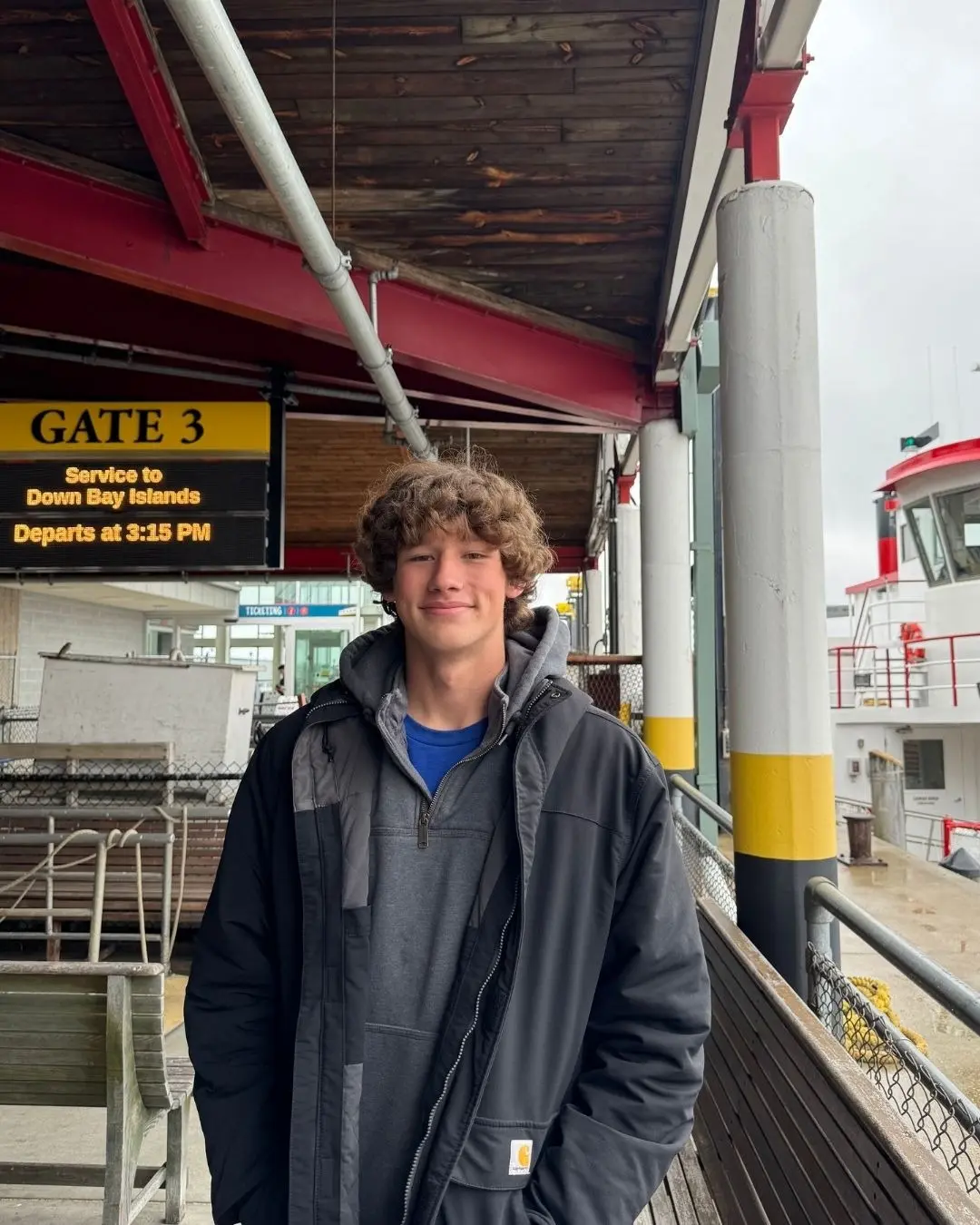
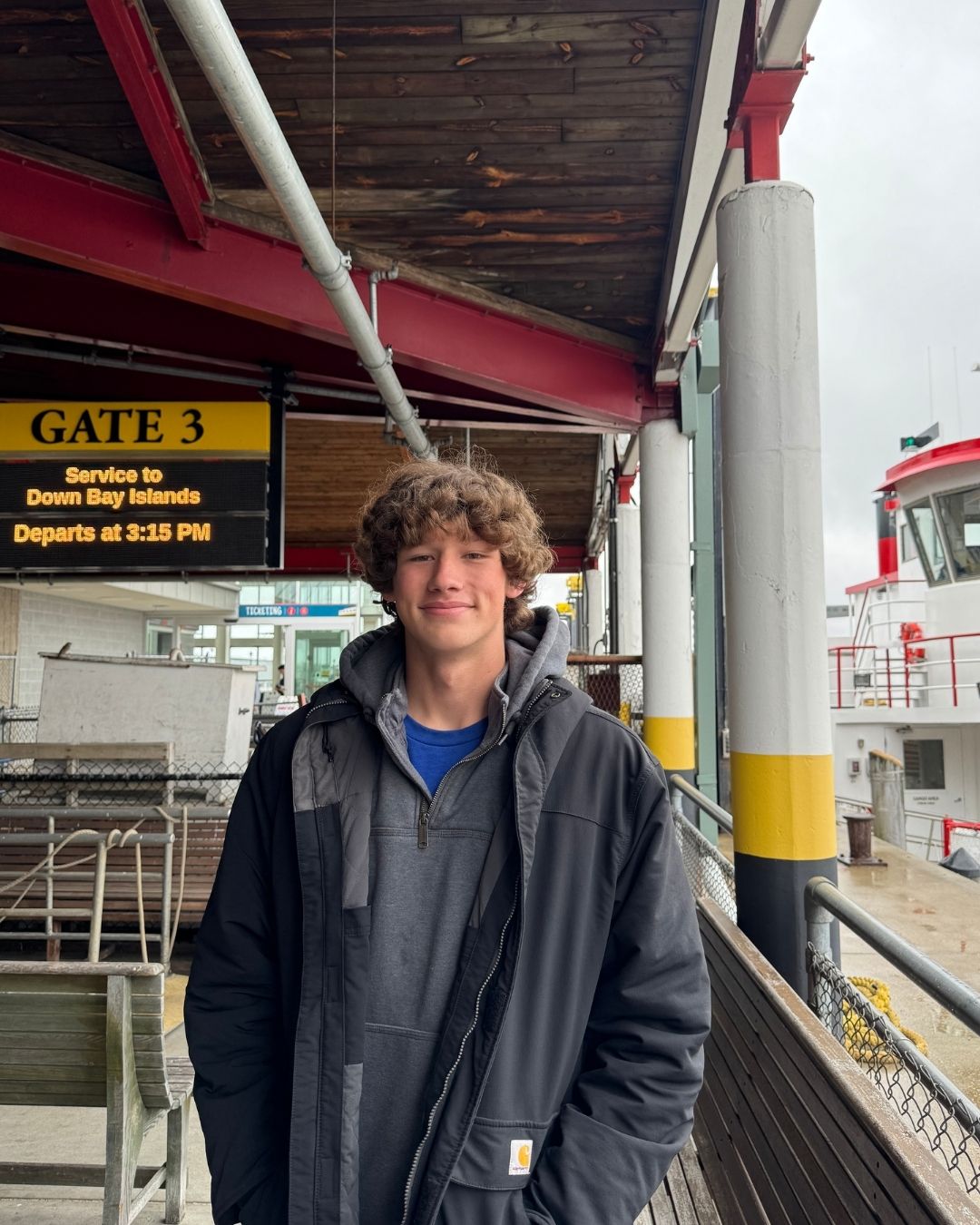
In the bustling peak of the summer season, these maritime professionals ensure that thousands of passengers, vital commercial freight, and daily necessities are moved safely, efficiently, and reliably across the water. To understand what it truly takes to keep Casco Bay moving, we go behind the scenes with 19-year-old Camden Zsiga. Marking his fourth summer with the company and his second as an official deckhand, Zsiga represents a new generation of coastal workers: highly disciplined, deeply rooted in local traditions, and acutely aware of the vital service they provide to isolated island communities. This feature explores Zsiga’s journey, the meticulous mechanics of summer ferry operations, the unique challenges of maritime logistics, and the enduring human connections that make Casco Bay Lines a cornerstone of Maine’s coastal culture.
Detailed Chronology: From Shore-Side Freight to the Open Water
The pathway to becoming a seasoned deckhand on Casco Bay is rarely accidental; it is built on mentorship, community ties, and a gradual accumulation of maritime competencies. For Camden Zsiga, that journey began well before he ever stepped foot on a passenger ferry as a crew member.
Roots in the Community and Early Beginnings
Born in Portland and raised in neighboring Scarborough, Zsiga’s introduction to Casco Bay Lines was facilitated by familial ties. His father, a dedicated firefighter on Peaks Island, provided Zsiga with an early window into the intricate web of island life and the maritime operations required to sustain it. In a region where generational connections heavily influence local industries, Zsiga found a natural welcoming environment at Casco Bay Lines.
At just 16 years old, Zsiga began his tenure with the company not on the rolling decks of a passenger ferry, but shoreside in the freight department. This foundational phase of his career was defined by hard labor and meticulous organization. Working behind the scenes, Zsiga and his colleagues processed everything required to sustain island existence:
- Luggage and personal effects for weekend travelers.
- Perishable groceries and household supplies for permanent residents.
- Heavy commercial deliveries, construction materials, and oversized items destined for island building projects.
In this role, Zsiga was responsible for staging, organizing, and safely loading cargo onto the vessels so that deckhands could seamlessly execute deliveries upon arrival. This shoreside apprenticeship instilled in him a comprehensive understanding of freight logistics—an asset that would prove invaluable when he eventually transitioned to working on the water.
Stepping Onto the Deck
After proving his reliability and operational acumen in the freight yard, Zsiga underwent rigorous cross-training to step out onto the water as a deckhand. Now 19 and having just completed his freshman year studying business at the College of Charleston in South Carolina, Zsiga returns to Maine each summer to resume his post. Having mastered both shoreside freight logistics and on-water vessel operations, he brings a uniquely holistic perspective to his daily duties—a dual competency that distinguishes him among seasonal workers and highlights the high operational standards upheld by Casco Bay Lines.
Supporting Context & Metrics: The Lifeline of Casco Bay
To fully appreciate the scope of Zsiga’s daily responsibilities, one must understand the unique operational ecosystem of Casco Bay Lines. Unlike municipal transit authorities that operate on predictable, paved grids, marine transit providers face variable weather, complex tidal schedules, and the unique geographical challenges of servicing multiple distinct island communities.
The Islands Served
The freight and passenger boats Zsiga serves operate as an indispensable artery for several distinct islands scattered across the bay, including:
- Little Diamond Island: A quiet, largely residential summer community.
- Great Diamond Island & Diamond Cove: Known for its historic military architecture (formerly Fort McKinley) and upscale residential developments.
- Long Island: A vibrant year-round community with its own school, local government, and active local economy.
- Cliff Island: The outermost permanently inhabited island of the twin-town of Casco Bay, famous for its tight-knit, fiercely independent character and early-rising student commuters.
- Chebeague Island: The largest island in Casco Bay, supporting a robust year-round population, historic boat-building traditions, and thriving tourism.
The Dual Nature of Marine Transit
A common misconception among mainland visitors is that Casco Bay ferries are primarily recreational vessels designed for sightseeing and summer leisure. While tourism spikes significantly during July and August, the fundamental mission of Casco Bay Lines remains civic and utilitarian. For residents of Cliff Island, Long Island, and beyond, these boats are the literal equivalent of a city bus or highway system.
Data from regional transit studies indicate that year-round island residents depend on these ferries for:
- Employment Commutes: Professionals traveling to Portland for white-collar, medical, or service-sector jobs.
- Education: High school and elementary students waking up in the pre-dawn hours to catch early morning boats to mainland schools.
- Healthcare Access: Elderly and routine patients traveling for medical appointments, pharmacy pickups, and specialized care.
- Commerce & Infrastructure: The continuous movement of trade goods, heating oil, vehicles, and emergency services equipment that makes island inhabitation viable.
A Day in the Life of a Deckhand
For a deckhand during the peak summer season, no two days are identical, but all share a common denominator: relentless activity, precise timing, and unwavering physical engagement.
Pre-Departure Preparations
A typical shift begins anywhere from 30 minutes to an hour and a half prior to scheduled departure, depending on the vessel assignment and the complexity of the cargo manifest. Zsiga and his crewmates arrive with clear priorities:
- Vessel Inspection & Readiness: Checking safety equipment, securing loose deck gear, and establishing communication protocols with the captain.
- Line Management: Safely casting off and adjusting mooring lines as tides dictate.
- Cargo Operations: Operating cranes to lift heavy cages of freight, shifting loaded carts, and stowing commercial goods into designated holds.
- Passenger Boarding: Directing tourist crowds and daily commuters safely across the gangways, answering inquiries, and ensuring compliance with vessel capacity regulations.
Underway and En Route
Once the vessel clears the Portland harbor and moves into the open waters of Casco Bay, the deckhand’s role shifts dynamically. On the freight boats, the journey involves a continuous cycle of multi-point logistics. At each island stop—whether it is Great Diamond, Long Island, or Cliff Island—the crew must rapidly unload specific freight consignments, assist passengers embarking and disembarking, secure remaining cargo against shifting sea conditions, and prepare the vessel for the next immediate port of call.
"It’s busy, but that’s part of what makes it fun," Zsiga notes. The physical demands are substantial, requiring heavy lifting, constant spatial awareness, and quick decision-making under tight time constraints.
The Puzzle of Cargo Stowage
When asked about the most challenging aspect of his role, Zsiga points directly to the science of freight distribution. Loading a ferry is not merely about stacking boxes; it is a complex game of three-dimensional chess.
- Variable Destinations: Cargo must be organized so that items destined for the first stop are easily accessible without unloading the entire hold.
- Weight Distribution: Heavy machinery, pallets, and large appliances must be positioned to maintain the vessel’s trim and stability on the water.
- Limited Space: With surging summer passenger counts eating up deck space, efficiency is paramount.
"You have to think ahead and load things in a way that makes unloading efficient later on," Zsiga explains. "It takes practice, but I enjoy that part of it. I like having to solve problems and figure things out."
Official Perspectives: Culture, Camaraderie, and Community
Beyond the physical labor and operational logistics, what sustains young professionals like Zsiga through grueling summer shifts is the profound sense of workplace culture and camaraderie fostered by Casco Bay Lines.
A Family-Style Workplace
In an era where many seasonal jobs are characterized by high turnover, transactional management, and impersonal corporate structures, Casco Bay Lines operates more like an extended family. Zsiga emphasizes that the mutual reliance required to operate vessels safely creates an exceptionally tight bond among the crew.
"Everyone here is great. It’s a big community. Everyone looks out for each other, and over the years I’ve built a lot of friendships here. It really feels like one big family."
This sentiment is echoed across generations of maritime workers in Portland harbor. The company’s retention of young, local talent—particularly individuals like Zsiga who balance complex municipal commitments, such as his role as a Call Company Firefighter with the Scarborough Fire Department and his pursuit of an EMT certification—speaks volumes about the character-building nature of the work.
Bridging the Gap Through Storytelling
While heavy lifting and line handling form the backbone of the job, human interaction provides its greatest reward. For Zsiga, the opportunity to converse with passengers transforms a mechanical transit job into a culturally enriching experience.
Whether chatting with a vacationer peering through high-powered binoculars at passing wildlife or listening to the historical insights shared by veteran captains regarding Casco Bay’s historic nineteenth-century coastal forts and lighthouses, deckhands serve as unofficial ambassadors of Maine’s maritime heritage.
"I’ve also learned so much about Casco Bay just by working here," Zsiga reflects. "The captains have all this knowledge about the bay… You learn so much here and can pass that on to others. And honestly, it’s great to be out on the water."
Future Outlook: Cultivating the Next Generation of Maritime Leaders
As Zsiga continues his education at the College of Charleston—pursuing a degree in business while simultaneously building credentials in emergency medical services—his trajectory exemplifies the versatile, high-character workforce that modern marine enterprises require.
The skills cultivated aboard Casco Bay Lines ferries—responsibility, crisis management, physical endurance, spatial reasoning, and cross-cultural communication—transcend seasonal employment. They lay a formidable foundation for future leadership, whether in corporate logistics, emergency services, or maritime commerce.
For young individuals contemplating summer employment in Maine, Zsiga’s endorsement is unequivocal:
"If you enjoy being outdoors, working with your hands, meeting people, and being part of a team, it’s a great job. You learn responsibility, time management, problem-solving, and how to work hard. Every day feels rewarding, and you’re part of something that really matters to the island communities. For me, it’s been one of the best experiences I’ve had."
As Casco Bay Lines navigates the surging tides of another demanding summer season, it does so propelled not just by twin-screw diesel engines and steel hulls, but by the dedication, resilience, and youthful vigor of deckhands like Camden Zsiga. In their steady hands, the historic lifeline of Casco Bay remains secure, vibrant, and deeply connected to the community it serves.