






Executive Overview
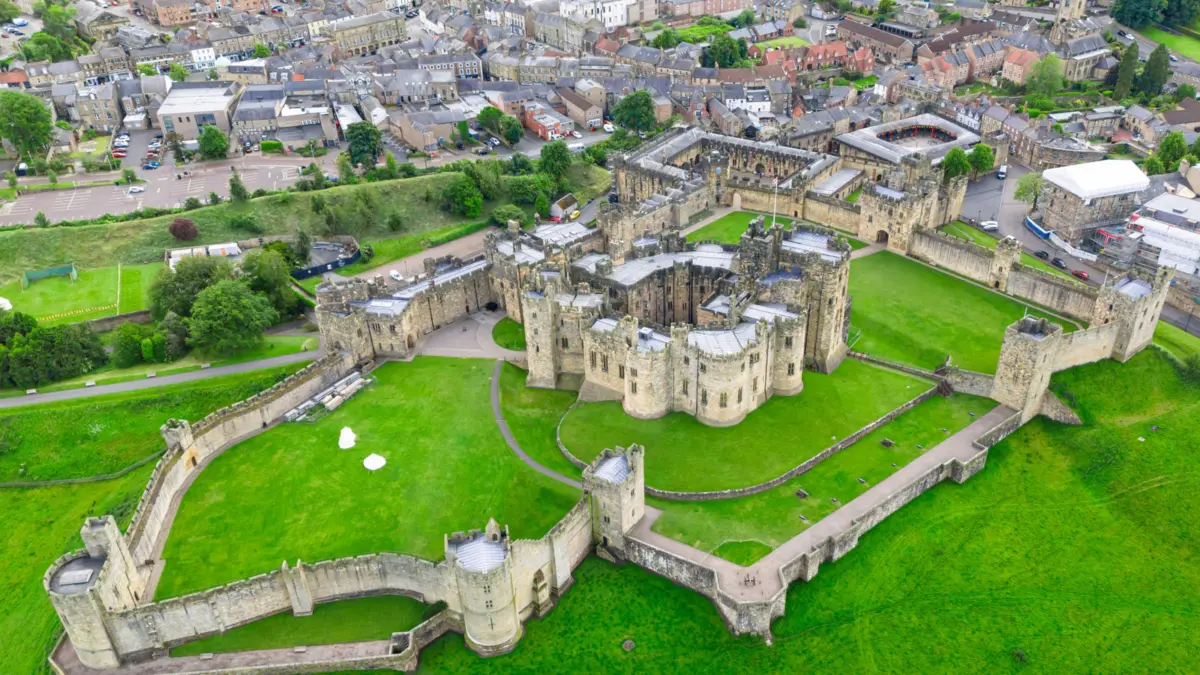
Tucked into the dramatic, history-drenched landscapes of Northumberland, the medieval market town of Alnwick stands as a living testament to the turbulent cross-border conflicts that once defined relations between England and Scotland. Situated roughly halfway between Edinburgh and Middlesbrough along the historic Great North Road (the modern-day A1), Alnwick commands a strategic position in a region celebrated for boasting more castles than any other in England.
With a population of approximately 8,000 residents, this picturesque staging post bridges the gap between ancient feudal grandeur and modern cultural vibrancy. While its silhouette is unmistakably dominated by Alnwick Castle—the second-largest inhabited castle in the country and a prominent cinematic backdrop—the town offers far more than military architecture. From Barter Books, one of the largest second-hand bookshops in the nation housed in a Victorian railway station, to the notoriously lethal Poison Garden and the whimsical Treehouse Restaurant, Alnwick presents a multifaceted travel destination. This report provides a comprehensive examination of Alnwick’s rich heritage, its economic and cultural landmarks, its architectural marvels, and its enduring role as a vital anchor for tourism in northern England.
Detailed Chronology: From Norman Bastion to Modern Cultural Hub
The history of Alnwick is inextricably linked to the broader geopolitical struggles of the Anglo-Scottish borderlands, evolving from a strategic military outpost into a thriving center of commerce and culture over the course of nearly a millennium.
The Medieval Foundations and the Norman Conquest
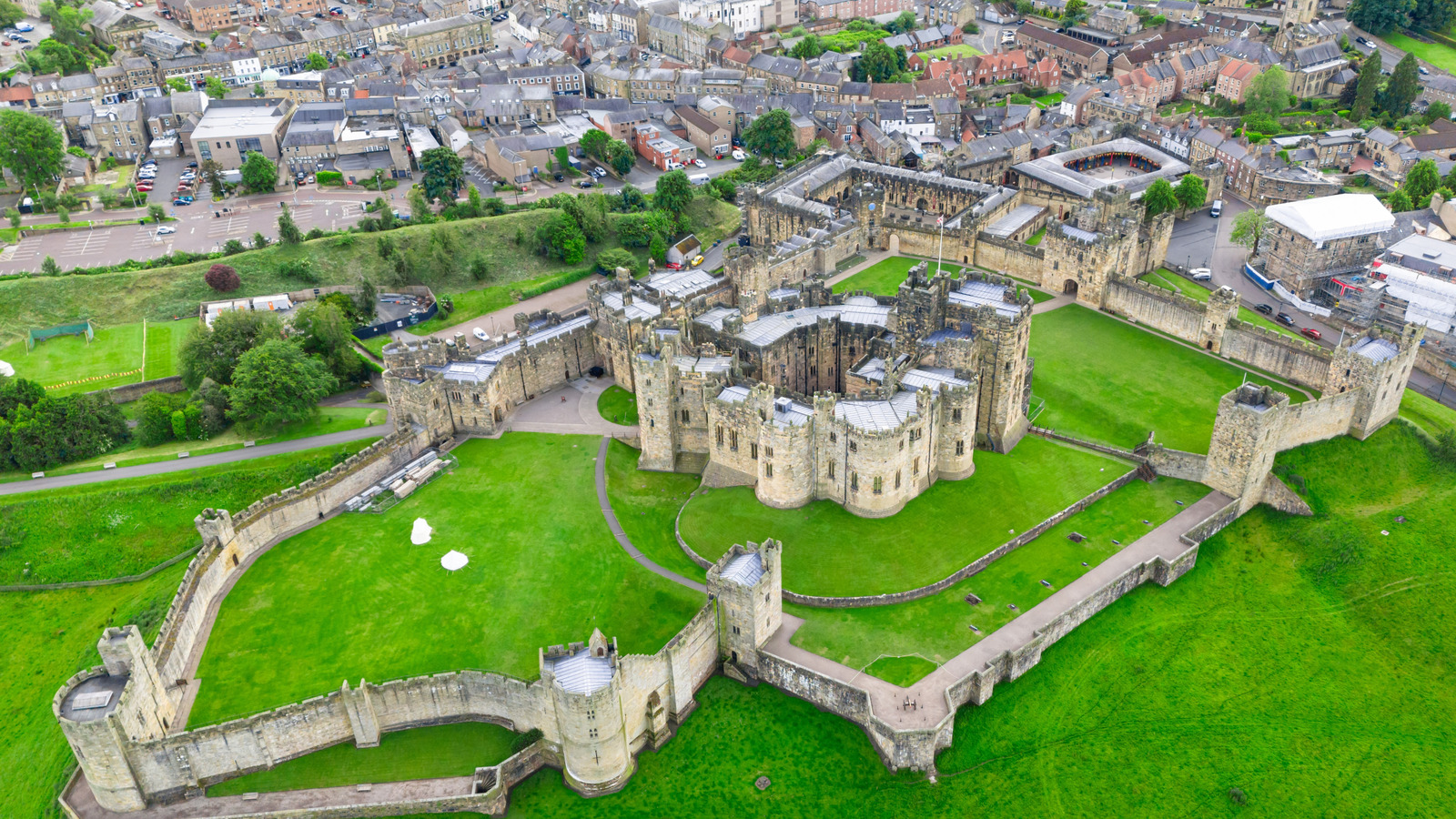
The genesis of Alnwick as a fortified settlement dates back to the aftermath of the Norman Conquest in 1066. Recognizing the urgent need to secure the northern frontier against Scottish incursions, William the Conqueror and his successors empowered loyal barons to establish defensive strongholds. Alnwick Castle was initially established around 1096 by Gilbert de Tyson, a Norman baron.
The early fortification saw frequent military engagements, most notably during the medieval border wars. In 1074 and again in 1174 and 1216, the castle withstood various sieges by Scottish monarchs. Most famously, King Malcolm III of Scotland was killed during the First Battle of Alnwick in 1093, an event that permanently etched the town into the annals of British military history.
The Percy Family Ascendancy
In 1309, the castle and its surrounding manor were acquired by Henry de Percy, laying the foundation for a familial dynasty that would shape the region for the next seven centuries. The Percy family, later created the Dukes of Northumberland, transformed the stern military fortress into a formidable stately home, blending medieval defense works with aristocratic comfort.
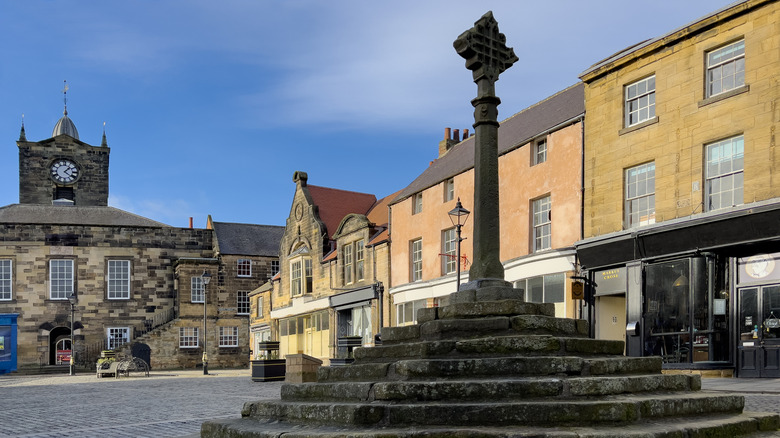
Simultaneously, the town of Alnwick grew organically around the castle gates. The establishment of the medieval market square in the 13th century—anchored by its iconic market cross—crystallized Alnwick’s identity as a bustling commercial hub for agricultural trade and regional commerce.
The Coaching Era and the Great North Road
By the 18th and 19th centuries, improvements to the Great North Road transformed Alnwick into a premier staging post for travelers journeying between London and Edinburgh. The town’s economy flourished on the back of coaching inns, trade, and master craftsmanship. Establishments like The White Swan Hotel emerged during this period, serving as vital waystations for weary travelers navigating the rugged northern terrain.
The Industrial Transition and 20th-Century Preservation
The arrival of the railway in the 19th century further integrated Alnwick into the British transport network, though the subsequent closure of the local line in the 1960s necessitated economic reinvention. Rather than falling into industrial decline, Alnwick leveraged its architectural heritage, natural beauty, and strategic location. The conversion of the Victorian railway station into Barter Books in 1991 symbolized the town’s successful pivot toward cultural tourism, preserving its historical assets while injecting modern vitality into the local economy.
Supporting Context & Metrics: Infrastructure, Tourism, and Geography
Understanding Alnwick’s enduring appeal requires an examination of its geographic context, economic metrics, and infrastructural capacity within the county of Northumberland.
Geographic and Logistical Accessibility
Alnwick is positioned centrally along the northern corridor of the United Kingdom:
- Distance from Edinburgh: Approximately 85 miles south (roughly a 1.5-hour drive via the A1).
- Distance from Middlesbrough: Approximately 85 miles north (roughly a 1.5-hour drive via the A1).
- Proximity to Coastal Landmarks: Situated just a short drive from other regional treasures, including Bamburgh Castle (the ancient seat of Anglo-Saxon kings) and Holy Island (Lindisfarne), which lies 40 minutes to the north.
Tourism Metrics and Economic Impact
Despite its modest population of roughly 8,000 residents, Alnwick punches well above its weight class in drawing international and domestic visitors:
- Barter Books Footfall: As one of the United Kingdom’s largest second-hand bookshops, the establishment attracts up to 350,000 visitors annually, serving as a major economic driver for retail and hospitality in the town center.
- Alnwick Castle Operations: Operating seasonally from late March through October (daily from 10 a.m. to 5 p.m.), the castle draws hundreds of thousands of heritage tourists eager to explore its state rooms, museums, and cinematic filming locations.
- Specialized Retail and Artisanal Trade: Long-standing institutions like Jobson’s of Alnwick (established over a century ago as a master saddler and now specializing in rural outerwear) and A Taste of Northumbria (focusing on local distilling traditions, meads, and spiced rums) sustain a thriving independent retail sector that preserves traditional Northumbrian commerce.
Architectural Marvels and Notable Landmarks
Alnwick’s landscape is characterized by a seamless fusion of architectural styles spanning the Norman, Tudor, Victorian, and modern eras.
1. Alnwick Castle
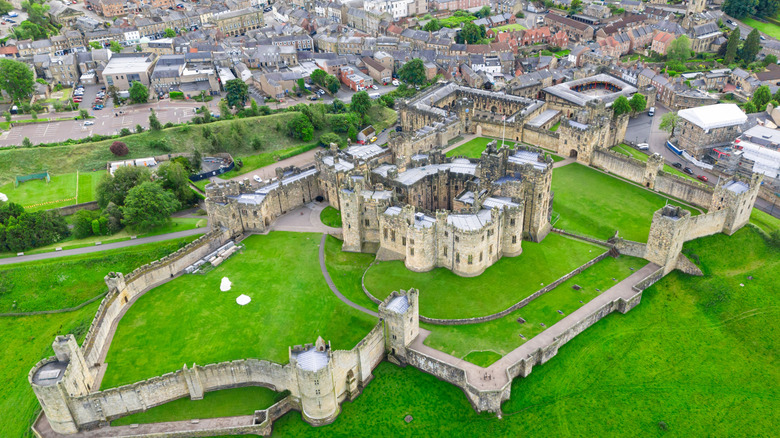
As the second-largest inhabited castle in England—surpassed only by Windsor Castle—Alnwick Castle is an architectural masterpiece. Its exterior exhibits severe medieval military architecture, while its interior features magnificent Italianate state rooms curated by the 4th Duke of Northumberland in the mid-19th century. Beyond its historical significance, the castle enjoys global fame as a cinematic filming location, most notably portraying Hogwarts School of Witchcraft and Wizardry in the early Harry Potter film adaptations, as well as serving as a backdrop for Downton Abbey.
2. Barter Books
Housed within the town’s former Victorian railway station, Barter Books is a cultural landmark. Operating since 1991, the bookstore retains much of the station’s original architecture, including high ceilings, open fireplaces, and expansive 40-foot murals depicting the history of literature. It is internationally famous for pioneering a unique book-bartering system, allowing patrons to exchange read books for credit toward new purchases.
3. The Alnwick Garden and the Poison Garden
Adjacent to the castle grounds lies the contemporary Alnwick Garden, a visionary landscape development spanning 12 acres. Within this space sits the world-famous Poison Garden, an enclosure containing over 100 toxic, intoxicating, and narcotic plants. To ensure public safety, access to the Poison Garden is strictly restricted to guided tours accompanied by rigorous safety briefings.
For visitors seeking a lighter experience, the garden also features the architectural marvel known as the Treehouse Restaurant. Built high among the branches of mature lime trees, the restaurant resembles a fairytale structure constructed from sustainably sourced Canadian cedar, serving British cuisine utilizing locally sourced Northumbrian produce.
4. The White Swan Hotel
A premier example of a preserved 300-year-old coaching inn, The White Swan Hotel on Bondgate Within offers historical immersion paired with luxury hospitality. Notably, the hotel houses authentic interior fittings—including decorative wood panelling, mirrors, and stained glass—salvaged from the RMS Olympic, the sister ship of the ill-fated RMS Titanic.
Future Outlook: Sustainable Heritage Tourism in Northumberland
As Northumberland looks toward the future, Alnwick occupies a prime position to model sustainable heritage tourism. Local authorities, conservation trusts, and independent business owners are increasingly collaborating to balance rising visitor numbers with the preservation of the town’s delicate medieval fabric.
Strategic Initiatives and Development Goals
- Heritage Preservation and Maintenance: Ongoing conservation efforts by the Percy family and English Heritage ensure that structural integrity is maintained across Alnwick Castle and its surrounding historical fortifications without compromising their authenticity.
- Green Tourism and Local Supply Chains: Establishments like the Treehouse Restaurant and local distilleries continue to champion the "farm-to-table" and "shop-local" movements, minimizing the carbon footprint of the tourism sector while directly supporting Northumbrian farmers and artisans.
- Infrastructure Adaptability: Regional transport planners are continuously assessing traffic flow along the A1 corridor to ensure that seasonal surges in tourism do not negatively impact the quality of life for Alnwick’s permanent residents, ensuring a harmonious balance between economic vitality and community wellbeing.
In summary, Alnwick remains far more than a mere geographical marker between Edinburgh and Middlesbrough. It is a vibrant, living archive of northern English history, offering travelers a rare combination of medieval majesty, literary wonder, culinary innovation, and enduring rural charm.