Executive Overview
As the warm months descend upon the picturesque shores of southern Maine, the bustling operations of Casco Bay Lines (CBL) reach their seasonal peak. For visitors, the historic ferries offer a scenic escape to the craggy, pine-fringed islands dotting the blue expanse of Casco Bay. For the year-round residents of these tight-knit island communities, however, these vessels are far more than a leisure cruise—they are a vital, non-negotiable lifeline. They represent the sole conduit for commuting professionals, schooling children, emergency medical logistics, and the endless stream of commercial freight required to sustain island life.
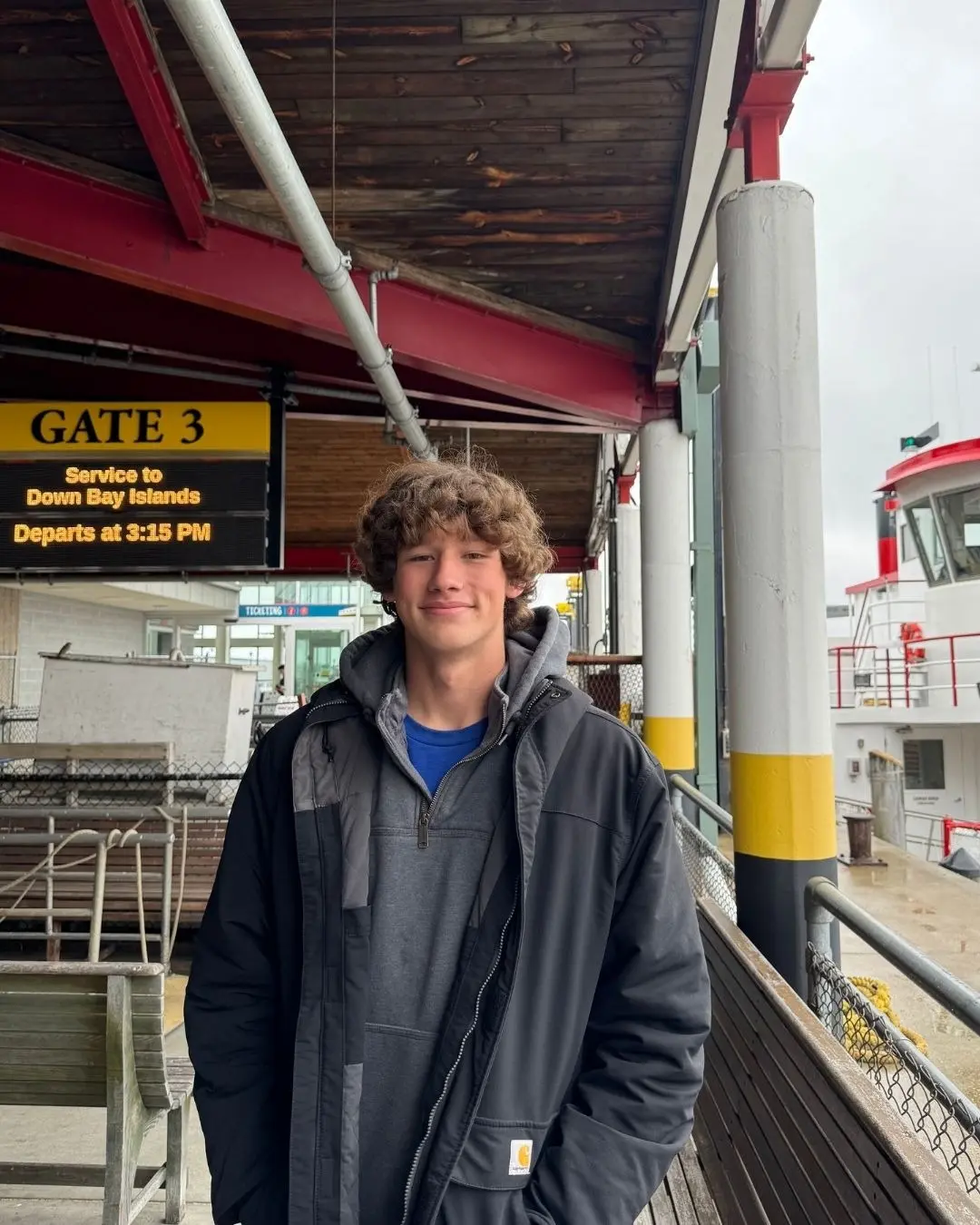
Behind the seamless execution of this maritime transit system lies a dedicated workforce of deckhands, captains, and shoreside personnel who brave the elements to keep the vessels running on time. To understand the heartbeat of this operation during its most demanding season, we sat down for an exclusive, in-depth profile with 19-year-old Camden Zsiga. Currently marking his fourth summer with Casco Bay Lines—and his second serving as an on-the-water deckhand—Zsiga embodies a unique blend of coastal heritage, relentless work ethic, and civic duty. Juggling a rigorous college schedule, a budding career in emergency services, and the high-stakes physical demands of modern ferry operations, Zsiga offers a fascinating lens into what it truly takes to crew the ferries of Casco Bay.
Detailed Chronology: From Shoreside Freight to the Open Water
The pathway to becoming an experienced deckhand on Casco Bay is rarely accidental; it is built on mentorship, local connections, and a deep-seated respect for the sea. For Zsiga, that journey began well before he ever stepped foot on the deck of a ferry in an official capacity.

Roots in the Community and Early Beginnings
Born in Portland and raised in the neighboring coastal community of Scarborough, Zsiga graduated from Scarborough High School before heading south to enroll as a business major at the College of Charleston in South Carolina. Yet, despite the allure of the Lowcountry, the pull of coastal Maine—and a deeply ingrained family tradition of public service—brings him home every summer.
"My dad is a firefighter on Peaks Island, so that’s how I first got my foot in the door," Zsiga explains. "A lot of people who work here have some kind of connection to the islands, and I think that’s one of the things that makes this place special. It feels like one big family."
Capitalizing on that familial connection, Zsiga entered the Casco Bay Lines ecosystem at just 16 years old, starting shoreside in the freight department. Far from a glamorous introduction, his early days involved the grueling, unglamorous mechanics of island supply chains. Working in the freight yard, he and his peers processed everything from consumer luggage and weekly grocery orders to heavy commercial deliveries and oversized construction materials destined for island properties. This foundational period required meticulous organization—sorting cargo by destination, logging manifests, and safely staging items so they could be hoisted or rolled onto the appropriate vessels by the deckhands.
Transitioning to the Deck
After mastering the intricacies of shoreside logistics, Zsiga transitioned to the water, undergoing rigorous training to earn his position as a deckhand. Today, having worked on both sides of the operation, he possesses a rare, comprehensive perspective that bridges the gap between terminal operations and maritime execution.

His daily routine during the peak summer rush begins long before the first civilian passenger sips their morning coffee. Depending on the specific assignment and vessel schedule, Zsiga arrives anywhere from 30 minutes to an hour and a half prior to departure. The morning commences with comprehensive vessel prep: communicating with the captain, coordinating duties with fellow deckhands, adjusting mooring lines, and preparing for the intricate ballet of cargo loading. Utilizing cranes and specialized carts, the crew meticulously loads the freight boat—a vessel servicing critical outposts including Little Diamond Island, Great Diamond Island, Diamond Cove, Long Island, Cliff Island, and Chebeague Island.
Once underway, the pace accelerates rather than slows down. "Once we’re underway, we’re unloading freight, helping passengers, securing cargo, preparing for the next stop, and then doing it all over again at the next island," Zsiga notes. "It’s busy, but that’s part of what makes it fun."
Supporting Context & Metrics: The Mechanics of Island Logistics
Operating a ferry network that transports over a million passengers annually, alongside hundreds of thousands of tons of freight, requires precision planning, spatial engineering, and acute situational awareness. To appreciate Zsiga’s daily challenges, one must examine the operational scale of Casco Bay Lines.
The Art and Science of Cargo Stowage
One of the most demanding aspects of a deckhand’s job—and one that routinely surprises newcomers—is the complex puzzle of cargo distribution and vessel weight management. Unlike a standard delivery truck where items can simply be packed front-to-back, a ferry operating on a multi-stop island route must unload cargo sequentially without causing bottlenecks or violating stability parameters.
"Learning how to load the boats properly can definitely be challenging," Zsiga shares. "You’ve got freight going to multiple islands, different-sized cargo, and limited space. You have to think ahead and load things in a way that makes unloading efficient later on. It takes practice, but I enjoy that part of it. I like having to solve problems and figure things out."
If a deckhand fails to properly sequence the freight, a delivery intended for Great Diamond Island might find itself buried beneath heavy construction equipment bound for Chebeague Island, causing costly delays at every subsequent port of call. Furthermore, improper weight distribution can negatively impact the vessel’s trim and stability, making the captain’s job significantly harder when navigating narrow channels, tidal currents, or adverse weather conditions.
Balancing Maritime Duties with Emergency Services
What makes Zsiga’s trajectory particularly noteworthy is his simultaneous commitment to emergency services. When he is not studying business in South Carolina or securing cargo bays in Casco Bay, he serves as a Call Company Firefighter with the Scarborough Fire Department.
His journey into public safety began at age 15 through the department’s Explorer Program—a youth initiative designed to foster leadership, discipline, and community engagement. Today, alongside his maritime duties, he is actively working toward completing his Emergency Medical Technician (EMT) certification. The parallels between his two worlds are striking: both professions demand hyper-vigilance, rapid problem-solving, physical endurance, and an unshakeable commitment to the well-being of others.
Official Perspectives: The Human Element of Casco Bay
While the nuts and bolts of maritime transit involve steel hulls, diesel engines, and hydraulic cranes, the true currency of Casco Bay Lines is human connection. In an era increasingly dominated by automated ticketing and digital isolation, the ferry system remains a remarkably social space where deckhands serve as ambassadors, historians, and informal community liaisons.
Engaging the Passengers
For Zsiga, the most rewarding aspect of his multifaceted role is not the physical labor or the views of Portland Harbor, but the daily interactions with the people who ride the boats.
"I love meeting passengers and hearing their stories," he says. "Sometimes I’ll walk around the boat and have a chat with someone who may have binoculars out, find out what their story is and what they’re interested in."
These conversations often bridge the gap between casual tourists and seasoned locals. Through his daily proximity to veteran captains and crew members, Zsiga has absorbed a wealth of local lore, historical trivia, and ecological knowledge about Casco Bay—from the strategic military history of nineteenth-century harbor forts to the maritime heritage of the region’s historic lighthouses. Deckhands frequently find themselves passing this accumulated wisdom down to curious visitors, transforming an ordinary transit into an educational experience.
A Paradigm Shift in Perspective
Working on the water has also fundamentally altered Zsiga’s perspective on the unique vulnerabilities and rhythms of island existence. While mainland visitors often view the ferry system through a romanticized, recreational lens, island residents rely on it with absolute necessity.
"What surprised me most is how connected the islands are to daily life," Zsiga reflects. "A lot of visitors see the boats as a fun way to explore Casco Bay, but for island residents, this is their transportation system. This is how they get to work, school, appointments—everything."
He highlights the extraordinary dedication required of young islanders, noting that students residing on more remote outposts like Cliff Island must wake up in the pitch-dark hours of the morning just to catch the early ferry into Portland for school. This stark contrast to mainland life underscores the vital socio-economic role that Casco Bay Lines plays year-round, turning temporary seasonal workers into deeply invested stakeholders in the community’s survival.
Future Outlook: Cultivating the Next Generation of Maritime Leaders
As the summer season unfolds and the ferries glide continuously between the Greater Portland mainland and the picturesque islands of Casco Bay, the operational burden on young workers like Camden Zsiga remains high. Yet, rather than viewing the job as a mere stepping stone or temporary seasonal gig, Zsiga views his time on the water as an invaluable formative experience.
Lessons in Leadership and Resilience
When asked what advice he would offer to other young adults contemplating employment with Casco Bay Lines, his endorsement is absolute and enthusiastic.
"I’d absolutely recommend it," Zsiga states. "If you enjoy being outdoors, working with your hands, meeting people, and being part of a team, it’s a great job. You learn responsibility, time management, problem-solving, and how to work hard. Every day feels rewarding, and you’re part of something that really matters to the island communities. For me, it’s been one of the best experiences I’ve had."
As Zsiga continues his studies in business at the College of Charleston and advances toward his EMT certification, the specific career path he will ultimately pursue remains open-ended. Whether he chooses to dive deeper into corporate management, emergency medicine, or commercial maritime logistics, the foundational skills forged on the decks of Casco Bay Lines—accountability, rapid situational assessment, physical endurance, and genuine interpersonal empathy—will undoubtedly serve him well.
In an age where the retention of young talent in seasonal coastal economies presents a persistent challenge, the story of Camden Zsiga serves as an encouraging case study. By fostering an environment defined by mentorship, camaraderie, and meaningful public service, Casco Bay Lines continues to attract bright, capable young adults who not only keep the boats moving, but also carry forward the proud maritime traditions of coastal Maine.