







Executive Overview
Nestled within the agriculturally rich and geographically diverse expanse of California’s Central Valley, the city of Stockton is widely recognized for its vibrant arts scene, mural-lined streets, and bustling riverside markets. Yet, just moments away from the urban hum lies a sprawling, 180-acre natural oasis that continually draws outdoor enthusiasts, families, and anglers alike: Shumway Oak Grove Regional Park.
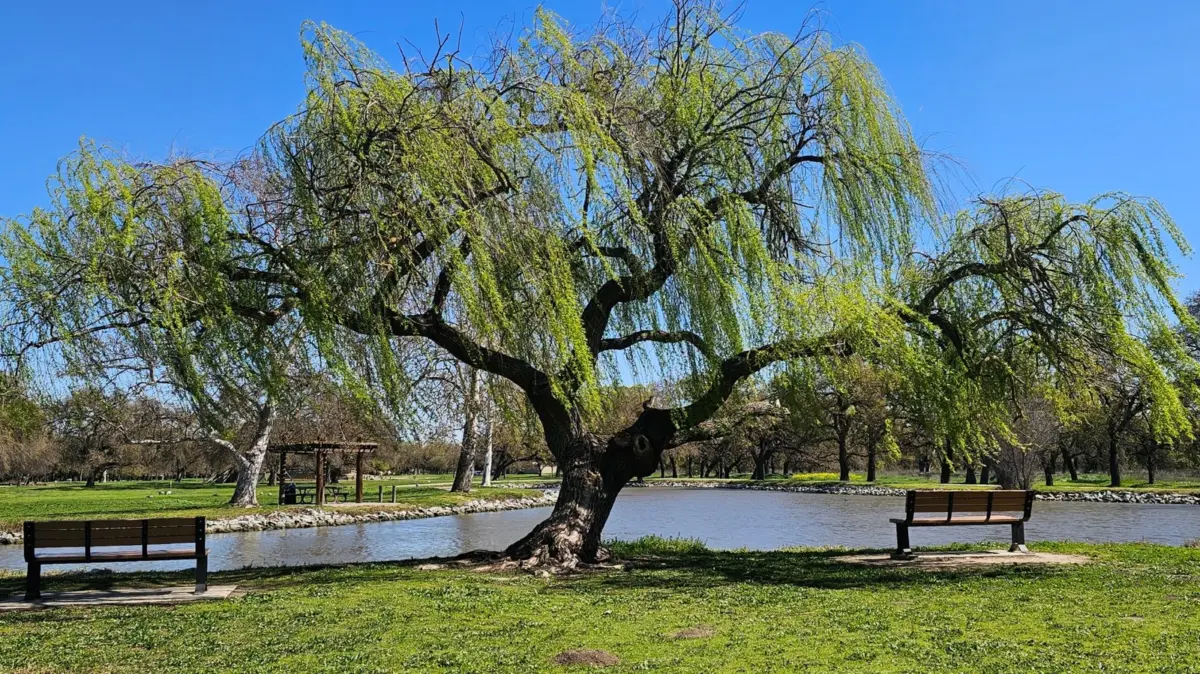
Named in honor of the late U.S. Congressman and Stockton native Norman Shumway, this dreamy green space serves as a cornerstone of San Joaquin County’s park system. Featuring expansive grassy meadows, magnificent native oak trees, picturesque wooden bridges, and the educational Oak Grove Nature Center, the park bridges the gap between structured urban life and untouched wilderness. At its geographical and cultural heart lies Oak Grove Lake—a managed, stocked fishery that acts as a haven for local anglers and weekend explorers.
Beyond its aquatic attractions, Shumway Oak Grove Regional Park functions as a dynamic multi-use destination. Whether visitors are seeking a leisurely afternoon stroll along the 2-mile Miwok Trail, a romantic paddleboat excursion, an educational deep dive into indigenous regional history, or a stellar evening of celestial observation via the park’s monthly astronomy programs, the destination offers a multifaceted escape. Strategically positioned just off Interstate 5, the park operates as both a localized community hub and a convenient, highly accessible pitstop for cross-state travelers. This report provides an authoritative, in-depth examination of the park’s history, recreational infrastructure, community events, operational logistics, and its broader role within the Central Valley’s expanding network of outdoor recreation.
Detailed Chronology: From Indigenous Roots to Modern Regional Park
To fully appreciate the ecological and cultural significance of Shumway Oak Grove Regional Park, one must examine its historical trajectory—a continuum stretching from ancestral stewardship to contemporary municipal preservation.
Pre-Colonial Era and Indigenous Stewardship
Long before the establishment of modern agricultural grids and interstate highways, the region encompassing modern-day Stockton and the broader San Joaquin Valley was stewarded by indigenous peoples, most notably the Northern Valley Yokuts. The dense oak groves and abundant waterways provided an ideal ecosystem for hunter-gatherer societies, who relied heavily on the native valley oak (Quercus lobata) for acorns—a dietary staple harvested, processed, and stored for year-round sustenance. The waterways teemed with native fish species, supporting a rich biodiversity that sustained generations of native populations.
The Agricultural Transition and Municipal Development
With the advent of the 19th-century gold rush and subsequent agricultural expansion, the Central Valley landscape underwent a radical transformation. The vast expanses of wild meadows were gradually converted into farmland, orchards, and ranching operations. However, forward-thinking civic planners and county officials recognized the urgent necessity of preserving tracts of native woodland amidst encroaching development.
The establishment of Oak Grove Regional Park marked a turning point in San Joaquin County’s recreational infrastructure. Designed to protect the fragile valley oak woodland ecosystem, the park was developed to offer public access while prioritizing conservation. Over the decades, the park’s governance—overseen by San Joaquin County—invested in infrastructure improvements, including the creation of Oak Grove Lake, walking pathways, picnic areas, and educational facilities.
Honoring Norman Shumway
In recognition of his substantial contributions to the region, the park was officially dedicated to honor the late U.S. Representative Norman Shumway. Shumway, a Republican who represented California’s 14th congressional district from 1979 to 1991, was deeply rooted in the Stockton community. His political legacy is intertwined with regional advocacy, making the renaming of the park a fitting tribute to a leader who championed local interests. Today, the park stands not only as an ecological sanctuary but as a civic monument honoring a dedicated public servant.
Supporting Context & Metrics: Infrastructure, Ecology, and Recreation
Shumway Oak Grove Regional Park is defined by a carefully balanced ecosystem and a robust suite of recreational amenities tailored to diverse demographics.
Ecosystem and Flora/Fauna
Spanning 180 acres, the park is anchored by magnificent valley oaks, some of which are centuries old. These monumental trees create a sweeping canopy that provides vital shade during scorching Central Valley summers. The understory consists of rich seasonal grasses and native vegetation that support a thriving local wildlife population. Visitors frequently encounter resident waterfowl, including Canada geese and mallards gliding across Oak Grove Lake, alongside various species of songbirds, small mammals, and raptors.
The Angler’s Paradise: Oak Grove Lake
At the center of the park’s recreational appeal is Oak Grove Lake. While swimming is strictly prohibited to preserve water quality and safety, the lake is managed as a premier freshwater fishing destination.
- Stocking Program: San Joaquin County regularly stocks the lake with rainbow trout and channel catfish throughout the year, sometimes executing multiple plants per season to ensure high catch rates.
- Licensing Requirements: Anglers aged 16 and older must possess a valid California Fishing License alongside standard tackle and reels.
- Competitive Events: The park hosts two iconic, high-participation events annually:
- The Catfish Derby: Typically held in early June, this family-friendly competition draws anglers of all ages to vie for prizes and bragging rights.
- The Trout Bout: Staged during the autumn months, this event capitalizes on cooler seasonal water temperatures and the seasonal trout stocking schedule.
Watercraft and Land-Based Trails
For non-anglers, the park offers alternative modes of recreation:
- Seasonal Paddleboats: For a nominal fee of under $10, visitors can rent colorful, human-powered paddleboats for 30-minute excursions around Oak Grove Lake. Operating primarily on summer weekends, this amenity is a favorite among families with young children and couples seeking a scenic, budget-friendly date activity.
- The Miwok Trail: For hikers and fitness enthusiasts, the Miwok Trail offers a loop spanning just under 2 miles. Winding through verdant fields, dense foliage, and shaded tree lines, the trail provides an accessible, low-impact route described by outdoor reviewers as an "easy walk and a good leg stretch."
Official Statements & Community Perspectives
The true measure of a regional park’s success lies in the lived experiences of its visitors and the institutional directives of its managing authorities. Public sentiment, captured across platforms like Yelp, Google Reviews, and AllTrails, paints a vivid picture of a treasured community asset.
Visitor Testimony and Atmosphere
Reviewers consistently emphasize the park’s tranquil, restorative quality. On Google Reviews, local visitors frequently remark on the profound serenity of the grounds. One reviewer noted, "The entire environment felt peaceful," capturing the sentiment of urban dwellers seeking refuge from city noise.
Yelp users who specialize in freshwater angling praise the management of the fishery. One avid fisherman shared:
"I am an avid fisherman and enjoy the calmness of this lake. They stock the lake with trout and catfish every year, sometimes with several plants per year."
On AllTrails, hikers characterize the Miwok Trail as exceptionally picturesque. A contributor highlighted its accessibility, writing that it is "very beautiful… an easy walk and a good leg stretch."
Civic Engagement and Astronomical Programming
San Joaquin County Parks regularly utilizes digital platforms, including its official Instagram account (@sanjoaquincountyca), to update the public on park hours, seasonal stocking dates, and special events.
Beyond daytime recreation, the park serves as an educational and cultural venue after dark. Through a collaborative partnership with the Stockton Astronomical Society, the park hosts the monthly Astronomy in the Park program. These evening events welcome the public to utilize high-powered telescopes provided by the society, offering unobstructed views of celestial bodies and fostering community interest in the sciences.
Future Outlook: Connectivity, Regional Tourism, and Expansion
As Stockton and the broader San Joaquin County region continue to experience demographic shifts and economic development, the strategic importance of urban green spaces like Shumway Oak Grove Regional Park will only increase.
Integration with Regional Tourism Corridors
Shumway Oak Grove Regional Park is increasingly viewed not just as a standalone neighborhood park, but as a crucial waypoint within a broader Central Valley tourism network. Located directly adjacent to Interstate 5, the park functions as an organic rest stop for long-haul motorists, offering essential amenities such as modern restrooms, ample parking, and a peaceful environment to decompress.
Furthermore, tourism promoters link the park to Stockton’s wider cultural footprint—including downtown murals, farmers’ markets, and riverfront trails—as well as nearby major water recreation hubs. For dedicated outdoor enthusiasts looking to expand their itineraries, the region offers complementary destinations within a one-hour radius:
- Pardee Reservoir: Located under an hour from Stockton, this crystal-clear artificial lake offers advanced boating, camping, and deep-water fishing opportunities.
- Don Pedro Lake: Situated further east in the Sierra Nevada foothills, Don Pedro provides expansive shoreline camping, rugged trail networks, and premier boating facilities.
Operational Considerations and Future Planning
County planners emphasize the need for sustainable maintenance practices to protect the delicate root structures of the heritage valley oaks against increasing foot traffic and climate variability. Future infrastructure upgrades under consideration include enhanced water-conservation landscaping, expanded educational exhibits at the Oak Grove Nature Center, and improved digital infrastructure for park visitors.
Practical Visitor Information
For travelers planning a visit, practical logistics remain straightforward:
- Location & Access: Situated immediately off Interstate 5 in Stockton, California.
- Admission & Operations: The park is open daily. Paid parking is in effect, and visitors should note that past patron feedback indicates the park operates on a cash-only basis (including paddleboat rentals).
- Pet Policies: Dogs are permitted within the park grounds for an additional fee, provided they remain on leash at all times.
- Updates: Prospective visitors are strongly encouraged to check San Joaquin County’s official communication channels prior to arrival to verify seasonal paddleboat hours, fishing derby registration dates, and upcoming astronomical viewing schedules.
In summary, Shumway Oak Grove Regional Park stands as a testament to effective environmental stewardship and community-centric planning. By harmonizing ecological preservation with active recreational programming, Stockton’s premier green space guarantees that generations of Central Valley residents and travelers will continue to find solace, adventure, and community beneath its sprawling oak canopy.