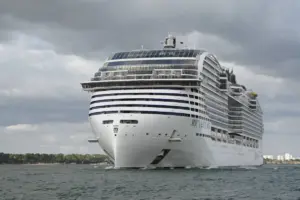









Executive Overview
For travelers booking a voyage to the Last Frontier, the promise of glacial fjords, towering ice walls, and untouched wilderness remains the ultimate allure. However, the operational realities of navigating remote and environmentally sensitive polar waters often require last-minute adjustments.
MSC Cruises has officially notified guests booked on the September 14, 2026, sailing of the MSC Poesia of a significant itinerary modification. The cruise line has removed the anticipated scenic cruising through Endicott Arm from the vessel’s schedule.
While the elimination of a glacier viewing is undeniably disappointing for travelers who planned their vacations around the breathtaking fjords, the change yields an unexpected silver lining: an extended port call in Juneau, Alaska’s capital city. The 3,223-guest ship will arrive in Juneau six hours earlier than originally planned, offering guests a vastly expanded window to explore local excursions, cultural landmarks, and natural attractions.
This itinerary adjustment is not an isolated incident. It forms part of a broader seasonal operational strategy affecting the final weeks of MSC Cruises’ historic inaugural deployment in Alaska. As daylight hours wane and autumn weather patterns shift across the region, cruise operators face mounting pressures to balance scenic bucket-list highlights with passenger safety, navigation regulations, and tight port schedules.
This comprehensive report examines the background of the MSC Poesia itinerary change, the operational and environmental catalysts driving the decision, the broader impact on MSC’s late-season Alaska sailings, and what these adjustments signify for the future of cruising in northern latitudes.
Detailed Chronology of the Itinerary Change
The sequence of events leading up to the modification of the September 14, 2026, voyage unfolded in late August and early September, as the cruise line evaluated the operational feasibility of late-season fjord navigation.
The Notification
On September 1, 2026, MSC Cruises began distributing official communications to travel advisors and booked guests regarding the upcoming schedule alterations. The notification addressed the removal of the Endicott Arm scenic cruising portion of the voyage, which was originally slated for Friday, September 18, 2026.

The official statement provided by MSC Cruises read:
"Due to seasonal operational considerations, we will not be able to proceed with the scheduled scenic cruising through Endicott Arm. We understand this is an experience many guests look forward to, and we sincerely regret that this portion of the itinerary will not be possible."
The Original vs. Revised Schedule
To understand the exact impact on the passenger experience, it is helpful to examine the timeline for Friday, September 18, 2026:
- Original Schedule: The MSC Poesia was scheduled to enter Endicott Arm early in the morning, conducting scenic cruising from 7:00 AM to 8:30 AM. Following the fjord transit, the ship was planned to make an afternoon arrival in Juneau.
- Revised Schedule: With the Endicott Arm transit bypassed entirely, the ship will bypass the fjord and proceed directly toward Juneau. Consequently, the MSC Poesia will now dock in the Alaskan capital at 8:00 AM instead of 2:00 PM, granting guests an additional six hours ashore.
The vessel’s departure time from Juneau remains locked at 10:00 PM, ensuring that the total length of the port stay is maximized. Furthermore, all other scheduled ports of call for the weeklong roundtrip voyage out of Seattle, Washington, remain entirely unaffected:
- Ketchikan: Wednesday, September 16 (7:00 AM – 5:00 PM)
- Icy Strait Point: Thursday, September 17 (10:00 AM – 7:00 PM)
- Victoria, British Columbia: Sunday, September 20 (8:00 PM – Midnight)
Supporting Context & Metrics: Why Endicott Arm Was Dropped
While MSC’s initial email broadly attributed the change to "seasonal operational considerations," passengers onboard the ship and maritime analysts have pieced together the specific environmental and logistical variables driving the decision.
The Daylight and Safety Equation
As September progresses into its final weeks, the high-latitude environment of Southeast Alaska undergoes a rapid reduction in daylight hours. According to astronomical data for Juneau and the surrounding fjords, sunrise on September 18 occurs at approximately 6:28 AM, with sunset following at 7:05 PM.
While a roughly 12.5-hour span of daylight might theoretically seem adequate for a morning fjord transit, maritime navigation in glacial waterways involves complexities that extend far beyond simple sunrise and sunset calculations:
- Morning Fjord Fog: Endicott Arm and the neighboring Tracy Arm are notoriously susceptible to dense, persistent morning fog banks. These weather phenomena can severely restrict visibility, rendering the narrow channel hazardous for large cruise ships.
- Navigation Constraints: Safely navigating a 3,223-guest vessel through narrow, ice-strewn passages requires optimal lighting and clear line-of-sight. If morning fog delays entry by even an hour or two, the entire schedule for the day collapses.
- The Fjord Transit Duration: A full, uncompromised passage of Endicott Arm—allowing the ship to approach the face of the Dawes Glacier and safely turn around—typically demands several uninterrupted hours of transit time, excluding the scenic viewing window.
Because the MSC Poesia is scheduled to make a same-day call in Juneau following the fjord experience, the ship operates on a rigid timeline. If the vessel is delayed entering or exiting Endicott Arm due to fog or ice density, its subsequent arrival in Juneau would be thrown into jeopardy. To preserve the reliability of the Juneau port call, cruise operations teams opted to remove the variable and high-risk fjord transit altogether.
MSC Cruises’ Historic Inaugural Season in Alaska
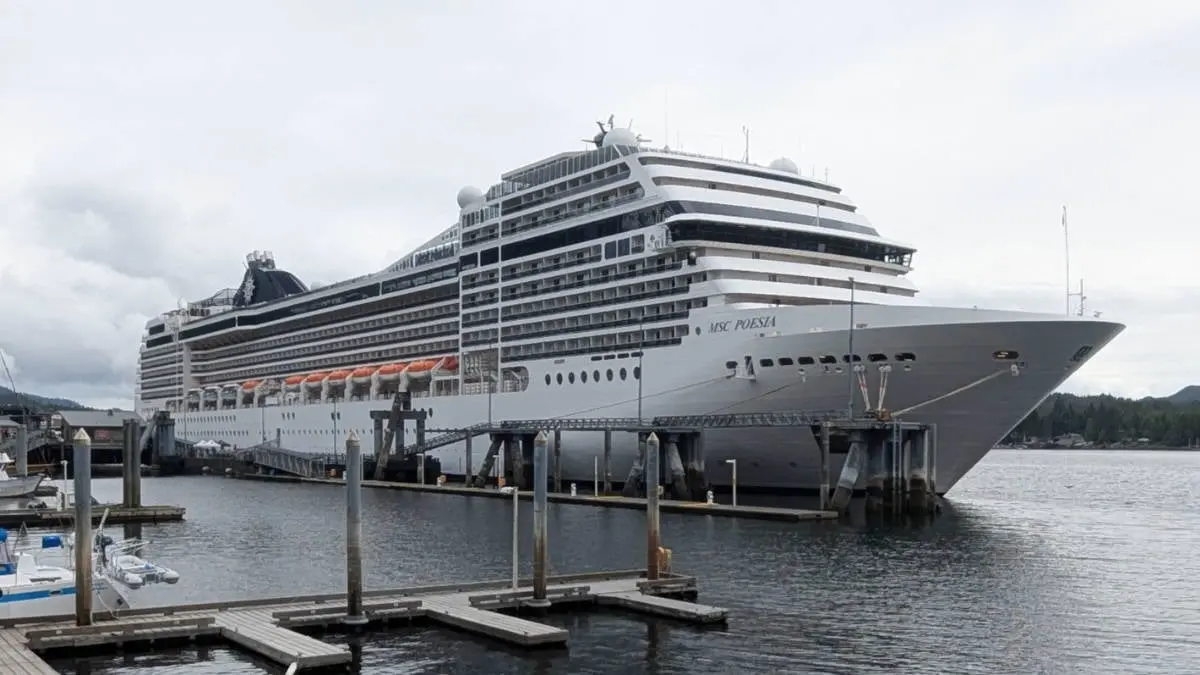
The stakes are particularly high for MSC Cruises this year. The deployment of the MSC Poesia to the region marks MSC Cruises’ inaugural season offering Alaskan itineraries, establishing the Swiss-headquartered line as a fresh competitor in the lucrative Pacific Northwest cruise market. Operating 7-night roundtrip voyages out of Seattle, the line has sought to establish a reputation for reliability and Italian-styled luxury in a market dominated by legacy cruise lines like Princess Cruises, Holland America Line, and Royal Caribbean.
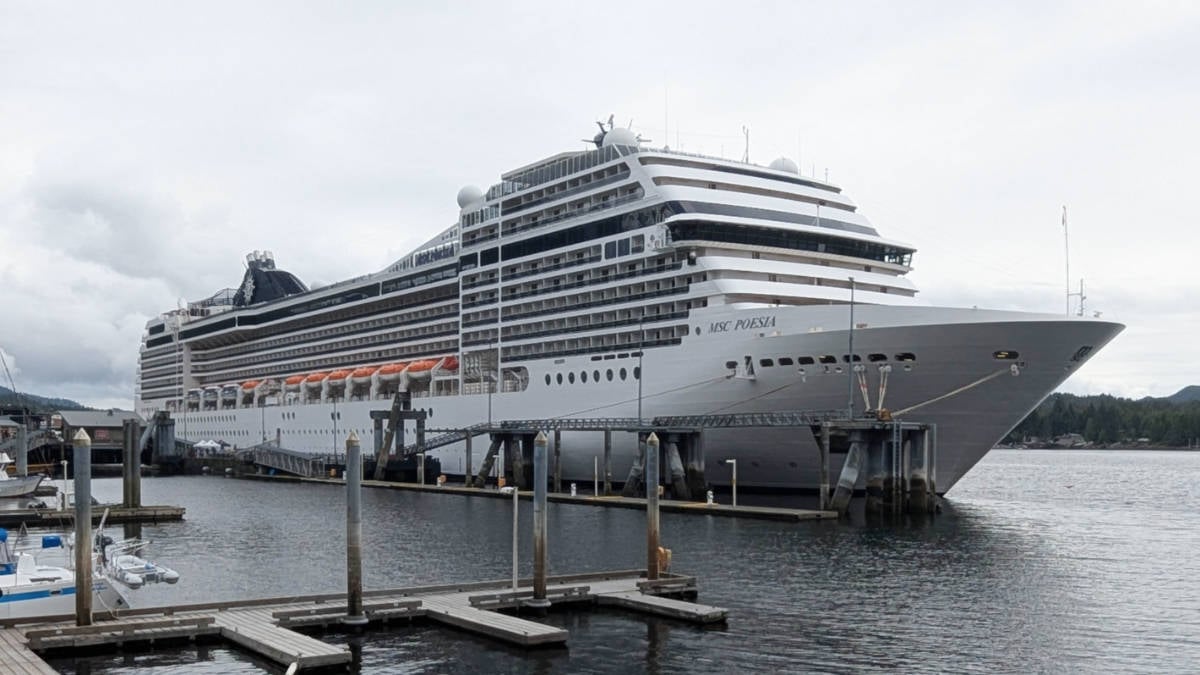
However, entering a new operating region comes with a steep learning curve regarding local weather patterns, port congestion, and seasonal constraints. The decision to cut Endicott Arm on late-season voyages reflects a conservative, safety-first approach to managing these variables during a transitional time of year.
Official Statements and Passenger Reactions
Reactions from the traveling public have varied from profound disappointment to pragmatic acceptance, particularly as travelers onboard current sailings share insights learned directly from shipboard officers and destination presentation teams.
Insights from Onboard Passengers
Guests currently sailing aboard the MSC Poesia have taken to social media and cruise-dedicated forums to provide clarity on announcements made by the ship’s management.
One passenger commented on a widely shared community post:
"We are on board at the moment and attended a presentation this morning where they told us we were the last cruise to do it [Endicott Arm], and the last 3 cruises in the season after us wouldn’t have time due to daylight hours."
This firsthand report aligns closely with official records maintained by regional maritime agencies.
Broader Industry Impacts
The MSC Poesia is not an isolated vessel dealing with schedule tweaks in late August and September. According to data compiled by Cruise Line Agencies of Alaska, multiple cruise lines frequently adjust itineraries to accommodate port operations, berth availability, and environmental restrictions.
For instance:
- On August 29, 2026, the Oceania Riviera arrived in Juneau an hour ahead of schedule, docking at 10:00 AM instead of 11:00 AM.
- On September 2, Cunard Line’s Queen Elizabeth adjusted her departure time from Juneau, leaving at 7:30 p.m.—an hour later than originally scheduled.
These incremental adjustments highlight the dynamic nature of Alaskan cruise operations, where captains and maritime pilots must constantly adapt to changing environmental conditions, marine traffic, and municipal port constraints.
Multiple Itineraries Impacted
The September 14 sailing is part of a cluster of late-season voyages facing identical operational adjustments.
The Affected Sailings
According to notifications corroborated by Cruise Line Agencies of Alaska, the MSC Poesia will arrive in Juneau six hours early for three specific late-season departures:
- September 7, 2026 Departure (Visiting Juneau on September 11)
- September 14, 2026 Departure (Visiting Juneau on September 18)
- September 21, 2026 Departure (Visiting Juneau on September 25)
The End of the Season and the Grand Voyage
These three departures represent the absolute conclusion of the MSC Poesia’s 2026 Alaska deployment. Following the completion of the September 21 roundtrip voyage from Seattle, the ship will conclude its time in the Last Frontier.
On September 28, 2026, the MSC Poesia is scheduled to depart on an extensive 24-night Grand Voyage. This repositioning cruise will take the vessel away from the Pacific Northwest, bringing her through the Panama Canal and into homeports in Miami, Florida, where she will base herself for the winter Caribbean cruise season.
Because these final September departures fall squarely into the shoulder season—characterized by shortening daylight, declining ambient temperatures, and volatile coastal weather—the removal of complex fjord transits is an established risk when booking late-season Alaskan cruises across the broader cruise industry.
Future Outlook: Navigating the Shoulder Season in Alaska
The situation aboard the MSC Poesia serves as an important case study for future travelers considering cruises to Alaska during the shoulder months of May and September.
What Travelers Need to Know
- Flexibility is Paramount: Cruise contracts explicitly state that itineraries are subject to change due to weather, safety, and operational considerations. Fjord transits, in particular, are among the most weather-vulnerable components of any polar or sub-polar itinerary.
- The Trade-Off of Early Port Arrivals: While missing a scenic glacier cruise is a distinct loss, an extended stay in a major port like Juneau offers alternate value. Guests on the affected MSC Poesia sailings now have an expansive six-hour window to book extended shore excursions—such as helicopter glacier trekking, whale watching, Mount Roberts Tramway excursions, or culinary explorations of historic downtown Juneau—that standard short port stops might preclude.
- Shoulder Season Realities: Travelers booking late-September sailings must weigh lower fares and smaller crowds against the growing probability of weather-related itinerary adjustments, cooler ambient temperatures, and reduced daylight.
As MSC Cruises evaluates the successes and challenges of its inaugural Alaskan season, operational logistics for future years will undoubtedly factor in the lessons learned from the MSC Poesia’s 2026 deployments. For current guests, adapting to the revised schedule will ensure that despite missing the narrow waters of Endicott Arm, their journey through the Last Frontier remains an unforgettable exploration of Alaska’s coastal capitals.