







Executive Overview
Long before the advent of modern megaships outfitted with sprawling infinity pools, Broadway-caliber theaters, and celebrity-chef eateries, a pioneering British maritime venture was laying the foundational routes of contemporary global cruising. The genesis of this maritime titan dates back to 1837—an era defined by steam innovation, the expansion of the British Empire, and the urgent need for reliable international communications.
Today, the Peninsular & Oriental Steam Navigation Company—universally known as P&O Cruises—stands as the oldest operating cruise line in the world. Approaching its bicentennial anniversary, the brand has undergone a monumental metamorphosis. It has transformed from a vital mail and cargo carrier into an iconic British leisure institution.
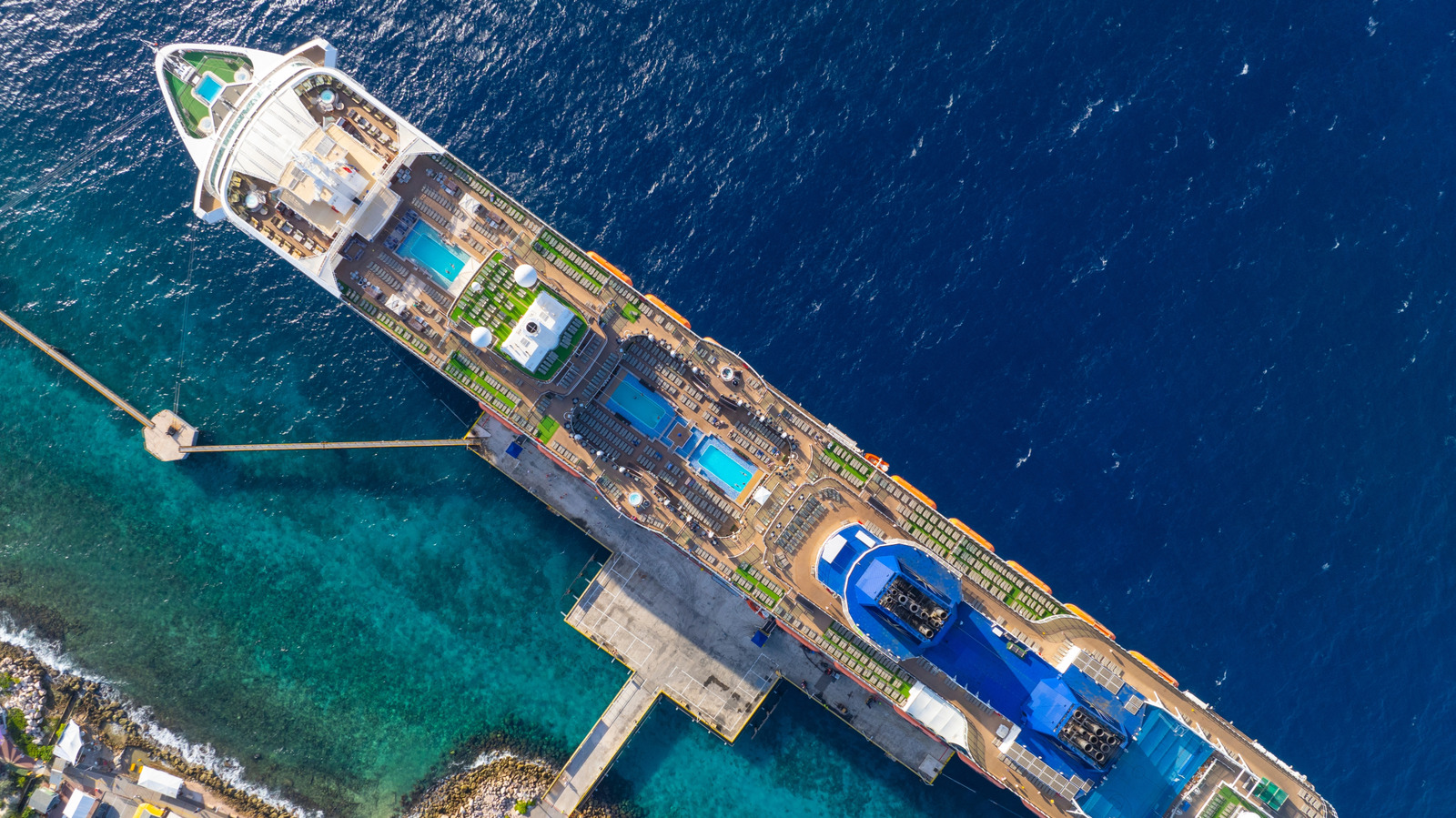
Operating under the corporate umbrella of Carnival Corporation, P&O Cruises manages a dynamic fleet of contemporary vessels. It commands the largest share of British vacationers setting sail directly from the United Kingdom. This comprehensive journalistic investigation explores the history, evolution, fleet transformation, and enduring legacy of the world’s oldest active cruise line. It examines how a 19th-century mail carrier successfully navigated the turbulent waters of industrial progress, global warfare, and shifting consumer habits to remain a dominant force in modern maritime tourism.
Detailed Chronology: From Mail Packets to Floating Resorts
To truly appreciate the scale of P&O Cruises today, one must trace its origins back to the reign of Queen Victoria. The timeline of the company reflects the broader history of global trade, geopolitical shifts, and the democratization of travel.
1837–1840s: The Mail Route Pioneers
The story of P&O begins with two ambitious shipping entrepreneurs, Arthur Anderson and Brodie McGhie Wilcox. Recognizing the growing commercial and political necessity of maintaining fast, reliable communication between Great Britain and the Iberian Peninsula, the partners secured a prestigious government contract. They established the Peninsular Steam Navigation Company, initially operating steamship services between the UK, Spain, and Portugal.
As the British Empire expanded its reach into the Mediterranean, the Red Sea, and East Asia, the British government sought faster channels for official dispatches. In 1840, the company officially incorporated as the Peninsular & Oriental Steam Navigation Company (P&O), having secured an expanded mail contract to carry correspondence to Egypt and India. Crucially, these early ships also carried a small number of intrepid passengers alongside vital cargo, such as tea leaves imported directly from China. This dual focus on logistics and passenger transport laid the groundwork for the company’s future as a global travel provider.
The Late 19th and Early 20th Centuries: The Birth of Leisure Cruising
By the 1840s and 1850s, P&O vessels were routinely sailing from Southampton to cultural hubs such as Athens, Malta, and Alexandria. While these journeys were initially undertaken out of necessity by diplomats, military personnel, and merchants, the onboard experience gradually shifted to accommodate travelers seeking recreation.

The true turning point for P&O’s leisure division arrived in 1904. Recognizing an appetite for pleasure voyages among the affluent middle and upper classes, the company converted its mail steamer Rome into the Vectis. Accommodating approximately 150 passengers, the Vectis was deployed specifically for Mediterranean pleasure cruises. This strategic pivot signaled a philosophical shift within the company: sea travel was no longer merely a means of transit from point A to point B. It was becoming an experiential vacation in its own right.
The World Wars and the Mid-20th Century: National Service
The 20th century brought unprecedented global upheaval, testing the resilience of P&O. During both World War I and World War II, the company’s fleet was requisitioned by the British Admiralty. P&O steamers were rapidly converted into armed merchant cruisers, troop transports, and hospital ships.
The company suffered devastating losses during these global conflicts, with numerous vessels torpedoed or bombed in service of the Allied war effort. Following the cessation of hostilities in 1945, P&O faced the monumental task of rebuilding its fleet. In the post-war decades, the company continued to operate traditional liner services, carrying emigrants to Australia and the Far East under the famous "Ten Pound Poms" assisted-passage scheme, while simultaneously nurturing its burgeoning cruise operations.
Modern Era: Corporate Integration and the Carnival Era
As commercial aviation revolutionized long-distance travel in the 1960s and 1970s, the traditional ocean liner model became largely obsolete. P&O adapted decisively, phasing out point-to-point liner services to focus entirely on dedicated cruise operations.
A major corporate restructuring occurred in 2003, when P&O Princess Cruises merged with Carnival Corporation. This historic consolidation placed P&O Cruises under the same corporate umbrella as some of the world’s most recognizable maritime brands, including Cunard, Princess Cruises, and Carnival Cruise Line. Despite this integration into a global conglomerate, P&O Cruises maintained its distinctly British identity, tailoring its onboard culture, cuisine, and itineraries specifically to the preferences of UK travelers.
Supporting Context & Metrics: P&O Cruises Today
Nearly two centuries after its founding, P&O Cruises remains an economic and cultural heavyweight within the global tourism industry. The following metrics and operational contexts illustrate the scale of the modern enterprise:
- Fleet Size: P&O Cruises operates a modern fleet of seven ships, carefully segmented to cater to varying demographic preferences, ranging from adult-centric tranquility to dynamic family entertainment.
- Market Leadership: The brand carries more British vacationers out of United Kingdom ports than any competing cruise line, cementing its status as a national maritime treasure.
- Technological Innovation: The introduction of liquefied natural gas (LNG) propulsion in recent ships marks a significant stride toward sustainable cruising, substantially reducing sulfur and nitrogen emissions.
- Diverse Vessel Classifications:
- Adults-Only Vessels: Aurora and Arcadia offer traditional cruising experiences and cater exclusively to adult travelers, frequently deployed on extended global voyages.
- Family-Friendly Megaships: Iona and Arvia represent the cutting edge of contemporary design, accommodating thousands of guests with innovative recreational facilities.
Fleet Breakdown and Onboard Innovations
To understand how P&O bridges its 19th-century heritage with 21st-century expectations, one must examine its modern amenities. A voyage with the world’s oldest cruise line today bears little resemblance to a Victorian steamship crossing.

The flagship vessels Iona and Arvia have pushed the boundaries of what is possible at sea. Iona, which entered service as P&O’s first LNG-powered ship, made headlines by introducing the world’s first gin distillery at sea, producing a signature local blend ("Isle of Jura") exclusively for guests. Meanwhile, its sister ship, Arvia, features the Altitude Skywalk—a high-ropes course suspended a dizzying 177 feet above the ocean surface, offering panoramic views of the sea and ports of call.
Conversely, for travelers seeking a more intimate and traditional atmosphere, ships like Aurora and Arcadia preserve the classic elegance of mid-century ocean travel. Arcadia serves as the primary vessel for P&O’s prestigious world cruises, taking guests on multi-month odysseys across hemispheres.
Official Statements & Industry Perspectives
Industry analysts and corporate leadership frequently emphasize the unique dual identity of P&O Cruises: balancing a nearly 200-year legacy with the relentless demand for cutting-edge leisure innovation.
Maritime historians point out that P&O’s survival through 187 years of economic depressions, world wars, and technological revolutions is a testament to acute strategic adaptability. As maritime experts note:
"A shipping line cannot survive nearly two centuries without fundamentally reinventing its product multiple times. P&O began as a geopolitical instrument of empire and mail delivery, evolved into an emigrant transporter, and successfully transitioned into a premier leisure provider. Its ability to retain a fiercely loyal British clientele throughout these seismic shifts is unprecedented."
Corporate communications from Carnival Corporation and P&O Cruises frequently highlight the brand’s commitment to British cultural touchstones. From onboard afternoon tea curated by master pâtissiers to the presence of British comedians, actors, and entertainers, the line deliberately curates an environment that feels familiar yet aspirational to UK travelers. Furthermore, recent investments in eco-friendly propulsion systems underscore corporate alignment with global environmental standards, positioning the historic brand as a forward-thinking leader in sustainable maritime tourism.
Future Outlook: Navigating the Next Horizon
As P&O Cruises approaches its bicentennial milestone in the 2030s, the brand is positioned for continued growth and adaptation. The cruise industry at large is experiencing unprecedented demand, driven by demographic shifts, an aging population with disposable income, and a rising interest in experiential travel among younger demographics.

Expanding Itineraries and Shore Experiences
P&O’s itinerary planning has expanded far beyond traditional Mediterranean and Norwegian fjord circuits. Current voyages reach the Caribbean, the Baltic, North America, and deep into the Southern Hemisphere.
Crucially, shore excursions have evolved to meet the demands of modern travelers who seek active, immersive engagement rather than passive sightseeing. Experiences now range from wildlife tracking in coastal ecosystems to high-octane motorsport tourism. For instance, P&O itineraries stopping in Monte Carlo offer guests exclusive access to explore parts of the iconic Monaco Grand Prix street circuit—widely regarded as one of the premier sporting events in the world.
Environmental Stewardship and Sustainable Cruising
The future of P&O Cruises, like that of the wider maritime sector, hinges on environmental responsibility. With global scrutiny on carbon emissions, the successful integration of LNG technology across newer vessels represents just the initial phase. Research and development into shore-power capabilities (allowing ships to shut down engines while docked in port) and future green fuels, such as synthetic LNG and green hydrogen, will dictate the operational roadmap for the coming decades.
Conclusion
From its modest beginnings carrying paper dispatches between Great Britain and the Iberian Peninsula in 1837, P&O Cruises has woven itself into the cultural fabric of British travel. By honoring its rich maritime heritage while fearlessly adopting modern entertainment technologies, sustainable propulsion, and expansive global itineraries, the world’s oldest cruise line proves that true legacy is not preserved by standing still, but by continuously learning how to navigate the future. Nearly two hundred years later, P&O is not merely surviving—it is still making waves.