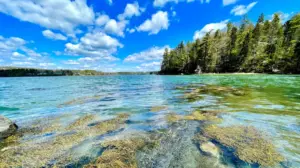
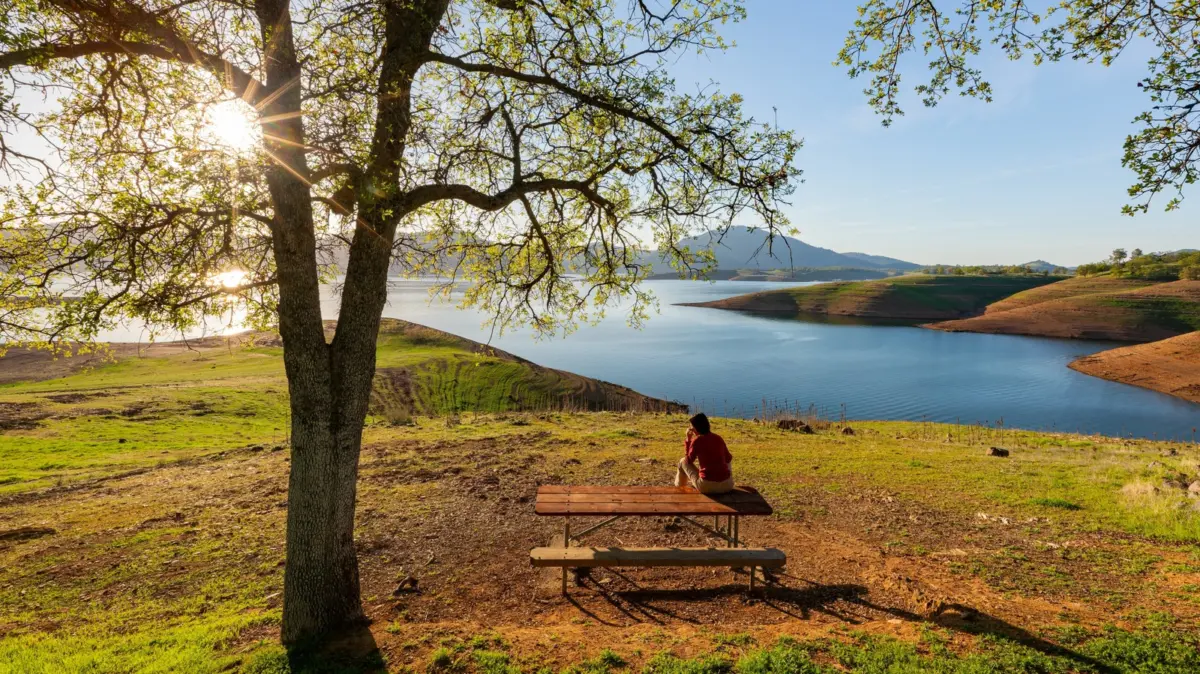
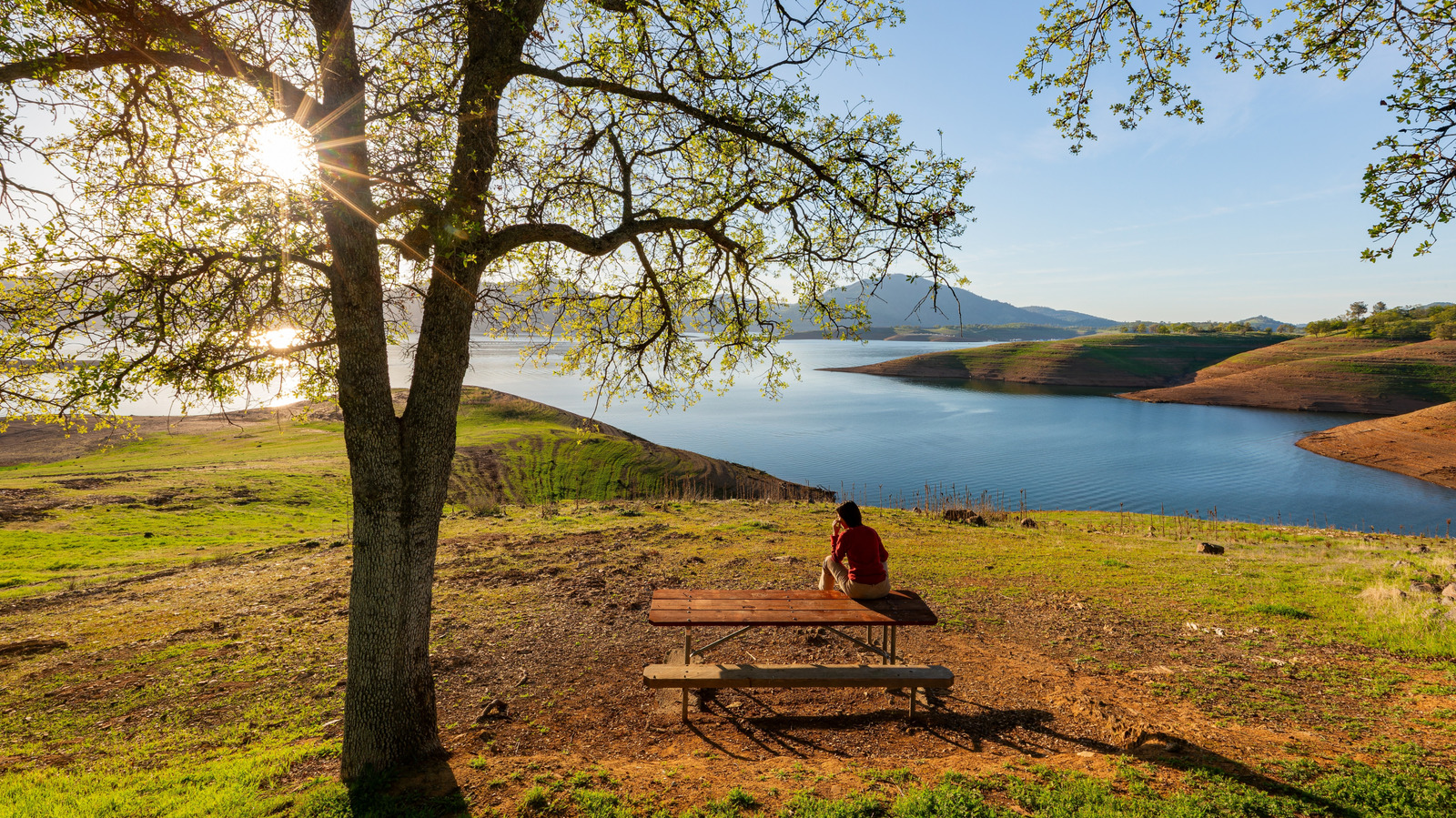
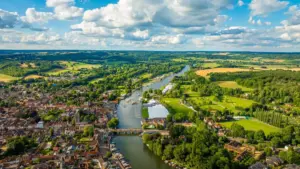
For decades, Lake Tahoe has reigned supreme as the crown jewel of California’s alpine aquatic destinations. Famed for its cobalt-blue waters, towering evergreens, and high-altitude luxury, Tahoe draws millions of tourists annually. However, its sky-high prices, notorious traffic gridlock, freezing mountain waters, and altitude-related tourist complaints have led savvy travelers to seek alternatives. Enter the San Luis Reservoir State Recreation Area—a sprawling, sun-drenched oasis nestled in the foothills of Central California’s agricultural heartland.
Located roughly 70 minutes from downtown San Jose and easily accessible via Interstate 5, this massive artificial water body is redefining outdoor recreation in the Golden State. Boasting expansive shorelines, stellar warm- and cold-water fishing, wind-sport havens, and year-round camping without the congestion or cost of its alpine counterpart, the San Luis Reservoir offers a compelling alternative. Free to enter and rich with panoramic vistas, this underappreciated destination is stepping out of the shadows of the Sierra Nevadas to claim its well-deserved place as a premier California escape.
Detailed Chronology & Historical Context: From Agricultural Lifeline to Recreation Hub
The story of the San Luis Reservoir is deeply intertwined with the massive engineering feats of the 20th century that transformed Central California into America’s breadbasket. To understand the reservoir today, one must look back at its origins as a critical infrastructure project designed to manage and redistribute water across the arid valleys of California.
Constructed as a joint venture between the federal Bureau of Reclamation and the California Department of Water Resources, the San Luis Reservoir broke ground in the early 1960s, officially opening to the public in 1967. The project was conceived as a vital off-stream storage facility for the California State Water Project and the federal Central Valley Project. Water is pumped uphill from the Sacramento-San Joaquin River Delta during periods of high runoff, channeled through the California Aqueduct, and stored in the reservoir to supply agricultural and municipal needs throughout Central and Southern California during dry summer months.
Evolution into a Recreation Haven
While its primary purpose remained industrial and agricultural, the sheer scale of the reservoir—spanning thousands of acres with miles of rugged shoreline—caught the attention of outdoor enthusiasts. Recognizing its potential, the state established the San Luis Reservoir State Recreation Area. Over the decades, the park evolved from a localized fishing hole into a regional powerhouse for boating, sailing, and camping.
Despite its rich history and strategic location, the reservoir largely remained a localized secret, frequented mostly by anglers from the San Jose tech hub and travelers driving the I-5 corridor. In recent years, however, shifting travel trends—marked by a desire for crowd-free destinations, budget-friendly trips, and accessible nature—have thrust the San Luis Reservoir into the spotlight as a viable, low-stress alternative to overcrowded alpine lakes.
Supporting Context & Metrics: By the Numbers
To truly appreciate the scale and appeal of the San Luis Reservoir, one must examine the metrics that set it apart from traditional vacation lakes like Tahoe.
Elevation: Situated at roughly 540 feet above sea level, the San Luis Reservoir completely eliminates the risk of altitude sickness—a common tourist complaint at Lake Tahoe, which sits at over 6,000 feet.
Summer Season: Because of its lower elevation, the reservoir enjoys a significantly longer and warmer summer season. While Tahoe’s waters can remain frigid well into July, the San Luis Reservoir reaches a refreshing, highly swimmable surface temperature of around 60 degrees Fahrenheit by August, particularly in designated zones like North Beach.
Proximity to Urban Centers: Located just 70 minutes from downtown San Jose and easily reachable from San Francisco and the Central Valley, the park serves as an accessible weekend escape that cuts down drastically on travel time compared to driving deep into the Sierra Nevada range.
Recreation and Infrastructure Metrics
Size and Scope: As the largest stream-fed reservoir in the United States, it provides vast, open expanses of water that prevent the cramped, bumper-to-bumper boat traffic often experienced on smaller lakes.
Shoreline Access: Anglers and hikers can explore approximately 65 miles of surrounding shoreline, offering ample space to spread out, cast a line, or enjoy a quiet picnic without fighting for elbow room.
Cost Efficiency: Unlike state and national parks that command steep day-use vehicle fees, entry to the San Luis Reservoir State Recreation Area is entirely free, making it an exceptionally budget-friendly destination for families and solo travelers alike.
Aquatic Life and Biodiversity
The reservoir boasts a thriving ecosystem supported by its dynamic water levels and deep basins. Anglers frequently pull out impressive catches, including:
Striped bass (striper)
Largemouth and smallmouth bass
Crappie
Bluegill and various panfish
Official Statements and Expert Perspectives
Park rangers, local tourism boards, and seasoned visitors have long championed the unique microclimate and recreational utility of the San Luis Reservoir, offering valuable insights into navigating the park safely.
Managing Wind and Weather Dynamics
While the reservoir offers immense rewards for boaters and sailors, officials emphasize the importance of respecting its volatile weather patterns. Park rangers frequently issue advisories regarding the area’s notoriously high and unpredictable winds, which tend to peak during the summer months.
"The winds here aren’t just strong; they are fickle and shift without warning," notes a California State Parks safety briefing regarding the reservoir. "When sustained winds exceed 45 miles per hour, park rangers implement immediate closures to all boating and wind sports to ensure visitor safety."
For windsurfers, kitesurfers, and wing foilers, however, these conditions are a feature rather than a bug. When the main reservoir becomes too choppy, experts recommend shifting operations to the adjacent, more sheltered O’Neill Forebay, which offers calmer waters ideal for beginner and intermediate wind-sport enthusiasts.
Visitor Testimonials and Family Appeal
The sentiment among regular visitors highlights the reliability of the fishery and the serene beauty of the surrounding golden hillsides.
"Every time I’ve been here, I’ve caught fish," shared one frequent visitor in a widely cited community review. "It is highly recommended for families. It’s a beautiful, wide-open place where you don’t feel crowded out by the rest of the world."
Future Outlook: Infrastructure, Conservation, and Tourism
As California’s tourism landscape continues to evolve, the future of the San Luis Reservoir State Recreation Area looks promising, balancing recreational expansion with critical water conservation mandates.
Navigating Infrastructure Adjustments
The park has faced minor operational hurdles, notably the indefinite closure of the reservoir’s primary lakeside campground due to ongoing dam safety evaluations and infrastructure updates. However, state agencies and local tourism promoters have successfully pivoted to accommodate overnight guests. Campers currently utilize the year-round facilities at the nearby San Luis Creek and Madeiros campgrounds, situated directly on the shores of the O’Neill Forebay, ensuring uninterrupted waterfront camping views.
Boosting Local Hospitality
The economic ripple effects of the reservoir’s growing popularity are transforming nearby communities. Santa Nella, located less than eight minutes from the I-5 corridor, has seen increased investment in traveler accommodations. Properties like the upscale, mission-style Hotel Mission de Oro have catered directly to this shift, offering specialized amenities such as secure parking for boats and trailers, bridging the gap between rugged outdoor adventure and upscale comfort.
Similarly, the nearby historic town of Los Banos—affectionately dubbed "the Crossroads of California"—is capitalizing on its growing reputation as a walkable, culturally rich waypoint. Travelers returning from a day on the water can stroll through mellow downtown trails, sample local cuisine, and enjoy a slower-paced hometown charm that complements the rugged wilderness of the reservoir.
Conclusion
While Lake Tahoe will undoubtedly retain its iconic status in the lore of Western travel, the San Luis Reservoir State Recreation Area proves that California’s natural wonders extend far beyond the Sierra pine forests. By offering a potent mix of world-class fishing, expansive boating opportunities, budget-friendly access, and a warm, Mediterranean-style climate free of altitude sickness, this Central Valley giant stands ready to welcome a new generation of travelers seeking authenticity, space, and golden-hour beauty.