






Executive Overview
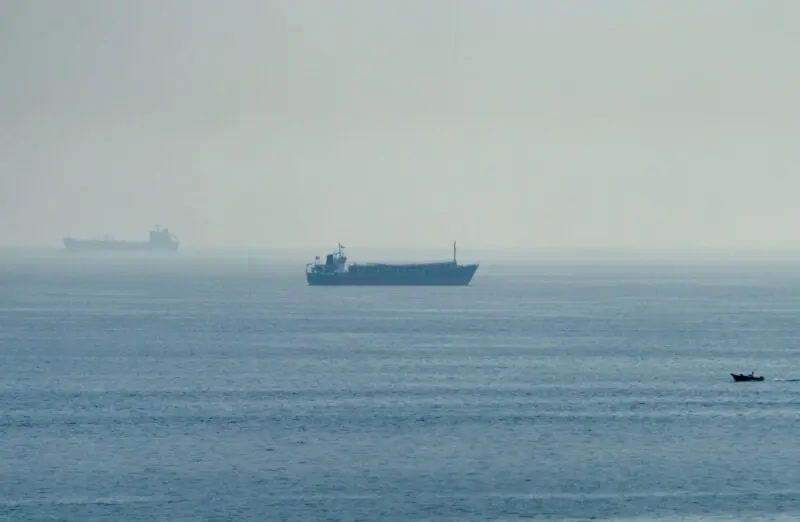
The global maritime supply chain is facing an unprecedented double-choke-point crisis as geopolitical instability paralyzes two of the world’s most critical shipping corridors. According to preliminary ship-tracking data, commercial vessel transits through the strategic Strait of Hormuz plummeted to just seven transits on Thursday, September 10. This represents a sharp decline from the 11 transits recorded the previous day and sits far below the already depressed 10-day average of 15 transits.
The collapse in traffic underscores the chilling effect of the ongoing conflict in the region, which escalated into an active war involving Iran on February 28. Prior to the outbreak of hostilities, the Strait of Hormuz served as the primary artery for global energy, facilitating the passage of approximately 125 large commercial vessels per day—including crude tankers, liquefied natural gas (LNG) carriers, dry bulkers, and container ships. Today, that vital flow, which historically accounted for roughly 20 percent of the world’s daily liquid fuel and LNG supply, has been reduced to a fraction of its former volume.
Strait of Hormuz Daily Transits (Sept 2026)
==================================================
Pre-War Baseline:   █████████████████████████ 125
10-Day Average:     ███ 15
Wednesday (Sept 9): ██ 11
Thursday (Sept 10): █ 7
==================================================
Simultaneously, the maritime security environment in the Red Sea has deteriorated further. Iran-aligned Houthi forces have seized the strategic Yemeni port city of Mocha and are advancing toward key islands near the Bab el-Mandeb strait. While commodity transits through the Bab el-Mandeb remained relatively steady on Thursday at 26 vessels—just shy of the 10-day average of 27—the growing Houthi presence threatens to shut down the southern gate to the Suez Canal entirely.
With a tight U.S.-led naval blockade squeezing Iranian exports and commercial fleets steering clear of volatile waters, the global energy trade is entering a highly volatile period of forced rerouting, skyrocketing insurance premiums, and heightened systemic risk.
Detailed Chronology: A Week of Maritime Contraction
To understand the scale of the current contraction, it is necessary to examine the specific vessel movements and operational shifts that occurred during the week ending September 11.
The Thursday Transits: A Microcosm of a Stalled Waterway
On Thursday, September 10, only seven commercial vessels risked passage through the Strait of Hormuz. According to real-time tracking data provided by industry intelligence firm Kpler, the transits were heavily weighted toward dry bulk and essential agricultural commodities rather than high-value energy assets:
- Exiting the Strait (2 Vessels):
- One Panamax vessel laden with fertilizer, heading toward international agricultural markets.
- One Panamax vessel sailing in ballast (empty), seeking safer waters to secure its next charter.
- Entering the Strait (5 Vessels):
- One Panamax vessel carrying dry bulk cargo.
- One Handysize vessel laden with steel products.
- One Handysize vessel carrying grains, highlighting the continued reliance of Gulf states on imported food security.
- One Supramax vessel carrying dry bulk cargo.
- One Medium-Range (MR) Tanker loaded with dirty petroleum products (DPP), representing the sole energy-related transit of the day.
This vessel mix reveals a stark reality: major international oil companies and LNG operators have almost entirely halted routine transits through the strait. The risk of seizure, missile strikes, or collateral damage has priced traditional transit out of the market for all but the most critical or risk-tolerant voyages.
Vessel Transits by Category (Thursday, Sept 10)
┌───────────────────────────────────────┬──────────┐
│ Vessel Class & Cargo Type             │ Movement │
├───────────────────────────────────────┼──────────┤
│ Panamax (Fertilizer)                  │ Exit     │
│ Panamax (Ballast/Empty)               │ Exit     │
│ Panamax (Dry Bulk)                    │ Entry    │
│ Handysize (Steel)                     │ Entry    │
│ Handysize (Grains)                    │ Entry    │
│ Supramax (Dry Bulk)                   │ Entry    │
│ MR Tanker (Dirty Petroleum Products)  │ Entry    │
└───────────────────────────────────────┴──────────┘
The "Dark Fleet" Factor
The reported figure of seven transits excludes any vessels operating under "dark" conditions. To evade detection, avoid targeting by hostile forces, or bypass the U.S.-led blockade, an increasing number of merchant ships are turning off their Automatic Identification System (AIS) transponders before entering the Persian Gulf. While this practice conceals their exact locations, it significantly increases the risk of maritime collisions and complicates search-and-rescue operations in the event of an attack.
QatarEnergy’s Calculated Maneuvers
Despite the high-risk environment, QatarEnergy—the state-owned energy giant of Qatar—has selectively resumed movements through the strait to fulfill critical long-term supply contracts.
- September 6 & 9: Two ballast QatarEnergy-linked LNG carriers, the Al Ghashamiya and the Al Daayen, re-entered the Strait of Hormuz. The Al Daayen was last spotted outside the waterway on September 3, while the Al Ghashamiya had been holding in safe waters outside the Gulf since September 6.
- September 10: The QatarEnergy-controlled LNG carrier Al Marrouna successfully exited the Strait of Hormuz, delivering a vital shipment of LNG from Qatar’s massive Ras Laffan terminal to Pakistan.
The Al Marrouna voyage represents the first documented LNG shipment aboard a Qatari-linked vessel through the Strait of Hormuz since late July, when the Al Areesh completed a similar delivery to Pakistan. This multi-week hiatus highlights Qatar’s extreme caution; the state exporter appears to be timing its transits during brief windows of relative calm, using highly secure corridors, or coordinating quietly with regional naval coalitions.
Supporting Context & Metrics: The Dual Chokepoint Crisis
The vulnerability of global trade is magnified by the fact that both of the Middle East’s primary maritime gates—the Strait of Hormuz and the Bab el-Mandeb—are experiencing simultaneous disruptions.
       MEDITERRANEAN SEA
               │
               ▼
          SUEZ CANAL
               │
               ▼
            RED SEA  ◄─── Houthi forces seize Port of Mocha
               │          and advance to strategic islands
               ▼
        BAB EL-MANDEB (26 transits vs. 27 average)
               │
               ▼
          GULF OF ADEN
               │
               ▼
          ARABIAN SEA ───► GULF OF OMAN
                                │
                                ▼
                         STRAIT OF HORMUZ (7 transits vs. 15 average)
                                │
                                ▼
                           PERSIAN GULF
The Strait of Hormuz: Energy Lifeline Severed
Before the outbreak of the war on February 28, the Strait of Hormuz was widely regarded as the most important oil transit chokepoint in the world.
- Pre-War Volume: ~125 large commercial vessels daily.
- Current Volume (Sept 10): 7 vessels (a 94.4% decline from pre-war baselines).
- U.S. Blockade Impact: Since mid-July, a strict U.S. blockade targeting Iran-affiliated shipping has effectively halted Iranian crude oil exports. The blockade has starved the Iranian government of oil revenue but has also turned the Gulf of Oman and the Persian Gulf into highly militarized zones, deterring commercial operators from entering.
The Bab el-Mandeb & Red Sea: The Houthi Offensive
To the west, the shipping lane running through the Red Sea and the Bab el-Mandeb strait is facing a direct territorial threat. On Thursday, September 10, military sources confirmed that Iran-aligned Houthi rebels seized control of the key Yemeni port city of Mocha.
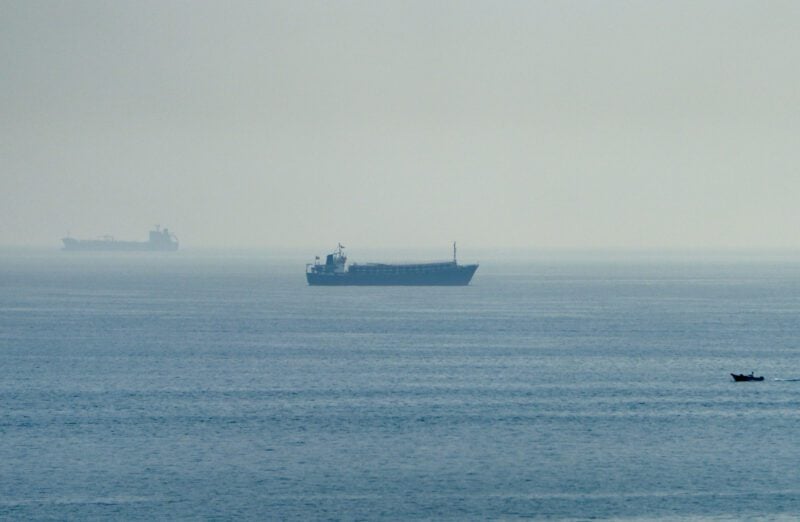
Following the capture of Mocha, Houthi forces advanced down the Red Sea coast, targeting strategic islands that overlook the shipping lanes of the Bab el-Mandeb. This territorial expansion gives the rebel group direct line-of-sight and potential artillery/missile range over passing commercial vessels.
On the day of the Houthi advance, 26 commodity-carrying vessels passed through the Bab el-Mandeb (10 entering the Red Sea, 16 exiting). While this figure is consistent with the 10-day average of 27, it represents a significant drop from historical averages prior to the broader regional conflict. Commercial operators still transiting the Bab el-Mandeb face soaring war-risk insurance premiums, with many opting for the lengthy and expensive detour around the Cape of Good Hope.
Official Statements and Geopolitical Friction
The rapidly changing situation on the water has met with a mix of strategic silence and tense diplomatic maneuvering from key international players.
Qatar’s Strategic Silence
When contacted for comment regarding the sudden resumption of LNG transits via the Al Marrouna, Al Ghashamiya, and Al Daayen, QatarEnergy did not immediately respond. Industry analysts suggest that Doha is maintaining a low profile to avoid drawing attention to its shipping schedules.
As a primary supplier of LNG to both Europe and Asia, Qatar is under immense pressure to deliver cargoes, yet it must balance these obligations against the safety of its multi-billion-dollar fleet of Q-Flex and Q-Max carriers.
The U.S. Coalition and the Blockade
U.S. naval officials have defended the blockade on Iran-related shipping, calling it a necessary measure to disrupt the funding of regional proxy groups and stabilize international waters. However, critics of the blockade point out that the aggressive enforcement has driven up shipping costs globally.
"The physical blockade has succeeded in cutting off Tehran’s official oil revenues, but the unintended consequence is the near-total paralysis of commercial traffic through Hormuz," said a Singapore-based maritime risk consultant. "Insurance companies are simply refusing to underwrite voyages through the Gulf unless the cargo is deemed of strategic national importance."
Future Outlook: Global Supply Chain Vulnerabilities
The prolonged disruption of both the Strait of Hormuz and the Bab el-Mandeb has structural implications for the global economy that extend far beyond the Middle East.
1. Persistent Energy Inflation
With the Strait of Hormuz effectively closed to routine tanker traffic, energy markets are bracing for structural supply deficits. While non-Gulf oil producers (such as the United States, Brazil, and Guyana) have increased output, they cannot easily replace the volume of crude and LNG that typically flows from the Persian Gulf. If transits remain in the single digits through the upcoming Northern Hemisphere winter, global energy prices could spike sharply.
2. The African Detour Becomes the New Normal
For voyages between Asia and Europe, the Cape of Good Hope has transitioned from an emergency detour to the standard shipping route. This diversion adds 10 to 14 days to transit times and significantly increases fuel consumption and carbon emissions. The prolonged use of this route is absorbing global shipping capacity, leading to container shortages and port congestion in Mediterranean and Asian hubs.
3. Escalating Insurance and Security Costs
War-risk premiums for vessels planning to transit the Red Sea or the Persian Gulf have risen to prohibitive levels, sometimes reaching up to 1.5 to 2 percent of the vessel’s hull value per transit. For a modern LNG carrier valued at $200 million, a single transit can cost upwards of $3 million to $4 million in insurance alone. These costs are ultimately passed down to consumers, adding to global inflationary pressures.
4. Strategic Implications of the Houthi Expansion
The Houthi seizure of Mocha and their push toward strategic islands in the southern Red Sea could force a repositioning of allied naval forces. If the Houthis establish permanent anti-ship missile batteries on these islands, securing the Bab el-Mandeb will require a much larger and more aggressive naval presence, raising the risk of direct state-on-state clashes in the region.
The current data paints a picture of a maritime trade system operating under extreme stress. As long as the conflict continues and key coastal territories change hands, the flow of global commerce through these historic waterways will remain severely restricted, forcing the maritime industry to adapt to a more fractured and expensive reality.