







Executive Overview
When travelers dream of an idyllic Florida Keys road trip, the conversation almost invariably gravitates toward Key West. Famed for its vibrant nightlife, historic pastel architecture, and lively Mallory Square sunset celebrations, Key West stands as the undisputed crown jewel of the southernmost archipelago. Yet, for every traveler seeking the bustling energy of Duval Street, another yearns for the untouched, tranquil solitude of a private island escape. For those willing to look past the heavily commercialized hubs, a pristine, under-the-radar sanctuary waits just a few miles down the Overseas Highway: Boca Chica Key.
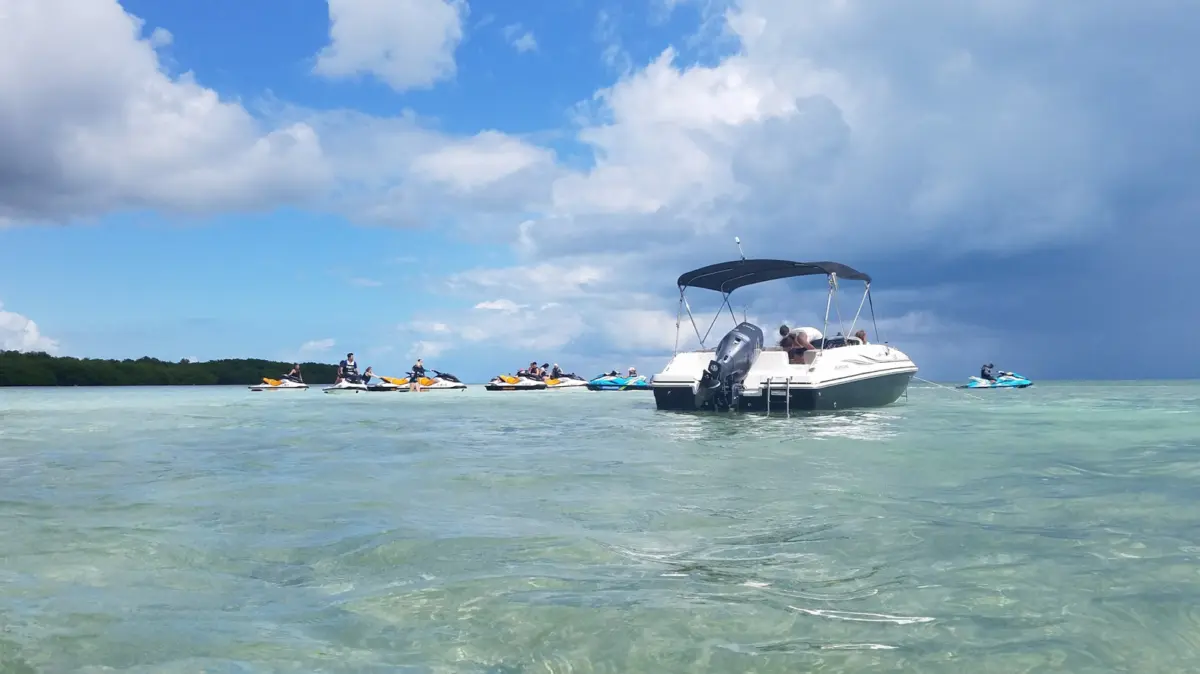
Often overlooked by eager tourists racing toward the Mile Marker 0 sign, Boca Chica Key—whose name translates from Spanish as "small mouth"—offers a striking contrast to its louder, busier neighbor. While Key West boasts international air connectivity, world-class museums like the Ernest Hemingway Home, and a high concentration of luxury resorts, Boca Chica offers a stripped-down, authentic encounter with the raw ecosystems of the Florida Keys. Characterized by wide-open vistas of shimmering turquoise water, thriving mangrove forests, and some of the finest uncrowded fishing grounds in Monroe County, this quiet Lower Key delivers a peaceful reprieve without sacrificing the quintessential coastal beauty that defines the Sunshine State.
This investigative travel feature examines the unique geography, ecological significance, premier angling opportunities, and logistical realities of visiting Boca Chica Key. By balancing the allure of seclusion with the practicalities of modern tourism, this report serves as the definitive guide for travelers looking to experience the Florida Keys at a more deliberate, restorative pace.
Detailed Chronology: From Military Outpost to Secret Haven
To understand Boca Chica Key today, one must trace its unique historical trajectory, which has long kept it separate from the tourist-centric evolution of Key West and Stock Island.
Early Maritime History and Settlement
Long before the construction of Henry Flagler’s legendary Overseas Railroad in the early 20th century, the Lower Florida Keys were the domain of seafaring Indigenous peoples, Spanish explorers, wreckers, and commercial fishermen. The shallow coves, winding tidal creeks, and dense red mangrove mazes of Boca Chica Key provided natural protection and rich marine nurseries. Unlike Key West, which evolved into a booming deep-water port and a strategic naval hub during the 19th century, Boca Chica remained largely wild, used primarily by local fishermen who recognized the area’s rich marine biodiversity.
The Mid-20th Century: The Military Footprint
The defining chapter in Boca Chica’s modern chronology arrived with the onset of World War II and the subsequent Cold War era. Recognizing the strategic geographic positioning of the Lower Keys relative to the Caribbean and the Gulf of Mexico, the United States federal government established the U.S. Naval Air Station Key West (NAS Key West).
A significant portion of Boca Chica Key was integrated into this defense infrastructure. The establishment of military installations fundamentally altered the island’s accessibility. While public thoroughfares like U.S. Route 1 traversed the island’s periphery, vast tracts of interior land and surrounding waters became subject to federal oversight and restricted access. This military presence proved to be a double-edged sword for civilian access: while it restricted commercial development and recreational sprawl, it inadvertently preserved the natural integrity of Boca Chica’s shorelines and surrounding marine habitats, shielding them from the rapid resort development that transformed neighboring keys.
The Modern Era: The Discovery of a Hidden Gem
As tourism in the Florida Keys surged toward the end of the 20th century and into the 2000s, travelers began seeking alternatives to the congested beaches of Key West. The proliferation of digital travel guides and road-trip culture slowly brought Boca Chica Beach into the public consciousness. Today, the island exists in a delicate equilibrium: it remains an active, vital military zone while simultaneously serving as a clandestine sanctuary for anglers, nature photographers, and travelers searching for an authentic, undeveloped slice of the Florida Keys.
Supporting Context & Metrics: Geography, Ecology, and Tourism Economics
To fully appreciate the value proposition of Boca Chica Key, one must examine the quantitative and qualitative data distinguishing it from the broader Florida Keys tourism landscape.
Geographical and Infrastructural Metrics
- Distance from Miami: Approximately 155 miles south via U.S. Route 1 (the Overseas Highway), translating to a scenic drive of under four hours.
- Proximity to Key West International Airport (EYW): Roughly 4 miles, or a 15-minute drive, making the island exceptionally accessible for fly-and-drive visitors.
- Local Topography: Low-lying limestone base overlaid with marl soils, dominated by extensive red, black, and white mangrove ecosystems, expansive seagrass meadows, and shallow-water tidal coves.
Tourism Density and Economic Impact Analysis
While Key West routinely welcomes millions of visitors annually—straining municipal infrastructure, driving up accommodation costs, and packing historical sites—Boca Chica Key operates outside the traditional hospitality economy.
- Commercial Presence: Boca Chica features zero commercial hotels, resorts, or retail plazas within its immediate beach access zones. Visitors will find no neon-lit bars or umbrella-rental kiosks.
- Visitor Footprint: Daily visitor volume to Boca Chica Beach is a fraction of that seen at Smathers Beach or Higgs Beach in Key West. This low traffic volume preserves the pristine condition of the shoreline, minimizing anthropogenic degradation of the local intertidal zones.
Ecological Significance and Marine Biodiversity
The waters surrounding Boca Chica Key are part of a complex marine ecosystem heavily influenced by tidal currents flowing between the Atlantic Ocean and the Gulf of Mexico.
- Fish Populations: The deep-water channels adjacent to local bridges feature strong current flows that attract apex predators and prized gamefish, including Tarpon (Megalops atlanticus), Black Grouper (Mycteroperca bonaci), Great Barracuda (Sphyraena barracuda), and various species of Shark.
- Shallow Nurseries: The extensive seagrass beds and mangrove labyrinths serve as essential nursery grounds for juvenile Mangrove Snapper (Lutjanus griseus), permit, and bonefish, supporting both recreational sportfishing and the broader commercial marine food web of South Florida.
Official Statements and Local Insights
Navigating a destination flanked by active military installations and sensitive marine habitats requires adherence to local guidelines and respect for federal boundaries. Conservationists, local charter captains, and municipal officials offer critical perspectives on balancing public recreation with environmental and national security protocols.
Balancing Recreation and National Security
Local authorities and defense representatives continuously emphasize the importance of situational awareness when visiting Boca Chica Key. Because the island shares real estate with U.S. Naval Air Station Key West, clear boundaries dictate where civilians can legally tread.
"The Lower Florida Keys represent a fragile ecological mosaic juxtaposed with critical national defense infrastructure," notes a regional wildlife management specialist. "Visitors to areas adjacent to military installations like Boca Chica must exercise heightened vigilance. Respecting property lines and restricted zones is not merely a legal obligation to avoid federal fines—it is a vital measure to protect ongoing defense operations and safeguard sensitive coastal habitats from human disturbance."
The Angling Perspective: A Legacy of Sportfishing
For decades, legendary anglers have lauded the waters of the Lower Keys for their unmatched sportfishing potential. Cultural icons such as author Ernest Hemingway and actor Paul Newman found solace and sporting challenge in these very waters. Professional charter captains operating out of nearby Stock Island and Key West echo these sentiments regarding Boca Chica’s unique aquatic topography.
"There is a distinct hydraulic energy to the waters around Boca Chica Key," explains a veteran Key West charter captain with over twenty years of experience navigating the Lower Keys. "When the tide moves through those deep channels near the bridges, the baitfish concentrate, and the gamefish turn on. You can go from targeting aggressive tarpon in the deep current to poling the shallow grass flats for snapper and barracuda within a matter of minutes. It’s some of the most dynamic fishing in Monroe County, largely because the pressure here is significantly lower than what you encounter closer to the downtown Key West docks."
Future Outlook: Preservation vs. Development Pressures
As the popularity of the Florida Keys continues to grow exponentially, destinations like Boca Chica Key face an uncertain future defined by the perpetual tug-of-war between eco-tourism preservation, climate change vulnerabilities, and development pressures.
Environmental Vulnerabilities and Sea-Level Rise
Like the entirety of the Florida archipelago, Boca Chica Key is acutely vulnerable to the impacts of anthropogenic climate change. Rising sea levels, warming ocean temperatures, and increasingly severe tropical weather systems threaten the delicate balance of the island’s mangrove forests and seagrass meadows. Conservation organizations and local municipal planners are actively investing in habitat restoration initiatives designed to bolster the resilience of these natural shorelines, which serve as natural buffers against storm surges.
The Preservation of Seclusion
Unlike other areas of the Florida Keys that have witnessed aggressive commercial expansion, the presence of the U.S. Naval Air Station acts as a formidable bulwark against overdevelopment on Boca Chica Key. Analysts predict that strict federal land-use controls will remain in place for the foreseeable future, ensuring that the island retains its rugged, undeveloped charm.
For travelers, this means Boca Chica will likely endure as a rare sanctuary—a place where one can escape the neon glare of modern commercial tourism, park along the Overseas Highway, and walk down a quiet road to find powdery white sand, sweeping ocean horizons, and the tranquil whisper of the wind through the mangroves.
Practical Guide for Travelers
For those planning an excursion to Boca Chica Key, the following logistical checklist ensures a safe, rewarding, and respectful visit:
- Transportation: Rent a vehicle from Miami International Airport (MIA) or Key West International Airport (EYW). Drive south along the iconic Overseas Highway (U.S. Route 1) until you reach Boca Chica Road, located approximately two miles before the main approaches to Key West.
- Accessing the Beach: Turn down Boca Chica Road and proceed to the designated public parking area. Be prepared for a short walk on foot across unpaved paths to reach the shoreline.
- Amenities and Preparation: Because Boca Chica Beach is entirely undeveloped, no commercial amenities, restrooms, or fresh water stations are available on-site. Visitors must pack in all necessary supplies, including substantial drinking water, sunscreen, bug spray, and waste-disposal bags.
- Fishing Excursions: Anglers wishing to fish from the shore should target bridge abutments and accessible tidal lines. For deeper water access, book a licensed professional guide through reputable charter services based out of nearby Stock Island or Key West.
- Regulatory Compliance: Maintain strict awareness of all signage indicating military property boundaries. Trespassing on federal installation land is strictly prohibited and subject to severe federal penalties. Respect all local fishing regulations, size limits, and catch-and-release protocols set by the Florida Fish and Wildlife Conservation Commission (FWC).