








Executive Overview
When the conversation turns to Iowa, the mind naturally wanders to the endless horizons of cornfields and the rolling pastures of America’s agricultural heartland. Yet, framing the "Hawkeye State" solely through its agrarian output overlooks a rich tapestry of historic municipalities, vibrant micro-economies, and unexpected natural refuges. Situated just over an hour north of Des Moines along the vital corridor of U.S. Route 20, Webster City stands as a prime example of this hidden versatility.
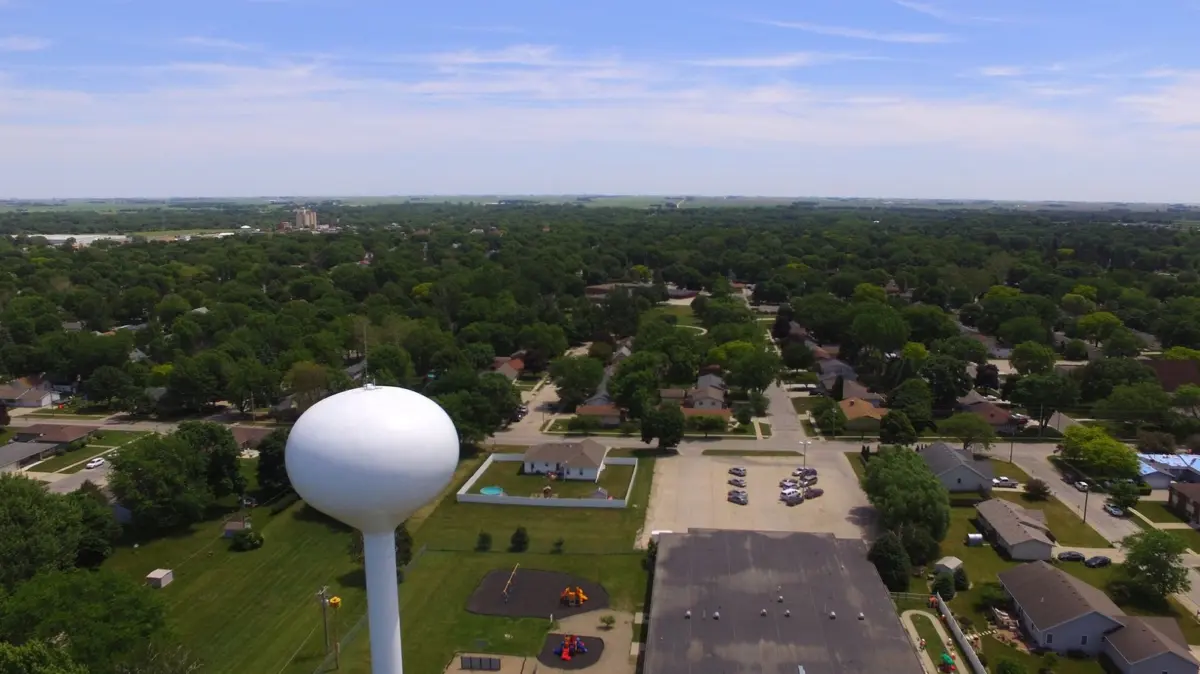
Boasting a population approaching 8,000 residents, Webster City defies the conventional narrative of the sleepy Midwestern farm town. Originally founded in the mid-19th century under the moniker Newcastle before adopting its current designation in 1854, the community has matured into a sophisticated hub of outdoor recreation, historic preservation, and independent commerce. Framed by the winding currents of the Boone River and anchored by more than a dozen meticulously maintained public parks—culminating in the expansive wilderness of Briggs Woods County Park—the town offers a compelling synthesis of rural tranquility and civic engagement.
This comprehensive report examines the socio-economic evolution, recreational infrastructure, and cultural vitality of Webster City. By analyzing its historical roots, municipal investments in green spaces, and the revitalization of its historic downtown corridor, we present a definitive profile of an Iowa community successfully navigating the balance between heritage preservation and modern community development.
Detailed Chronology: From Newcastle Origins to Modern Micropolitan Identity
The story of Webster City is inextricably linked to the mid-19th-century westward expansion of the United States, a period that saw the transformation of Iowa’s fertile river valleys from native hunting grounds and prairie ecosystems into structured settlements.
The Founding Era (1850s–1860s)
The initial settlement on the banks of the Boone River was formally established in the early 1850s and christened Newcastle. Situated strategically within Hamilton County, the nascent village recognized early on the importance of water access, timber resources, and overland trade routes. In 1854, the community underwent a pivotal administrative rebranding, officially adopting the name Webster City in honor of the prominent American statesman Daniel Webster.
During this foundational decade, the town’s layout was platted to emphasize a central commercial district—a classic Midwestern grid system anchored by county governance and trade accessibility. Early pioneers capitalized on the dense hardwood forests flanking the Boone River to construct homes and commercial edifices, many of which utilized locally manufactured red brick. These structural foundations laid the groundwork for the enduring architectural identity that still defines downtown Second Street today.
The Industrial and Railway Boom (Late 19th–Early 20th Centuries)
As the post-Civil War era ushered in the age of the railroad, Webster City’s economic trajectory shifted upward. The arrival of rail lines connected the Hamilton County seat directly to major metropolitan markets in Chicago and Minneapolis, transforming the town into a bustling agricultural collection and distribution center.

The late 19th and early 20th centuries witnessed a surge in civic construction. Multi-story brick storefronts, fraternal lodge halls, and community gathering spaces were erected in rapid succession. This era of prosperity also sparked early preservation and park-planning initiatives. Civic leaders recognized that sustainable urban growth required the deliberate setting aside of green spaces for public health and recreation, planting the seeds for what would eventually evolve into the city’s robust network of more than a dozen parks.
The Mid-Century Transition and Economic Resilience (1950s–1990s)
Like many Midwestern micropolitan centers, the latter half of the 20th century presented economic hurdles for Webster City, driven by mechanization in agriculture, suburban flight, and shifting retail paradigms. However, unlike communities that succumbed to severe economic stagnation, Webster City leveraged its geographic advantage along the U.S. Route 20 corridor.
Local leadership invested heavily in municipal infrastructure, light manufacturing diversification, and downtown revitalization programs. The historic character of the central business district was intentionally safeguarded rather than demolished, a foresight that has paid significant dividends in the 21st century as cultural heritage tourism and shop-local movements gained national traction.
The Contemporary Renaissance (2000s–Present)
Today, Webster City represents a resilient micropolitan model. The community has successfully integrated contemporary outdoor recreation infrastructure—such as the paved Boone River Trail and advanced disc golf courses—with its historical assets. The municipality balances small-town hospitality with progressive amenities, establishing itself as a destination of choice for travelers seeking authentic Midwestern experiences, remote-work relocation options, and accessible ecotourism.
Supporting Context & Metrics
To fully appreciate Webster City’s unique position within Iowa’s geographic and economic landscape, it is necessary to examine the quantitative metrics and spatial dynamics that define the municipality.
Geographic and Demographic Profile
- Population: Approximately 7,800 residents, maintaining a stable demographic base that combines multi-generational local families with new arrivals seeking affordable housing and a high quality of life.
- County Seat: Serves as the governmental and commercial heart of Hamilton County, Iowa.
- Transportation Access: Bisected by U.S. Route 20, providing seamless east-west transit across the state, and located just over 60 miles north of Des Moines via Interstate 35 and connecting state highways.
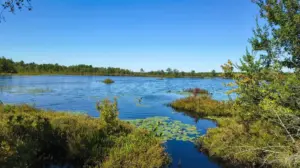
- Hydrography: Dominated by the Boone River watershed, featuring extensive riparian corridors, wetlands, and the 59-acre lake at Briggs Woods County Park.
Recreational Infrastructure Metrics
Webster City punches well above its weight class in terms of dedicated public green space and recreational amenities:
- Parks and Recreation Areas: Over a dozen distinct municipal and county parks.
- Trail Systems: Highlighted by the 6-mile paved Boone River Trail, which connects urban parks directly to deep-forest environments.
- Briggs Woods County Park: Spans hundreds of acres of timberland, offering a 59-acre recreational lake, 82 modern and primitive campsites, multi-use hiking and equestrian trails, and dual waterfalls.
Economic and Commercial Metrics
- Downtown Commercial Density: Centered around Second Street, featuring a high concentration of locally owned small businesses, antique shops, boutique retail spaces, and diverse dining establishments ranging from specialty coffee roasters to authentic international eateries.
- Community Engagement: Regular seasonal events, notably the Thursday night Market Nights running from June through August, drawing regional vendors and tourists, thereby stimulating the local hospitality economy.
Official Statements & Community Perspectives
Municipal leaders, park administrators, and local business owners emphasize that Webster City’s ongoing success is rooted in intentional community stewardship and a refusal to compromise its historic charm for generic commercial development.
On Urban-Rural Integration and Parks Development:
Local park district representatives note that the integration of natural waterways into urban planning has been a top priority for decades. "When you look at cities across the Midwest, the ones that thrive are those that honor their natural topography," notes a municipal parks official. "By connecting East Twin Park in the heart of downtown all the way down to the deep timber trails of Briggs Woods via the Boone River Trail, we’ve created a contiguous recreational highway that appeals to everyone from casual walkers to serious endurance cyclists."
On Commercial Revitalization and Small Business Resilience:
Downtown merchants frequently highlight the synergistic effect of historic preservation and modern entrepreneurial energy. The director of a local business association explains: "We didn’t try to turn Webster City into a replica of a big-city suburb. We doubled down on what makes us unique—our 19th-century architecture, our walkability, and our personal customer service. Whether someone is stopping in for a specialty latte at Mornin’ Glory Coffee, picking out rare records at Jb’s Antiques & Variety Place, or grabbing a slice at Leon’s Pizza, they are experiencing genuine community pride."
On Tourism and Ecotourism Potential:
State tourism advocates point to Webster City as an ideal model for "slow travel" in Iowa. Rather than functioning merely as a drive-by municipality along U.S. Route 20, the town actively entices motorists to exit the highway, park their vehicles, and immerse themselves in a weekend itinerary that balances outdoor adventure with cultural exploration.
Future Outlook
As Webster City looks toward the coming decades, municipal planning and community development initiatives are focused on sustainable growth, infrastructure modernization, and the expansion of eco-tourism opportunities.
Infrastructure and Trail Expansion
Future municipal capital improvement plans prioritize the continuous maintenance and potential expansion of the Boone River Trail network. Enhancing connectivity between residential neighborhoods, commercial zones, and the county conservation areas remains a central goal for city planners. Furthermore, investments in digital infrastructure aim to attract remote professionals who desire high-speed internet access coupled with the scenic tranquility of riverfront living and forested parks.
Environmental Conservation and Lake Management
With Briggs Woods County Park serving as the crown jewel of local ecotourism, ongoing environmental stewardship is paramount. Hamilton County conservation boards are actively engaged in watershed management, lake health preservation, and sustainable forestry practices to ensure that the natural habitats surrounding the 59-acre lake remain pristine for future generations of campers, anglers, and hikers.
Economic Diversification and Cultural Tourism
The revitalization of downtown Webster City is projected to continue its upward trajectory, supported by active municipal facade-improvement grants and strong community-driven marketing campaigns. By fostering an environment where independent restaurants, boutique retailers, and historic cultural anchors like the Webster Theatre can thrive side-by-side, Webster City is securing its status as a resilient, forward-looking micropolitan community.
In summary, while Iowa will always be globally recognized for its agricultural heritage, destinations like Webster City prove that the state’s narrative is far more complex, dynamic, and deeply rooted in natural beauty and community resilience than meets the eye.