










Executive Overview
For generations, the conversation surrounding America’s premier culinary capitals has been dominated by a predictable duopoly. New York City—with its iconic slice culture, late-night bodegas, and historic Jewish delis—has long claimed the mantle of the nation’s undisputed dining mecca. Meanwhile, Chicago has fiercely defended its turf through deep-dish pizza empires, legendary hot dog stands, and a modern fine-dining renaissance. For travelers seeking gastronomic greatness, these two metropolises were long considered the default answers.
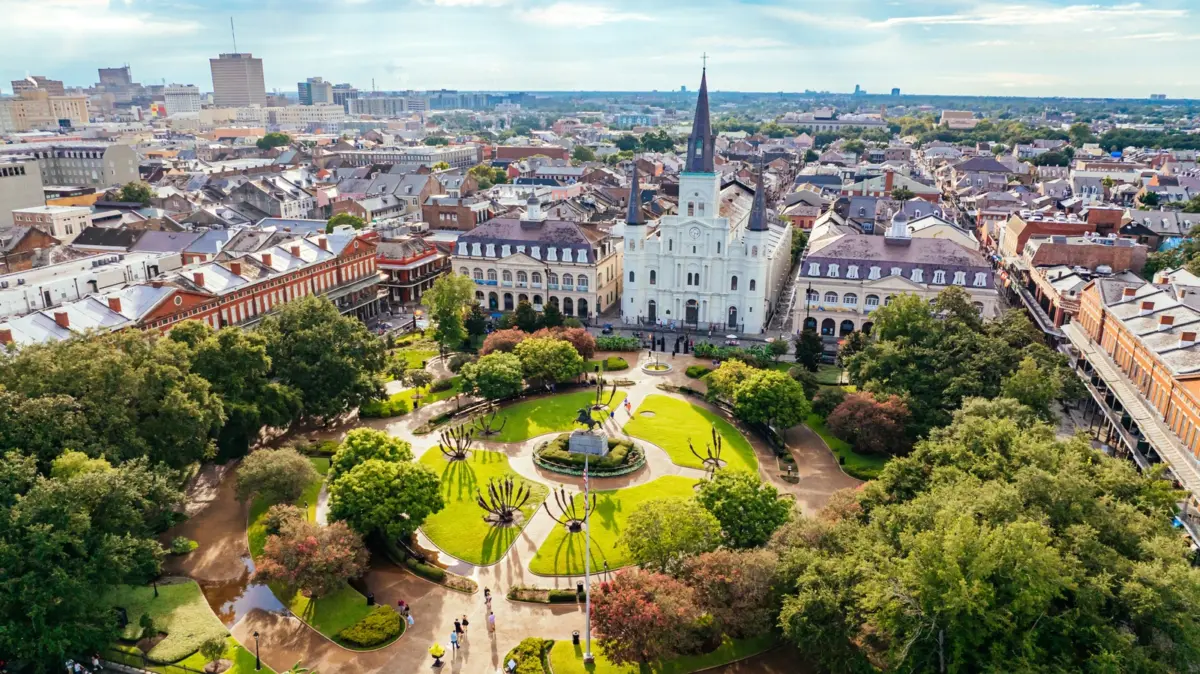
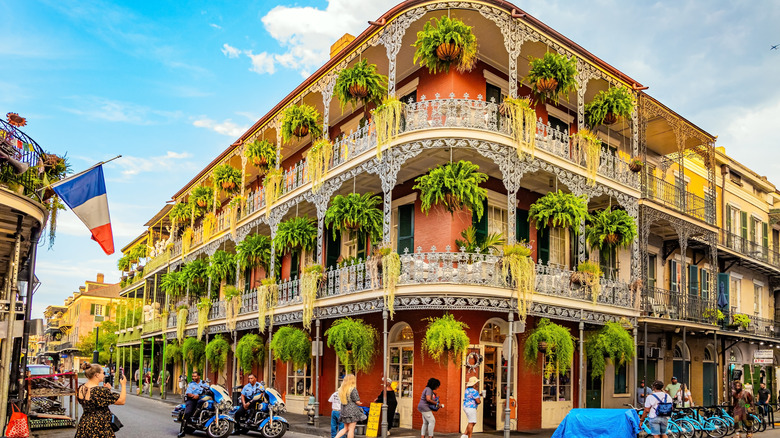
However, a paradigm shift is underway. According to a comprehensive, data-driven ranking compiled jointly by Yelp and Lyft, the crown for America’s top food destination has decisively shifted southward. The winner is not a sprawling coastal megalopolis or an industrial Midwestern hub, but rather New Orleans, Louisiana.
This designation is not the result of subjective editorial panels or old-school restaurant critics reviewing elite establishments in isolation. Instead, the Yelp-Lyft index evaluated the pulse of real-time American dining habits. By synthesizing hard digital metrics—such as platform search volume, photo engagement rates, and user "saves"—with verified Lyft drop-off coordinates, the study mapped precisely where diners were traveling to eat. The Crescent City emerged victorious because locals and visitors alike actively crossed neighborhood boundaries to immerse themselves in a singular, culturally rich culinary ecosystem. Following New Orleans on the podium were Charleston, South Carolina, and San Diego, California.
This recognition arrives alongside a cascade of global accolades. Time Out crowned New Orleans the world’s best food city, while U.S. News & World Report placed the Louisiana hub at the very top of its 2026 ranking of the nation’s best foodie destinations. For anyone who measures their travels by the quality of what lands on their plate, New Orleans has transformed from a regional favorite into the undisputed epicurean capital of the United States.
Detailed Chronology: The Evolution of NOLA’s Culinary Dominance
To understand how New Orleans captured the national palate, one must look at how its food culture has evolved from a localized tradition into a globally revered institution.
The Foundations: Centuries of Convergence
The roots of New Orleans cuisine run deeper than almost any other city in the United States. Centuries ago, a volatile, fertile delta became the meeting ground for French, Spanish, African, Caribbean, Native American, and Acadian (Cajun) cultures.
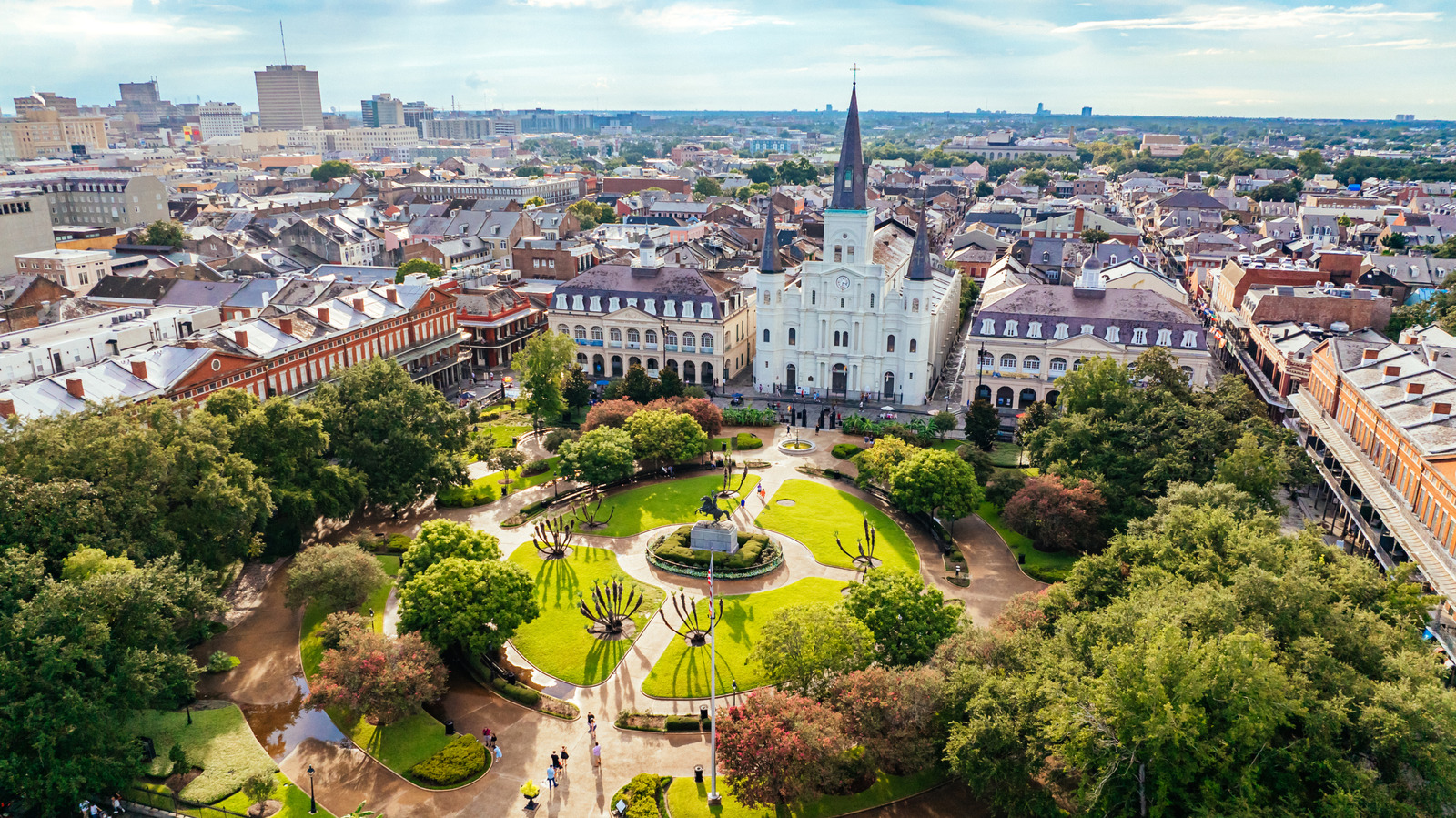
Unlike cities where immigrant communities built distinct, segregated culinary enclaves, New Orleans saw its culinary traditions continuously cross-pollinate. The French preoccupation with sauces merged with Spanish spice profiles, West African okra and rice techniques, and Caribbean seasoning styles. The result was a dual foundation of Creole cuisine—urban, refined, and heavily influenced by European techniques—and Cajun cuisine, the robust, rustic, and resilient cooking of the swamp and bayou.

The Rise of the Modern Gastronomic Hub (Late 20th to Early 21st Century)
For decades, New Orleans was primarily known for comfort foods and heritage dishes: gumbo, jambalaya, po’boys, and crawfish étouffée. While these dishes drew tourists by the millions, critics often pigeonholed the city as a culinary museum stuck in time—brilliant at preserving the past, but slow to innovate.
That narrative began to shift dramatically at the turn of the 21st century. Following the trials of Hurricane Katrina in 2005, a wave of resilient young chefs, visionary restaurateurs, and passionate immigrants returned to the city or newly arrived, injecting fresh energy into the culinary scene. They respected the sacred traditions of the past while applying modern techniques, global influences, and farm-to-table philosophies.
Institutions like Commander’s Palace continued to train generations of culinary masterminds (including Paul Prudhomme and Emeril Lagasse), while pioneering spots like Cochon and Turkey and the Wolf proved that New Orleans could reinvent traditional Southern cooking with a playful, contemporary edge. Today, the city boasts everything from historic, white-tablecloth Creole temples to Michelin-recognized tasting menus, proving that its food scene is as dynamic as it is historic.
Supporting Context & Metrics: The Data Behind the Crown
What separates the Yelp-Lyft ranking from traditional "best of" lists is its reliance on hard behavioral data rather than mere opinion. By tracking millions of digital interactions and physical rideshare trips, the report captured the actual motivations and movements of modern travelers.
Real-Time Digital Footprints
The joint Yelp and Lyft metrics revealed telling insights about what diners are actively seeking out:
- The Breakfast Obsession: Across every major metropolitan area featured in the report, breakfast and brunch ranked as the undisputed nationwide favorite in terms of search frequency.
- The Seafood Surge: In New Orleans, however, seafood claimed the second-highest volume of Yelp searches. This is a testament to the city’s deep coastal roots. While landlocked cities search for imported catches, NOLA diners actively seek out fresh Gulf shrimp, blue crabs, oysters, and crawfish harvested mere hours away from the kitchen door.
- Mobility as a Metric: The inclusion of Lyft drop-off data was crucial. It proved that visitors to New Orleans do not simply eat at their hotel restaurants or stay within a single tourist bubble. Instead, they traverse the city—taking rides from the French Quarter out to the Garden District, Mid-City, and Bywater—solely to experience specific neighborhood eateries.
National Standings vs. Traditional Giants
For decades, New York and Chicago held a vice-grip on culinary tourism rankings due to their sheer volume of dining establishments and international diversity. However, the 2026 data indicates a consumer shift toward authenticity, hyper-local identity, and soulful storytelling.
New Orleans offers an immersive sensory experience that heavily engineered, high-density dining scenes struggle to replicate. In NOLA, food is inextricably linked to music, architecture, history, and a pervasive joie de vivre. When travelers spend their hard-earned money on transportation to reach a specific destination, they are increasingly voting for cities that offer an irreplaceable cultural identity—a box that New Orleans checks effortlessly.
Official Statements and Industry Insights
Food industry leaders, tourism boards, and culinary historians have weighed in heavily on the city’s meteoric rise to the top of the American food scene.
Industry analysts point out that New Orleans has mastered the rare art of culinary duality. On one hand, it is home to multi-generational institutions that preserve culinary history down to the exact measurement of a roux. On the other hand, it attracts adventurous young chefs who are unafraid to push boundaries.
"You can walk out of a gas station that serves some of the best fried chicken in the American South, stroll three blocks, and secure a reservation at a cutting-edge restaurant utilizing molecular gastronomy," notes one prominent regional food historian. "That range is unmatched anywhere else in the world. New Orleans doesn’t have an identity crisis; its identity is so strong that it absorbs every new influence and turns it into something uniquely its own."
Tourism officials emphasize that the city’s food culture is its strongest economic engine. Visitors do not simply come to New Orleans to sightsee; they come to eat, drink, and participate in a continuous, multi-day celebration of flavor. The Yelp-Lyft ranking serves as statistical validation of what locals have known all along: NOLA is the beating heart of American gastronomy.
Future Outlook: What’s Next for the Crescent City’s Culinary Scene?
As New Orleans settles into its role as America’s premier foodie destination for 2026 and beyond, the trajectory of the city’s culinary landscape points toward continued innovation anchored in deep-seated tradition.
Sustainability and the Gulf Ecosystem
The future of New Orleans cuisine is intimately tied to the preservation of its surrounding ecosystems. Chefs, fishermen, and environmental activists are working closer than ever to protect the fragile Louisiana coastline and marshlands. Ensuring the health of the Gulf of America is paramount to safeguarding the seafood supply that forms the bedrock of Creole and Cajun cooking. Diners in the coming years can expect an even stronger emphasis on hyper-local sourcing, sustainable seafood practices, and indigenous ingredients.
Global Expansion of NOLA Flavors
While travelers will always flock to Louisiana to experience the real deal, the global appetite for New Orleans flavors is expanding. Chefs who cut their teeth in New Orleans kitchens are exporting concepts—ranging from upscale Creole bistros to casual po’boy and oyster bars—to international markets. Yet, despite these global ripples, the mother ship remains peerless.
A Challenge to Travelers
For the culinary traveler, the message is clear: it is time to look beyond the predictable coasts and industrial Midwest. A 24-hour food itinerary in New Orleans—stretching from morning beignets at Café du Monde to midday collard green melts at Turkey and the Wolf, afternoon charbroiled oysters at Drago’s, and an evening of refined Creole masterpieces at Antoine’s or Commander’s Palace—offers an educational masterclass in flavor, history, and soul.
New York City and Chicago will always hold their storied places in culinary history. But for 2026, the crown belongs firmly to the Crescent City.