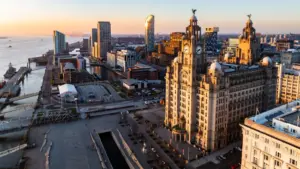
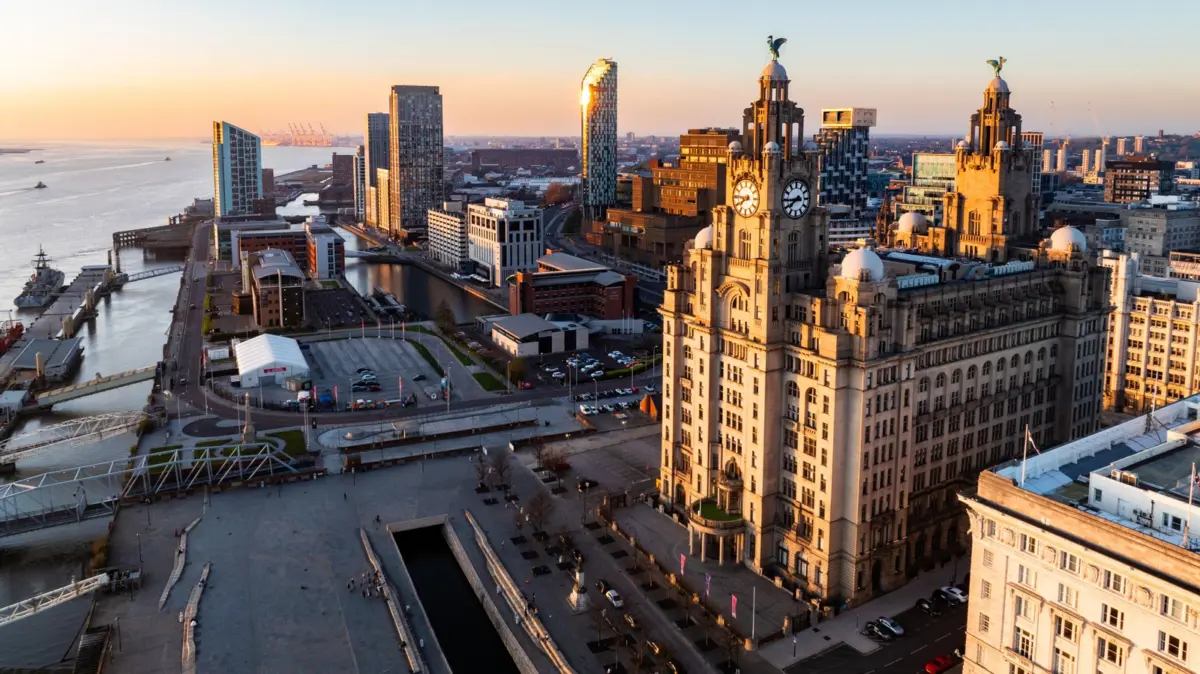
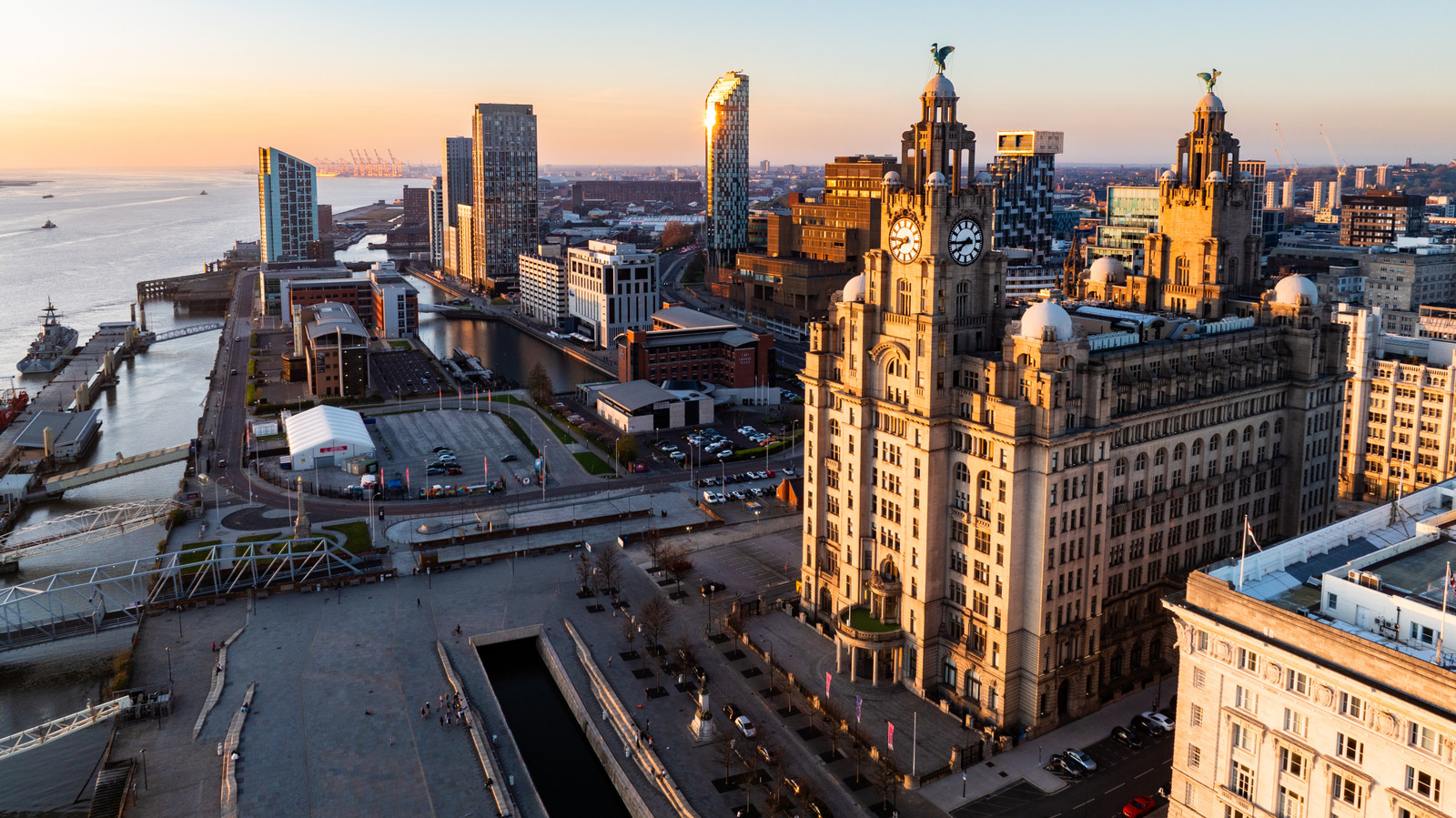
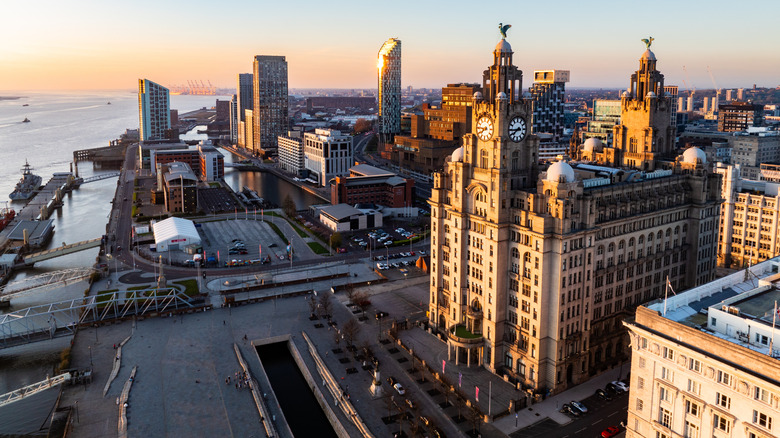
Liverpool is a city defined by contradictions: it is a post-industrial maritime hub with a fierce, independent working-class identity, yet it is also a globally recognized UNESCO City of Music, a powerhouse of higher education, and one of the UK’s premier tourist destinations outside of London. Home to over half a million residents within the city proper and more than two million in the wider metropolitan area, Liverpool offers a vibrant cultural alternative to the congested capital. From the soaring neo-Gothic heights of the Anglican Cathedral to the bustling maritime heritage of the Royal Albert Dock, the city beckons travelers with world-class architecture, rich musical history, and legendary warmth.
However, beneath the welcoming veneer and the famous melodic cadence of the "Scouse" accent lies a deeply protective community with a distinct set of cultural norms, historical grievances, and unwritten rules. To the uninitiated traveler, failing to grasp these social codes can range from committing a minor faux pas to causing deep, unintended offense. This comprehensive guide synthesizes local lore, sociological insights, regional media reports, and community consensus to outline what every visitor must know before stepping foot on Merseyside. Whether you are navigating the historic railway infrastructure, ordering a pint in a packed city-center pub, or exploring the outer green spaces, understanding Liverpool’s unwritten rules ensures a respectful, immersive, and truly unforgettable stay.
Detailed Chronology and Historical Context
To truly understand modern Liverpool and the sensitivity of its social codes, one must examine the historical forces that shaped the region over the centuries. Situated on the eastern side of the Mersey Estuary on England’s northwest coast, Liverpool evolved from a small medieval borough into one of the most significant port cities in the British Empire.
The Maritime Rise (18th–19th Centuries): Liverpool’s docklands were the engine of its early economy, driving international shipping, railway innovation, and immense regional wealth. However, this prosperity was inextricably linked to the darker legacy of the transatlantic slave trade—a history commemorated and critically examined today at institutions like the International Slavery Museum.
The Railway Pioneer (1830): The city’s infrastructural dominance was cemented with the opening of the Liverpool and Manchester Railway in 1830, marking the world’s first inter-city railway to operate a scheduled steam-powered service for both goods and passengers.
The 1980s and "Managed Decline": Politically and economically, the late 20th century dealt severe blows to the city. During the 1980s, Liverpool suffered high unemployment and industrial decay, compounded by political friction with the central government. Most notoriously, internal government papers later revealed that then-Prime Minister Margaret Thatcher was advised to consider a policy of "managed decline" for the city—a betrayal that solidified the region’s enduring underdog mentality and deep skepticism toward institutional authorities.
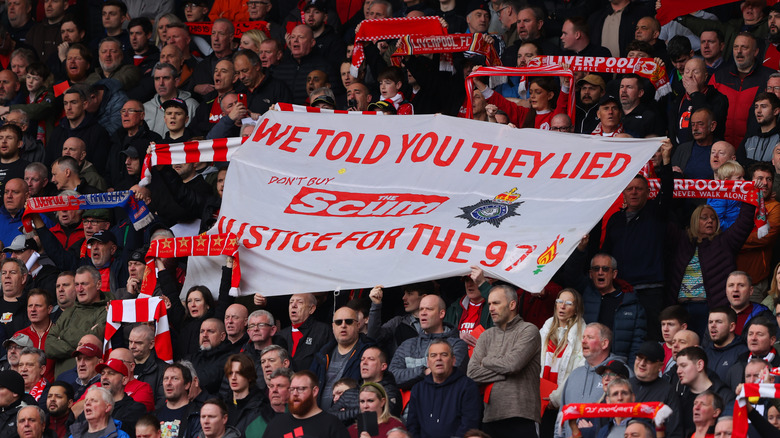
The Hillsborough Tragedy (1989): The single most defining trauma in modern Liverpool history occurred on April 15, 1989, during the FA Cup semi-final between Liverpool and Nottingham Forest at Sheffield’s Hillsborough Stadium. Ninety-seven football fans lost their lives due to catastrophic police crowd-management failures. The subsequent smear campaign by external media outlets, particularly The Sun newspaper, fundamentally fractured the relationship between the city and national tabloid media—a wound that remains fresh and culturally binding today.
Supporting Context and Metrics
Navigating Liverpool requires a practical understanding of its geography, transportation network, and social infrastructure. The city’s layout is pedestrian-friendly at its core, but its transit systems serve distinct purposes that catch many visitors off guard.
1. Transport Infrastructure: Central vs. Lime Street
Liverpool possesses a remarkably well-connected rail network, anchored by four main city-center stations. However, confusing them can derail an itinerary:
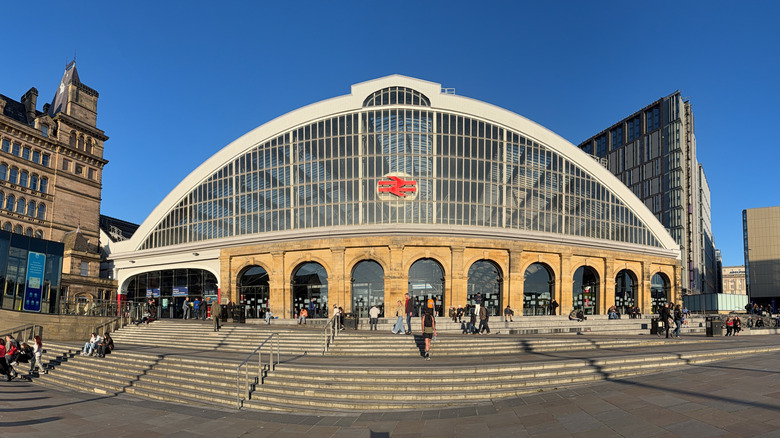
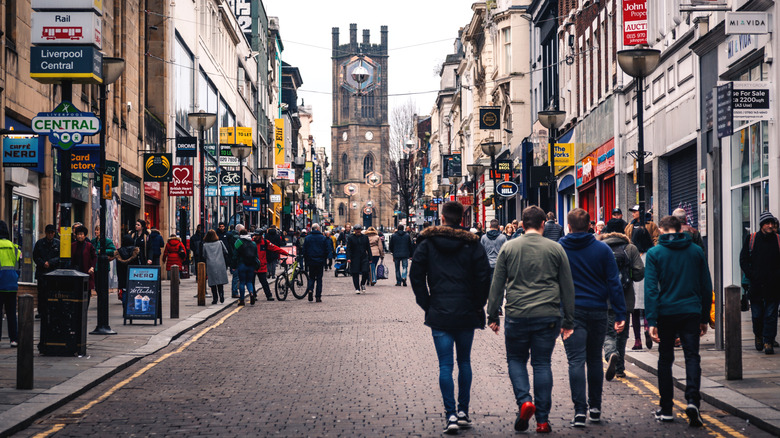
Liverpool Lime Street Station: This is the city’s primary mainline hub, handling national rail services—including the vital, direct trunk route to and from London Euston (which typically takes between two to three hours). International tourists and long-distance travelers will almost exclusively pass through Lime Street.
Liverpool Central, James Street, and Moorfields: Liverpool Central is primarily a high-frequency Merseyrail commuter hub serving the Wirral and regional towns such as Chester, Southport, Ormskirk, and New Brighton. Confusing Central for Lime Street means missing national connections.
2. Demographic and Economic Landscape
According to data from Liverpool John Moores University and regional economic boards, Liverpool’s student population exceeds 70,000 across its major higher education institutions, injecting youthful dynamism into the local economy. Tourism contributes billions annually to the city region, driven by Beatles heritage sites, premier league football tourism, and major cultural events like the Grand National at Aintree Racecourse—where Ladies’ Day alone attracts tens of thousands of fashion-forward visitors and generates massive local retail revenue.
Official Statements and Local Insights
The unwritten rules of Liverpool are not found in official guidebooks; they are passed down through community consensus, local journalism, and modern digital forums.
No social rule in Liverpool is more absolute or universally enforced than the total rejection of The Sun newspaper. Following its infamous 1989 front-page coverage headlined "THE TRUTH"—which falsely claimed Liverpool fans picked pockets and attacked emergency crews during the Hillsborough disaster—the city initiated an ongoing, generational boycott.
“Don’t buy the S*n. It can’t be stressed enough. Anything else can be gotten ’round, but not this. This is the only real written-in-stone rule.” — Local resident via Reddit (r/Liverpool)
Prominent cultural figures, musicians like Billy Bragg (author of "Scousers Don’t Buy The Sun"), and everyday citizens treat the purchase, sale, or distribution of the paper as an unforgivable offense against the community’s collective memory.
The Nuances of the Scouse Accent and Identity
The local dialect—known as Scouse, or Merseyside English—is famous for its distinct sing-song intonation, unique vowel shifts, and specific vocabulary (such as calling a drink a "bevvy" or being lucky as "jammy"). While friendly banter is common, mimicking or mocking the accent is viewed unfavorably.
“Don’t take the [expletive] out of the accent. I know it’s tempting… but when outsiders do it more than once, it starts to feel a bit mean, like you’re talking down.” — Community consensus contributor
Sociolinguists, such as Dr. Paul Cooper from the University of Liverpool, note that local identity is tightly bound to linguistic markers, defensive humor, and shared cultural resistance against external stereotyping.
Future Outlook: Liverpool in the 21st Century
As Liverpool looks toward the future, it continues to balance its historic identity with rapid urban regeneration. Major infrastructural investments along the Liverpool Waters docklands, ongoing cultural preservation projects, and a thriving hospitality sector ensure that the city remains a dynamic destination on the European stage.
However, gentrification and an influx of transient university students mean that traditional Scouse customs occasionally clash with modern urban habits. Maintaining the delicate balance between welcoming global tourism and preserving local heritage requires mutual respect. Visitors who embrace the city’s warmth, respect its solemn historical boundaries, participate in its vibrant social traditions, and venture beyond the immediate city center into neighborhoods like Sefton Park or Hoylake will discover a city unlike any other in the United Kingdom—one defined not just by its past, but by an unyielding, humorous, and fiercely proud community spirit.