





Executive Overview
A new era of American passenger rail has officially dawned in the Pacific Northwest. In a landmark deployment that signals the beginning of a nationwide transformation in public transportation, Amtrak has formally introduced its state-of-the-art Airo trainsets into active revenue service on the popular Amtrak Cascades route. Effective immediately, the first two cutting-edge trainsets are welcoming passengers on board, initiating a four-daily-trip schedule that connects major economic and cultural hubs across Vancouver, British Columbia; Seattle, Washington; Portland, Oregon; and Eugene, Oregon.
This rollout is far more than a routine fleet upgrade. It represents the very first commercial deployment of Amtrak’s long-anticipated Airo fleet anywhere in the United States, positioning the Pacific Northwest at the bleeding edge of modern rail technology, sustainable transit, and passenger-centric design. As these initial trainsets integrate into the regional network, they establish a high-water mark for what contemporary rail travel can—and should—look like in the 21st century.
Manufactured domestically by Siemens Mobility, the Airo trainsets are the physical manifestation of a once-in-a-generation federal and corporate investment in passenger rail infrastructure. Built to satisfy the rigorous demands of modern travelers, the trains combine striking, region-specific aesthetics with cutting-edge environmental performance, enhanced safety features, and a reimagined interior architecture designed to maximize comfort and productivity.
As Amtrak phases in additional Airo trainsets over the coming months and years, the older legacy equipment currently serving the corridor will be permanently retired. This comprehensive transition is designed to elevate service reliability, increase passenger capacity, and dramatically reduce environmental footprints across the entire Pacific Northwest corridor. For commuters, business travelers, and tourists alike, the arrival of the Airo fleet marks the tangible beginning of a modernized, interconnected, and sustainable transportation future.
Detailed Chronology: From Concept to Commercial Launch
The journey toward the launch of the Amtrak Airo fleet on the Cascades route is a masterclass in complex, multi-year infrastructural and industrial planning. To understand the significance of this deployment, it is necessary to trace the developmental timeline that transformed a visionary blueprint into a rolling reality on the tracks of the Pacific Northwest.
The Genesis of the Airo Vision
Years before the first passenger stepped onto an Airo carriage, Amtrak recognized that its aging fleet of intercity equipment was approaching the end of its operational lifecycle. The regional corridors, particularly the Pacific Northwest’s Amtrak Cascades route—which traverses dramatic topography from the Canadian border down through the lush valleys of Oregon—required a specialized vehicle class. The trains needed to be capable of handling diverse weather conditions, heavy passenger volumes, and tight schedules while offering a distinctly regional identity.
In response to these challenges, Amtrak initiated a comprehensive fleet modernization strategy. The overarching goal was to replace diverse, aging equipment with a standardized, highly efficient, and environmentally sustainable platform. In partnership with Siemens Mobility, Amtrak conceptualized a train family that would not only serve the Pacific Northwest but also form the backbone of regional corridors across the United States.
Manufacturing and Supply Chain Mobilization
The construction of the Airo trainsets represents a monumental triumph of American manufacturing and inter-state industrial cooperation. Siemens Mobility secured the contract to build the new fleet, anchoring production at its state-of-the-art manufacturing facility in Sacramento, California. However, the economic footprint of the Airo project extends far beyond the factory floor in California.
Throughout the manufacturing phase, Siemens coordinated a vast and intricate supply chain encompassing nearly 100 individual suppliers spread across 31 U.S. states. From specialized metal fabrication and advanced window manufacturing to sophisticated electrical components, interior upholstery, and digital diagnostic systems, the Airo trainsets became a nationwide collaborative effort. This localized manufacturing approach not only ensured rigorous quality control but also supported thousands of American jobs and fostered vital technological expertise within the domestic rail sector.
Rigorous Testing and Quality Assurance
Before a single paying customer could board an Airo trainset on the Cascades route, the equipment had to undergo an exhaustive battery of tests designed to push the hardware and software to their absolute limits.
Beginning months prior to the public launch, prototype and production trainsets were subjected to grueling static and dynamic testing regimes. These evaluations took place on dedicated test tracks, such as the Transportation Technology Center in Pueblo, Colorado, as well as directly on the active rail corridors where the trains would ultimately operate. Engineers monitored structural integrity, braking performance under various weather conditions, aerodynamic stability, pantograph-to-catenary electrical interaction, and interior noise levels.
Concurrently, Amtrak and Siemens engineers conducted extensive integration tests with regional host railways, including the Canadian National (CN) railway and other infrastructure partners, to ensure seamless signaling, communications, and operational safety. This meticulous testing phase ensured that when the trains finally opened to the public, they met the highest possible standards of safety, reliability, and passenger comfort.
The Launch Day Milestone
The culmination of this extensive lifecycle of planning, design, and testing arrived with the official inauguration of commercial service on the Amtrak Cascades route. Deploying the first two cutting-edge trainsets directly into the active schedule marked a historic milestone: the nationwide debut of the Airo platform. Operating four daily trips spanning international and state borders, the new trains immediately began reshaping the daily commute and travel routines of thousands of passengers, setting the stage for a phased rollout that will eventually encompass the entire Cascades route and other corridors nationwide.
Supporting Context & Metrics: Engineering the Future of Rail
The introduction of the Amtrak Airo trainsets is underpinned by an impressive array of technical specifications, environmental metrics, and design philosophies. Every square foot of the new equipment has been engineered to optimize operational efficiency while dramatically enhancing the passenger experience.
Aesthetic and Ergonomic Design
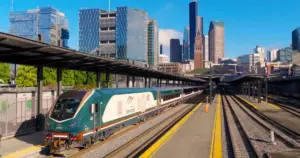
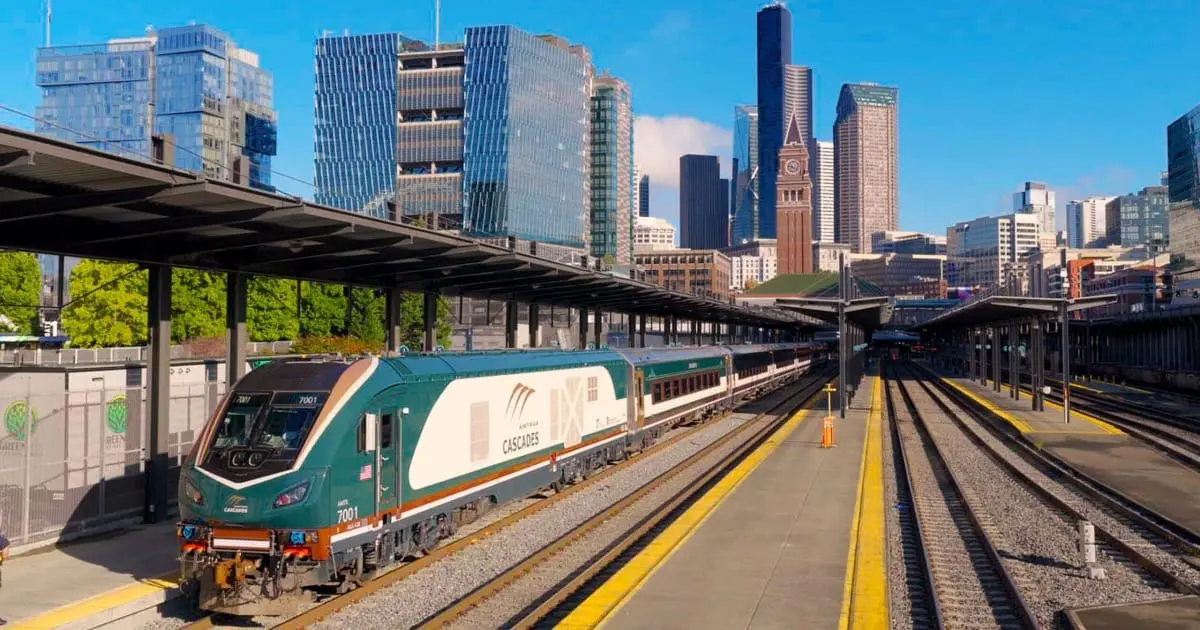
The visual identity of the Amtrak Cascades Airo fleet has been meticulously tailored to reflect the natural splendor of the region it serves. The exterior of the trainsets features a signature color palette consisting of evergreen, cream, and mocha—hues deliberately chosen to evoke the towering pine forests, cascading waterfalls, and earthy tones of the Cascade mountain range.
Stepping inside the carriages reveals an interior architecture focused entirely on ergonomic excellence and passenger well-being. Each Airo trainset accommodates more than 300 passengers, offering a spacious environment that avoids the cramped feeling often associated with modern mass transit. Key interior and comfort features include:
- Reimagined Seating: Ergonomically designed seats featuring ample legroom, adjustable headrests, and durable, high-quality upholstery.
- Enhanced Connectivity: State-of-the-art onboard Wi-Fi systems capable of handling high-bandwidth demands, ensuring passengers can work, stream, and communicate seamlessly throughout their journey.
- Power and Charging Access: Dedicated power outlets and USB ports at every single seat, eliminating "low battery anxiety" for modern travelers.
- Generous Luggage Capacity: Overhead luggage racks designed for easy loading, supplemented by dedicated floor-level storage bays for larger bags and bulky items.
- Universal Accessibility: Fully compliant ADA accessibility features, including spacious, accessible restrooms, wide aisles, and designated mobility device seating areas that ensure barrier-free travel for all passengers.
Environmental Stewardship and Sustainability
In an era defined by the urgent need to combat climate change, rail travel stands out as one of the most environmentally responsible modes of transportation. The Airo trainsets elevate this environmental advantage to unprecedented heights.
The new fleet incorporates advanced propulsion and energy-management technologies that significantly reduce carbon emissions compared to legacy equipment. The trainsets are designed to meet stringent Tier 4 emissions standards where operating on diesel power, drastically cutting particulate matter and nitrogen oxide emissions. Furthermore, many of the routes utilizing or transitioning to the Airo platform benefit from electrified infrastructure, allowing the trainsets to operate with zero direct emissions.
Energy efficiency is woven into every aspect of the train’s design. Regenerative braking systems capture energy typically lost during deceleration and feed it back into the train’s electrical grid, while advanced LED lighting, smart climate control systems, and lightweight aluminum body construction minimize overall energy consumption per passenger-mile.
Fleet Allocation and Regional Scope
To fully understand the scale of this deployment, it is necessary to examine the procurement metrics governing the rollout. Amtrak has initially ordered eight dedicated Airo trainsets specifically configured for the Amtrak Cascades corridor, alongside two new locomotives and a specialized spare cab car to ensure maximum operational redundancy and fleet resilience.
This initial regional deployment serves as the pilot phase for a much larger, nationwide modernization effort. Amtrak has placed a massive overarching order with Siemens Mobility for dozens of Airo trainsets to replace aging equipment across multiple state-supported and national network routes, including the Northeast Regional, Empire Service, Downeaster, Keystone Service, and others. The lessons learned and successes achieved during the Cascades rollout will directly inform and streamline the subsequent deployment of Airo fleets across the entire American rail network.
Official Statements: Perspectives from Leadership
The successful launch of the Amtrak Airo fleet has drawn enthusiastic praise from executive leadership across both Amtrak and its manufacturing partner, Siemens Mobility. These statements underscore the collaborative spirit, strategic vision, and deep commitment to modernization driving the project forward.
Byl Herrmann, Amtrak Interim President, captured the historic nature of the rollout during the inaugural launch ceremonies in the Pacific Northwest:
"The arrival of the new Airo fleet marks an exciting moment for the Amtrak Cascades and passenger rail in the Pacific Northwest. After extensive planning, design, manufacturing, and testing, we’re excited to welcome customers aboard. This is an important milestone not only for Amtrak Cascades customers, but for Amtrak’s broader effort to modernize and expand passenger rail across the country."
Mr. Herrmann’s remarks emphasize that while the immediate beneficiaries are the travelers traversing the Seattle-Portland-Vancouver corridor, the broader implications touch every corner of Amtrak’s national network. The Airo rollout serves as the proving ground for a new corporate standard in customer service, reliability, and operational efficiency.
Echoing this sentiment, Tobias Bauer, CEO of Siemens Mobility North America, highlighted the profound industrial and generational significance of the partnership:
"This is more than the debut of a new train, it’s the moment a once-in-a-generation investment in American passenger rail becomes real for travelers. Airo brings together American manufacturing, decades of global rail expertise, and intelligent digital technology to create a fleet built for the future."
Mr. Bauer’s comments shed light on the complex engineering pedigree underlying the Airo trainsets. By fusing Siemens’ world-class global rail engineering heritage with domestic manufacturing capabilities in California and a supply chain spanning 31 states, the project stands as a testament to the power of modern industrial collaboration. It proves that advanced, high-speed, high-capacity rail equipment can be conceptualized, built, and successfully deployed entirely within the framework of American industry.
Future Outlook: The Next Horizon for American Passenger Rail
The deployment of the first two Airo trainsets on the Amtrak Cascades route is merely the opening chapter of a much larger narrative. As the coming months unfold, this initial rollout will pave the way for a comprehensive transformation of passenger rail travel, both regionally in the Pacific Northwest and nationally across the United States.
Expanding the Cascades Footprint
In the immediate term, Amtrak’s operational roadmap calls for the steady, systematic introduction of the remaining six Airo trainsets allocated to the Cascades corridor. As each new trainset rolls off the delivery schedule and completes its final commissioning, it will be integrated into the active rotation.
This phased approach ensures operational stability while progressively expanding the availability of modern service. Eventually, the entire legacy fleet operating between Vancouver, B.C., Seattle, Portland, and Eugene will be completely retired and replaced by the Airo trainsets. This full transition will yield consistent service quality across all daily departures, eliminating the variability travelers sometimes experience when older equipment is substituted due to maintenance requirements. Furthermore, the increased reliability of the new fleet is projected to improve on-time performance metrics, a critical factor in building sustained ridership growth across the corridor.
Catalyzing Nationwide Modernization
Beyond the Pacific Northwest, the success of the Airo launch serves as the vanguard for Amtrak’s sweeping national fleet replacement strategy. As funding from landmark federal legislation—such as the Infrastructure Investment and Jobs Act—continues to flow into capital projects, Amtrak is systematically upgrading its rolling stock across multiple key corridors.
Passengers in the Northeast, the Midwest, and other regional markets can look forward to their own transitions to the Airo platform in the coming years. These rollouts will introduce standardized maintenance procedures, reduced operational costs, and a unified, premium passenger experience regardless of where in the country a traveler boards an Amtrak train.
The Role of Rail in Modern Regional Mobility
As urban centers in the Pacific Northwest and across North America grapple with population growth, highway congestion, and the existential threat of climate change, robust passenger rail infrastructure has never been more vital. The Cascadia corridor—stretching from British Columbia down through Washington and Oregon—represents one of the most dynamic and economically interconnected mega-regions on the continent.
By providing a fast, reliable, comfortable, and environmentally sustainable alternative to automobile and air travel, the modernized Amtrak Cascades route powered by Airo trainsets is exceptionally well-positioned to support sustainable regional growth. Business travelers can reclaim their commute time as productive work hours enabled by robust Wi-Fi and power; leisure travelers can enjoy panoramic views of mountains, coastlines, and river valleys in supreme comfort; and communities along the corridor gain a vital economic artery that connects people to jobs, education, and culture without the friction of highway gridlock.
Conclusion
The debut of the Amtrak Airo trainsets in the Pacific Northwest is a watershed moment for American transportation. By successfully bridging visionary design, state-of-the-art domestic manufacturing, rigorous engineering standards, and an unwavering commitment to passenger comfort, Amtrak and Siemens Mobility have delivered a product that redefines what train travel can be.
As the first two trainsets glide through the evergreen landscapes of the Pacific Northwest carrying their inaugural waves of passengers, they carry with them the promise of a brighter, greener, and more connected future for passenger rail across the entire United States. The era of modern American rail has officially arrived, and it is moving forward at full speed.