










Executive Overview
Tucked away in the windswept northwestern corner of Wales, the island of Anglesey cuts an imposing figure against the tumultuous expanse of the Irish Sea. Separated from the Welsh mainland by the narrow, rushing waters of the Menai Strait, Anglesey has long held a distinct identity characterized by its rugged coastline, secluded golden beaches, and a history steeped in defiance—not least of which was its reputation for being exceptionally difficult for English monarchs to subjugate.
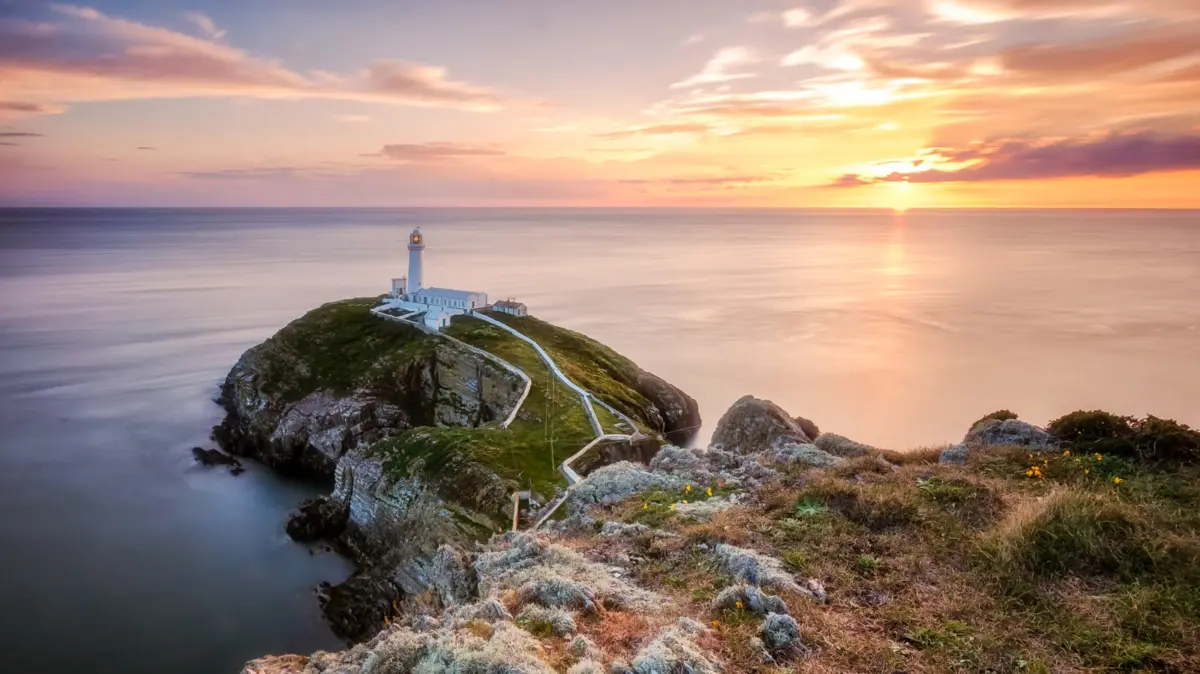
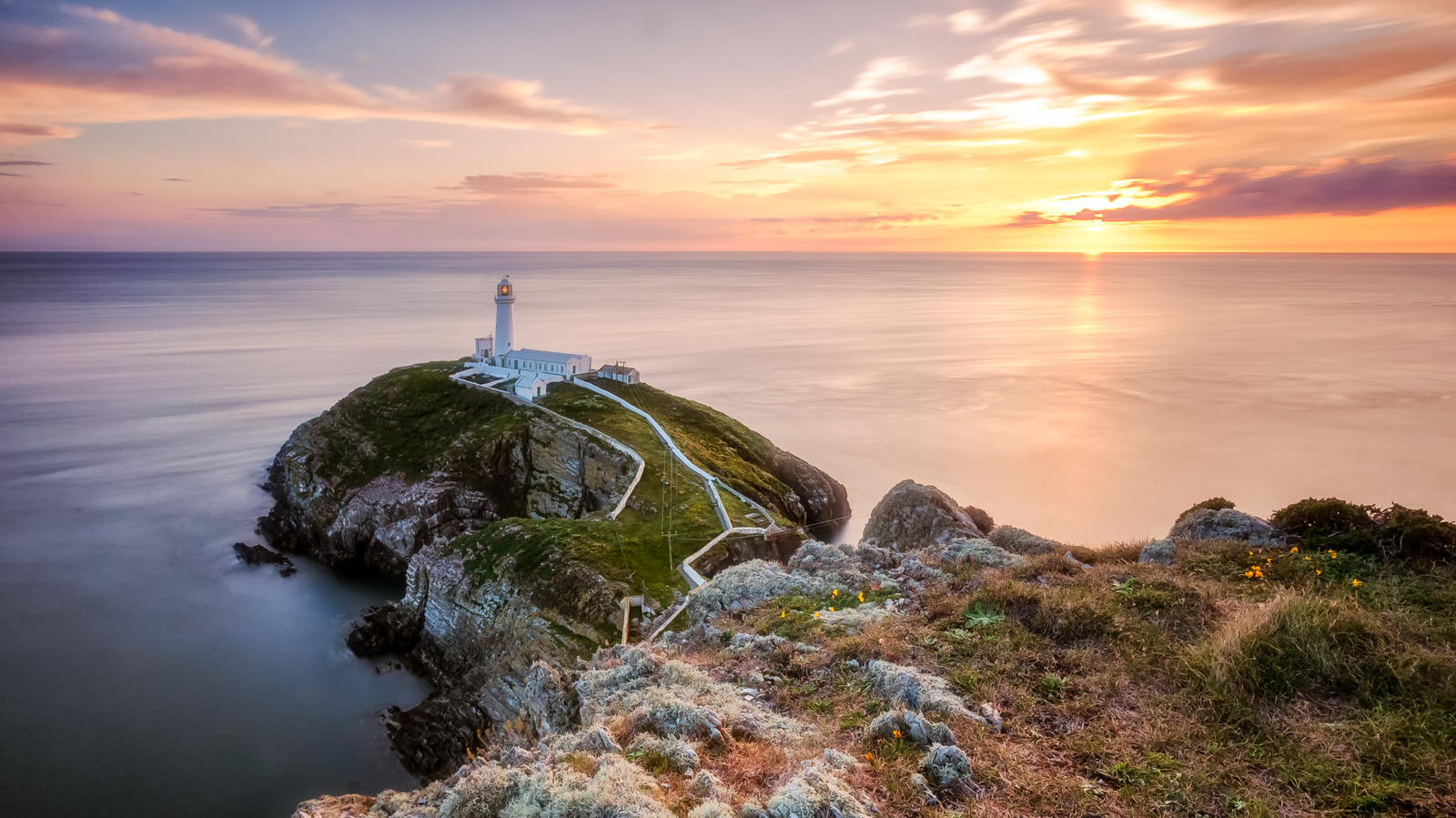
At the heart of this dramatic island lies Holyhead (Caergybi in Welsh), the largest town in the region. Nestled securely within a sheltered, strategic harbor, Holyhead serves as a vibrant microcosm of Welsh coastal culture. Here, ancient Roman fortifications stand shoulder-to-shoulder with Victorian maritime architecture, while dramatic cliffside trails lead intrepid travelers toward world-famous beacons like the South Stack Lighthouse. Far from the hyper-commercialized tourist traps of Western Europe, Holyhead offers a masterclass in slow travel, inviting visitors to immerse themselves in deep history, breathtaking natural preserves, and an increasingly sophisticated culinary scene centered on the bounty of the Irish Sea.
Detailed Chronology & Historical Evolution
To truly appreciate Holyhead today, one must journey backward through millennia of turbulent island history. The town and its surrounding landscapes have served as strategic pivot points for military defense, religious devotion, and international trade since the dawn of recorded British history.

[c. A.D. 550] Foundation of St Cybi's Church inside ancient Roman fort walls
     │
[1858] Establishment of Wales' oldest lifeboat station (now Maritime Museum)
     │
[19th Century] Construction of the 1.7-mile Holyhead Breakwater wall
     │
[Present Day] Evolution into a premier slow-travel destination, merging heritage and ecotourism
The Roman Footprint and Early Monasticism
Long before it became a bustling ferry port connecting the United Kingdom to the Republic of Ireland, the strategic harbor of Holyhead caught the eye of the Roman Empire. As Roman legions pushed deeper into the untamed territories of Britannia, North Wales proved to be one of the final regions to yield.
In the late Roman period, authorities established a fortified enclosure—known locally as Caer Gybi—right at the water’s edge to protect against Irish raiders. Remarkably, portions of these ancient, imposing stone fort walls still stand proudly in the modern city center.
This sacred geography continued to evolve around A.D. 550 when Saint Cybi, a 6th-century Celtic bishop and missionary, established a monastery directly within the sheltered confines of the Roman fort walls. This spiritual foundation eventually grew into St Cybi’s Church, anchoring the town’s cultural heritage for nearly fifteen centuries.
The Maritime Age and Industrial Expansion
As centuries passed, Holyhead’s destiny became inextricably linked with the sea. Its natural harbor made it an ideal jumping-off point for travelers heading to Dublin and a vital sanctuary for ships battling the treacherous Irish Sea storms.
The 19th century ushered in a period of intense industrial and maritime engineering that transformed the town’s physical landscape. In 1858, Wales’ oldest operational lifeboat station was established here—a testament to the perilous nature of the local waters. Today, that historic station houses the Holyhead Maritime Museum, immortalizing generations of heroic rescues and tragic shipwrecks.
To safeguard shipping lanes and tame the harbor’s wild waters, Victorian engineers embarked on a monumental undertaking: the construction of the Holyhead Breakwater. Stretching an astonishing 1.7 miles into the sea, it remains the longest breakwater in the United Kingdom, standing as a marvel of 19th-century maritime engineering that still protects the busy modern port today.
Supporting Context, Logistics & Local Attractions
Reaching this remote Welsh outpost is part of the adventure. While Holyhead sits on the periphery of the UK transport network, it remains remarkably accessible for international and domestic travelers alike.
Getting There: Air, Rail, and Sea
- By Air & Rail: For travelers flying into the region, Liverpool John Lennon Airport serves as the closest major international hub. From Liverpool, visitors can make the scenic journey to Holyhead in roughly two hours by car or three hours by train (with a convenient transfer in Chester).
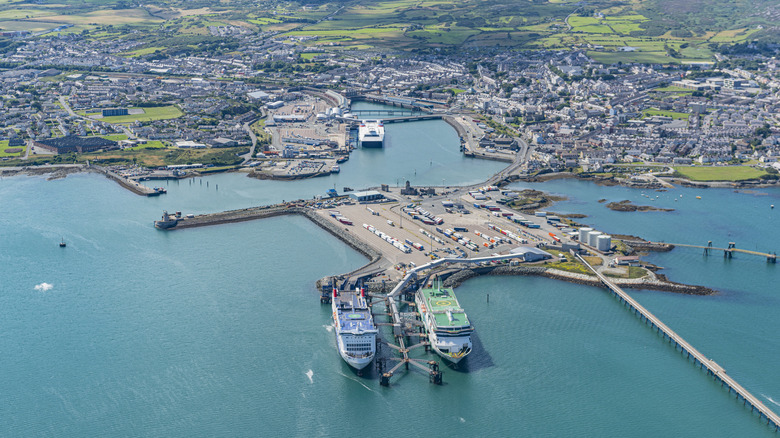
- By Ferry: Alternatively, international travelers can fly into Dublin, Ireland, and board a high-speed passenger and vehicle ferry directly into the Port of Holyhead—one of the busiest passenger ports in the entire United Kingdom. Crossing the Irish Sea takes just over three hours, offering a dramatic maritime approach to the Welsh coast.
Cultural Landmarks and Sacred Architecture
Once settled into local accommodations—ranging from cozy city-center inns and countryside glamping pods to modern sea-view cottages—exploring Holyhead’s cultural core is best done on foot.
- St Cybi’s Church: Situated in the heart of town inside the ancient Roman fort, this low stone Anglican sanctuary features striking architectural archways, vibrant stained-glass windows, and the solemn tomb of William Owen Stanley, a prominent 19th-century Member of Parliament. Reviewers frequently laud it as an unmissable historical anchor.
- Holyhead Maritime Museum: Located a brief, picturesque half-mile stroll from the church in the 1858 lifeboat station, the museum offers rich exhibits detailing the town’s seafaring struggles and triumphs.
- Holyhead Breakwater: Concluding a seafront promenade walk with a journey along the massive 1.7-mile breakwater provides panoramic views of the harbor and the open sea.
Culinary Landscape: From Sea to Plate
Holyhead’s dining scene leverages its coastal positioning to offer exceptional, locally sourced seafood.
- Harbourfront Bistro: Located right beside the Maritime Museum, this highly rated establishment (4.6 stars on Google) boasts expansive windows and a waterside patio where high-tide waves literally lap beneath the floorboards. Patrons can indulge in regional staples such as rich seafood chowder, haddock fish cakes, and freshly harvested Menai mussels.
- The Chippy: For a classic British seaside experience, this city center favorite serves up pristine haddock, scampi, and chips accompanied by traditional mushy peas or curry sauce.
- The Holland Inn: No Welsh getaway is complete without visiting a traditional pub. The Holland Inn offers a dog-friendly, welcoming atmosphere featuring a beer garden and a quintessential local pub ambiance.
Official Statements and Expert Perspectives
Local tourism boards, conservation authorities, and community stakeholders have increasingly emphasized the delicate balance between promoting Holyhead’s unique cultural assets and protecting its fragile coastal ecosystems.
"Holyhead and the wider Anglesey coastline represent a rare intersection where deep historical legacy meets unspoiled natural beauty. Our mission is to invite travelers to slow down—to look past the standard tourist itineraries and engage meaningfully with our Roman roots, our maritime sacrifices, and our rich biodiversity," notes a regional tourism representative for North Wales.
Environmental guardians similarly emphasize the importance of responsible visitation, particularly regarding the region’s protected bird populations. Representatives from the Royal Society for the Protection of Birds (RSPB) have underscored the ecological significance of the South Stack cliffs:
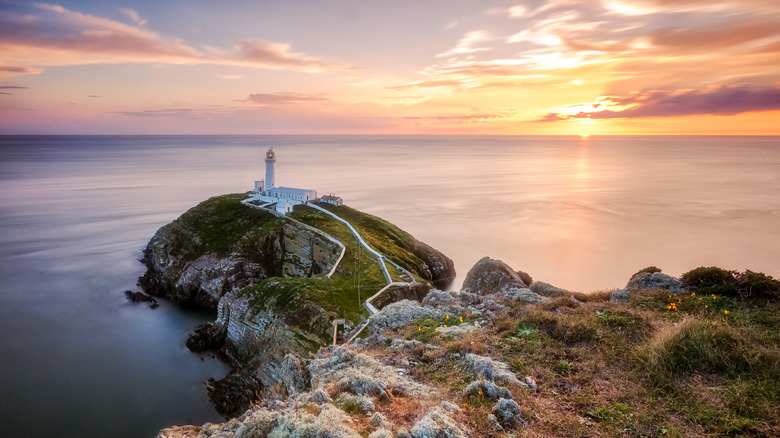
"The sea cliffs around South Stack are nothing short of an ecological treasure chest. When visitors walk down to Ellin’s Tower or scan the ledges with our telescopes, they are witnessing a thriving, fragile seabird metropolis. Protecting these habitats while sharing their wonder with the public is a delicate, vital balance."
Future Outlook: Sustainable Tourism and Coastal Trails
Looking ahead, Holyhead is positioning itself as a premier destination for sustainable, nature-focused tourism in the British Isles. Rather than pursuing mass-market commercial expansion, local planners are doubling down on infrastructure that supports hikers, birdwatchers, and heritage explorers.
The Coastal Path and Outdoor Recreation
The region’s outdoor offerings are anchored by world-class trail networks. The breathtaking Anglesey Coastal Path—a sprawling 130-mile route that completely encircles the island—officially begins in Holyhead, linking travelers directly into the broader network of paths encompassing the entire Welsh coastline.
For day-trippers, the journey from Holyhead proper to the iconic South Stack Lighthouse offers an unforgettable expedition. The ideal route traverses the Breakwater Country Park—a converted 106-acre former quarry featuring forested trails, a tranquil fishing pond, and rock-climbing sites. From the park, hikers can scale the 700-foot-tall Holyhead Mountain, descend toward the dramatic white lighthouse perched on its offshore islet, and brave the optional 400 winding stone steps cut into the cliffside.
Whether visitors choose to tackle the challenging 5-mile round-trip trek, observe nesting puffins, razorbills, and peregrine falcons through RSPB telescopes at Ellin’s Tower, or simply unwind with a plate of fresh Menai mussels overlooking the harbor at sunset, Holyhead stands resilient. As an island getaway steeped in timeless maritime grit and vibrant Welsh culture, it promises an authentic, soul-stirring escape for generations of travelers yet to come.