







Executive Overview
In the high-stakes world of offshore yacht racing, crews prepare for extreme weather, equipment failure, and intense physical deprivation. However, during the historic 50th Anniversary of the Royal Ocean Racing Club (RORC) Round Britain and Ireland Race, the crew of the Fujitsu British Soldier encountered an entirely unprecedented challenge: the mid-ocean rescue of an exhausted, waterlogged barn owl.
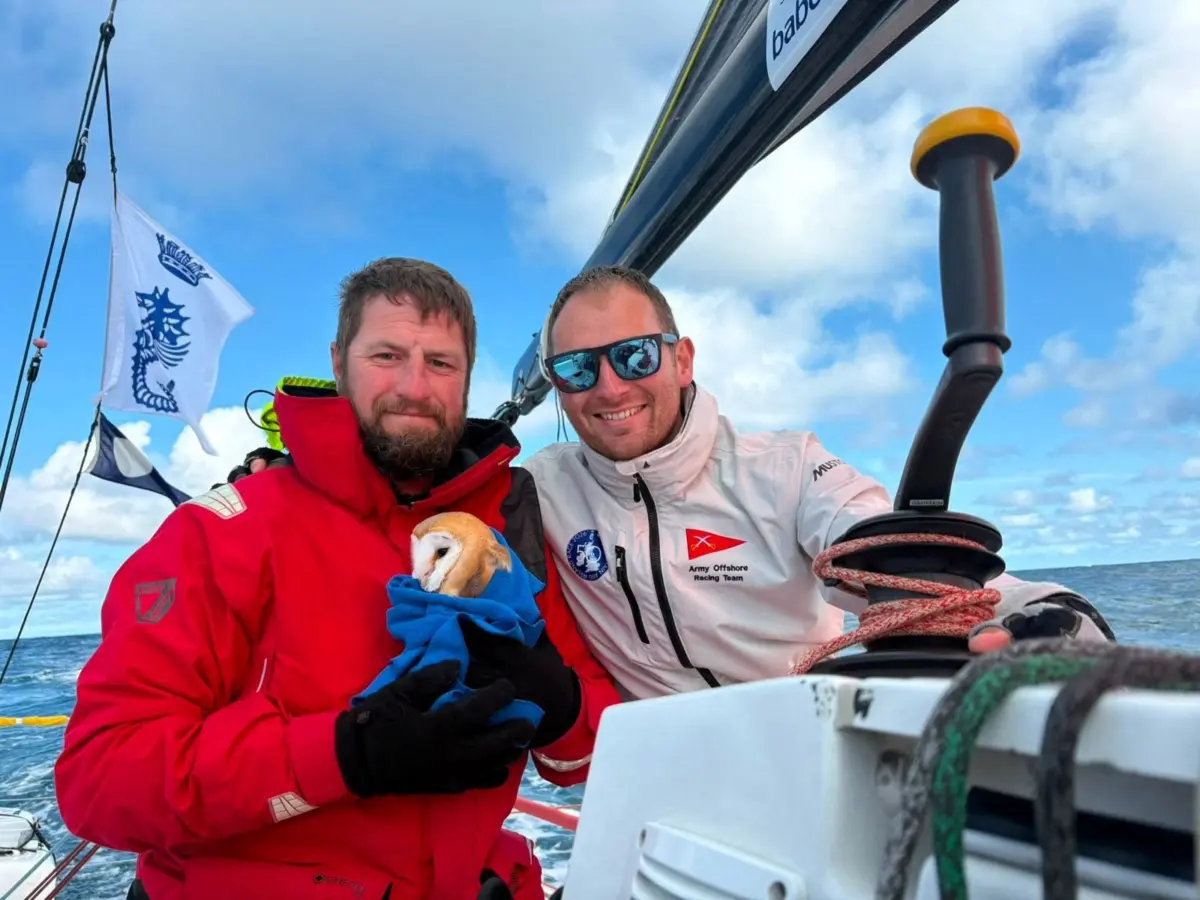
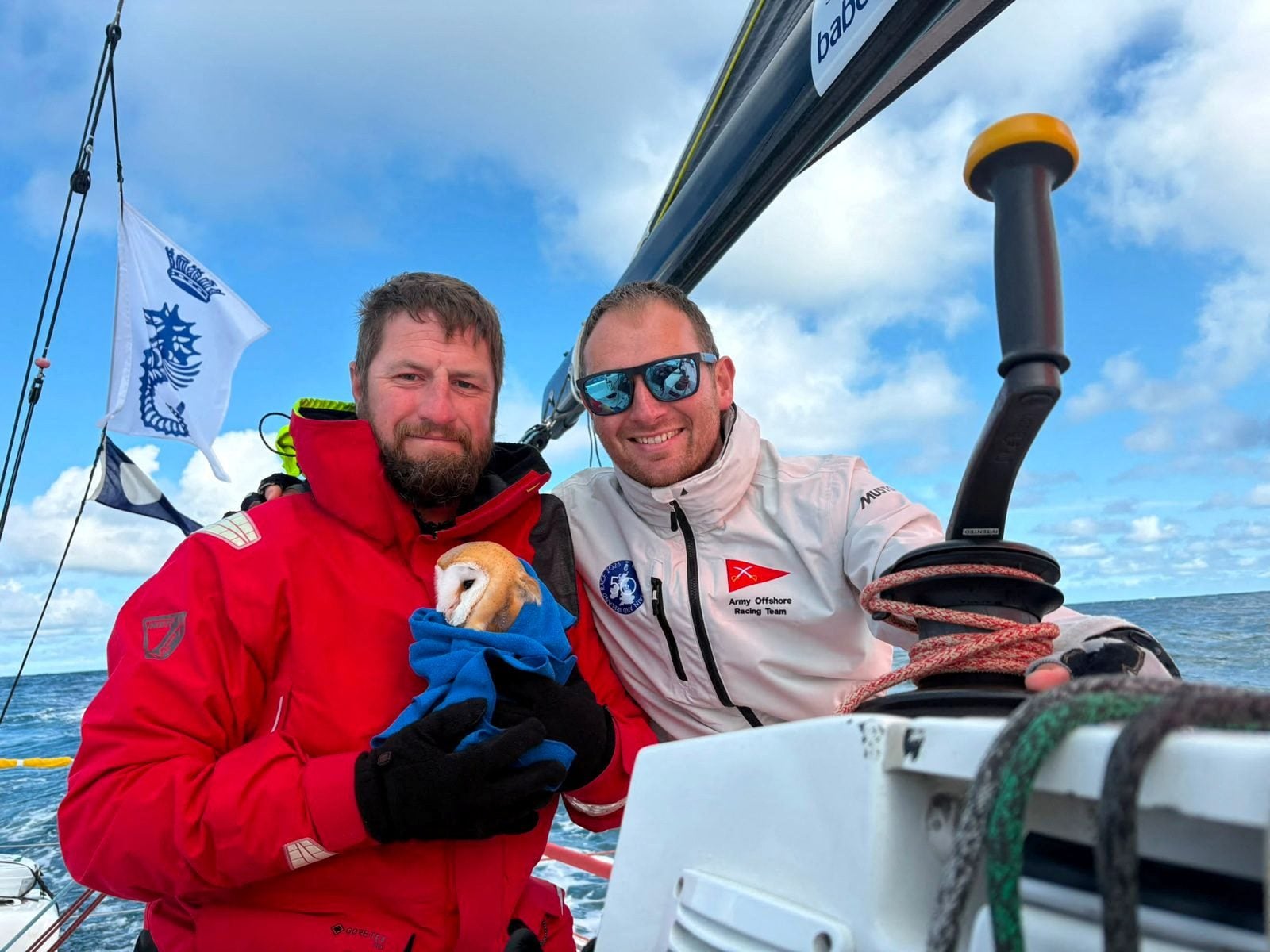
Located approximately 70 nautical miles off the British coastline, the crew—comprising active-duty personnel from the British Army Sailing Association—spotted the land-dwelling predator struggling against severe offshore winds. Over the course of several tense hours, the bird made desperate, failing attempts to land on the yacht, repeatedly tumbling into the frigid sea. Demonstrating the adaptability and precision characteristic of military training, the crew executed an impromptu maritime rescue operation, bringing the bird aboard and initiating a complex, multi-agency coordination effort with land-based wildlife conservation groups and emergency maritime services.
While continuing their grueling 1,805-nautical-mile circumnavigation, the crew managed to stabilize the owl, affectionately named "Little Regina." This article provides a comprehensive, chronological, and analytical account of the rescue, the ornithological science behind the bird’s perilous offshore journey, the logistics of the mid-sea transfer, and the broader results of one of the world’s most demanding sailing races.
Detailed Chronology: The Flight of "Little Regina"
The 50th Anniversary RORC Round Britain and Ireland Race commenced on August 9 from the prestigious Royal Yacht Squadron in Cowes. Featuring a highly competitive fleet of 33 vessels crewed by 182 sailors representing 22 nations, the race is famed for its punishing route around some of the most treacherous coastlines in Western Europe.
Several days into the race, as the Fujitsu British Soldier—a Sun Fast 3600 skippered by Major Will Naylor—navigated a remote stretch of the course 70 nautical miles from the nearest landfall, the crew observed an unusual silhouette hovering near the mast.
[August 9: Race Start at Cowes]
       │
       ▼
[Offshore Passage: 70 NM from Land] ──► [Owl Spotted in Distress]
                                               │
                                               ▼
[Three Falls into Saltwater] ◄─────────────────┘
       │
       ▼
[Successful Deck Retrieval & Triage]
       │
       ▼
[Multi-Agency Shoreline Coordination]
       │
       ▼
[Mid-Sea Transfer to Caister Lifeboat] ──► [Yacht Resumes Competitive Racing]
The Struggle for Flight
Barn owls (Tyto alba) are highly specialized terrestrial hunters, adapted for silent flight over meadows and grasslands. Lacking the waterproof feathers and physical endurance of pelagic seabirds, they are entirely unsuited for maritime environments. The owl encountered by the Fujitsu British Soldier was visibly emaciated and battling severe physical exhaustion, likely having been blown off course by strong thermal drift or unexpected offshore gusts during a nocturnal hunting excursion.
In a desperate bid for survival, the owl attempted to seek refuge on the yacht. The bird initially tried to land directly on the head of a crew member on deck. Due to the motion of the vessel and the slickness of the sailing gear, the owl lost its footing and tumbled from the rigging into the sea.

The Rescue Operations
For a land bird, immersion in saltwater is typically a rapid death sentence. Saltwater strips the feathers of their insulating properties, leading to rapid hypothermia and drowning. Yet, this particular owl exhibited an extraordinary will to live.
"We thought we’d lost her, but she kept fighting her way back up and to the boat," recalled Sergeant Mark Petherbridge of the 2nd Battalion, The Parachute Regiment.
In total, the owl fell into the ocean three times. Each time, it managed to use the wind shear and its remaining adrenaline to drag itself back out of the water toward the moving hull of the yacht. On its final attempt, the bird collapsed onto the deck, completely spent and unable to move.
Recognizing the critical state of the animal, the military crew leaped into action. Utilizing standard emergency response protocols adapted for wildlife, they secured the shivering bird using a dry towel. They transferred the owl to a quiet, warm compartment below deck to prevent further hypothermia and shock.
Establishing the Offshore Sanctuary
Once the bird was stabilized, the crew conducted an initial assessment. Believing the stowaway to be male, they initially christened him "Little Reg" in honor of the Parachute Regiment. However, subsequent consultations with shore-side specialists revealed the bird was female, prompting a quick rename to "Little Regina."
The logistical challenge was twofold: the crew was in the middle of an elite international race where every second counted, yet they were now responsible for the survival of a highly protected, delicate wild animal. The yacht’s cabin, filled with damp sailing gear, loud winches, and constant motion, was far from an ideal rehabilitation clinic. The crew immediately established satellite communication with land-based operations to coordinate a professional handoff.
Supporting Context & Technical Metrics
To understand the complexity of this rescue, it is necessary to examine both the environmental factors governing barn owl physiology and the competitive framework of the RORC Round Britain and Ireland Race.
| Metric / Parameter | Details / Specifications |
|---|---|
| Race Distance | 1,805 Nautical Miles (Circumnavigation of UK and Ireland) |
| Starting Location | Royal Yacht Squadron, Cowes, Isle of Wight |
| Participating Fleet | 33 Boats, 182 Crew Members, 22 Nations |
| Rescue Location | Approx. 70 Nautical Miles Offshore |
| Subject Species | Barn Owl (Tyto alba) |
| Key Agencies Involved | Barn Owl Trust, Marine and Wildlife Rescue, Caister Independent Lifeboat |
| Yacht Involved | Fujitsu British Soldier (Army Sailing Association) |
The Demands of the RORC Race
The RORC Round Britain and Ireland Race is held once every four years and is widely regarded as a pinnacle of offshore seamanship. The route takes competitors through a gauntlet of complex tidal gates, shallow sandbanks, and deep-sea swells.
While the crew of the Fujitsu British Soldier was managing their avian patient, the battle at the front of the fleet was raging. Johnny Vincent’s Volvo 70 Pace ultimately claimed Monohull Line Honours and secured the overall IRC victory on corrected time, narrowly edging out the highly competitive Palanad 4. For the military crew, balancing the intense tactical demands of this race with the hourly care of a dying owl required exceptional discipline.
                    ▲  [Cape Wrath]
                   /
                  /
                 /
  [Atlantic     /          [North Sea]
   Ocean]      /
              │           │  ◄── [Approx. Location of Owl Rescue]
              │  Great   │      (70 NM Offshore)
              │  Britain  │
              │           │
                        /
    [Ireland]          /
                      /
                     /
                    /
                    ▼  [Cowes - Start/Finish]
Ornithological Analysis: The Vulnerability of Tyto alba at Sea
The presence of a barn owl 70 miles offshore is an ecological anomaly. Ornithologists note several factors that explain this occurrence:
- Juvenile Dispersal: Late summer and early autumn mark the period when young barn owls leave their parental territories to establish their own. Inexperienced birds are highly susceptible to becoming lost.
- Thermals and Wind Drift: Barn owls have a high wing-area-to-body-mass ratio. While this allows for slow, silent hunting, it makes them highly vulnerable to being swept away by strong, sustained offshore winds.
- Lack of Marine Adaptations: Unlike gulls or gannets, barn owls do not possess a uropygial gland (preen gland) that secretes waterproof oils in sufficient quantities to protect their plumage from water logging. Once wet, their feathers absorb water rapidly, increasing their weight and dragging them down.
Official Statements and Shore-Side Coordination
The successful preservation of Little Regina’s life was made possible through a seamless communication chain between the Army Sailing Association and three dedicated shore-based organizations.
From the Vessel
Skipper Will Naylor maintained a lighthearted but highly professional correspondence with race organizers as the situation unfolded:
"We have an extra crew member for the latter parts of the race. An exhausted barn owl that we are nursing back to health. Someone is going to have to walk the plank!"
Sergeant Mark Petherbridge reflected on the emotional gravity of the rescue:
"It was incredible to watch her fight. When she fell into the water, we thought she was gone. To see her pull herself back to the hull three separate times showed a level of grit we all respected. There was no way we were going to leave her behind."
From the Rescue Agencies
Upon receiving the satellite distress call from the yacht, the Barn Owl Trust and Marine and Wildlife Rescue immediately began coordinating a rendezvous point. Because the Fujitsu British Soldier could not abandon its course without disqualification, a precise interception was planned.
The Caister Independent Lifeboat service was dispatched to meet the racing yacht as it neared the coastal waters of Norfolk. The lifeboat crew executed a flawless mid-sea transfer, taking custody of Little Regina in a specialized transit box.
A spokesperson for Marine and Wildlife Rescue commented on the rarity of the event:
"Receiving a call about a barn owl 70 miles out at sea is extraordinary. These birds are not designed for the ocean. The quick thinking of the British Army crew, combined with the rapid response of the Caister Lifeboat, saved this bird’s life. Had she remained on deck without specialized hydration and warmth, she would not have survived the night."
Future Outlook: Rehabilitation and Ecological Stewardship
Following her successful extraction from the Fujitsu British Soldier, Little Regina was transported to a specialized wildlife veterinary facility.
The Recovery Process
Upon arrival at the rehabilitation center, veterinary staff treated the owl for:
- Severe Dehydration and Salt Ingestion: The bird had ingested saltwater during her plunges, requiring immediate subcutaneous fluid therapy.
- Plumage Restoration: Her feathers were meticulously washed with fresh water to remove highly corrosive salt crystals, which destroy the micro-structures of the feathers necessary for silent flight.
- Caloric Replenishment: She was placed on a high-protein diet to restore the muscle mass lost during her ordeal.
Veterinarians report that Little Regina is making a remarkable recovery. Once her plumage is fully restored and she demonstrates the ability to hunt live prey in a controlled environment, she will be banded and released back into a suitable terrestrial habitat in the UK.
A Legacy of Maritime Stewardship
The rescue of Little Regina highlights an evolving aspect of modern offshore racing: the role of mariners as active stewards of the marine and aerial environment. As climate change alters weather patterns and increases the frequency of severe, unseasonal storms, encounters between land-dwelling wildlife and offshore vessels are projected to rise.
The 50th Anniversary RORC Round Britain and Ireland Race will be remembered not only for the stellar performance of yachts like Pace and Palanad 4, but also for the compassion and adaptability of the British Army Sailing Association. In the face of a grueling athletic challenge, the crew of the Fujitsu British Soldier proved that the values of duty, preservation of life, and teamwork extend far beyond the human members of their crew.