








Executive Overview
When the conversation turns to the Commonwealth of Kentucky, the American imagination is typically flooded with a familiar, albeit narrow, sensory reel: the rich notes of aging bourbon, the rhythmic thundering of hooves at Churchill Downs, and the crispy, spiced perfection of southern fried chicken. Yet, just an hour south of Louisville—the state’s bustling cultural gateway—lies a destination that quietly shatters the mold of conventional Kentucky tourism.
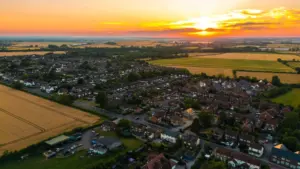
Nestled directly in the shadow of the world-famous Fort Knox, the city of Radcliff offers an unexpected intersection of American military heritage, presidential lore, and rugged Midwestern wilderness. Officially incorporated in 1956, Radcliff is often misjudged as a mere residential byproduct of neighboring military expansion. In reality, the land beneath it is a living archive, echoing with centuries of pioneer struggles, civil war skirmishes, presidential roots, and outlaw legends.
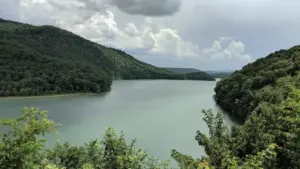
Beyond its historical pedigree, Radcliff serves as an elite gateway to some of the most dynamic outdoor recreation in the Bluegrass State. From the spring-fed canopies of the Saunders Springs Nature Preserve to the roaring cascades of the Tioga Falls Trail and the sweeping riverbanks of the Otter Creek Outdoor Recreation Area, Radcliff is a destination engineered for the curious traveler. This comprehensive exploration delves deep into the archives, landscapes, and cultural touchstones that make Radcliff, Kentucky, an essential stop on any American itinerary.
Detailed Chronology: From Frontier Mill Creek to Modern Garrison Town
To understand the modern layout and spirit of Radcliff, one must peel back the layers of time to an era long before asphalt, strip malls, and military installations redefined the landscape. The chronology of this region is tightly bound to the broader westward expansion of the American republic.
The 1780s–1800s: The Mill Creek Settlement and Presidential Roots
European-American settlement in the area that would eventually become Radcliff began in earnest during the turbulent 1780s. Originally designated as the Mill Creek settlement, the rolling hills and fertile valleys attracted hardy pioneers seeking fresh soil and new opportunities.
Among these early arrivals was Thomas Lincoln, father of the 16th President of the United States. In 1807, Thomas Lincoln purchased his first farm right here in the Mill Creek area. Just two years later, in February 1809, Abraham Lincoln was born in a humble log cabin less than 30 miles to the south, near present-day Hodgenville. The echoes of the Lincoln family remain embedded in the local soil; several of Abraham Lincoln’s extended relatives and pioneering contemporaries rest in historic cemeteries tucked away inside the boundaries of what is now Fort Knox.
The 19th Century: Outlaws, Agriculture, and Isolation
Throughout the mid-to-late 19th century, the Mill Creek and surrounding Hardin County areas functioned as a quintessential rural American backwater—scenic, agricultural, and occasionally lawless. The region’s dense forests and isolated country roads also drew the attention of America’s most notorious criminal figures. Local oral history is rich with tales of the James-Younger Gang traversing the county, with verified local lore asserting that the notorious outlaws Jesse and Frank James once spent a covert night sheltering in a local barn, blending seamlessly into the rural agrarian backdrop.

1918–1930s: The Birth of Camp Knox and Major William Radcliffe
The trajectory of the region shifted permanently in 1918 with the establishment of Camp Knox, a temporary World War I artillery training cantonment named in honor of Revolutionary War General Henry Knox. What began as a wartime necessity rapidly evolved into a permanent fixture of national defense.
The city itself derives its name from Major William Radcliffe, who served with distinction as the head of the Quartermaster Corps at Camp Knox. As the installation expanded dramatically through the 1930s under the dual pressures of pre-World War II military buildup and the creation of the permanent U.S. Gold Depository (the famous Fort Knox Bullion Depository), surrounding civilian settlements were absorbed. This forced local residents, merchants, and families to relocate, inadvertently laying the foundational framework for the civilian hub that would blossom just outside the military gates.
1956–Present: Incorporation and Cultural Evolution
Recognized officially as an independent municipality in 1956, Radcliff transitioned from a loose collection of displaced merchants and military families into a thriving, distinct city. While its economic heartbeat has historically pulsed in rhythm with the nearby garrison, Radcliff has steadily cultivated a unique cultural identity. Today, it proudly bridges the gap between structured military precision and the easygoing, rustic charm of rural Kentucky.
Supporting Context & Metrics: By the Numbers
To fully appreciate the scope of Radcliff and its surrounding environs, one must examine the geographic, historical, and recreational metrics that define the region.
- Distance from Louisville: ~45 miles south (approx. a 1-hour drive via Interstate 65).
- Incorporation Year: 1956.
- Name Origin: Major William Radcliffe, Quartermaster Corps, Camp Knox.
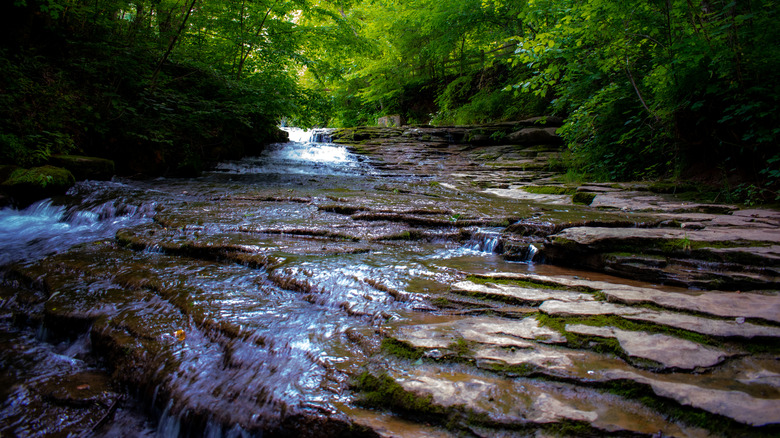
- Saunders Springs Nature Preserve: 26 acres of protected, heavily forested canopy featuring 11 distinct walking trails, historic 19th-century cabins, natural spring-fed pools, and waterfalls.
- Otter Creek Outdoor Recreation Area: 2,200 sprawling acres offering comprehensive outdoor amenities including camping, hunting, fishing, hiking, and shooting ranges along the Ohio River.
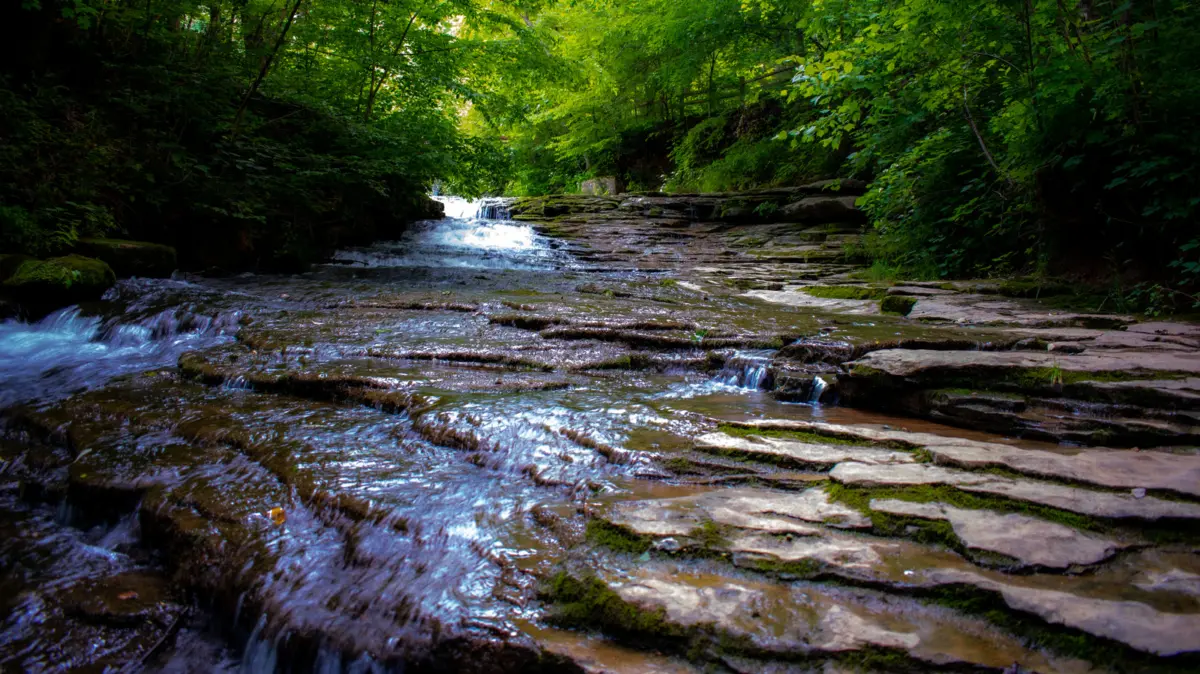
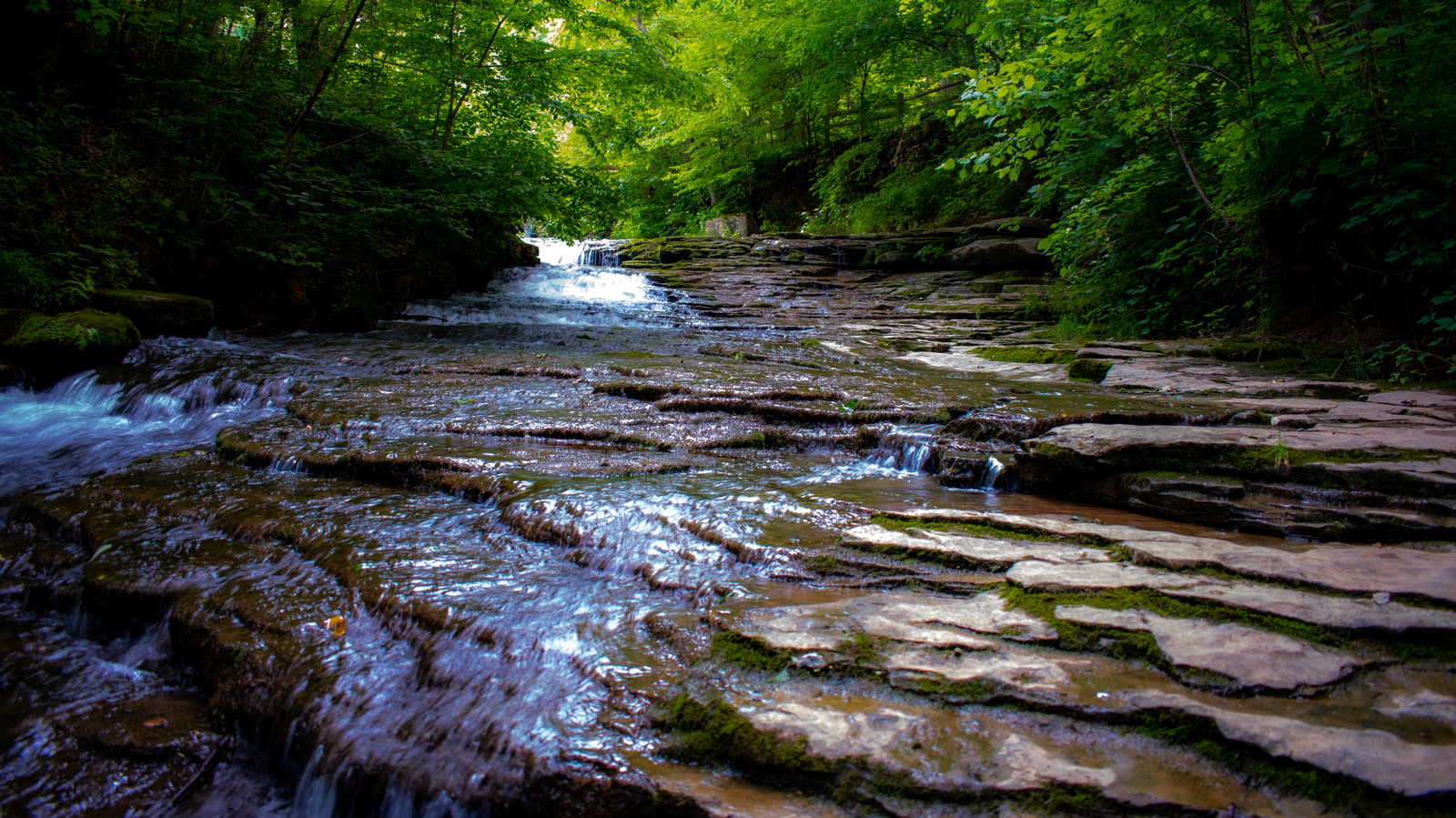
- Tioga Falls Trail: A 2.5-mile round-trip hiking route located 15 minutes north of Radcliff, culminating in multi-tiered cascading waterfalls.
- General George Patton Museum of Leadership: Features exhibits spanning more than 140 years of armored military history, rare weaponry, and tactical artifacts, situated just minutes from downtown Radcliff.
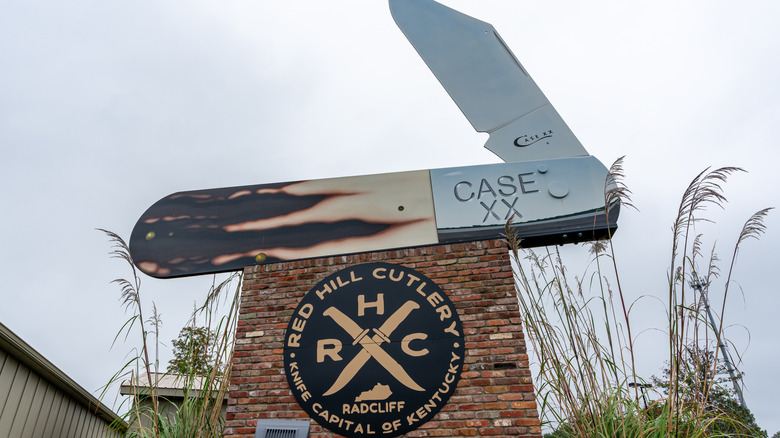
- The Kentucky Museum of American Pocketknives (Red Hill Cutlery): Home to the Guinness World Records-certified largest pocketknife in the world.
Official Perspectives and Cultural Attractions
Radcliff’s unique position—sandwiched between heavy federal military installations and pristine natural sanctuaries—has fostered a distinct tourism philosophy. Local authorities, historical societies, and preservationists emphasize the harmonious coexistence of national security history and environmental conservation.
The General George Patton Museum of Leadership
While the inner sanctum of the United States Bullion Depository (the Fort Knox Gold Vault) remains strictly closed to the general public, the military experience is far from inaccessible. The General George Patton Museum of Leadership, located nearby, serves as an authoritative institution dedicated to military excellence.
Operating with free admission, the museum curates exhibits that trace over a century and a half of tactical evolution, leadership philosophy, and armored warfare. Museum officials frequently note that the institution is designed not merely to display weaponry, but to study the psychological and tactical challenges faced by leaders throughout American military history.
Red Hill Cutlery and the Museum of American Pocketknives
For travelers seeking Americana with a quirky twist, Radcliff delivers an unforgettable roadside attraction. Red Hill Cutlery is a sprawling emporium that transcends standard retail, housing the Kentucky Museum of American Pocketknives.
The museum celebrates the rich craftsmanship of American cutlery makers, displaying rare, vintage, and historically significant pocketknives. However, the crown jewel of the collection is the officially certified Guinness World Record holder for the World’s Largest Pocketknife. This colossal engineering feat draws thousands of curious tourists annually, anchoring Radcliff’s reputation as a city that embraces both heavy history and lighthearted roadside wonder.
Preservation of Natural Spaces: Saunders Springs
Local municipal planners and environmental groups have heavily invested in preserving the fragile ecosystems flanking the city. The stewardship of Saunders Springs Nature Preserve is a prime example of this commitment.
City tourism boards emphasize that Saunders Springs is not merely a park, but a living outdoor museum. The integration of 19th-century pioneer cabins directly into the hiking trail network allows visitors to experience natural beauty and historical contemplation simultaneously. Conservation guidelines strictly regulate usage to ensure that the delicate natural spring-fed pools and native flora remain pristine for future generations.
Future Outlook: Sustainable Tourism and Regional Growth
As Louisville continues to expand its metropolitan footprint southward down the Interstate 65 corridor, Radcliff stands at a crucial crossroads of development and preservation. Local economic strategists are increasingly casting the city not merely as a "bedroom community" for Fort Knox, but as a standalone eco-historical tourism destination.
Expanding Outdoor Infrastructure
Future municipal planning documents outline ambitious proposals to further connect Radcliff’s green spaces. Discussions are underway to link the walking paths of Saunders Springs with broader regional trail systems, potentially creating an unbroken green corridor stretching toward the Otter Creek Outdoor Recreation Area and the Ohio River. These infrastructure enhancements aim to attract the growing demographic of eco-tourists, mountain bikers, and weekend campers seeking immersive nature experiences without straying too far from urban amenities.
Educational Tourism and Military Heritage Partnerships
Furthermore, educational tourism initiatives are being developed in tandem with Fort Knox liaisons. By emphasizing the region’s deep ties to Abraham Lincoln, the Civil War, pioneer-era settlements, and modern armored warfare, Radcliff is positioning itself as an elite destination for history buffs, homeschool cooperatives, and academic researchers.
Balancing Modernity with Small-Town Charm
Ultimately, Radcliff’s future success lies in its ability to maintain its authentic character. While modern retail developments and residential expansions will inevitably accompany the economic growth of Hardin County, the soul of the city remains anchored in its canopy-covered springs, its roaring waterfalls, and its deep, resonant connection to the American story. For the traveler willing to look beyond the standard Kentucky postcard, Radcliff offers an authentic, rich, and endlessly rewarding escape.