








By Senior Maritime & Energy Correspondents
Published October 15, 2026
Executive Overview
The global maritime industry is confronting one of the most severe structural disruptions to its fuel supply chains in decades. Intensifying military conflict across the Middle East—punctuated by kinetic strikes near critical chokepoints including the Strait of Hormuz and the Red Sea—has shattered traditional refueling patterns. Shipowners, vessel charterers, and energy commodity traders are grappling with a rapidly fracturing global marine fuel (bunkering) market marked by localized shortages, volatile price premiums, and heightened operational risks.
For decades, commercial shipping relied on highly predictable, centralized bunkering hubs like Fujairah in the United Arab Emirates and Singapore to fuel the global merchant fleet. However, as escalating hostilites force commercial traffic away from dangerous Middle Eastern waters and onto extended routes around the Cape of Good Hope, the established geography of ship refueling is collapsing.
Vessels are increasingly diverting to secondary and tertiary ports in West Africa, South Africa, South America, and South Asia. This sudden migration of demand has exposed deep vulnerabilities in less-developed bunkering infrastructure, creating sharp price disparities, logistical bottlenecks, and growing concerns over fuel quality and regulatory compliance. Bunkering, once viewed as a routine, just-in-time procurement expense, has transformed into a high-stakes, strategic risk management challenge that threatens to exacerbate global supply chain inflation.
Detailed Chronology of the Crisis
The destabilization of the global bunkering network is the result of a compounding chain of geopolitical and operational events that reached a critical threshold in mid-October 2026.
+-----------------------------------------------------------------------------------+
| CHRONOLOGY OF MARITIME FUEL DISRUPTION                                           |
+-----------------------------------------------------------------------------------+
|  Early Phase   | Escalation in Red Sea forces initial rerouting around Africa.     |
|  Mid-Phase     | Conflict spreads to Strait of Hormuz; strike sinks cargo ship.   |
|  Current Crisis| Fujairah demand collapses; secondary hubs face supply bottlenecks.|
+-----------------------------------------------------------------------------------+
1. The Red Sea Deterioration
The crisis initially germinated as persistent missile and drone threats in the Southern Red Sea and Bab el-Mandeb Strait forced international container lines and dry bulk carriers to bypass the Suez Canal. Vessels began opting for the much longer circuit around the southern tip of Africa, fundamentally shifting baseline fuel consumption patterns.
2. Spillovers into the Strait of Hormuz
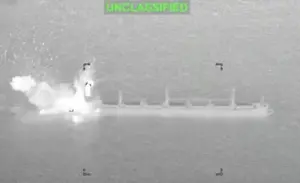
By early autumn 2026, hostilities expanded dramatically into the Persian Gulf and the Strait of Hormuz. Direct strikes on commercial shipping—highlighted by the tragic sinking of a major cargo vessel following an shipboard fire in the Strait—shattered commercial confidence in regional transit safety. Marine war risk insurance premiums spiked to prohibitively high levels, prompting international fleets to avoid Persian Gulf ports entirely unless absolutely necessary.
3. The Collapse of Fujairah Demand
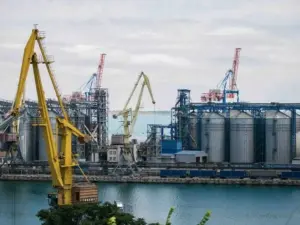
With vessels actively avoiding the waters surrounding the Arabian Peninsula, Fujairah—traditionally the world’s third-largest bunkering hub—saw its refueling volumes plunge. The loss of transit traffic through Hormuz isolated the port, leaving millions of tons of heavy fuel oil and low-sulfur fuel oil stranded in storage tanks while demand erupted elsewhere.
4. The Emergence of Bunkering Bottlenecks
By October 2026, as hundreds of rerouted vessels arrived simultaneously at alternative refueling stops across the Atlantic Basin and Indian Ocean, secondary ports reached immediate capacity limits. Unprecedented demand in ports such as Port Louis (Mauritius), Durban (South Africa), and Colombo (Sri Lanka) led to severe congestion, extended lead times, and sudden price spikes, signaling the start of a fragmented global bunkering market.
Supporting Context & Metrics: A Realigned Global Map
The operational footprint of global shipping has expanded dramatically. Bypassing the Suez Canal adds approximately 3,500 to 4,500 nautical miles to a standard Asia-to-Europe voyage, extending transit times by 10 to 14 days depending on vessel speed. This additional mileage requires significant additional fuel, increasing global marine fuel burn at a time when refinery yields are strained by geopolitical tensions.
+-----------------------------------------------------------------------------------+
| GLOBAL ROUTE & FUEL DYNAMICS                                                      |
+-----------------------------------------------------------------------------------+
| Reroute Distance Added | 3,500 – 4,500 nautical miles                              |
| Additional Transit Time| 10 – 14 days per Asia-Europe loop                         |
| Demand Shift           | Fujairah drop vs. Spikes in Mauritius, SA, Brazil, S.Asia |
| Quality Risk Factors   | Off-spec fuel, cat fines, lack of Mass Flow Meters (MFM)  |
+-----------------------------------------------------------------------------------+
The Winners and Losers of Fuel Demand
- Fujairah (UAE): Once an indispensable fueling point for tankers and bulkers exiting the Persian Gulf, Fujairah faces unprecedented drop-offs in commercial stems as operators avoid the regional conflict zone.
- Singapore: As the world’s primary fueling hub, Singapore has maintained robust growth, benefiting from its strategic location, massive storage capacity, and advanced regulatory oversight. However, high demand has stretched local prompt delivery availability, pushing prices upward.
- The African Arc (Port Louis, South Africa, West Africa): Island nations like Mauritius (Port Louis) and coastal ports in South Africa (Cape Town, Durban) and West Africa have seen bunker inquiries soar. These locations are now vital stepping stones for long-haul vessels rounding the Cape of Good Hope.
- South Asia & South America: Ports in Sri Lanka, Pakistan, and Brazil are absorbing surplus demand from transpacific and South Atlantic traders, transforming formerly regional fueling stations into critical international supply points.
Operational and Quality Risks
The sudden reliance on secondary and non-traditional bunkering ports introduces severe operational vulnerabilities for shipowners:
- Fuel Quality and Off-Spec Supply: Smaller ports often lack sophisticated blending facilities and rigorous quality-control protocols. Shipowners report a rising incidence of "off-spec" Very Low Sulfur Fuel Oil (VLSFO) containing elevated levels of catalytic fines (cat fines), high sediment, or chemical contamination, which can cause catastrophic main engine failures at sea.
- Infrastructure Limitations: Unlike Singapore, which mandates the use of Mass Flow Metering (MFM) systems to ensure accurate fuel delivery quantities, many secondary ports rely on traditional manual soundings, increasing the risk of quantity disputes and delivery delays.
- Price Disparities: The lack of deep liquid spot markets in regional ports has caused bunker prices to diverge wildly. The spread between fuel prices in major hubs versus secondary ports can exceed $50 to $100 per metric ton, complicating voyage economics for operators.
Official Statements and Industry Voices
Industry leaders attending the Singapore International Bunkering Conference (Sibcon) expressed deep concern over the long-term structural shifts in the market, emphasizing that procurement strategies must fundamentally change to adapt to the new geopolitical reality.
"No one can treat bunkering as a routine, last-minute decision anymore," said Frederik Guttormsen, Asia Pacific President at Stolt-Nielsen Ltd., which operates a fleet of 167 chemical tankers worldwide. "We’re securing fuel earlier and tracking availability and lead times at key ports because the risk is now as much about prompt supply as about price. Middle East oil flows are coming under renewed strain from recent attacks, pushing both crude and bunker prices higher."
To survive in this volatile environment, major trading houses and ship operators are forced to abandon just-in-time fuel purchasing in favor of structured, risk-averse procurement strategies.
"In this market, procurement needs to be much more structured," noted Kenneth Dam, Executive Director and Global Head of Bunkering at TFG Marine, a prominent fuel supplier and joint venture backed by Trafigura. "Vessels are refueling more frequently and taking smaller volumes at each stop to avoid locking in too much fuel at a particular price and port."
This strategy of "micro-bunkering"—taking on smaller parcels more frequently—allows operators to mitigate the financial risk of buying large quantities at historically high spot prices while preserving vessel deadweight capacity for revenue-generating cargo.
"Disruptions are becoming more frequent, leading to vessel diversions that are shifting fuel demand to other locations," explained Peter Grünwaldt, Head of Bunkering at tanker owner Hafnia Ltd. and co-Chief Executive Officer of bunker trader Seascale Energy. "We’re making sure we have fuel available at these ports to guarantee our fleet’s operational continuity."
Future Outlook & Strategic Imperatives
As the conflict in the Middle East continues without a clear end in sight, the maritime industry must adjust to a permanently altered refueling ecosystem. The era of cheap, easily accessible marine fuel across centralized trade routes has given way to an environment defined by geographic fragmentation and persistent volatility.
+-----------------------------------------------------------------------------------+
| STRATEGIC IMPERATIVES FOR MARITIME FUEL MANAGEMENT                                |
+-----------------------------------------------------------------------------------+
| 1. Advanced Planning   | Lock in fuel supply weeks in advance of voyages.         |
| 2. Quality Safeguards  | Enforce rigorous onboard fuel testing and sampling.       |
| 3. Distributed Stems   | Shift from large stems to tactical, multi-port refueling. |
| 4. Financial Hedging   | Utilize hedging contracts to manage hub price spreads.   |
+-----------------------------------------------------------------------------------+
Structural Industry Realignment
- Investment in Regional Infrastructure: To capitalize on shifting trade flows, regional ports in Africa, South America, and South Asia will need substantial capital investment to expand fuel storage, upgrade barge fleets, and adopt digital measurement technologies like Mass Flow Meters.
- Stringent Quality Verification: Shipowners will increasingly rely on independent, fast-track fuel testing services. Onboard sampling and testing regimes will become mandatory protocol before any stem sourced from secondary ports is transferred to a vessel’s active settling tanks.
- Surge in Supply Chain Costs: Longer sea voyages, combined with higher bunker prices and inefficient refueling logistics, will inevitably push freight rates higher across containerized goods, dry bulk commodities, and refined petroleum products. These embedded logistics costs will feed directly into broader consumer price inflation worldwide.
The current bunkering crisis represents a fundamental realignment of global trade routes. Managing marine fuel procurement is no longer just a technical operational function—it has become a core strategic priority that dictates commercial survival in an increasingly unstable global economy.