Liverpool is a city defined by resilience, reinvention, and rich cultural legacy. Globally celebrated as the birthplace of The Beatles, a maritime powerhouse, and a melting pot of diverse immigrant communities, its modern identity is anchored by regenerated docklands, slick boutique hotels, and bustling cultural hubs. Yet, peeling back the polished veneer of the 21st-century urban landscape reveals a shadow history. Beneath the tourist trails and contemporary developments lie the bones of a bygone era—derelict Georgian assembly rooms, blitzed sanctuaries, labyrinthine subterranean networks, and crumbling stately mansions.
These sites are not merely neglected ruins; they are physical manifestations of Liverpool’s dizzying socio-economic trajectory. From the height of the transatlantic trade boom to the devastation of the Second World War and the subsequent industrial contraction of the late 20th century, the city’s built environment tells a complex story of imperial ambition and post-industrial decline. Today, while revitalization projects propel Liverpool forward, these six abandoned architectural jewels stand as haunting monuments to a golden age frozen in time, inviting historians, urban explorers, and architectural conservationists to examine the fragile line between glory and decay.
Detailed Chronology: The Rise, Fall, and Ruin of Liverpool’s Landmarks
To understand how Liverpool’s most majestic structures fell into states of dereliction, one must trace the timeline of the city’s economic evolution—a narrative marked by explosive wealth generation followed by sudden, catastrophic economic shifts.
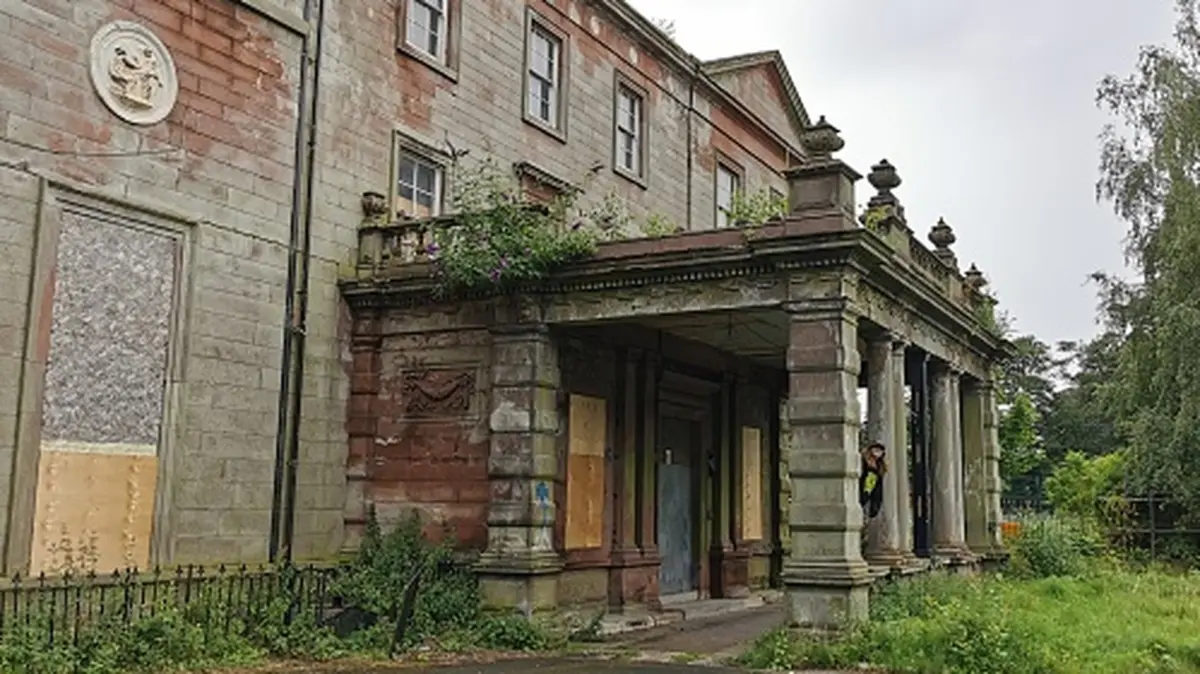
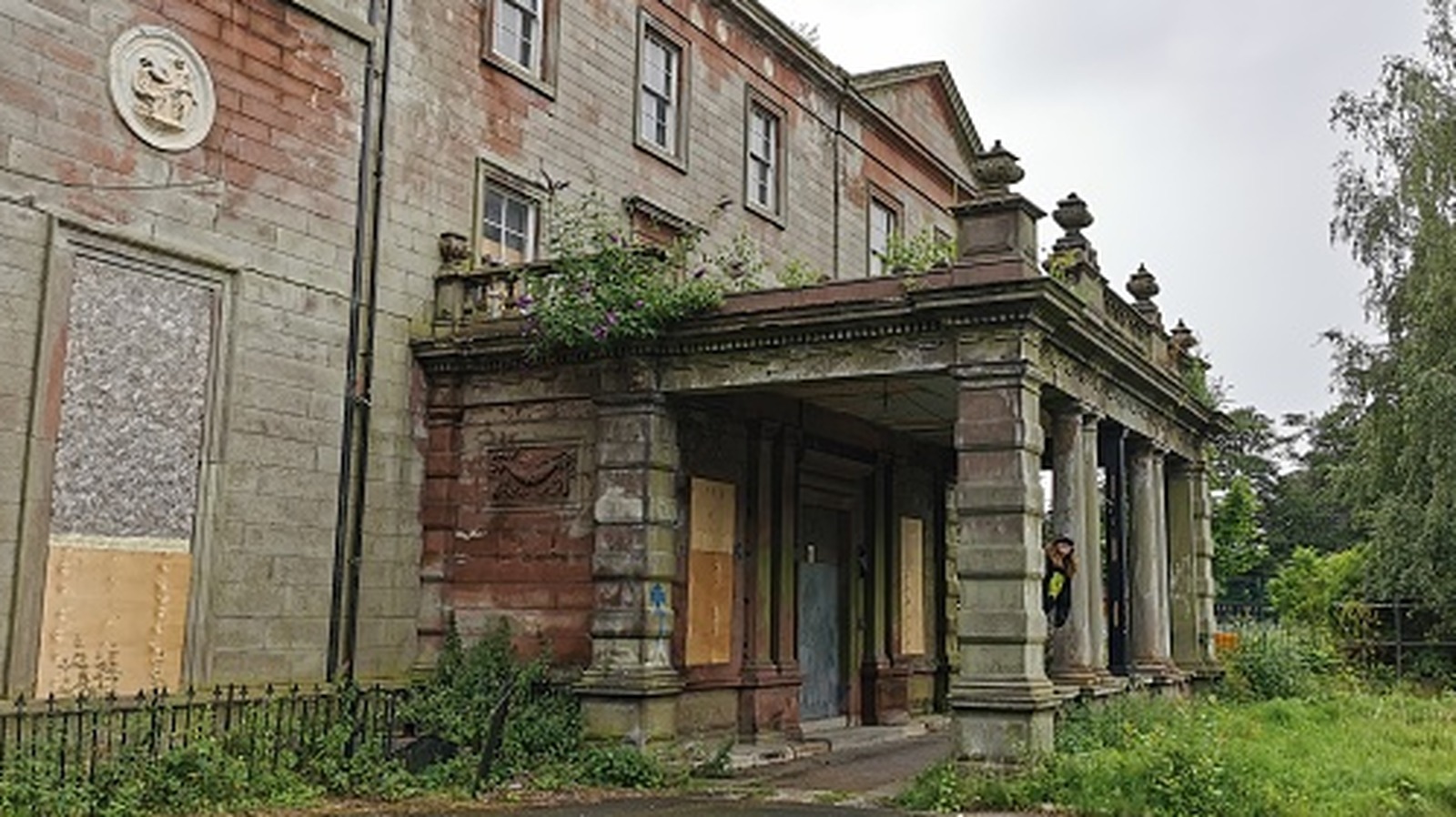
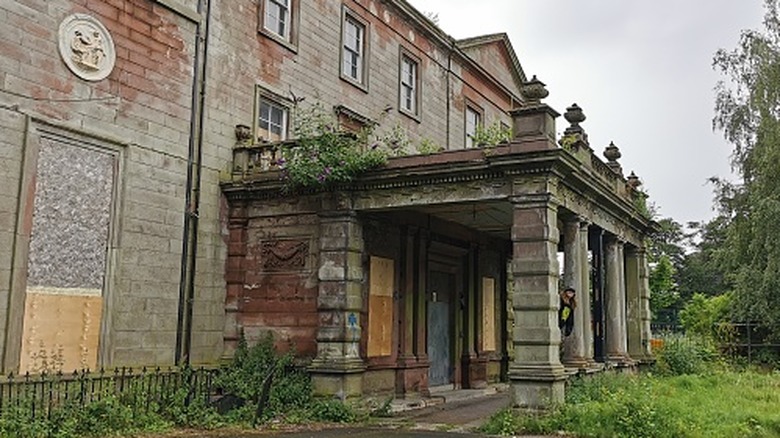
1704 – 1950s: The Genesis and Abandonment of Woolton Hall
1704: Woolton Hall is established on Speke Road, laying the groundwork for what would become one of the region’s finest domestic properties.
Late 18th Century: The estate undergoes a significant architectural transformation, featuring Neoclassical designs by the celebrated architect Robert Adam, highlighted by grand Palladian features on its imposing facade.
19th to Mid-20th Century: The mansion passes through the hands of nobility, including the Earl of Sefton, before later operational iterations see it utilized as both a school and a hotel.
1950s: Economic pressures and changing demographic patterns result in the total desertion of the country house.
1982: To stave off impending demolition threats, Woolton Hall is granted Grade I listed status. Subsequent years, however, bring severe fire damage, leading to the catastrophic collapse of the roof.
1815 – 1997: The Wellington Rooms (The Irish Centre)
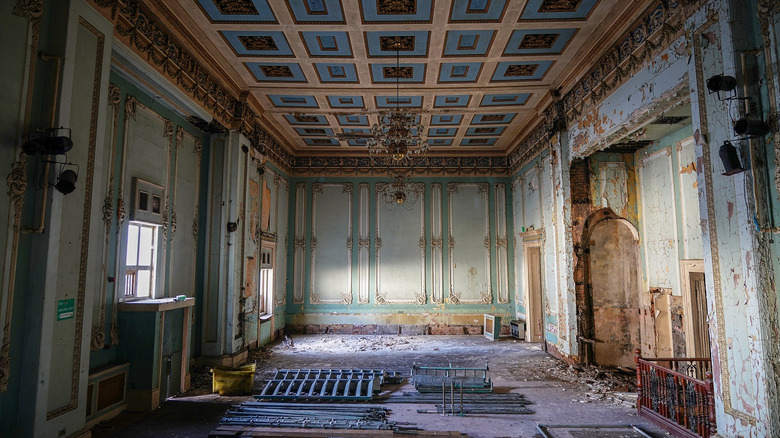
1815: Constructed during the height of the Regency era, the Wellington Rooms open as an exclusive assembly hall, designed to host lavish high-society balls and civic gatherings for Liverpool’s burgeoning elite.
World War II: The ornate stone colonnades and grand ballrooms suffer structural damage during enemy air raids, yet the building survives to be recognized as a Grade II listed asset.
Post-War Era: The property transitions into the Liverpool Irish Centre, serving as a vital cultural focal point for the city’s diaspora community.
1997: Changing social habits, financial strains, and structural decay force the closure and final abandonment of the building. It remains privately owned and inaccessible to the public today.
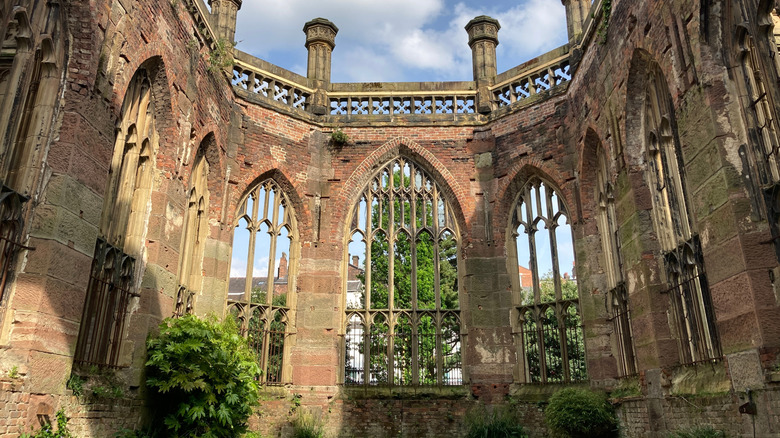
1832 – Present: St. Luke’s "Bombed Out" Church
1832: Consecrated as a parish church, St. Luke’s becomes a vibrant spiritual hub heavily frequented by medical professionals working in the immediate vicinity.
May 1941: During the height of the Liverpool Blitz, incendiary bombs devastate the interior, gutting the structure and leaving behind only a scorched, hollow shell of masonry.
Decades of Neglect: The church stands untouched as a haunting urban ruin for over half a century.
2000s: Local authorities and community groups spearhead a cleanup effort, converting the hollowed-out shell into an officially recognized war memorial and dynamic open-air arts venue, cementing its status as an iconic city attraction.
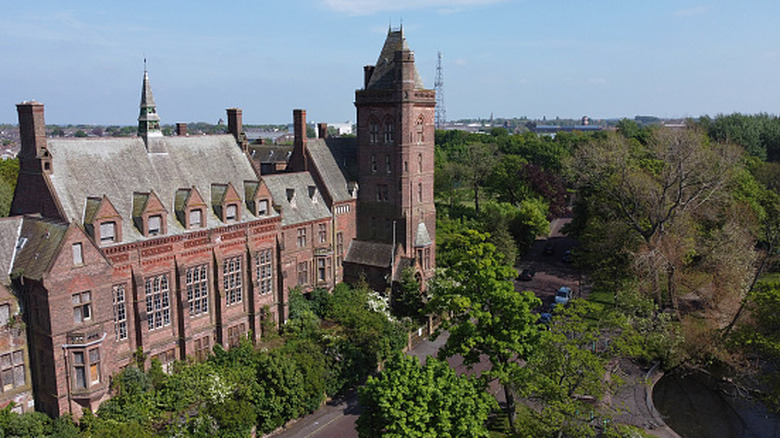
1874 – 1997: Newsham Park Hospital (Seamen’s Orphan Institution)
1874: The imposing red-brick Gothic structure opens its doors as the Liverpool Seamen’s Orphan Institution, providing housing and education for children whose fathers perished at sea.
20th Century: The facility transitions into Newsham Park Hospital, operating as a medical institution and psychiatric asylum.
1997: The hospital is officially decommissioned and abandoned, quickly devolving into a playground for urban explorers, vandals, and paranormal investigators.
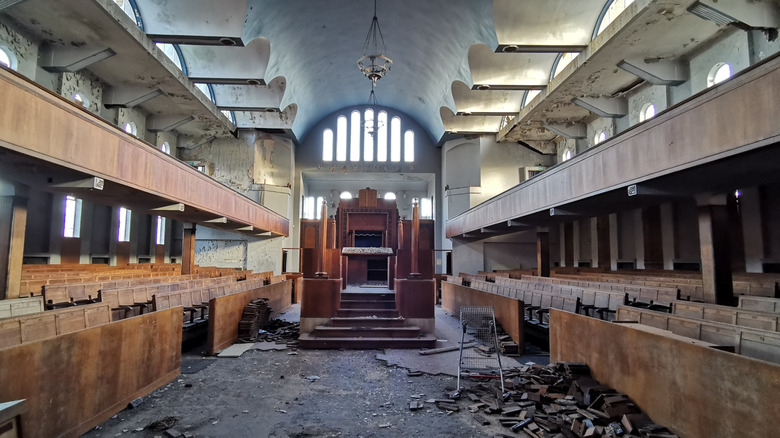
1937 – 2008: Greenbank Synagogue
1937: Opened in the Sefton Park area, the Orthodox synagogue boasts a capacity of 700 seats for the Liverpool New Hebrew Congregation, blending striking Art Deco styling with Swedish Romantic architectural influences.
World War II: The synagogue serves as a sanctuary and place of refuge for local residents during heavy bombing raids.
2008: Hit hard by a declining local congregation, shifting demographics, and subsequent fire damage, the building is closed down and abandoned, leaving its magnificent central prayer hall to quietly decay.
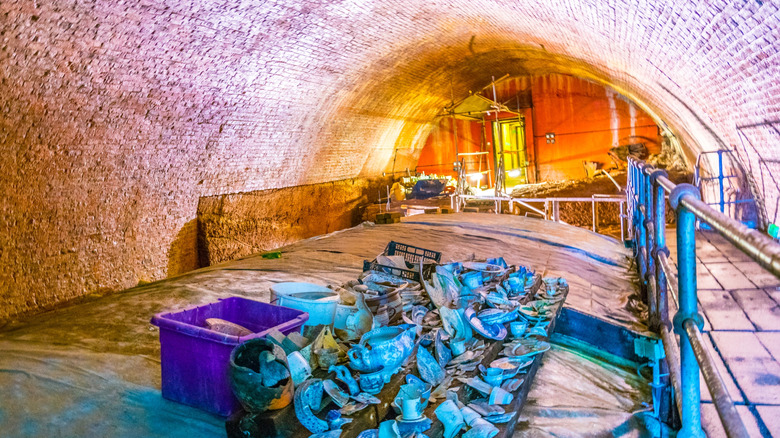
Early 19th Century – 1840: The Williamson Tunnels
Early 1800s: Employing veterans left destitute and unemployed following the Napoleonic Wars, eccentric tobacco merchant Joseph Williamson commissions the excavation of a sprawling, hand-carved subterranean network beneath the Edge Hill district.
1840: Following Williamson’s death and a lack of clear documentation regarding their primary purpose, the tunnels are abandoned, eventually becoming filled with decades of urban refuse.
Modern Era: Excavations by volunteer groups unearth stunning brick-arched caverns, leading to the establishment of the Williamson Tunnels Heritage Centre for public preservation and education.
Supporting Context & Metrics: The Socio-Economic Blueprint of Decay
To fully contextualize why Liverpool possesses such an extraordinary concentration of abandoned architectural heritage, one must examine the macro-economic metrics that shaped the region from the Georgian period through the late 20th century.
[18th Century: Transatlantic Trade Boom]
       │
       ▼
[Industrial Revolution: Rapid Urban Expansion]
       │
       ▼
[Early 20th Century: Port Peak (Cunard & White Star Hub)]
       │
       ▼
[Post-WWII: Blitz Damage & Port Containerization]
       │
       ▼
[Late 20th Century: Economic Collapse & Mass Depopulation]
       │
       ▼
[Present Day: Urban Regeneration vs. Heritage Preservation Crisis]
During the 18th and 19th centuries, Liverpool was the beating heart of the British Empire’s maritime economy. Handling a vast majority of the world’s trade, the port funneled immense wealth into the city. Institutions like Cunard and White Star Line anchored its global prestige, making Liverpool the birthplace of titanic engineering feats, including the construction and registry of world-famous passenger liners.
However, this rapid, hyper-industrial expansion planted the seeds for future vulnerability. The city’s economic engine was inextricably linked to maritime trade and manufacturing. When containerization revolutionized global shipping in the mid-to-late 20th century, traditional break-bulk ports like Liverpool suffered terminal obsolescence.
Simultaneously, the industrial heartlands of Northern England experienced severe deindustrialization. Between the 1930s and the 1980s, Liverpool’s population plummeted by hundreds of thousands of residents as suburban flight and economic stagnation drained the municipal tax base. Grand civic buildings, orphanages, assembly halls, and religious sanctuaries that once catered to an affluent, expanding urban populace were suddenly rendered redundant. With municipal budgets stretched thin and private owners lacking the capital required for restorative maintenance, these structures slipped into systemic abandonment.
Preservationists, urban historians, and local authorities face a complex moral and financial dilemma when dealing with Liverpool’s derelict architectural stock. Balancing public safety with historical preservation requires delicate legislative maneuvering, particularly given the strict legal frameworks governing historic real estate in the United Kingdom.
A spokesperson for Historic England, the public body that looks after the country’s historic environment, emphasized the precarious nature of these structures:
"Buildings like Woolton Hall, the Wellington Rooms, and Greenbank Synagogue represent the physical layers of Liverpool’s identity. While listing designations offer vital legal shields against indiscriminate demolition, statutory protection alone cannot halt the relentless march of weather, structural fatigue, and unlawful incursions. These spaces require sustainable adaptive reuse strategies that honor their historical integrity while injecting economic viability back into local neighborhoods."
Local heritage advocates and volunteer groups, such as the Friends of Williamson Tunnels, have long argued that public engagement is the key to salvation. In an official briefing regarding subterranean conservation, a lead preservationist noted:
"For decades, these underground chambers were treated as urban myths or dumping grounds. By unearthing them, we are not just recovering architectural curiosities; we are restoring the dignity of the 19th-century laborers who carved them out by hand. Neglect is a choice, but preservation requires a collective community investment."
Urban exploration experts and municipal tourism boards also acknowledge the powerful draw of "dark tourism" and architectural ruins, provided safety protocols are strictly observed. Under U.K. law, unauthorized entry onto privately owned derelict property constitutes aggravated trespass or criminal damage. Consequently, authorities continuously urge the public to admire sites like the Wellington Rooms and Woolton Hall strictly from public thoroughfares, while channeling enthusiasm toward legally accessible landmarks like St. Luke’s Bombed Out Church and the Williamson Tunnels Heritage Centre.
Future Outlook: Preservation, Regeneration, and Adaptive Reuse
As Liverpool navigates its ongoing 21st-century Renaissance—anchored by massive dockland regeneration projects, European Capital of Culture legacies, and surging tourism—the fate of its abandoned architectural icons hangs in the balance.
The juxtaposition between the city’s glossy, modernized waterfront and its crumbling inner-city relics underscores a broader urban planning challenge: How can a post-industrial city honor its historical scars without letting them become financial sinkholes or public safety hazards?
Adaptive Reuse as a Viable Blueprint: Across the U.K., successful regeneration increasingly relies on converting historic, non-traditional spaces into residential lofts, cultural incubators, and creative co-working hubs. While buildings like Newsham Park Hospital and Greenbank Synagogue face immense hurdles due to extensive fire and water damage, private-public partnerships are increasingly viewed as the only viable path forward to prevent total structural collapse.
Community-Led Stewardship: The remarkable transformation of St. Luke’s Bombed Out Church into an open-air arts venue and war memorial demonstrates that abandoned spaces can be successfully reintegrated into the civic fabric. By shifting from commercial viability to community-centric utility, derelict ruins can generate cultural and social capital.
Digital Preservation and Controlled Access: For fragile subterranean sites like the Williamson Tunnels or structurally unstable ruins like Woolton Hall, 3D laser scanning, digital archiving, and guided heritage tours offer a sustainable middle ground. These technologies allow the public to experience inaccessible interiors without compromising structural integrity or inviting illicit urban exploration.
Ultimately, Liverpool’s abandoned beauties are more than mere visual spectacles for photographers and history buffs. They are architectural testaments to human ambition, institutional failure, and enduring civic spirit. Whether they are meticulously restored, safely stabilized as romantic ruins, or creatively reinvented for future generations, these spaces will forever remain crucial chapters in the ever-evolving biography of one of Britain’s most storied cities.