






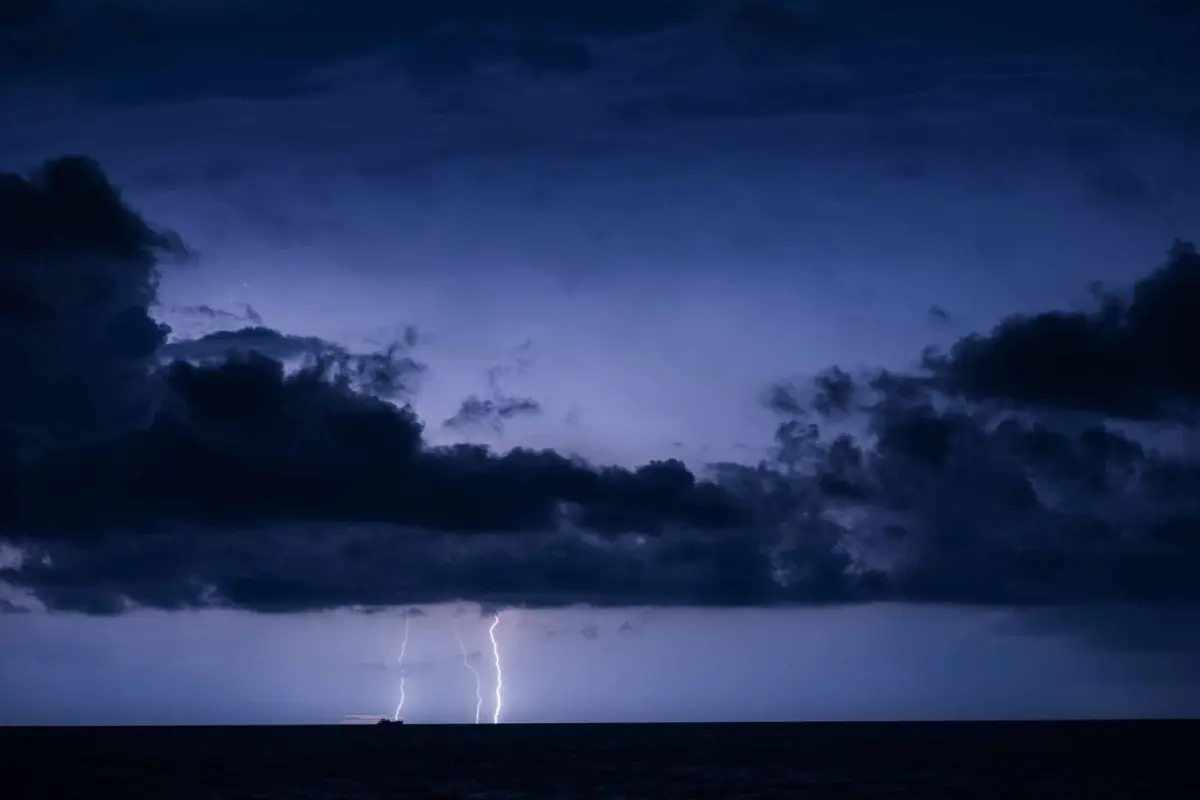
Executive Overview
Modern fishing boats are engineered to withstand rigorous marine environments, yet meteorological phenomena frequently outpace even the most sophisticated forecasting models. A routine fishing excursion can transform into a high-stakes survival scenario within minutes, characterized by sudden wind shifts, rapidly escalating wave heights, and severely compromised visibility. When a vessel is caught off guard by heavy weather, the margin for error narrows dramatically.
According to maritime safety authorities, storm response must be governed by a strict adherence to vessel control, stability management, and proactive safety protocols rather than panicked acceleration toward the nearest shore. This comprehensive operational guide outlines the critical actions required when encountering sudden squalls and severe weather on the water. From managing hull speeds and securing volatile deck equipment to executing emergency procedures during engine failures and navigating post-storm structural assessments, mariners must rely on disciplined seamanship to safeguard lives and vessels.
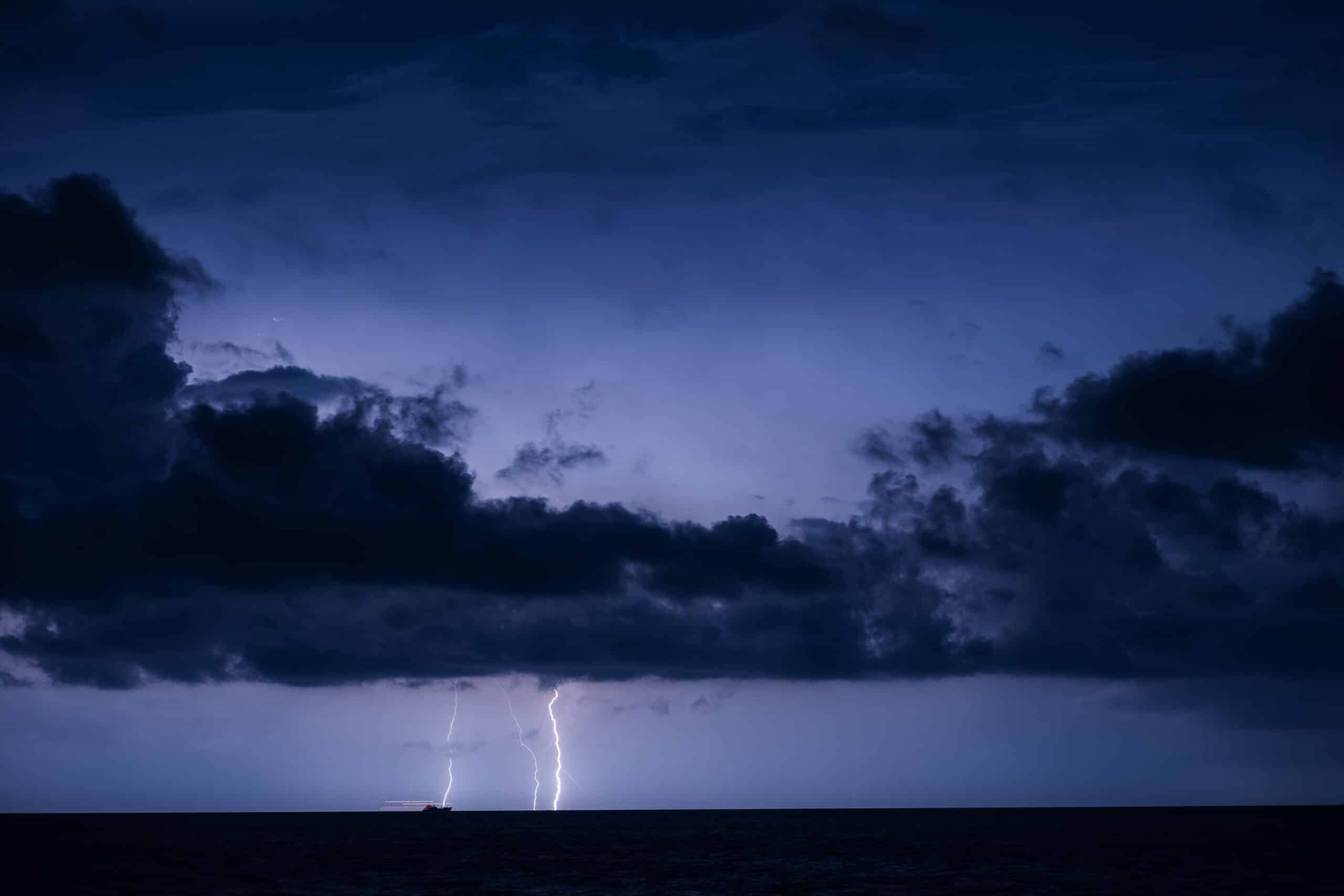
Detailed Chronology: The Anatomy of a Sudden Marine Squall
Understanding how severe weather develops and impacts a vessel is vital for maintaining situational awareness. A typical sudden storm event—such as a fast-moving squall line—follows a distinct, escalating trajectory that demands immediate and measured responses from the captain and crew.
Phase 1: The Pre-Frontal Warning Signs
Minutes before a squall strikes, subtle atmospheric and environmental indicators present themselves. Barometric pressure drops sharply, distant horizon lines become obscured by a dark, rolling wall of clouds, and ambient wind patterns can abruptly cease or shift direction entirely. Seasoned boaters recognize these precursors as the immediate call to action. During this window, captains must abort fishing operations, reel in lines, and initiate baseline safety checks before conditions deteriorate physically.
Phase 2: The Onset of High Winds and Reduced Visibility
As the leading edge of the storm arrives, wind speeds can double or triple within a matter of 60 to 120 seconds. Heavy rain, hail, or sea spray instantly drops horizontal visibility to dangerous levels. Maneuvering becomes erratic as crosswinds and choppy seas batter the hull. At this juncture, the primary objective shifts entirely from navigation toward stabilization. Speed must be reduced, passengers must be checked for proper personal flotation device (PFD) compliance, and steering control must be prioritized over forward progress.
Phase 3: Peak Intensity and Wave Management
During the height of the storm, wave action becomes chaotic. Wind-driven chop mixes with underlying swells, creating steep, breaking waves that challenge a vessel’s buoyancy and center of gravity. Operating at high speeds in this phase is catastrophic; slamming into wave crests places immense structural strain on hull joints and engine mounts. Captains must navigate waves at an angle—avoiding both direct perpendicular impacts that risk capsizing and parallel beam seas that invite rolling—while continuously monitoring navigational electronics to prevent drifting into shallow water or shipping lanes.
Supporting Context & Metrics: The Anatomy of Boating Fatalities and Weather Risks
Data compiled by marine safety and rescue organizations consistently highlights unexpected weather and the absence of proper safety gear as primary catalysts for fatal boating accidents.
Instability and Weight Distribution
Improper weight distribution remains one of the leading contributors to vessel capsizing during heavy seas. When a fishing boat takes on water or when heavy gear shifts violently across the deck, the vessel’s center of gravity changes. In a heavy chop, a top-heavy or improperly balanced boat loses its natural righting moment, making it dangerously susceptible to rolling over when struck by a beam wave.
The Critical Role of Predeparture Planning
Statistical analyses of marine distress calls indicate that the severity of a storm’s impact is inversely proportional to the quality of pre-departure preparation.
- Float Plans: Filing a comprehensive float plan with an onshore contact establishes a temporal safety net. If a vessel fails to return or check in following a severe weather event, search and rescue teams have a designated search grid and expected route, drastically reducing response and rescue times.
- Equipment Readiness: Verifying VHF radio functionality, bilge pump operability, and battery charges before leaving the dock ensures that emergency tools remain operational when environmental stressors peak. Furthermore, understanding technical limitations—such as diagnosing poor VHF range—prevents communication failures precisely when signals are most critical.
Official Guidelines: Step-by-Step Heavy Weather Protocols
When caught in the teeth of a storm, operational decisions must be deliberate and systematic. Marine experts and rescue authorities recommend the following protocol hierarchy:
1. Reduce Speed and Maintain Steering Control
The instinctive reaction to severe weather is to accelerate toward safety. On the water, this is frequently a fatal error.
- Hull Preservation: Running too fast in heavy chop causes the boat to slam violently into wave troughs, risking structural delamination, hull cracking, and damage to engine mounts.
- Steering Dynamics: Throttling back allows the hull to ride the contours of the sea, maintaining hydrodynamic flow over the rudder or outdrive for reliable steering control. Never run directly perpendicular to steep waves in smaller vessels, as this dramatically increases the likelihood of pitching over backward or stuffing the bow.
2. Mandatory Life Jacket Enforcement
Waiting until a storm hits to search for life jackets is a perilous gamble. Rough water, violent vessel motion, and panic make locating and securing safety gear nearly impossible once conditions deteriorate.
- Immediate Donning: All passengers must immediately secure US Coast Guard-approved life jackets tailored to their weight and size.
- Securing Straps: Ensure all buckles, zippers, and crotch straps are fastened properly. A poorly fitted life jacket can ride up or slip off in turbulent water, negating its life-saving utility.
3. Clear the Deck and Secure Loose Gear
Fishing boats inherently carry an abundance of loose equipment—tackle boxes, rods, coolers, and landing nets—that transform into lethal projectiles in rough seas.
- Hazard Mitigation: Unsecured gear shifts unpredictably, altering the vessel’s balance while creating severe tripping hazards for crew members moving about the deck.
- Stowage: Lock down all heavy items in designated cabin spaces, fish boxes, or tie them securely to hard points. Clearing the deck ensures that if passengers must access emergency equipment, their path remains unobstructed.
4. Monitor Position and Surroundings
Storm-force winds and relentless currents can quietly push a vessel miles off its intended course.
- Drift Awareness: Continuously cross-reference GPS coordinates and radar data to ensure the boat is not drifting toward shallow reefs, rocky shorelines, or congested commercial shipping routes.
- Waterway Congestion: In heavily trafficked arteries such as the Intracoastal Waterway (ICW), storms trigger massive surges in vessel traffic as operators frantically race for shelter. Heightened vigilance is required to avoid collisions with other out-of-control or blinded watercraft.
5. Managing Propulsion Failures
An engine failure during severe weather converts a difficult tactical situation into an immediate life-safety emergency. Without power, a boat loses its ability to steer into incoming waves, exposing its beam to the full force of the sea.
- Immediate Action: Drop anchor only if depth and bottom conditions permit, and strictly to prevent drifting into immediate hazards like shorelines. Avoid anchoring in deep, open water during severe storms, as the strain on the rode and bow cleat can pull the boat underwater or cause it to ride up improperly on steep waves.
- Emergency Signals: Deploy visual distress signals and issue a Mayday call via VHF radio immediately if propulsion is lost. If the vessel becomes permanently disabled or grounded, professional marine salvage and recovery services will be required once weather systems completely clear.
Post-Storm Assessment and Maintenance
Once the squall passes and ambient conditions stabilize, the journey is not yet over. Hidden structural damage resulting from severe wave impacts can compromise the integrity of the boat long after the skies clear.
Initial Diagnostics
Mariners should proceed at a slow, cautious speed while actively monitoring the vessel’s response.
- Vibration and Steering: Check for unusual engine vibrations, sluggish or stiff steering feedback, and abnormal mechanical noises. These symptoms often indicate bent shafts, damaged propellers, or compromised outdrive mounts.
- Bilge Integrity: Inspect bilge compartments for excessive water accumulation, which points toward hull breaches, loose through-hull fittings, or compromised sealing.
Comprehensive Post-Trip Inspection
Upon returning to port, execute a thorough preventive maintenance check:
- Inspect the hull gelcoat and fiberglass for stress cracks, especially around stringers and transoms.
- Examine engine mounts and exhaust hoses for displacement or tearing caused by violent engine shifting.
- Test all electronic navigation and communication systems to ensure salt spray or water intrusion has not shorted internal circuits.
Frequently Asked Questions
Should you try to outrun a storm in a fishing boat?
No. If weather conditions are already deteriorating around you, attempting to outrun a storm by throttling up is dangerous. Doing so increases the risk of hull damage from slamming into waves and compromises your steering control. Controlled, measured deceleration and stabilization are far safer.
Is it safe to anchor during an open-water storm?
Generally, no. Anchoring in deep, open water during heavy seas causes the boat to swing unpredictably and take waves at dangerous angles. You should only anchor if it is absolutely necessary to prevent drifting into rocks, shallows, or shorelines, and only if water depth and sea bottom conditions permit.
What is the single most dangerous scenario when boating in a storm?
The combination of a propulsion failure and beam seas (waves striking the side of the boat) represents the highest risk for capsizing. Without engine power to point the bow into the waves, the vessel is at the mercy of the rolling water.
Future Outlook: Technology, Training, and Marine Safety
As maritime technology evolves, the industry is witnessing a shift toward predictive safety and enhanced vessel resilience. Future advancements in marine meteorology point toward hyper-local, real-time weather radar integrations directly onto vessel multi-function displays (MFDs), allowing captains to track squall lines down to the minute. Furthermore, the increasing adoption of satellite-based communication networks promises to eliminate the historical vulnerabilities of poor VHF range in remote or coastal waters.
However, technology can never replace foundational seamanship. The future of safe boating lies in combining cutting-edge predictive tools with rigorous, mandatory safety training. As unpredictable weather patterns become more frequent due to shifting global climates, the emphasis on pre-departure planning, disciplined squall management, and continuous crew communication will remain the ultimate standard for surviving the unexpected on the water.