



Executive Overview
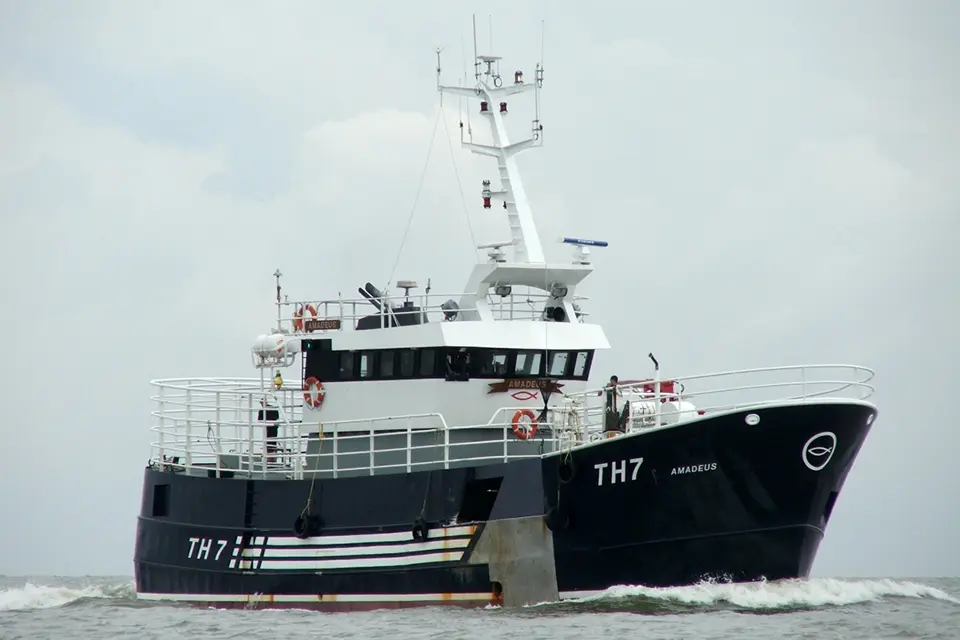
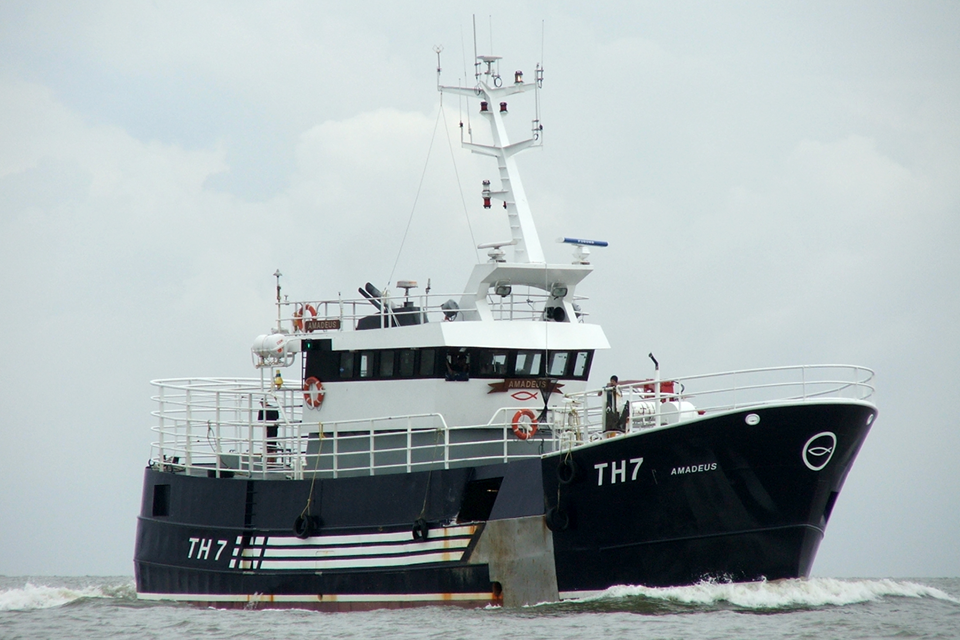
The commercial fishing industry remains one of the most perilous occupations in the world, combining relentless physical labor with unforgiving maritime environments. On December 13, 2023, the harsh realities of this profession manifested in the German Bight of the North Sea, resulting in a fatal man-overboard incident aboard the crab potting vessel Amadeus (TH7). A young deckhand, worn down by weeks of relentless toil and severe sleep deprivation, lost his footing while hauling heavy crustacean traps in turbulent winter seas. He slipped beneath the surface, resulting in the tragic and preventable loss of a human life.
Months after the incident, the Marine Accident Investigation Branch (MAIB) released its comprehensive accident report. Far from being treated as an isolated tragedy, the findings paint a grim picture of systemic industry vulnerabilities—specifically the normalisation of chronic exhaustion, the physical strain of high-frequency pot-hauling, and the inadequate safety margins when operating in heavy weather.
Chief Inspector of Marine Accidents Rob Loder issued a sobering warning accompanying the report’s publication, urging the maritime community to reject the notion that fatigue is simply "part of the job." This in-depth investigative report examines the sequence of events leading up to the disaster, the underlying human and environmental factors, the regulatory context of safety in the fishing sector, and the urgent reforms required to protect commercial fishermen.

Detailed Chronology
The Voyage and the Conditions
The Amadeus (TH7), a specialized crab-potting vessel, had been operating in the challenging waters of the German Bight—a southeastern bight of the North Sea known for its shallow waters, unpredictable weather systems, and steep, choppy waves generated by winter gales. Operating in this region during December requires extraordinary vigilance, seamanship, and physical endurance.
In the weeks and days preceding the fatal accident, the crew of the Amadeus had been subjected to an intense operational tempo. The economic pressures of the commercial shellfish industry often demand maximum output during peak market windows, driving vessel owners and crews to push through adverse weather conditions rather than seeking shelter. Consequently, the routine of shooting, hauling, and resetting heavy strings of crab pots became an unrelenting cycle of physical exertion with minimal recovery time.
The Fatal Moment on December 13, 2023
On the day of the accident, the Amadeus was actively working its gear in the German Bight. The sea state was rough, characterised by heavy swells and biting winter winds that complicated every movement on the deck.
The deckhand, whose identity has been withheld in official summaries out of respect for his family, was engaged in the standard task of hauling crab pots. This operation requires a crew member to lean repeatedly over the vessel’s low bulwarks or side rails, guiding heavy, water-logged gear aboard, clearing bait, and resetting the traps.
Despite the routine nature of the task, the physical demands under prevailing environmental conditions were extreme. The deckhand was suffering from the cumulative effects of weeks of demanding work and profoundly inadequate rest. His muscles were fatigued, his reaction times dulled by sleep deprivation.
As the Amadeus crested a steep wave, the vessel suffered a sudden, violent lurch. The combination of the ship’s abrupt motion, the heavy load being handled, and the deckhand’s depleted physical reserves proved fatal. He lost his balance and was pitched overboard into the freezing, turbulent waters of the North Sea. Despite immediate efforts by the crew to locate and rescue their colleague, the hostile environment and the speed of the incident thwarted recovery efforts, culminating in a fatality.
Supporting Context & Metrics
The Invisible Enemy: Fatigue at Sea
While maritime investigations frequently focus on mechanical failures, navigational errors, or structural defects, human factors—specifically fatigue—remain the silent killer in commercial fishing. Sleep deprivation impairs cognitive function, diminishes situational awareness, degrades motor skills, and slows reaction times to dangerous levels.
In the context of the Amadeus, the MAIB report underscores that the deckhand was operating far beyond safe physical limits. The fishing industry has long romanticised or accepted 16-to-18-hour workdays during peak seasons as an unavoidable reality. However, modern ergonomic and occupational health studies demonstrate that chronic sleep debt accumulates rapidly, leading to micro-sleeps, cognitive tunneling, and an inability to accurately assess physical risks.
The Physical Toll of Crab Potting
Crab and lobster potting is widely recognized as one of the most physically demanding sectors of commercial fishing. Unlike trawling, where winches and machinery handle the bulk of the catch retrieval, potting often involves continuous manual handling.
- Repetitive Strain: Deckhands haul heavy, steel-framed or wooden pots weighted with concrete or lead, often dripping with water and fouled with marine growth.
- Instability: Working on a compact, rolling deck requires constant micro-adjustments of the core muscles to maintain balance. When fatigue sets in, these stabilizing reflexes fail.
- Environmental Exposure: Sub-zero windchills, salt spray, and icy decks drastically reduce tactile sensitivity in the hands and compromise footing, turning minor slips into life-threatening emergencies.
Statistical Overview of Man-Overboard Incidents
Data from maritime safety authorities worldwide consistently highlight man-overboard (MOB) events as a primary cause of fatalities in the fishing industry.
- The Survival Window: In North Sea winter conditions (where water temperatures hover near or below 10°C), the onset of cold shock occurs within minutes, followed rapidly by swim failure and hypothermia. Self-recovery without assistance is nearly impossible for a fatigued person encumbered by heavy foul-weather gear.
- Personal Flotation Devices (PFDs): Despite regulatory pushes, compliance regarding the continuous wearing of PFDs and harness lines on open decks remains inconsistent across the independent fishing fleet.
Official Statements
The release of the MAIB report triggered strong reactions from maritime safety leaders, emphasizing the need for a cultural shift across the commercial fishing sector.
Chief Inspector Rob Loder’s Assessment
In his formal statement, Chief Inspector of Marine Accidents Rob Loder challenged the industry’s complacency regarding routine hazards and systemic exhaustion:
"This accident must not be dismissed as yet another fatal man overboard from a fishing vessel. In the blink of an eye, a young man lost his life doing a task many in the industry would consider routine—but there was nothing routine about the physical toll it took. After weeks of demanding work and inadequate rest, he was hauling heavy pots in rough winter seas, repeatedly leaning over the vessel’s side in an exhausting and unstable task, until one violent lurch was enough to send him overboard.
Exhaustion must not become simply part of the job. This accident is a stark reminder that, without effective safeguards, this could happen to any crew member."
Regulatory and Industry Response
Maritime safety advocates have seized upon the MAIB findings to demand stricter enforcement of hours-of-rest regulations. While commercial shipping is heavily governed by international conventions like the STCW (Standards of Training, Certification and Watchkeeping) regarding working hours, independent fishing vessels often fall into regulatory grey areas or suffer from lax oversight.
The publication of the MAIB accident report was accompanied by a targeted Safety Flyer to the Fishing Industry, designed to be disseminated directly to skippers, vessel owners, and deckhands. This flyer outlines practical steps for risk mitigation, emphasizing that identifying fatigue as a hazard is the first step toward preventing future tragedies.
Future Outlook & Recommendations
Preventing future tragedies aboard vessels like the Amadeus requires a multi-faceted approach involving legislative changes, technological interventions, and a fundamental evolution in safety culture.
1. Enforcing Realistic Rest Periods
Vessel owners and skippers must move away from the "all-hands-on-deck" mentality that sacrifices crew welfare for short-term economic gains. Implementing structured watch rotations and mandatory rest periods—even during lucrative fishing seasons—is essential to maintaining cognitive sharpness and physical resilience.
2. Engineering Out the Hazards
Naval architects and vessel operators must collaborate to minimize the need for crew members to lean over un-guarded sides.
- Modified Hauling Stations: Installation of improved pot-hauling chutes, automated sorting tables, and safety rails or movable gates can drastically reduce exposure to open water.
- Harness Systems: Utilizing dynamic tether systems for crew working on exposed decks in heavy weather provides a secondary line of defense against falls.
3. Technological Innovations in MOB Recovery
While preventing a fall is the primary goal, rapid recovery systems are vital when accidents occur. The adoption of Personal Locator Beacons (PLBs) integrated into workwear, automatic MOB alarm triggers linked to vessel electronics, and improved recovery ladders or cranes must become standard equipment across the fleet.
4. Changing the Industry Culture
Ultimately, safety is cultural rather than bureaucratic. The fishing community must empower junior crew members and deckhands to speak out against excessive fatigue without fear of economic reprisal or social stigma. Skipper leadership training must emphasize that managing human endurance is just as critical to a successful voyage as maintaining the engine or navigating the weather.
Conclusion
The loss of life aboard the crab potting vessel Amadeus in the German Bight is a poignant tragedy that exposes the hidden human cost of commercial fishing. By laying bare the compounding effects of sleep deprivation, punishing physical labor, and unforgiving sea states, the MAIB report provides a roadmap for reform.
If the industry heeds the stark warning issued by Chief Inspector Rob Loder—that exhaustion must never be accepted as "just part of the job"—then the young deckhand who lost his life on December 13, 2023, may yet save the lives of countless others who follow him to sea.
The full MAIB accident report, detailing the sequence of events, subsequent actions, and formal recommendations, is accessible via the GOV.UK MAIB Reports Portal.