



Executive Overview
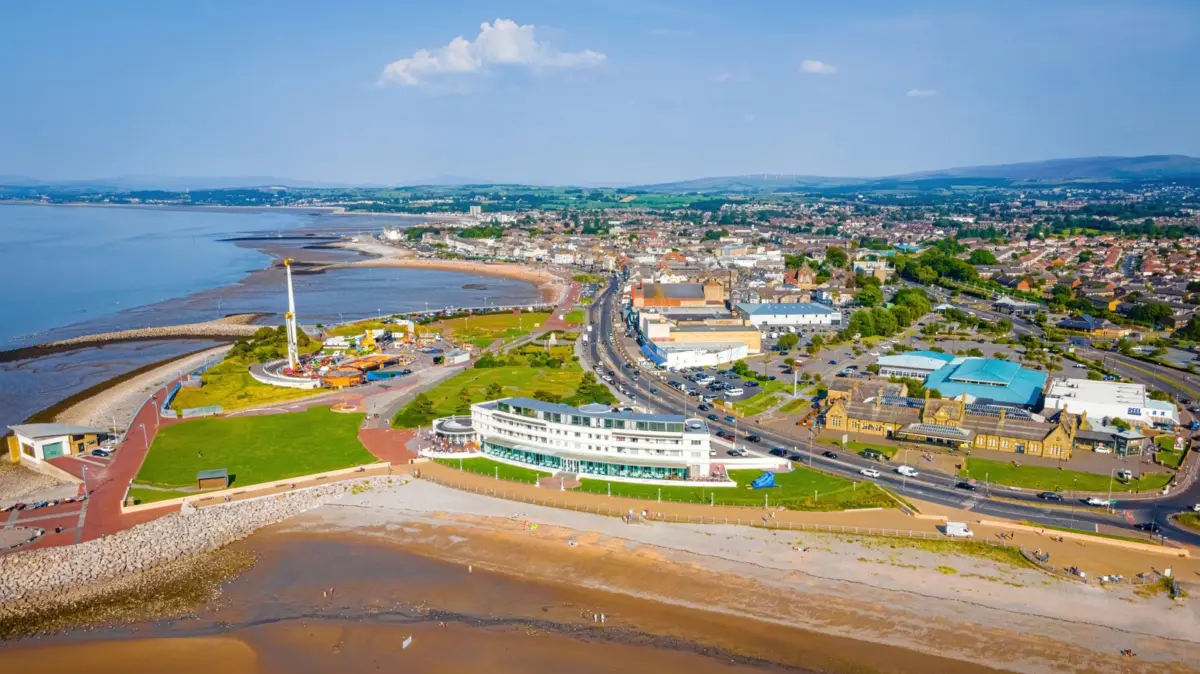
While international travelers planning a holiday to England often fixate on the historic monuments and fast-paced urban environment of London, the true spirit of British leisure is frequently found along its sweeping coastlines. Tucked away on the shores of Morecambe Bay along the Irish Sea, just north of the famous resort town of Blackpool, lies Morecambe—an architectural and cultural treasure that is rapidly reclaiming its status as a premier domestic and international destination.
Once a bustling hub for working-class holidaymakers seeking bracing sea air and seaside entertainment, Morecambe has transitioned into an evocative, underrated coastal haven. Boasting panoramic, widescreen views of the southern Lake District fells, a rich Victorian heritage, thriving independent retail spaces, and an evolving culinary scene, this Lancashire town offers an authentic, unpretentious slice of English coastal life. Whether approached as a leisurely day trip from nearby Blackpool or Manchester, or as a tranquil weekend retreat accessible via a three-hour train journey from London, Morecambe represents an essential addition to the modern traveler’s itinerary.
Detailed Chronology: From Fishing Hamlets to Victorian Playground
The modern identity of Morecambe is built upon a fascinating historical evolution, transforming from a loose collection of disparate coastal settlements into a vibrant Victorian resort town.
The Pre-Victorian Roots (Pre-19th Century)
Long before the advent of commercial tourism, the land curving around Morecambe Bay was defined by subsistence and survival. The area that now comprises the bustling town center and promenade was originally divided into three distinct, modest fishing villages: Poulton, Bare, and Torrisholme. For centuries, residents relied primarily on the tides of the Irish Sea, working as fishermen, shrimpers, and agricultural laborers. The landscape was largely rural, marked by salt marshes, small-scale farming plots, and rugged shorelines exposed to the dramatic shifts of the bay’s formidable tides.
The Mid-19th Century Amalgamation and Railway Boom
The transformation of Morecambe began in earnest during the mid-19th century. As the Industrial Revolution gripped Northern England, working-class communities sought relief from the soot and congestion of inland mill towns. Recognizing the economic potential of the coast, entrepreneurs and railway developers pushed transportation lines toward the Irish Sea.
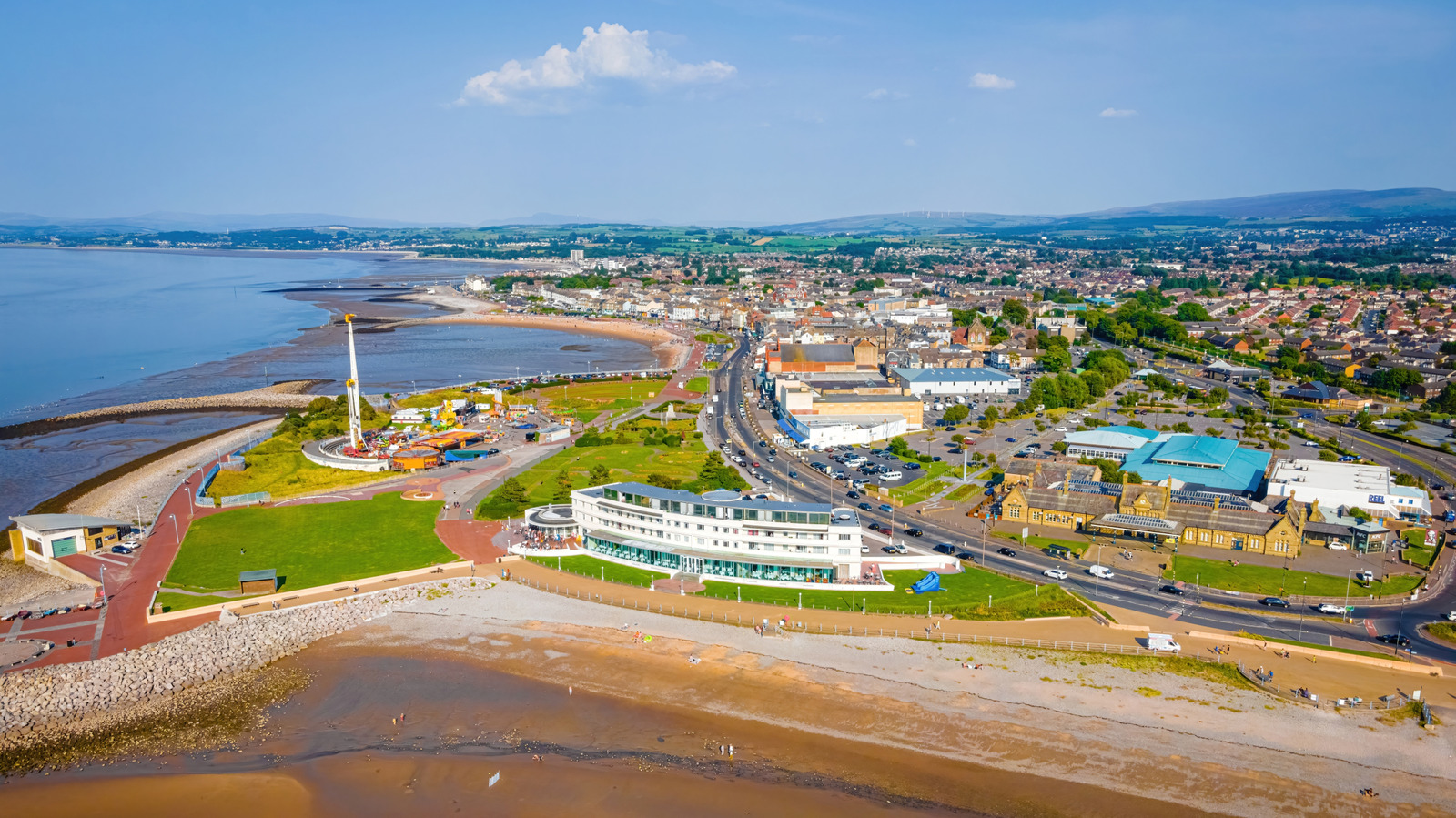
In 1868, the three separate villages of Poulton, Bare, and Torrisholme were officially amalgamated under a single municipal identity: Morecambe, named after the bay itself (which had appeared on early maps as "Moricambe"). The arrival of the railway catalyzed a construction boom. Victorian planners laid out sweeping waterfront promenades, grand hotels, and entertainment complexes designed to cater to the burgeoning tourist trade. Architecture from this era—characterized by ornate ironwork, tall bay windows, and robust stone facades—still defines much of the town’s historic streetscapes today.
The Golden Age of Entertainment and the Modern Renaissance
By the late 19th and early 20th centuries, Morecambe had firmly established itself as a premier northern resort destination, rivaling neighboring Blackpool in popularity. The establishment of cultural landmarks, such as the grand Winter Gardens in the 1870s, turned the town into a cultural epicentre featuring concert halls, ballrooms, and public plunge pools.

Though the mid-20th century brought challenges to Britain’s traditional seaside resorts due to the rise of affordable continental air travel, Morecambe has experienced a profound cultural and economic revitalization in recent decades. Today, the town successfully marries its rich industrial and Victorian heritage with a contemporary appreciation for slow travel, independent enterprise, and coastal conservation.
Supporting Context & Metrics: Exploring Morecambe Today
For travelers looking to understand the physical and economic geography of Morecambe, the town offers a distinct mix of natural wonder and localized commerce.
Geographic Proximity and Accessibility
Situated in the Lancaster district of Lancashire, Morecambe’s strategic location makes it exceptionally accessible for both regional day-trippers and long-distance explorers:
- From Blackpool: Less than a one-hour drive north via the A585 and A6, making it an ideal coastal contrast to Blackpool’s high-octane amusement parks.
- From London: Approximately a three-hour train journey via the West Coast Main Line (typically connecting through Lancaster), allowing travelers to transition seamlessly from the capital to the Irish Sea.
- Proximity to Natural Wonders: Visitors are uniquely positioned within a 30-to-45-minute radius of both the breathtaking Forest of Bowland Area of Outstanding Natural Beauty and the rugged southern peaks of the Lake District National Park.
The Coastal Landscape: The Stone Jetty and Trafalgar Point
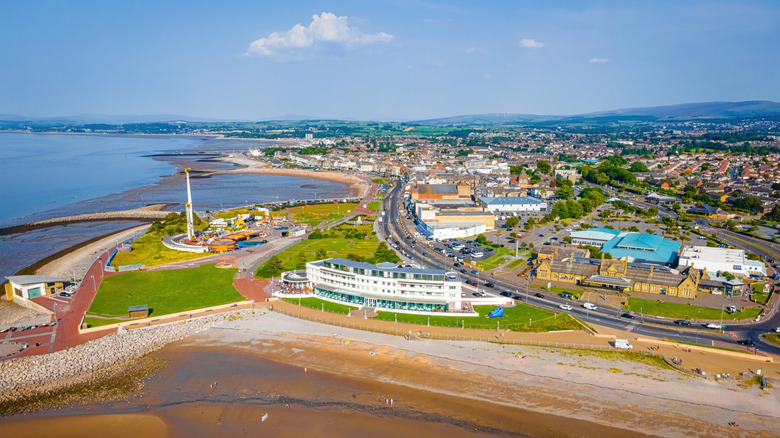
At the heart of Morecambe’s maritime geography is the iconic Stone Jetty. Originally serving as the town’s historical harbor, this wide, robust stone pier extends far out into Morecambe Bay. When the tide recedes, the water pulls back to reveal a vast, shimmering expanse of flat sand that stretches as far as the eye can see, providing a dramatic foreground for photographers and beachcombers alike.
Walking the length of the jetty leads visitors to Trafalgar Point, where public art installations—including integrated hopscotch courts, musical instruments built into the pavement, and a paved maze—offer interactive entertainment. On clear days, the horizon offers an unmistakable view of the jagged, rising slopes of the Lake District fells across the bay, creating a striking visual contrast between sea and mountain.
Retail Therapy: Boutiques and Bookshops
Morecambe has largely eschewed homogenised high-street chains in favor of a vibrant, fiercely independent retail ecosystem:
- Beach Bird: Located near the waterfront, this popular boutique offers a distinct bohemian and hippie aesthetic, featuring curated racks of vintage-inspired clothing, handcrafted jewelry, artisanal accessories, and a whimsical magic shop hidden in the rear.
- The Old Pier Bookshop: A labyrinthine independent institution packed floor-to-ceiling with second-hand volumes. Its rustic interior, adorned with carved wooden figurines tucked into every available shelf space, serves as a haven for literature enthusiasts.
Gastronomic Guide: Where to Eat and Stay
Morecambe’s culinary scene reflects its coastal heritage, offering everything from historic railway cafes to modern, plant-forward brunch spots and upscale gastropubs.
The Stone Jetty Cafe
Housed inside what was once the historic railway station building directly on the Stone Jetty, this local favorite offers unbeatable waterfront vistas. The menu leans into hearty, comforting fare—including classic bacon and cheese sandwiches, hot dogs, freshly baked scones, and steaming hot beverages. Its nautical-themed interior and sprawling outdoor seating area ensure that diners are never far from the bracing sea breeze.
The Royal Bar & Shaker
For travelers seeking a more upscale social atmosphere, The Royal Bar & Shaker provides a sophisticated yet welcoming environment. Housed within an architectural building featuring a striking pastel facade, the venue serves a diverse menu ranging from light artisanal snacks to a traditional, hearty Sunday roast and classic fish and chips. Operating also as a boutique hotel, it allows visitors to retire to comfortable, well-appointed guest rooms mere footsteps from the bar floor after an evening of live weekend music.
Grow Kitchen
Earning rave reviews across digital mapping platforms, Grow Kitchen caters to modern palates with a strong emphasis on vegetarian-friendly options and inventive brunch creations. Standout dishes include savory chicken flatbreads and sweet bacon hash browns finished with a tart cranberry reduction, perfectly paired with iced teas or artisanal matcha lattes.
Official Statements and Local Perspectives
Tourism and heritage boards have increasingly highlighted the economic and cultural importance of Morecambe within the broader landscape of British domestic travel.
Local tourism development officers emphasize that Morecambe represents a crucial shift in how contemporary travelers consume leisure. “For generations, coastal towns were judged purely by the volume of mass-market entertainment they could produce,” notes a regional cultural liaison. “Morecambe offers something far more sustainable and authentic. It invites visitors to slow down—to appreciate the vastness of the bay, the integrity of our Victorian architecture, and the creativity of independent business owners who are breathing new life into our historic streets.”
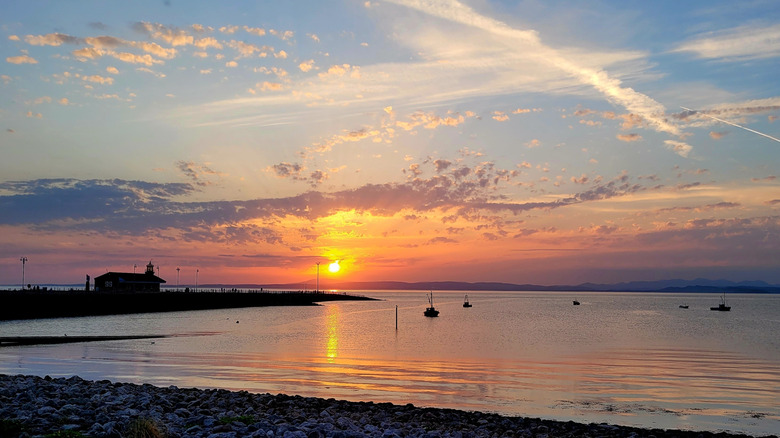
Business owners along the promenade echo this sentiment, pointing out a steady demographic shift. Visitors are increasingly choosing Morecambe not merely as a quick afternoon stopover, but as a base camp for exploring the wider Lancashire and Cumbrian landscapes. “People are tired of identical high streets,” shares a proprietor in the town center. “When travelers come here, they find personality. Whether it’s browsing through stacks of vintage books at The Old Pier or watching the sunset over the Lake District peaks from the Stone Jetty, Morecambe offers memories that feel entirely unique.”
Future Outlook
As the United Kingdom continues to re-evaluate the potential of its regional coastal economies, Morecambe stands poised for significant cultural and infrastructural growth. Urban planners and local authorities are actively investing in sustainable tourism initiatives, heritage preservation projects for landmarks like the historic Winter Gardens, and improved transit links connecting the town to major northern hubs.
Furthermore, proposals for major regional attractions—such as the ongoing development plans for Eden Project North—signal a transformative future for the bay area, promising to draw international eco-tourists, researchers, and holidaymakers in unprecedented numbers. Yet, even as modernization approaches, Morecambe’s core identity remains anchored in its timeless coastal appeal. For the discerning international traveler willing to look beyond the well-trodden paths of London and Edinburgh, this Lancashire gem offers an authentic, bracing, and deeply charming window into the soul of the British seaside.