




Executive Overview
In recent decades, Oklahoma City has experienced a remarkable urban renaissance. Anchored by a booming culinary scene, world-class museums, and a rapidly evolving skyline featuring gleaming new skyscrapers, the state’s capital has firmly established itself as a vibrant economic and cultural hub in the American Heartland.
The city’s demographic trajectory reflects this upward momentum. The population surged from approximately 682,000 at the turn of the millennium to nearly 730,000 in the years that followed. This influx has breathed new life into urban neighborhoods like Capitol View—a sought-after enclave for young professionals seeking seamless access to downtown commerce and culture.
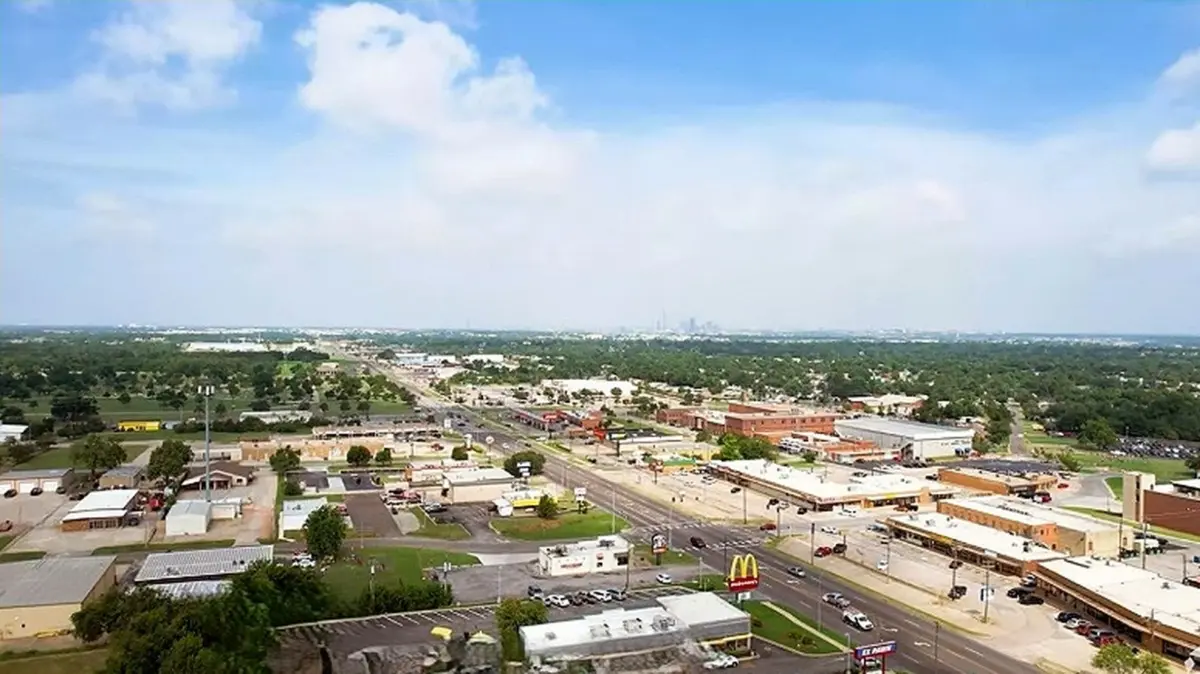
However, urban growth rarely happens in a vacuum. As the capital metropolis expands, it pulls its surrounding municipalities into a dynamic orbit of suburban development, economic interdependence, and cultural enrichment. Located a mere eight miles east of downtown Oklahoma City along Interstate 40 lies Midwest City, a municipality approaching a population of 60,000. Far from being a mere bedroom community, Midwest City stands out as a historic, master-planned enclave that blends midcentury architecture, military heritage, modern recreational infrastructure, and a thriving commercial landscape. For travelers navigating the American Southwest or exploring the wider Oklahoma City metropolitan area, Midwest City offers an exceptional blend of historical significance and contemporary leisure.
Detailed Chronology: From Post-War Blueprint to "America’s Model City"
To truly understand Midwest City, one must look back to the turbulent yet hopeful era of the early 1940s. Unlike many towns that grow organically around a crossroads or a natural resource, Midwest City was born from a singular, highly intentional vision: to support the burgeoning defense infrastructure of the United States during the Second World War.
The 1940s: Genesis and the Tinker Air Force Base Connection
The history of Midwest City is inextricably linked to the establishment and expansion of Tinker Air Force Base, situated just three miles away. In the wake of Pearl Harbor and the rapid mobilization of the U.S. military, the federal government recognized the urgent need for strategic logistical and aircraft maintenance hubs in the central United States. Tinker Field (later designated Tinker Air Force Base) was established in 1941, instantly transforming central Oklahoma into a critical node for national defense.
This massive military buildup triggered an unprecedented housing crisis. Thousands of civilian workers, service members, and their families descended upon Oklahoma County, creating an acute demand for residential infrastructure. Enter W.P. Atkinson, a visionary Oklahoma City developer and businessman. Atkinson envisioned a self-contained, master-planned community that could house these post-war families efficiently and comfortably.
Acquiring tracts of land east of Oklahoma City, Atkinson laid out a comprehensive blueprint. This was not merely a real estate development; it was an exercise in urban planning. Homes, schools, shopping centers, and recreational parks were designed concurrently, ensuring that incoming residents had immediate access to the necessities of daily life without enduring the chaos of uncoordinated urban sprawl.

The 1950s: The Era of "America’s Model City"
By the dawn of the 1950s, Midwest City’s unique planning model had yielded staggering results. The community had evolved from a speculative wartime housing project into a flourishing, stable municipality. Its streets were lined with charming, uniform ranch-style homes—an architectural hallmark of the midcentury suburban boom.
The town’s rapid evolution and high standard of living did not go unnoticed. In the early 1950s, national publications and urban planners bestowed upon Midwest City the prestigious moniker: "America’s Model City." It stood as a shining example of how public-private cooperation, forward-thinking zoning, and community-centric design could accommodate the post-war American dream. During this decade, foundational community amenities were cemented, including the establishment of the Hidden Creek Family Golf Course in 1957, ensuring that leisure and recreation remained central to the town’s identity.
The Late 20th Century: Expansion and Regional Integration
As the decades progressed, Midwest City refused to rest on its midcentury laurels. Throughout the 1960s and 1970s, the city continued to expand its geographic footprint and municipal services. The opening of the Tinker Air Force Base Golf Club in 1960 further cemented the symbiotic relationship between the municipality and the nearby military installation.
By 1971, the city recognized the need for recreational facilities that could cater to a more diverse and growing population of golf enthusiasts, leading to the creation of the expansive John Conrad Regional Golf Course. Concurrently, regional transportation networks, highlighted by the development of Interstate 40, tied Midwest City closer than ever to Oklahoma City, transforming a once-isolated suburban project into an accessible, integral spoke in the greater metropolitan wheel.
Supporting Context & Metrics: Recreation, Commerce, and Infrastructure
Today, Midwest City operates as a sophisticated sub-market within the Oklahoma City metropolitan area, balancing its rich midcentury aesthetic with modern retail developments and robust recreational assets.
Green Spaces, Paved Trails, and World-Class Golf
For travelers and residents alike, Midwest City offers an impressive array of outdoor amenities that rival those of much larger cities. The municipality boasts a network of walking trails, playgrounds, and athletic fields designed to promote public health and community engagement.
Golf enthusiasts are particularly well-served, with three distinct courses offering varying levels of challenge and historical pedigree:
- Hidden Creek Family Golf Course (Established 1957): As the oldest golf green in the area, this intimate nine-hole course has earned a reputation as the premier destination for beginners and families. Its manageable layout provides a welcoming environment for those looking to introduce younger generations to the sport during a road trip.
- Tinker Air Force Base Golf Club (Established 1960): Spanning 18 holes, this course is meticulously maintained through a partnership involving the military installation. Regularly hosting tournaments and offering professional lessons for all age groups, it receives rave reviews from visitors for its immaculate fairways and pristine sand traps.
- John Conrad Regional Golf Course (Designed 1971): Spanning approximately 160 acres, this championship-caliber course challenges experienced golfers with its famous undulating greens. Operating at an exceptionally affordable rate—with daily green fees hovering around $29—it has garnered high praise from regional travelers for its pristine course conditions and welcoming customer service.
Adjacent to the John Conrad course lies Joe B. Barnes Regional Park, a massive community asset featuring sports pavilions, playgrounds, and scenic vistas. The park serves as the southern trailhead for the Soldier Creek Trail, a nearly six-mile paved pathway that follows the meandering waterway of Soldier Creek. Fully accessible to bicyclists and pedestrians alike, the trail connects Joe B. Barnes Regional Park to Pecan Grove Park to the north, offering an ideal corridor for travelers seeking to stretch their legs in a natural setting.
Commercial Epics: Town Center Plaza and Culinary Offerings
Beyond its parks and links, Midwest City has cultivated a dynamic retail and dining ecosystem. At the epicenter of this commercial activity is Town Center Plaza, a sprawling open-air retail development anchored by major national brands such as Target, Kohl’s, and Old Navy.
Town Center Plaza successfully bridges the gap between big-box convenience and niche specialty shopping. Retailers like Vintage Stock cater to collectors and nostalgia enthusiasts, offering an expansive inventory of classic entertainment items, including vintage cassette tapes, vinyl records, and rare trading cards.
The culinary scene in Midwest City punches well above its weight class. Local establishments like The Fried Taco have drawn regional acclaim for imaginative, high-quality street fare. Patrons frequently highlight inventive options such as the jackfruit tacos, which have earned glowing reviews from both locals and visiting food tourists.
For those looking to enjoy a meal outdoors, the proximity of Tinker Bicentennial Park—located just a mile away—provides an idyllic backdrop. Crucially for modern travelers, the park features a fully fenced-in dog park, addressing a vital logistical need for road-tripping pet owners seeking stress-free accommodations for their four-legged companions.
Official Statements and Civic Vision
Municipal leadership in Midwest City has consistently emphasized the importance of preserving the community’s historic character while aggressively pursuing economic modernization.
In public addresses regarding regional development, city planners have frequently underscored the enduring legacy of the post-war master-planned design. "Midwest City was built with a fundamental understanding of human scale," noted a regional urban planning official in a recent municipal symposium. "The alignment of residential neighborhoods with accessible commercial districts and green spaces was revolutionary in the 1940s, and it remains the gold standard for sustainable suburban design today. Our objective is to honor that foundational blueprint while infusing the infrastructure with 21st-century amenities."
Furthermore, partnerships between the city and Tinker Air Force Base remain robustly collaborative. Military leadership has repeatedly praised the municipality for its steadfast support of service members and their families. "The synergy between Midwest City and Tinker Air Force Base is unique in the United States," stated a base public affairs representative. "The shared recreational facilities, including our golf clubs and parks, reflect a deeply integrated community where military personnel and civilian residents live, work, and recreate as one unified population."
Future Outlook: Integration into the Greater OKC Metropolis
As Oklahoma City continues its aggressive upward trajectory—projecting population milestones that push well beyond 750,000 residents in the coming decade—the role of surrounding municipalities like Midwest City will only grow in strategic importance.
The future outlook for Midwest City is characterized by smart, sustainable growth. Infrastructure investments are currently underway to improve transit connectivity between Midwest City and downtown Oklahoma City, ensuring that commuters and tourists can seamlessly navigate the corridor via Interstate 40. Furthermore, tourism boards are increasingly packaging Midwest City not merely as an overflow suburb, but as a standalone destination for travelers seeking a deep dive into midcentury American history, accessible outdoor recreation, and authentic Heartland hospitality.
For overnight visitors, the options continue to diversify. While Midwest City offers a robust selection of established local hotels, travelers are also capitalizing on the municipality’s prime geographic position. Situated less than 10 miles from Oklahoma City’s vibrant Bricktown district—an artsy, walkable entertainment hub defined by cobbled canals, quirky local shops, and eclectic dining—visitors can easily enjoy the best of both worlds: the quiet, midcentury charm of a master-planned historical model city, paired with the cosmopolitan energy of a rapidly modernizing state capital.
Supported by the nearby Will Rogers International Airport (OKC), which connects central Oklahoma to global transit networks, Midwest City stands well-positioned to welcome a new generation of travelers eager to explore the evolving tapestry of the American Southwest.